
Choosing the right baby toothpaste in the Philippines requires matching the product to your child’s specific physical milestones rather than relying solely on age brackets. Warm, humid tropical climates can encourage rapid bacterial growth on leftover milk or food particles, making early oral hygiene a daily priority. By understanding how your child’s swallowing reflex and tooth eruption progress, you can select a safe, effective formula that protects their developing smile.
Understanding Oral Care Needs Across Developmental Stages
Before the first tooth appears, oral care focuses entirely on the gums. During these early months, babies rely on a liquid diet of breastmilk or formula. Residual sugars can cling to the gums and tongue, especially in warm, humid environments. Instead of toothpaste, caregivers should use a clean, damp soft cloth or a silicone finger brush dipped in cooled, boiled water to gently wipe the gums after feedings. This practice keeps the mouth clean and prepares the infant for the sensation of daily oral care.
The eruption of the first primary tooth, usually the lower central incisors, marks the transition to active brushing. This milestone often brings teething discomfort, drooling, and a tendency to chew on hard objects. As soon as that first tooth breaks through the gums, plaque can begin to form. Parents should transition to an ultra-soft baby toothbrush. At this stage, many pediatric guidelines suggest starting with a tiny smear of toothpaste, but the choice between fluoride and fluoride-free depends on your pediatrician’s recommendation and your child’s ability to tolerate the brushing process.
Products mentioned in this guide
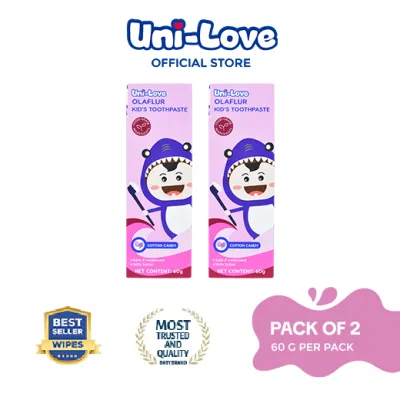
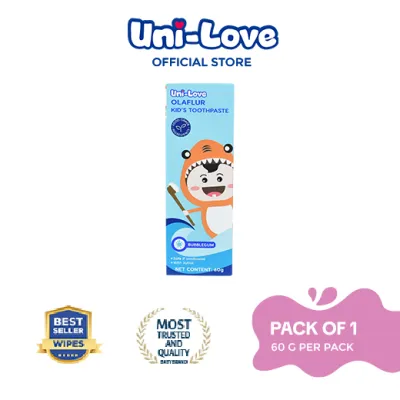
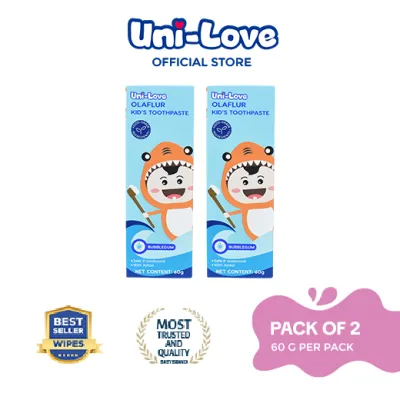
Prices are valid at publication and may change. Please refer to the product page for the latest price.
By the time a child reaches toddlerhood, they have more erupted teeth, including primary molars, which have deep grooves prone to trapping food. Toddlers are highly curious but still lack the coordination to spit out toothpaste reliably. This is the stage where training toothpastes—which are typically fluoride-free and safe if swallowed in tiny amounts—become highly useful. The primary goal during these years is to establish a positive brushing habit while managing the natural swallowing reflex.
Around age three, most children have a full set of primary teeth and are developing better motor control. Many preschoolers can learn the “spit, don’t rinse” technique. This developmental leap allows for a transition to mild fluoride toothpastes designed to strengthen enamel and prevent cavities. Because children at this age are eating a wider variety of solid foods, robust cavity protection becomes increasingly important, though active adult supervision remains essential to ensure they do not swallow the paste.
Evaluating Toothpaste Ingredients and Safety Labels
Deciding between fluoride and fluoride-free formulas requires careful reading of manufacturer labels and consulting your family dentist. Fluoride is highly effective at preventing tooth decay, but young children who cannot spit risk developing dental fluorosis—a cosmetic condition that causes faint white lines on permanent teeth—if they ingest too much. Always check the packaging for age recommendations and dosage instructions. Many brands offer clear age-graded lines to help parents make an informed choice.

The sensory experience of brushing can make or break a toddler’s routine. Strong mint or highly artificial flavors can irritate a young child’s sensitive mouth or cause them to reject brushing altogether. Look for mild, naturally sweetened options like strawberry, banana, or apple. Avoid toothpastes containing harsh foaming agents like sodium lauryl sulfate (SLS), which can cause painful canker sores or oral irritation in sensitive individuals.
When shopping in local pharmacies or online marketplaces, always inspect the packaging for recognized safety seals and regulatory registrations. In the Philippines, baby oral care products should ideally be registered with the local Food and Drug Administration (FDA) to ensure they meet strict safety and quality standards. Look for seals from pediatric dental associations or international safety certifications that verify the ingredients are non-toxic and safe for early childhood use.
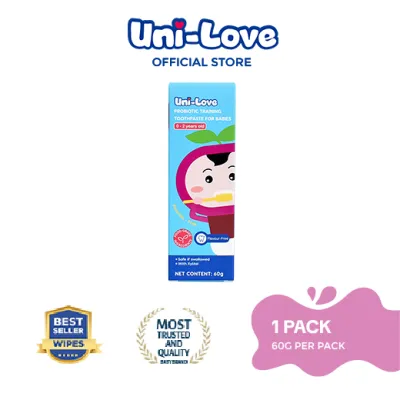
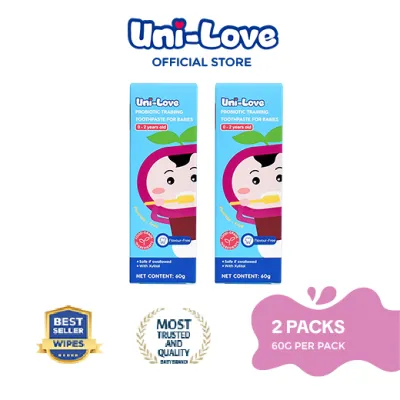
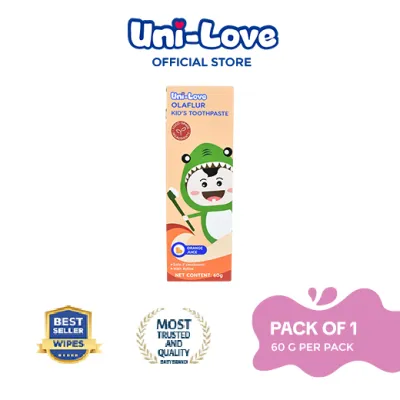
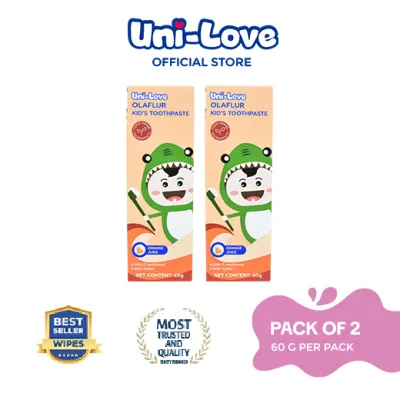
As you evaluate the market, you will encounter various specialized options, including uniqe toothpaste and other developmental oral care lines. When considering a product like Uniqe toothpaste, it is vital to cross-reference its specific ingredient list, age indications, and usage instructions with your child’s current developmental stage. Never assume a brand is universally suitable for all infants; instead, verify whether the specific formulation is designed for training, active cavity protection, or transition phases.
A Step-by-Step Selection Process for Your Child
Before heading to the store, assess your child’s physical progress. Count the number of erupted teeth and observe their ability to spit out water during bath time or handwashing. If your child still swallows everything put into their mouth, they are best suited for a training or fluoride-free formula. If they can reliably spit, you can begin looking at mild fluoride options.
Read the back of the packaging carefully. Filter out any products that contain artificial dyes, parabens, or SLS. Ensure the age range printed on the tube matches your child’s bracket. Additionally, check the brush compatibility; some toothpastes are formulated specifically for manual brushes, while others work with specialized silicone or electric brushes. Ensure there are no small, detachable parts on the packaging that could pose a choking hazard.
Consider how the toothpaste is packaged. Traditional squeeze tubes are common, but they can be difficult for toddlers to manage without creating a mess. Pump dispensers or gel formats can offer more controlled portioning, helping you stick to the recommended “smear” or “pea-sized” amount. Choose a format that fits easily into your daily routine and can be operated cleanly, especially during busy mornings or tiring bedtime schedules.
Children can be highly particular about taste and texture. Instead of buying a large multi-pack, purchase a single, small trial tube from a reputable local pharmacy or trusted online retailer. Let your child try it for a few days to monitor their reaction. Watch for any signs of oral discomfort, redness around the mouth, or outright refusal to brush, which may indicate that the flavor is too strong or an ingredient is causing mild irritation.
Establishing Safe Brushing Routines and Supervision
Using the right amount of toothpaste is critical for safety. For babies and toddlers under three years old, a tiny smear—no larger than a single grain of rice—is all that is needed on the brush. For children aged three and older who have learned to spit, transition to a pea-sized amount. Always refer to the product label or consult your pediatric dentist to confirm the correct portion for your child’s specific developmental stage.
Children do not develop the manual dexterity required to brush effectively on their own until they are around seven or eight years old. Active caregiver supervision is mandatory for all young children. You should physically assist with the brushing process, ensuring all tooth surfaces are reached, and closely monitor them to make sure they spit out the excess toothpaste rather than swallowing it.
Many baby toothpastes are formulated with sweet, appealing flavors to encourage brushing. Because of this, children may view toothpaste as a treat and attempt to eat it directly from the tube. Always store toothpaste tubes and oral care accessories in a high cabinet or a locked drawer out of your child’s reach. Accidental ingestion of large amounts of fluoride toothpaste can lead to stomach upset or more serious complications.
While most commercial baby toothpastes are formulated to be gentle, individual sensitivities can occur. If you notice signs of oral irritation, swelling of the gums or lips, a rash around the mouth, or if your child accidentally ingests a significant portion of a fluoride-containing tube, stop using the product immediately. Clean their mouth with fresh water and consult a qualified pediatrician or pediatric dentist for professional medical advice.
Frequently Asked Questions (FAQ)
Is it safe if my baby swallows a small amount of training toothpaste?
Yes, training toothpastes are specifically formulated to be fluoride-free and safe if swallowed in the tiny amounts recommended for daily brushing. Because infants and young toddlers have not yet developed the reflex to spit, these formulas omit fluoride and harsh chemicals to prevent digestive upset. However, you should still stick to the recommended rice-sized smear and supervise every brushing session. If your child manages to consume a large quantity of toothpaste directly from the tube, monitor them for signs of stomach discomfort and contact a healthcare professional if symptoms persist.
How often should I upgrade my child's toothpaste as they grow?
You should upgrade your child’s toothpaste based on physical milestones rather than strict chronological age. Key triggers for transitioning include the eruption of their first molars, which require more robust cavity protection, and their ability to reliably spit out liquid. Once your child can spit consistently, usually around age three, you can transition from a fluoride-free training paste to a mild fluoride toothpaste. Always inspect the label of the new product to verify its age suitability, ingredient safety, and usage instructions before making the switch.

Community discussion
Share your experience or ask a question. Comments are reviewed before publication.