
Selecting the right baby toothbrush is a foundational step in establishing a lifetime of healthy oral hygiene. Rather than relying solely on arbitrary age brackets printed on packaging, parents must evaluate their child’s unique physical development, oral milestones, and motor skills. In tropical environments like the Philippines, where high humidity can accelerate the growth of mold and bacteria on damp surfaces, choosing the correct materials and storage designs is also a critical health consideration. By matching the structural features of a toothbrush to your baby’s current teething phase, you can ensure effective plaque removal while protecting delicate oral tissues.
Introducing oral care early also helps desensitize your baby’s mouth, making future brushing sessions much easier to manage. The transition from simple gum stimulation to active brushing requires different tools, each designed to address specific anatomical changes. Understanding these developmental shifts allows you to select a safe, comfortable, and highly functional tool that supports your baby’s growing teeth and gums.
Identifying Your Baby's Current Teething and Developmental Stage
Before purchasing an oral care tool, observe your baby’s mouth to identify their current teething phase. The pre-teething stage, which typically spans from birth to around six months, is characterized by bare gums. During this period, oral care focuses on wiping away milk residue and soothing the gums. You may notice your baby drooling excessively, rubbing their gums with their fingers, or chewing on toys, which are common signs that the first teeth are preparing to erupt.
Products mentioned in this guide
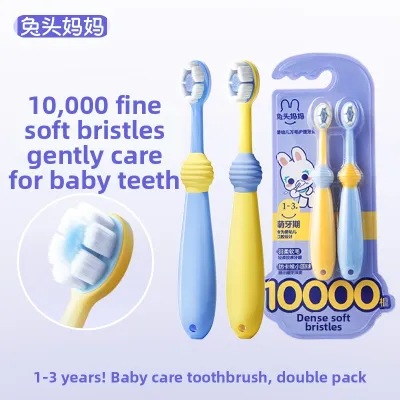
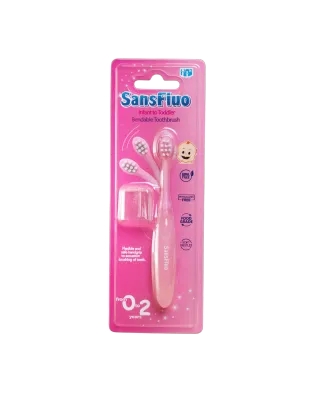
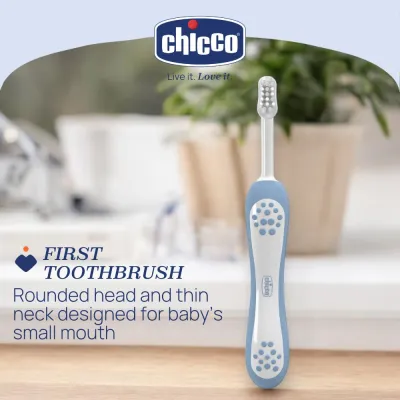

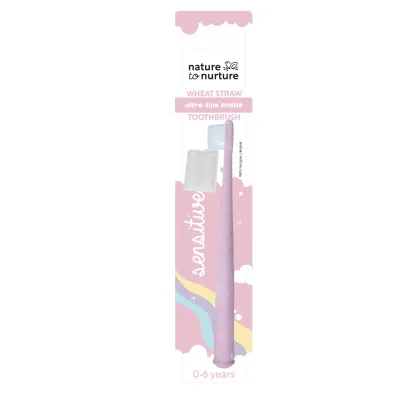
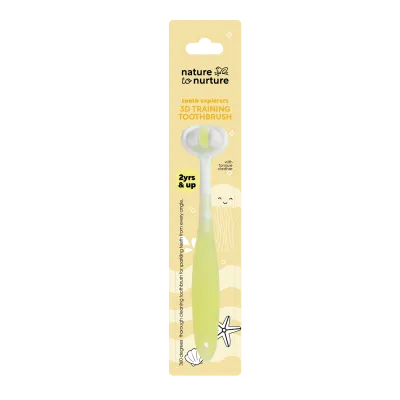
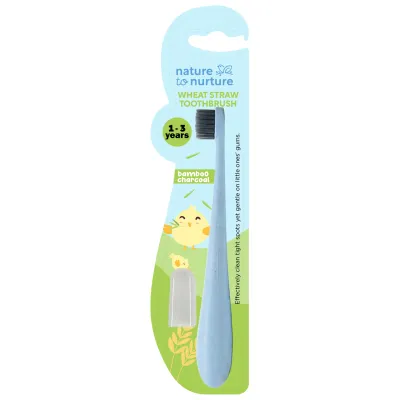
Prices are valid at publication and may change. Please refer to the product page for the latest price.
Once the first tooth bud breaks through the gum line—usually the lower central incisors between six and ten months—the requirements for oral care change. This initial eruption marks the transition from simple gum massage to active tooth cleaning. Even a single erupted tooth requires daily brushing to prevent early childhood caries, as plaque can begin accumulating immediately.
As your baby approaches twelve to twenty-four months, more teeth will begin to emerge in rapid succession, including the upper incisors, first molars, and canines. This stage often coincides with significant developments in your child’s motor skills. Your baby will transition from a primitive palmar grasp, where they hold objects with their entire fist, to a more coordinated grip. They may also show a strong desire to mimic your actions and attempt to hold the toothbrush themselves.
Transitioning between toothbrush categories should always be guided by these physical milestones rather than age alone. For instance, if your baby is eight months old but has not yet erupted a tooth, a textured silicone massager remains the most appropriate tool. Conversely, if a tooth emerges early at five months, you must immediately introduce a brush with soft bristles designed to clean around the contours of the tooth structure.
Matching Toothbrush Features to Specific Oral Milestones
Different teething stages require specific bristle materials to balance cleaning efficiency with comfort. For infants with bare or highly sensitive, swollen gums, silicone or elastomer brushes are ideal. These materials feature soft, rounded nubs that gently massage irritated gum tissue and wipe away loose debris without causing micro-abrasions. However, once teeth fully erupt, silicone lacks the flexibility and sweeping action needed to clean the tight spaces between teeth, making a transition to nylon bristles necessary.

When transitioning to nylon, look for brushes explicitly labeled as ultra-soft or extra-soft. A baby’s tooth enamel is significantly thinner and softer than adult enamel, making it highly susceptible to wear from stiff bristles. Ultra-soft nylon bristles bend easily under light pressure, allowing them to clean the delicate gingival margin and the grooves of newly erupted molars without scratching the enamel or irritating the surrounding gums.
Brush head dimensions must be carefully matched to the size of your baby’s oral cavity. A brush head that is too large will be difficult to maneuver in a small mouth, often bumping against the inner cheeks or triggering a sensitive gag reflex. Choose a compact, oval, or tapered brush head that can easily reach the back molars. Additionally, look for brush heads with rubberized or cushioned borders to protect the gums from accidental impacts during sudden movements.
Handle design is another critical feature that must align with who is performing the brushing. For caregiver-led brushing, a long, slender handle is necessary to give you the leverage and visibility needed to clean your baby’s teeth thoroughly. If your baby is transitioning to self-brushing, select a brush with a short, thick, and textured handle that fits securely in their small palm. Many early training brushes feature loop-shaped handles, which prevent the brush from slipping and help control the depth of insertion into the mouth.
Building a Conditional Shortlist for Your Baby's Needs
When shopping for a baby toothbrush on an online marketplace or in a physical store, you should establish a strict verification checklist. Always check the product packaging for explicit age-grading recommendations, which help ensure the brush head size and handle length are developmentally appropriate. Verify that the manufacturer clearly states the materials used are free from bisphenol A (BPA), phthalates, and other potentially harmful chemical additives.
Safety shields are an essential feature to look for, especially on training brushes designed for babies to hold. A safety shield is a wide, removable collar that attaches to the neck of the toothbrush, acting as a physical barrier that prevents the child from pushing the brush too far down their throat. If a brush is intended for independent exploration, verify that it includes this protective feature or has an integrated wide-handle design that serves the same purpose.
Parents often face the choice between purchasing individual, stage-specific brushes or multi-stage toothbrush kits. Multi-stage kits typically include a finger brush, a silicone training brush, and a soft-bristled nylon brush. While these kits offer convenience, you must inspect each component to ensure it meets safety standards. Individual purchases, on the other hand, allow you to select the highest quality tool for your baby’s immediate developmental stage without paying for components you may not use.
Avoid any products that exhibit clear red flags. These include brushes with stiff or uneven bristles, detachable decorative parts that could easily break off and present a choking hazard, or products that lack clear manufacturer labeling and safety certifications. If a product’s packaging does not specify the bristle stiffness or material composition, it is best to exclude it from your shortlist and choose a fully transparent brand.
Safety Boundaries, Hygiene, and Replacement Schedules
Maintaining strict hygiene practices for your baby’s toothbrush is vital to prevent the introduction of unwanted bacteria into their mouth. In the warm, humid climate of the Philippines, moisture can linger on toothbrush bristles for extended periods, creating an environment highly conducive to mold and bacterial growth. After every use, rinse the toothbrush thoroughly under clean, running water to remove all traces of food particles, milk residue, or infant toothpaste.
Store the toothbrush in an upright position in an open, well-ventilated area where it can air dry completely. Avoid using closed plastic travel caps or storing the brush in dark, enclosed cabinets for daily use, as these trap moisture and encourage microbial proliferation. Additionally, ensure the toothbrush is stored away from the toilet area to prevent airborne contamination.
Perform a visual inspection of your baby’s toothbrush before every use. Look closely at the base of the bristles for any signs of dark spots, discoloration, or mold accumulation. Inspect the bristles themselves to see if they are frayed, splayed, or falling out. Frayed bristles lose their cleaning effectiveness and can easily scratch your baby’s sensitive gums, while loose bristles pose a direct choking hazard.
Replace your baby’s toothbrush at least once every three months, or sooner if you observe any physical wear or structural damage. You should also replace the toothbrush immediately after your baby recovers from any viral or bacterial illness, such as a cold, flu, or throat infection, to eliminate the risk of reinfection. Always supervise your baby during oral care sessions, and never allow them to walk, run, or play while holding a toothbrush.
Frequently Asked Questions (FAQ)
When should I start using a bristled toothbrush instead of a silicone finger brush? (FAQ)
You should transition from a silicone finger brush to a soft-bristled toothbrush as soon as your baby’s first primary teeth fully erupt through the gums. While silicone finger brushes are excellent for massaging sore gums and cleaning early tooth buds, they lack the fine, flexible bristles required to sweep away plaque from the sides and crevices of fully emerged teeth. When making this transition, verify that the new brush is labeled as ultra-soft or extra-soft and features a compact head size suitable for your baby’s current age group.
Is it safe to use a regular toddler toothbrush for a baby with just a few teeth? (FAQ)
It is generally not advisable to use a standard toddler toothbrush for an infant who only has a few erupted teeth. Toddler toothbrushes are designed for larger oral cavities and often feature slightly firmer bristles and larger heads that can easily bruise an infant’s delicate gums or trigger a gag reflex. Furthermore, toddler brushes may lack the integrated safety shields or wide-handle designs necessary to prevent accidental over-insertion and choking. Always verify the age grading on the packaging and select a brush specifically designed for infants to ensure maximum safety and comfort.

Community discussion
Share your experience or ask a question. Comments are reviewed before publication.