
Selecting the right baby rocker for your baby girl involves balancing immediate safety, ergonomic support, and everyday practicality. While aesthetic choices like soft pastel colors, floral patterns, or minimalist neutral designs help the gear blend beautifully into your nursery, the primary focus must always remain on structural integrity. A reliable rocker must feature a secure multi-point harness, a wide and stable base that resists tipping, and breathable fabrics suited for warm, humid climates. Because every manufacturer design varies, parents should always verify weight limits, age recommendations, and safety certifications directly from the product’s physical labels and official manuals rather than relying solely on online promotional descriptions.
By focusing on verified features rather than marketing claims, you can find a rocker that provides a secure, comfortable space for your little one to relax while giving you peace of mind during supervised use.
Essential Safety Features to Verify Before Buying
Safety is the absolute priority when selecting any piece of baby gear, and baby rockers require close inspection of their physical components. A secure, multi-point harness system is non-negotiable for keeping your baby girl safely positioned. Look for a three-point or five-point harness made of durable, tightly woven webbing that resists fraying. The buckle mechanism should require a firm, deliberate press from an adult to release, ensuring that curious little fingers or sudden movements cannot accidentally undo the clasp. Adjustability is equally important; the straps must adjust easily to fit snugly over your baby’s shoulders and around her waist, preventing her from slumping forward or sliding sideways.
Products mentioned in this guide
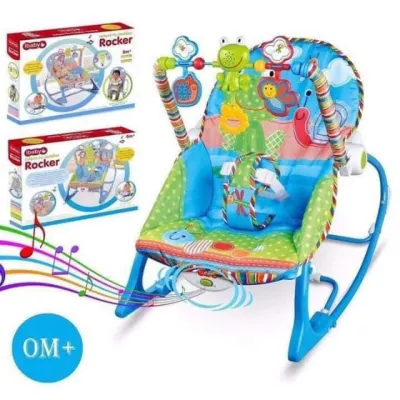
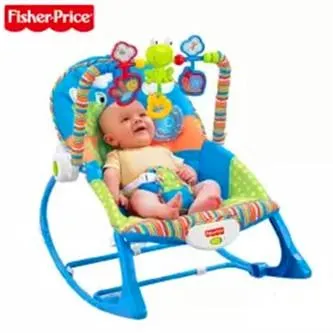
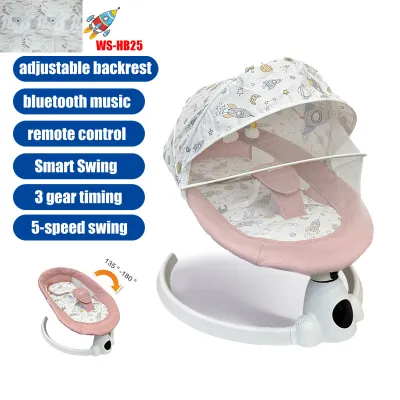
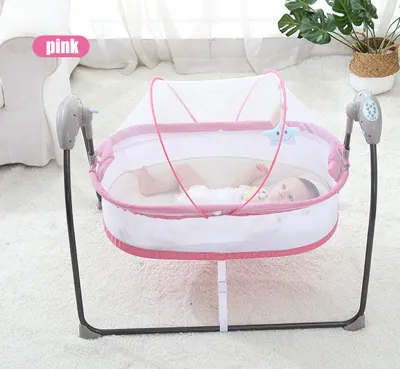
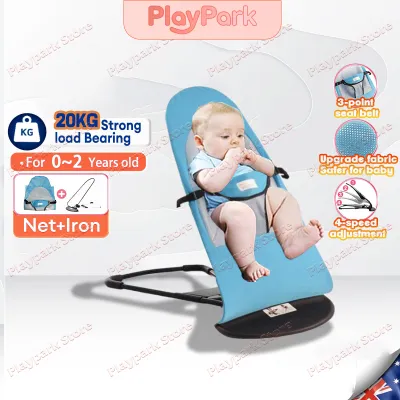
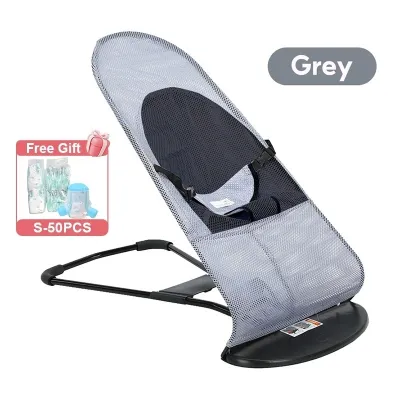
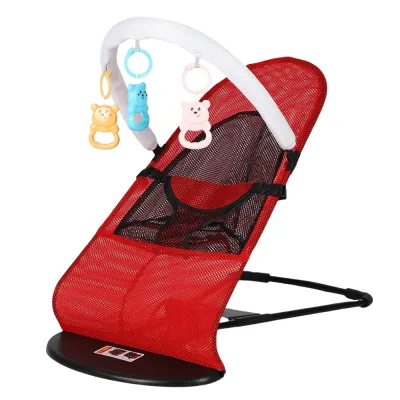
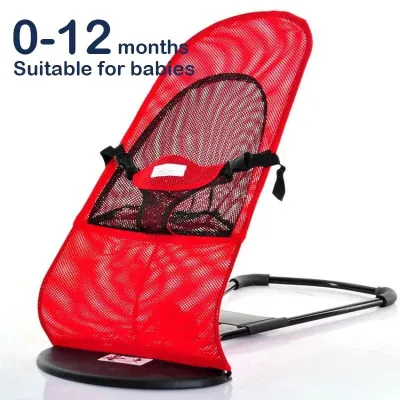
Prices are valid at publication and may change. Please refer to the product page for the latest price.
The base of the rocker dictates its overall stability and must be evaluated carefully. A wide, low-profile stance is highly effective at distributing weight evenly and preventing the unit from tipping over during active movement. When examining a rocker, check the underside of the frame for robust, non-slip rubber grips or feet. These grips are essential for maintaining traction on typical household flooring, such as polished ceramic tiles, smooth marble, or varnished hardwood. A stable base ensures that the rocker remains firmly in place, even when your baby wiggles or when you apply a gentle manual rocking motion.
Every baby rocker is engineered to support a specific range of physical development, and exceeding these limits poses significant safety risks. Always locate the manufacturer’s explicitly stated weight, age, and developmental thresholds before purchase. These limits are not mere suggestions; they represent the boundaries of the product’s structural testing. It is critical to note that you must stop using the rocker as soon as your baby girl reaches the maximum weight limit or begins to show signs of rolling over, pushing up on her hands and knees, or sitting up unassisted. These developmental milestones alter her center of gravity, making the rocker susceptible to tipping.
Rather than relying on online product descriptions or retail advertisements, make it a habit to physically verify safety compliance. Look for official certification marks, safety tags, and warning labels sewn directly into the fabric or stamped onto the metal frame. These physical markings indicate that the product has undergone standardized testing for structural integrity, chemical safety, and flame resistance. If a rocker lacks clear, permanent safety labeling or does not include a comprehensive instruction manual detailing safety warnings, it is best to exclude it from your shortlist.
Comfort and Ergonomic Support for Your Baby
An effective baby rocker must support your baby girl’s developing body while keeping her comfortable. The seat’s structural design should offer a balance of firm support and gentle contouring. Newborns and young infants lack the muscle strength to support their own heads, making proper head, neck, and spine alignment critical. Avoid rockers with excessively deep, hammock-like seats that cause the baby’s chin to slump toward her chest, as this posture can restrict her airway. Instead, prioritize a firm backrest with dense, supportive padding that maintains the natural curve of her spine.

The rocking motion itself is a key factor in how well the rocker will soothe your baby. Rockers generally fall into two categories: manual models that bounce or rock in response to the baby’s own movements or a gentle push, and powered models that offer automated motion. Automated options often feature side-to-side swaying or front-to-back gliding. If you opt for a powered model, ensure it offers adjustable speed and intensity settings. Every baby has unique preferences; some are easily calmed by a slow, rhythmic sway, while others prefer a gentle vertical bounce. Having multiple settings allows you to customize the experience to match your baby’s mood.
In tropical and highly humid climates, fabric selection directly impacts your baby’s comfort and skin health. High temperatures and humidity can cause heat to build up quickly in a semi-enclosed seat, leading to discomfort and skin issues like prickly heat or friction rashes. Look for breathable, lightweight, and hypoallergenic fabrics that promote continuous airflow. Mesh side panels are highly beneficial, as they allow air to circulate freely around the baby’s back and sides. Avoid heavy synthetic materials that trap moisture and heat, opting instead for soft, moisture-wicking textiles that keep your baby cool and dry.
As your baby girl grows, her seating needs will change rapidly. A rocker with adjustable recline positions offers excellent versatility, allowing her to lie in a semi-reclined position when relaxing under your supervision, or sit slightly more upright as she becomes more curious about her surroundings. Removable infant inserts are also highly valuable; these padded cushions provide extra lateral support for tiny newborns and can be easily removed to create more space as she gains better head and torso control. This adaptability ensures the rocker remains comfortable and supportive throughout its usable lifespan.
Aesthetic and Practical Choices for a Baby Girl
While safety and comfort are paramount, the visual design and daily maintenance of the rocker are also important considerations. When exploring aesthetic options for a baby girl, you will find a wide array of color palettes, patterns, and nursery themes. Whether you prefer classic pastel pinks, delicate floral prints, modern geometric patterns, or neutral tones like sage green and warm cream, ensure the fabrics are treated with non-toxic, colorfast dyes. High-quality dyes prevent the colors from bleeding during washing and, more importantly, ensure that no harmful chemical residues come into contact with your baby’s sensitive skin.
Practical maintenance is a daily necessity when caring for an infant. Spills, spit-ups, drool, and diaper leaks are inevitable occurrences that require quick and thorough cleaning. Prioritize rockers that feature a fully removable, machine-washable seat cover. Before buying, check how the cover attaches to the frame; designs with simple snaps or zippers are much easier to remove and reassemble than those requiring complex strap threading. Additionally, the rocker’s frame should feature smooth, non-porous surfaces—such as wipeable plastics or powder-coated metals—that can be easily sanitized with a damp cloth and mild baby-safe soap.
The physical footprint and portability of the rocker determine how easily it fits into your daily routine. If you live in a home with cozy rooms or need to move the rocker frequently between the living area, kitchen, and bedroom, a lightweight and compact design is highly advantageous. Some models feature a quick-fold mechanism that allows the rocker to collapse flat. This is incredibly useful for storing the unit behind a door, under a crib, or in a closet when it is not in active use, helping you maintain an organized, clutter-free living space.
Many modern rockers come equipped with extra sensory features designed to entertain or soothe your baby. These may include removable toy bars with hanging plush figures, built-in music players that stream lullabies, or gentle vibration units built into the seat. While these features can be highly engaging, ensure they are fully adjustable. The toy bar should be easy to detach so you can place your baby in the seat without obstruction. Music and vibration functions must have clear volume and intensity controls, as well as an independent off switch, allowing you to prevent overstimulation and create a calm environment when it is time for your baby to wind down.
How to Build Your Shortlist and Verify Product Specs
To make an informed and confident purchase, it is helpful to establish a systematic evaluation process. Begin by creating a personalized comparison checklist tailored to your household’s specific needs. Factor in your available floor space, your primary usage scenarios, and your budget in Philippine Pesos (₱). By listing your must-have features—such as a specific harness type, fabric breathability, or foldability—you can systematically compare different models and eliminate those that do not meet your core criteria.
Once you have identified a few promising models, cross-reference the information provided in online retail listings with the manufacturer’s official documentation. Online product descriptions can sometimes contain typographical errors or outdated specifications. Download the official user manual from the manufacturer’s website to verify the exact weight limits, battery or power adapter requirements, and warranty terms. Checking the manual beforehand also gives you a clear understanding of how complex the assembly process is and whether any specialized tools are required.
During your evaluation, be vigilant for immediate red flags that indicate a product may not be suitable or safe. Avoid any rocker that lacks a secure harness system, features extremely soft or unstructured seating that allows a baby to slump, or has a narrow, lightweight base that seems prone to tipping. Unclear or missing age and developmental recommendations are also major warning signs. Investing in a reputable brand that provides transparent safety information and accessible customer support is always a wiser choice for your baby’s well-being.
Finally, keep in mind that standard commercial baby rockers are designed for typically developing infants. If your baby girl has specific medical conditions, physical challenges, severe acid reflux, or developmental delays, standard gear may not provide the specialized support she requires. In these situations, do not rely on standard product features. Plan to stop and consult your pediatrician or a qualified pediatric physical therapist, who can recommend specialized positioning aids or verify if a specific commercial rocker is safe for your baby’s unique health needs.
Frequently Asked Questions (FAQ)
Can a baby sleep overnight in a rocker?
No, a baby should never be allowed to sleep overnight or unsupervised in a baby rocker. Pediatric health organizations worldwide strongly advise against allowing infants to sleep on inclined surfaces, including rockers, swings, and bouncers. The inclined position of a rocker allows a baby’s head to tilt forward onto her chest, which can compress her soft airway and lead to positional asphyxia. Additionally, the soft, padded sides of a rocker pose a suffocation risk if the baby turns her head. Rockers are designed strictly for supervised, awake soothing and play. If your baby girl falls asleep while in the rocker, you should immediately transfer her to a flat, firm sleep surface, such as a crib or bassinet, to ensure safe sleep.
When should I stop using the baby rocker?
You must stop using the baby rocker as soon as your baby girl reaches the manufacturer’s maximum weight or height limit, or when she hits key developmental milestones—whichever comes first. The physical weight limit is a strict safety boundary; exceeding it can compromise the structural integrity of the frame or the tension of the seat fabric. More importantly, you must discontinue use immediately if your baby begins attempting to sit up unassisted, roll over, or push herself up on her hands and knees. These movements indicate that she has gained the strength and mobility to shift her weight significantly, which dramatically increases the risk of the rocker tipping over or her falling out of the seat.

Community discussion
Share your experience or ask a question. Comments are reviewed before publication.