
When introducing solid foods to your baby, selecting the right baby plate is a crucial step that directly impacts how smoothly mealtimes go. The ideal baby plate should prioritize a strong suction base to prevent accidental spills, food-safe and durable materials that can withstand daily wear, and appropriate physical dimensions that fit your specific highchair tray. Additionally, practical features like built-in dividers can help separate different food textures and flavors, making the transition to solids more manageable for both you and your little one. As you begin this exciting milestone, always remember that checking manufacturer labels, age recommendations, and care instructions is essential for verifying safety and compatibility claims before purchase.
The transition to solid foods, often starting around six months of age depending on your baby’s developmental readiness, is a period of rapid learning. During this stage, babies are not just learning how to swallow new textures; they are also developing their fine motor skills, hand-eye coordination, and sensory processing. This developmental phase naturally involves a lot of exploration, which frequently translates to grabbing, dropping, and throwing objects within reach. A specialized plate designed specifically for infants can help manage these challenges, turning what could be a chaotic cleanup session into a constructive learning experience.
Why the Right Baby Plate Matters for First Solid Foods
Mealtimes with a baby starting solids are rarely neat, as exploration is a fundamental part of how infants learn about food. At around six months old, babies naturally want to touch, squeeze, and throw their food to understand its texture, weight, and behavior. Without a stable plate, a simple swipe of a tiny hand can send an entire meal sliding onto the floor, leading to wasted food and increased caregiver stress. A plate designed specifically for this developmental stage helps keep the food in one place, allowing your baby to focus on the actual mechanics of eating.
Products mentioned in this guide
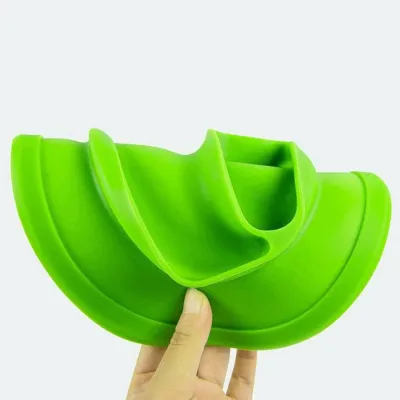
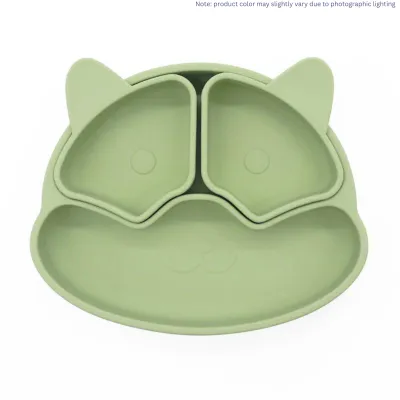
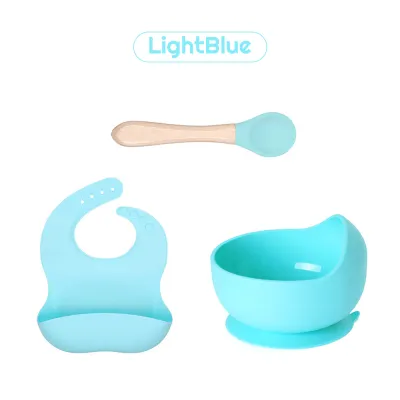
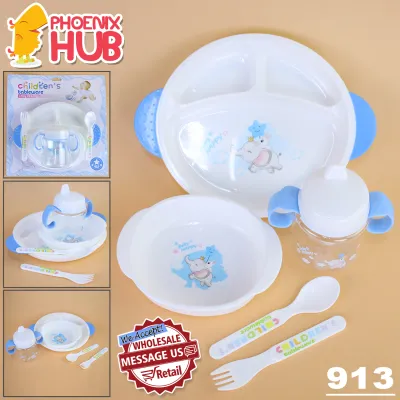

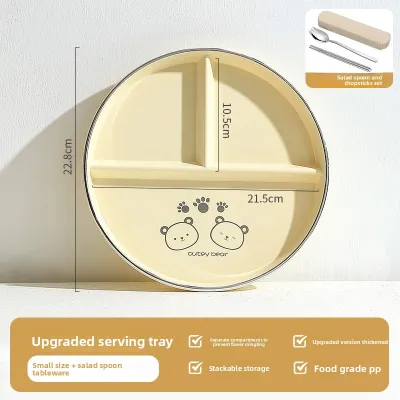
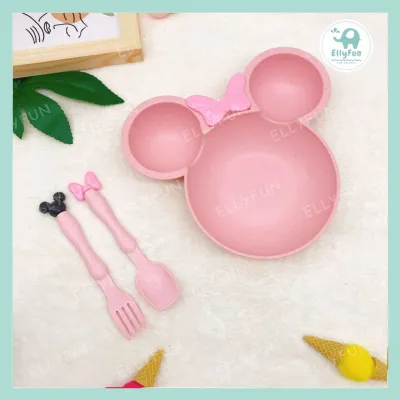
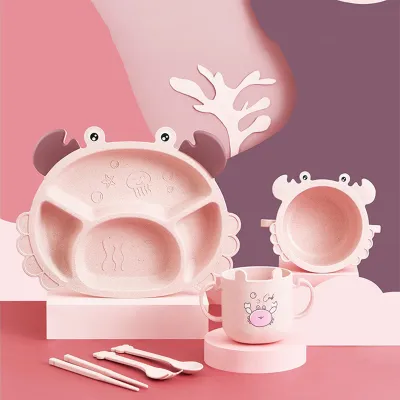
Prices are valid at publication and may change. Please refer to the product page for the latest price.
Using a suitable baby plate also plays a significant role in supporting your baby’s developing motor skills. As infants transition from drinking milk to scooping up soft foods like mashed squash or rice porridge, they need physical boundaries to help them guide food onto their spoons or into their fingers. Plates with raised, curved walls provide a surface for babies to push food against, making it easier to scoop. This design encourages self-feeding and builds confidence, helping your baby practice independent coordination during every meal.
While it can be tempting to choose tableware based on cute animal shapes, bright colors, or trendy designs, safety and stability must always take precedence. A novelty plate that easily tips over or cannot be sanitized properly will quickly become a source of frustration. Focusing on functional design ensures that the plate serves its primary purpose: keeping food secure and accessible while your baby learns. Always supervise your baby during meals to ensure they are using the tableware safely and to monitor their feeding progress.
Must-Have Features for a Beginner Baby Plate
As babies transition from an all-liquid diet of breast milk or formula to solid food textures, the tools they use must adapt to their limited coordination. The physical design of their tableware directly influences how easily they can navigate this learning curve. A plate that is too deep may block their view of the food, while one that is too flat allows food to slide off the edges easily.

When evaluating options, caregivers should focus on three critical dimensions: base stability, material composition, and physical dimensions. Each of these features addresses a specific challenge of early feeding, from preventing intentional flips to ensuring the material does not degrade under daily washing. By understanding what to look for in these categories, you can make an informed choice that fits your household’s daily routine.
Suction Base and Stability
A reliable suction base is arguably the most important feature of a beginner baby plate. This mechanism typically consists of a silicone or rubber suction cup integrated into the bottom of the plate, which adheres to flat surfaces by creating a vacuum seal. When pressed down firmly, the air is pushed out, making it difficult for a baby to lift, flip, or slide the plate off their highchair tray. This stability is crucial for preventing sudden spills and keeping the meal within your baby’s reach.
However, the effectiveness of a suction base depends heavily on the surface it is placed on. Standard suction plates adhere best to completely smooth, clean, and non-porous surfaces, such as plastic highchair trays or polished glass tables. If your highchair tray has a textured finish, a matte surface, or is made of unsealed wood, the suction seal may not hold securely because air can seep underneath the base. Before purchasing, it is wise to check product descriptions or user reviews to see how well a specific plate adheres to different materials, especially if you have a textured highchair tray at home.
It is also important to recognize that suction strength is not permanent and can decrease over time. Exposure to high heat, harsh detergents, or physical wear can warp the suction base, preventing it from forming a tight seal. Regular checks are necessary to ensure the suction remains functional, and caregivers should follow the manufacturer’s cleaning guidelines to prolong the plate’s lifespan. If you notice the plate sliding easily despite proper cleaning, it may be time to replace it to maintain a safe and frustration-free feeding environment.
Safe and Durable Materials
When selecting a baby plate, the material composition is a primary safety consideration. The most common materials available on the market include food-grade silicone, bamboo, and stainless steel, each offering distinct physical properties. Food-grade silicone is highly popular because it is soft, flexible, unbreakable, and gentle on developing gums. Stainless steel is exceptionally durable and resistant to scratching, while bamboo offers a lightweight, aesthetic option that is often paired with a removable silicone suction base.
Caregivers must actively verify that any plate they consider is explicitly labeled as food-safe and free from harmful chemical additives, such as bisphenol A (BPA), phthalates, and lead. Do not rely on visual cues, brand names, or marketing slogans to assume a material is safe. Instead, examine the physical packaging, product labels, or the manufacturer’s official specifications for explicit safety declarations and compliance with recognized food safety standards. This verification step is crucial for ensuring that no unwanted substances leach into your baby’s warm food.
In tropical climates like the Philippines, environmental factors such as high humidity can also influence your choice of material. Organic materials like bamboo or wood require meticulous care; if they are not dried thoroughly after washing, they can trap moisture, leading to mold, mildew, or structural cracking over time. Silicone and stainless steel, by contrast, are non-porous and highly resistant to moisture-related degradation, making them easier to maintain in humid conditions. Always prioritize materials that align with your ability to clean and dry them properly according to the manufacturer’s instructions.
Size, Depth, and Dividers
The physical dimensions and layout of a baby plate directly affect how easily your baby can interact with their food. For beginners, plates with shallow depths and curved, sloped interior edges are highly recommended. These sloped walls act as a natural barrier, allowing babies to push soft foods against the side of the plate to guide it onto their spoons or fingers. Flat plates make scooping incredibly difficult for infants who are still mastering their fine motor skills.
Divided plates, which feature separate compartments, are highly useful during the early stages of weaning. When introducing solid foods, you will often present different textures and flavors individually, such as a portion of mashed vegetables alongside a soft grain. Dividers prevent these foods from mixing, which is particularly helpful for identifying specific food preferences and monitoring potential allergen reactions. Keeping foods separate also allows babies to explore distinct tastes and textures one at a time, supporting their sensory development.
Before finalizing your purchase, always measure your highchair tray and compare it to the plate’s dimensions. A plate that is too large or has an awkward shape may not sit completely flat on a compact highchair tray. If any part of the suction base hangs over the edge of the tray or rests on a curved border, the vacuum seal will fail completely, rendering the suction feature useless. Checking the footprint of the plate ensures a secure fit and reliable stability during meals.
Practical Considerations for Daily Use and Cleaning
Beyond safety and stability, the practicalities of daily maintenance play a major role in how satisfied you will be with a baby plate. Because your baby will eat multiple times a day, you will be washing, drying, and storing this plate constantly. A design that is difficult to clean or requires high-maintenance care can quickly become a chore.
When choosing a plate, consider how it fits into your existing kitchen routine. Features like heat compatibility, dishwasher safety, and ease of storage can save you significant time and effort. Evaluating these practical aspects beforehand helps ensure that the plate remains a convenient tool rather than a daily hassle.
Dishwasher, Microwave, and Oven Compatibility
Verifying how a baby plate responds to heat is essential for both convenience and safety. Caregivers should always consult the manufacturer’s care instructions to determine if a plate is dishwasher safe, and if so, whether it must be placed exclusively on the top rack. High temperatures in dishwashers can warp certain plastics or degrade suction bases, so adhering to these guidelines is critical for preserving the plate’s structural integrity.
It is equally important to check microwave and oven compatibility before attempting to heat food directly on the plate. While many pure food-grade silicone plates can withstand microwave heating, plates made of bamboo, wood, or those containing rigid plastic inner cores should never be microwaved, as this can cause cracking, scorching, or the release of unwanted chemicals. If a plate is not explicitly labeled as microwave-safe by the manufacturer, always heat the food in a separate, compatible container first, transfer it to the baby plate, and thoroughly stir and test the temperature to prevent hot spots that could burn your baby’s mouth.
If you prefer hand-washing, look for plates with smooth, seamless designs that do not have deep crevices or tight corners where food particles can become trapped. In warm, humid environments, tiny food remnants left in hard-to-reach spots can quickly breed bacteria or mold. A simple, open design with minimal seams is much easier to scrub clean with mild dish soap and a soft sponge, ensuring a hygienic surface for every meal.
Portability and Storage
For families who travel, visit relatives, or dine out, portability is another key factor to consider. Lightweight plates that fit easily into a diaper bag make feeding on the go much more manageable. Some baby plates are designed with stackable shapes, allowing you to store multiple units efficiently in your kitchen cabinets without taking up excessive space.
Additionally, some plates come equipped with matching, snug-fitting travel lids. These lids are incredibly practical for prepping meals in advance, storing leftovers directly in the refrigerator, or packing snacks for a day out. When dining away from home, you cannot always guarantee that restaurant highchairs or tables will have the perfect smooth surface for suction. Choosing a lightweight yet sturdy plate ensures that even if the suction cannot engage fully on an uneven wooden table, the plate remains functional and easy for you to hold in place if necessary.
How to Build Your Baby Plate Shortlist
With so many options available in local baby boutiques and online marketplaces, building a shortlist requires a systematic approach. Start by filtering your choices based on non-negotiable safety criteria: look for products that explicitly state they are made from food-safe, non-toxic materials and feature a robust suction base. This initial filter eliminates low-quality options that may pose safety risks or fail to stay secure during mealtimes.
Next, narrow down your list by checking compatibility with your specific home setup. Measure your highchair tray’s flat surface area and compare it to the dimensions of the plates on your list. At this stage, you should also consider your cleaning preferences; if you rely heavily on a dishwasher or microwave, remove any plates that require strict hand-washing or are not heat-tolerant. This step ensures that the plates you choose will integrate seamlessly into your daily household routine.
Once you have a few compatible options, cross-reference the official product descriptions with recent, detailed buyer reviews on ecommerce platforms. Look specifically for feedback regarding how well the suction holds over several months of use, whether the material tends to retain food odors or stains (such as from tomato-based sauces or bright orange vegetables), and how easy it is to clean the corners. Real-world feedback from other parents is invaluable for identifying minor design flaws that might not be apparent from product photos alone.
Finally, verify the seller’s return policy and warranty terms before making your purchase, particularly when buying from online marketplaces. Because suction performance can vary depending on the specific material of your highchair tray, having the option to return or exchange the plate provides peace of mind. By following this structured evaluation process, you can confidently select a durable, safe, and practical baby plate that supports your little one’s exciting journey into solid foods.
Frequently Asked Questions (FAQ)
How do I get the suction base to stick properly to the highchair tray?
To achieve the best possible suction, start by thoroughly cleaning both the suction base of the plate and the surface of the highchair tray with mild dish soap and warm water to remove any invisible grease, dust, or soap residue. Dry both surfaces completely, as moisture can sometimes cause the plate to slide and break the vacuum seal. Place the plate on the tray and press down firmly directly in the center of the plate to force out all the trapped air from underneath the base. Keep in mind that if your highchair tray is heavily scratched, warped, or has a textured or matte finish, it may be impossible to form a perfect vacuum seal, regardless of the quality of the plate’s suction base.
Can I use a regular plate instead of a specialized baby plate for starting solids?
While you can technically use a standard household plate, doing so significantly increases the likelihood of messy spills, broken tableware, and mealtime frustration. Regular ceramic or glass plates are heavy and fragile, posing a safety hazard if your baby decides to throw or pull them off the table. Furthermore, standard plates usually have flat surfaces and low, straight edges, which make it very difficult for a beginner baby to scoop up food using their hands or a spoon. Specialized baby plates are designed with shatterproof materials, suction bases to prevent tipping, and curved walls that assist with early self-feeding, making them a highly practical investment that supports your baby’s motor skill development.

Community discussion
Share your experience or ask a question. Comments are reviewed before publication.