
Weaning is a significant milestone in your child’s first year, marking the transition from an all-liquid diet to a world of diverse textures and flavors. Choosing the right baby food eating set and water cup is not just about finding cute designs; it is about matching these tools to your baby’s physical development. The ideal tableware supports their developing motor skills, protects sensitive gums, and encourages self-feeding while minimizing mealtime frustration.
By aligning your purchases with specific developmental stages, you can create a safe, engaging, and successful transition to solid foods. Every baby develops at their own pace, so observing their physical readiness is key. Before introducing any eating set, ensure your baby can sit upright with minimal support and shows active interest in food.
Why Matching Tableware to Weaning Stages Matters
The journey of learning to eat solids is closely tied to a baby’s physical and neurological milestones. In the beginning, a baby’s oral motor skills are limited to sucking and swallowing liquids. As they reach about six months of age, they begin to develop the ability to move food from the front of the mouth to the back, which is essential for swallowing purees. Using a baby food eating set designed specifically for this initial stage ensures that the physical dimensions of the bowls and spoons do not overwhelm their small mouth and limited coordination.
Products mentioned in this guide
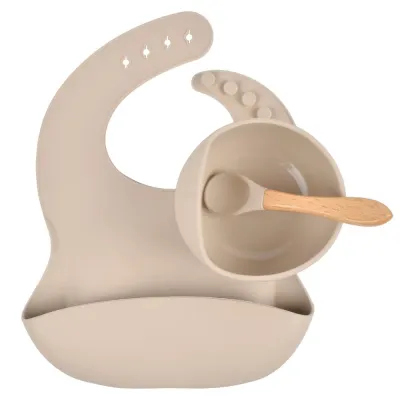
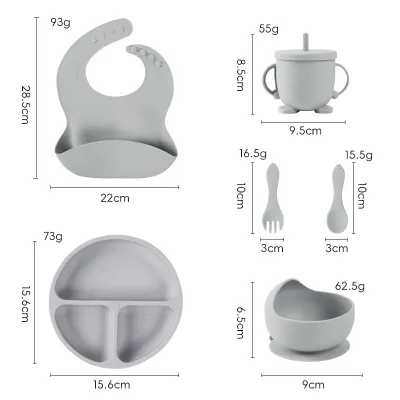
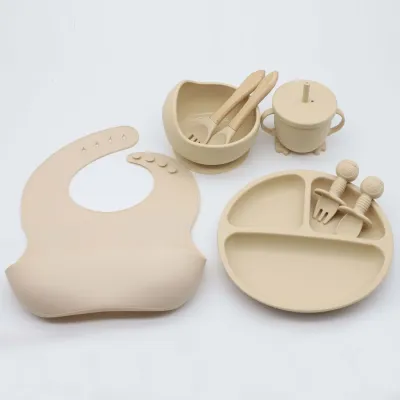
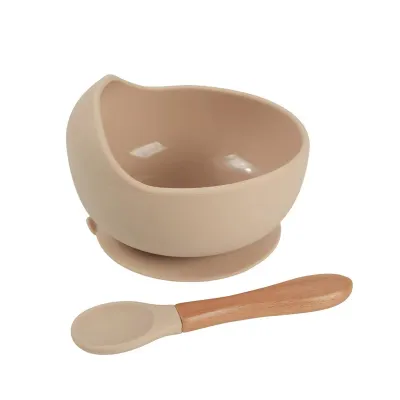
![[Same Day Ship] 3Pcs/Set Baby Dinnerware Anti-hot Wheat Training Plate Baby Feeding Bowl Set Tableware Plates with Spoon and Fork](https://img.lazcdn.com/g/p/9cda1e044dc592f7b066dd13eb7d6311.jpg_400x400q80.jpg_.webp)
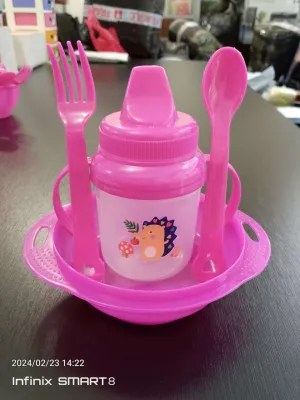
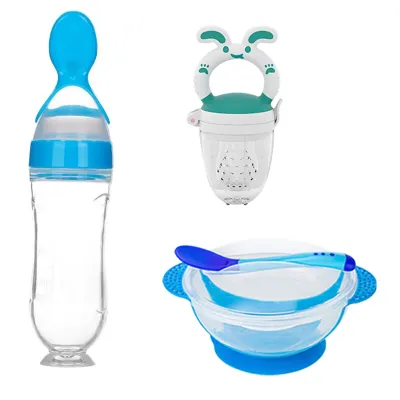
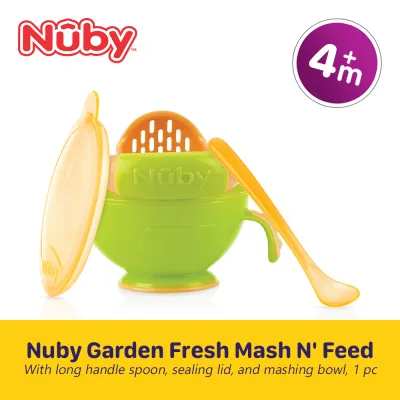
Prices are valid at publication and may change. Please refer to the product page for the latest price.
As babies grow, their grasping patterns evolve dramatically. Around six to eight months, most babies use a palmar grasp, wrapping their entire hand around an object to pick it up. Later, usually between nine and twelve months, they transition to a pincer grasp, using their thumb and index finger to pick up smaller pieces of food. Tableware must adapt to these shifting physical capabilities. For instance, a spoon with a thick, rounded handle accommodates a palmar grasp, while a shallow plate makes it easier for a baby practicing the pincer grasp to slide finger foods off the surface.
Matching tools to development also plays a crucial role in reducing mealtime frustration and preventing choking risks. If a spoon is too deep or wide, a baby cannot clear the food off it effectively, which can lead to gagging or refusal to eat. Similarly, if a cup flows too quickly, it can cause sputtering and airway irritation. By observing your baby’s unique pace and providing age-appropriate tools, you foster a positive association with eating, encourage independence, and support safe oral motor development without forcing milestones before their muscles are ready. If you notice persistent feeding difficulties, coughing, or distress during meals, stop use of the tools and consult a pediatrician or a pediatric feeding specialist.
Best Baby Food Eating Set Features for Each Weaning Stage
Selecting the right tableware requires looking closely at the design features of bowls, plates, and utensils. As your baby moves from their first spoonful of puree to handling family meals, their needs will shift from passive feeding to active exploration and self-feeding.

Early Weaning (Around 6 Months): First Tastes
During the initial stage of weaning, which typically begins around six months of age, the primary goal is introducing very simple textures like smooth purees or mashed single ingredients. At this stage, parents are usually doing most of the feeding, so the tableware should be comfortable for the caregiver to hold while remaining safe for the baby’s sensitive mouth. Look for shallow, small-capacity bowls that hold just a few tablespoons of food. These smaller bowls allow you to see exactly how much your baby is consuming and make it easier to scoop up every last drop without awkward angles.
The spoon is the most critical tool during early weaning. Standard adult spoons or hard plastic alternative utensils can easily bruise a baby’s delicate gums or disrupt their natural swallowing reflex. Instead, choose soft-tipped, narrow spoons made of food-grade silicone. The spoon bowl should be shallow enough that the baby can easily clear the food with their upper lip. A narrow design ensures the utensil fits comfortably within their small oral cavity without triggering a gag reflex.
Keep the designs as simple as possible during these first few weeks. Single-compartment bowls and plates are ideal because early meals rarely involve complex combinations. There is no need for divided plates or elaborate suction bases yet, as the baby is not yet trying to scoop food independently. Focus entirely on comfort, safety, and establishing a gentle, low-pressure feeding routine.
Middle Weaning (7–9 Months): Self-Feeding Practice
As babies reach seven to nine months, they often show a strong desire to grab the spoon and feed themselves. This stage is characterized by high curiosity, emerging coordination, and a lot of mess. To support this transition, your baby food eating set needs features that withstand active physical exploration. This is the stage where suction bases on bowls and plates become absolutely essential. A strong suction mechanism keeps the dish firmly attached to the highchair tray, preventing the baby from lifting, tipping, or throwing their meal across the room.
Utensils also need to change to match the baby’s developing palmar grasp. Standard straight spoons can be difficult for a baby to navigate because they require complex wrist rotation to get the food into the mouth. Look for angled spoons or utensils with short, chunky, textured handles. These designs are much easier for small hands to grip securely and help guide the food toward the mouth with minimal wrist movement. Some starter spoons feature textured heads that hold purees or thick mashes through surface tension, allowing the baby to practice the motion of eating without needing to balance a loose scoop of food.
This is also the perfect time to introduce divided plates. As you offer a wider variety of textures and flavors—such as soft finger foods alongside thicker purees—divided sections keep different items separate. This separation helps babies identify distinct flavors and textures visually and texturally, which can reduce selective eating tendencies and make mealtime more engaging.
Late Weaning (10+ Months): Independent Eating
By ten months and beyond, many babies have developed a refined pincer grasp and are becoming much more adept at self-feeding. Their hand-eye coordination has improved significantly, and the urge to throw tableware on the floor generally begins to subside. At this point, you can gradually transition toward sturdier, non-suction plates and bowls. This transition helps prepare them for standard family dining and teaches them to stabilize their dishes with their non-dominant hand while scooping with the other.
Utensils for this stage should mimic adult cutlery but remain scaled down for toddler-sized hands. Transition from soft silicone spoons to those with firmer heads, such as food-grade stainless steel with ergonomic silicone or plastic handles. The firmer edge of a stainless steel spoon or a blunt fork allows your child to pierce soft fruits, vegetables, and grains more effectively, which is difficult to do with highly flexible silicone. Ensure the handles are still thick and easy to grip, supporting their transition to a more mature finger-grip pattern.
Introducing regular, open family tableware in small, controlled steps builds advanced fine motor skills. You can start by offering small, durable, non-toxic side bowls during snack times. This inclusion at the family table fosters a sense of independence and encourages your child to copy the eating habits of older siblings and parents, reinforcing positive mealtime behaviors.
How to Choose the Right Water Cup for Oral Development
Introducing water is an essential part of the weaning process, typically starting around six months alongside solid foods. However, the type of cup you choose can have a lasting impact on your baby’s oral motor development, swallowing patterns, and dental health.
Starter Spout and Sippy Cups (6–9 Months)
When first transitioning from a breast or bottle, a baby must learn that liquids can come from sources other than a nipple. Starter spout cups or soft-tipped sippy cups can serve as a helpful bridge during this early phase. Look for cups equipped with soft, flexible silicone spouts and large, easy-to-grip double handles. These handles allow your baby to use both hands to lift and tilt the cup, which helps build bilateral coordination.
It is crucial to verify the flow rate on these starter cups. Always check the manufacturer’s packaging and instructions to ensure the cup features a controlled, slow-flow valve. A flow rate that is too fast can overwhelm a young baby’s swallowing coordination, leading to coughing, sputtering, or swallowing excessive air, which can cause painful gas. Conversely, a valve that requires too much suction can encourage unnatural biting habits.
Avoid hard plastic spouts entirely during this stage. Hard spouts do not yield to the baby’s mouth and can place pressure on emerging teeth and developing palate structures. Furthermore, prolonged use of hard sippy cups can promote a persistent immature sucking pattern, rather than encouraging the mature tongue-tip elevation needed for proper swallowing and speech development.
Straw and Open Cups (9–12+ Months)
As your baby approaches nine to twelve months, pediatric feeding specialists generally recommend transitioning to straw cups and open cups. Drinking from a straw requires a completely different set of oral muscles than bottle-feeding or using a traditional sippy cup. It forces the baby to purse their lips, retract their tongue, and build cheek strength. These oral motor movements are highly beneficial for speech clarity and help establish a mature swallowing pattern.
When choosing a straw cup, look for designs that feature a weighted straw. A weighted base allows the straw to move with the liquid, ensuring your baby can drink successfully even if they tilt the cup. However, before purchasing, always read the manufacturer’s age and developmental guidelines. Some complex valve systems designed to prevent leaks can require significant suction force, which might frustrate a younger baby.
Open cups, though messy, are the gold standard for oral development. You can introduce open cups as early as six months in very small, controlled amounts. Choose small, open cups with a capacity of about two ounces (approximately 60 milliliters). A smaller cup fits their tiny hands and prevents too much water from rushing out at once. Using an open cup teaches your baby to close their upper lip over the rim, control their head tilt, and sip rather than suck, laying the foundation for lifetime drinking skills.
Safety Labels and Material Checks for Baby Tableware
When shopping for a baby food eating set and water cup, safety must be your top priority. Because these items come into direct contact with your baby’s food and mouth, you must carefully evaluate the materials and manufacturing standards before bringing them into your home.
Begin by checking the product packaging for explicit safety certifications. Look for clear labels indicating that the product is free from Bisphenol A (BPA), Bisphenol S (BPS), and phthalates. These chemical compounds are often used in plastics but can leach into food, especially when heated. While many brands advertise these safety features, always verify that the claims are officially printed on the manufacturer’s packaging rather than relying solely on online product descriptions.
Do not assume that all materials behave the same way under heat. For example, while food-grade silicone is generally heat-resistant, some silicone items contain plastic fillers that cannot withstand high temperatures. Similarly, bamboo-melamine composites or wooden tableware can crack, warp, or leach chemicals if microwaved or placed in a dishwasher. Always check the manufacturer’s specific care labels for heat resistance limits, microwave safety, and dishwasher compatibility. If a product label does not explicitly state that it is microwave-safe, do not use it to heat your baby’s food.
Inspect the physical design of the tableware for potential choking hazards. Avoid any products that feature small, easily detachable parts, such as loose decorative charms, removable plastic figures, or suction rings that can be easily pulled apart by a curious baby. If any component can fit entirely inside a standard cardboard toilet paper roll, it poses a severe choking risk and should not be used. Prioritize simple, seamless, single-piece construction whenever possible.
Remember that material names alone do not guarantee performance or safety. A product labeled “natural bamboo” or “organic silicone” must still be accompanied by clear care and usage instructions from the manufacturer. If the manufacturer’s instructions conflict with your intended use, or if the product lacks clear safety labeling, do not purchase it. Always prioritize verified safety standards over aesthetic appeal.
Cleaning and Storing Baby Tableware in Humid Climates
Maintaining proper hygiene for your baby’s tableware is especially challenging in tropical, high-humidity environments like the Philippines. High humidity and warm temperatures create the perfect breeding ground for mold, mildew, and bacterial growth, which can compromise your baby’s health if not managed carefully.
After every meal, wash all tableware thoroughly with a mild, fragrance-free dish soap designed specifically for baby products. Pay close attention to crevices, suction bases, and the inside of straws or cup valves, where food residue can easily hide. Once washed, the most critical step is ensuring complete air-drying. Never store baby tableware while it is still damp. Place the items on a clean, elevated drying rack in a well-ventilated area, allowing air to circulate freely around all surfaces. Storing damp silicone or plastic items in closed cupboards in a humid climate almost guarantees mold buildup.
Regularly inspect your silicone tableware for signs of degradation. Over time, exposure to oils in food, soap residue, and environmental humidity can cause silicone to develop a sticky film, discolor, or emit a strange odor. If you notice any persistent stickiness, deep staining, or physical breakdown of the material, it is time to replace the item immediately.
When sterilizing baby tableware, always follow the manufacturer’s specific instructions. While boiling or using a UV sterilizer can keep items hygienic, excessive heat or prolonged exposure to UV light can rapidly degrade certain plastics and silicone compounds. Check the temperature limits provided by the manufacturer before boiling or placing items in a steam sterilizer. If a product is not rated for high-heat sterilization, stick to thorough washing with warm, soapy water and complete air-drying.
Frequently Asked Questions (FAQ)
When should I transition away from suction plates?
The transition away from suction plates depends on your baby’s motor control, hand-eye coordination, and overall mealtime behavior. Most parents find that around 12 to 18 months, babies begin to understand that plates should stay on the table and have developed the coordination to scoop food without tipping the dish. If your child can eat steadily without trying to lift or throw their plate, you can begin introducing standard, non-suction tableware. To make this transition smoother, try a gradual approach: use non-suction plates for dry snacks where spills are easy to clean, while keeping suction bowls for messier main meals like soups or stews.
How do I know if a water cup flow rate is right for my baby?
You can determine if a water cup’s flow rate is appropriate by closely observing your baby’s physical reactions during drinking. Signs that the flow rate is too fast include coughing, sputtering, gasping for air immediately after taking a sip, or significant amounts of water leaking from the corners of their mouth. Signs that the flow rate is too slow include visible frustration, biting or chewing on the spout instead of sucking, or the baby giving up and refusing to drink due to fatigue. Always check the cup’s packaging for age and flow guidelines, and if you observe these signs of mismatch, try adjusting the valve setting or switching to a different spout type.

Community discussion
Share your experience or ask a question. Comments are reviewed before publication.