
Starting your baby on solid foods is an exciting developmental milestone, but it often brings a wave of questions about the right gear. When looking for a baby feeding meal set, prioritize safety, developmental appropriateness, and ease of cleaning. A complete starter set should feature food-safe materials (such as food-grade silicone), reliable suction bases to prevent spills, and ergonomic utensils designed for tiny hands. By focusing on these core elements, you can create a safe, positive, and manageable dining experience for your little one.
Why Adult Tableware Isn't Safe for First Solids
Transitioning to solid foods is a major developmental leap that requires tools suited to your baby’s unique physical capabilities. Adult tableware, typically made of ceramic, glass, or heavy stoneware, poses immediate safety hazards. Babies are still developing their fine motor skills, hand-eye coordination, and grip strength. A heavy plate or a ceramic bowl can easily slide off a high-chair tray, shattering on the floor or, worse, injuring your baby.
Beyond physical safety, adult plates and bowls are far too large for a baby’s dietary needs. Using oversized dinnerware makes portion control difficult, which can lead to overfilling. Seeing a massive pile of food can overwhelm a young child who is just learning to explore textures and tastes. Appropriately sized baby bowls help caregivers serve developmentally correct portions, making the food look approachable and manageable.
Products mentioned in this guide
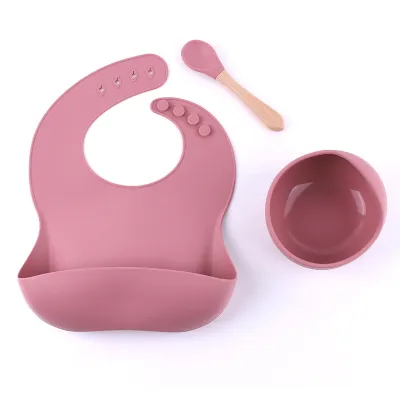
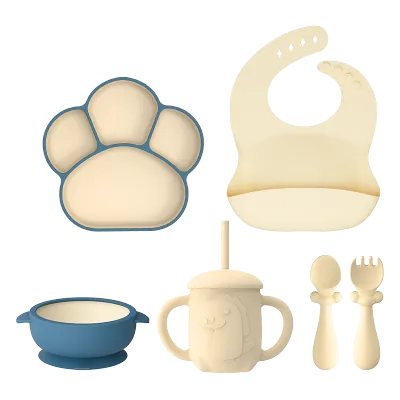
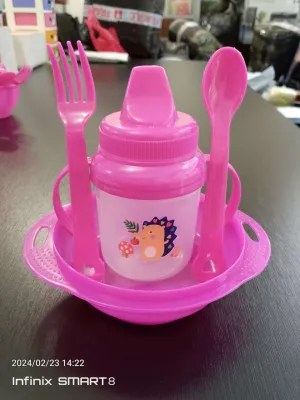
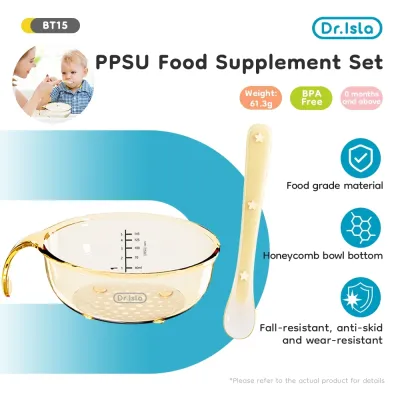
![[Same Day Ship] 3Pcs/Set Baby Dinnerware Anti-hot Wheat Training Plate Baby Feeding Bowl Set Tableware Plates with Spoon and Fork](https://img.lazcdn.com/g/p/9cda1e044dc592f7b066dd13eb7d6311.jpg_400x400q80.jpg_.webp)
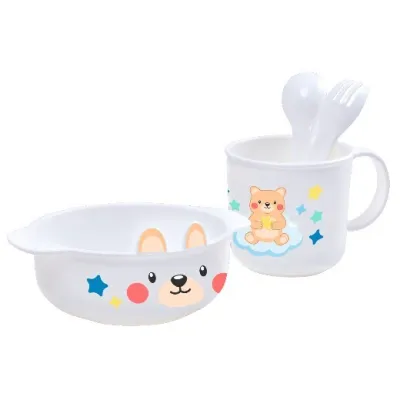
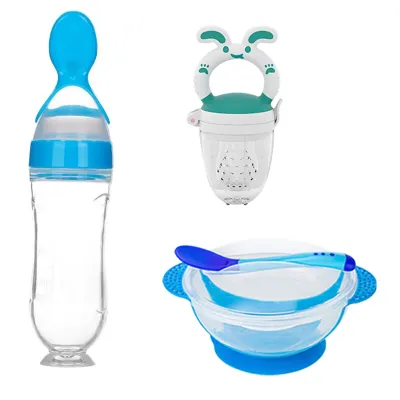
Prices are valid at publication and may change. Please refer to the product page for the latest price.
Additionally, introducing a dedicated baby feeding meal set helps establish a consistent mealtime routine. Babies thrive on predictability. Using the same colorful, child-friendly dishes signals to your baby that it is time to transition from playtime to eating. This visual cue builds healthy associations with mealtime, encouraging focus and active participation as they learn to self-feed.
Essential Features to Look for in a Baby Feeding Meal Set
Selecting the right tableware involves understanding how different designs and materials interact with your baby’s physical development. The market offers a wide variety of options, but the best choices focus on safety, stability, and ergonomics.

Evaluating Materials: Silicone, Stainless Steel, and Bamboo
When evaluating materials, food-grade silicone, stainless steel, and bamboo are the most common options. Food-grade silicone is highly favored for its flexibility, durability, and resistance to breaking. It is soft on sensitive, teething gums and can withstand both freezing cold and high heat. Stainless steel is incredibly durable, hygienic, and resistant to stains and odors, though it lacks the flexibility of silicone. Bamboo offers an aesthetic, natural appeal and is lightweight, making it popular for eco-conscious households.
However, parents must verify product labels and packaging carefully rather than assuming safety based on the material name alone. Always look for explicit “BPA-free,” “phthalate-free,” and “lead-free” certifications. Check the manufacturer’s recommended age range on the packaging to ensure the item is suitable for your baby’s current stage. Do not rely solely on generic product titles online; verify that the product complies with international food-grade safety standards.
It is also important to note that while bamboo is natural, it requires meticulous care. Bamboo is highly susceptible to moisture damage and cannot tolerate high-heat sterilization, such as boiling or steam sterilizers, which can cause it to warp, crack, or harbor bacteria. If you live in a highly humid environment, bamboo requires extra vigilance to keep it completely dry.
Suction Bases and Spill-Resistant Designs
One of the most common challenges during early feeding is the baby’s natural urge to tip, lift, or throw their dishes. This is where suction bases become invaluable. Suction cups on the bottom of baby bowls and plates work by creating a vacuum seal against the surface beneath them. However, they are not foolproof. They require a completely smooth, clean, and non-porous surface—such as plastic high-chair trays or polished glass tables—to function effectively.
Before purchasing, check product descriptions and user feedback to gauge suction reliability. Performance varies significantly by brand, and some suction mechanisms fail on slightly textured surfaces, wood grain, or matte finishes. If your high-chair tray has a textured surface, a standard suction base may not stick well, requiring you to look for extra-strong suction designs or alternative solutions.
In addition to suction bases, look for divided plates featuring high, curved inner walls. These raised edges serve a dual purpose. They keep different foods separated, which is excellent for babies who prefer distinct tastes, and they provide a functional barrier. When your baby begins scooping food with a spoon, the curved walls help push the food onto the utensil rather than over the side of the plate.
Ergonomic Shapes for Developing Motor Skills
The design of the utensils in a baby feeding meal set plays a critical role in supporting self-feeding milestones. Standard adult utensils are long, thin, and require complex wrist rotation that a six-month-old baby has not yet mastered. Instead, look for training utensils with chunky, short, and textured handles. These are designed to fit comfortably within a baby’s palmar grasp (using the whole fist), allowing them to hold the utensil securely.
The shape of the spoon bowl and fork tines also matters. Shallow bowls on spoons prevent the baby from taking in too much food at once and make it easier for them to clear the spoon with their lips. Angled spoons can reduce the amount of wrist turning required to guide food successfully from the plate to the mouth.
Always consult the manufacturer’s recommended developmental stage or age range before introducing new utensils. Some sets are designed specifically for the very beginning of solids (around six months), while others are geared toward older toddlers who have developed a more refined pincer grasp. Matching the utensil’s ergonomics to your child’s current motor skills prevents frustration and encourages independence.
Core Components You Actually Need in a Starter Set
It is easy to get overwhelmed by massive feeding kits packed with accessories. When starting solids, a minimalist approach is often best. Focus on a few highly functional, core components that target your baby’s immediate feeding needs.
Bowls and Divided Plates for Portion Control
For the initial weeks of starting solids, small-capacity, deep bowls are ideal. At this stage, your baby’s diet will primarily consist of smooth purees, mashed fruits, or soft local porridges like lugaw. A deep, narrow bowl keeps these semi-liquid foods contained, retains warmth slightly longer, and makes it easier for a caregiver to scoop out portions.
As your baby progresses to finger foods or baby-led weaning (BLW), transition to a divided plate. Divided plates allow you to offer a variety of food groups—such as soft-cooked vegetables, proteins, and grains—without them mixing together. This separation helps babies identify different textures, colors, and flavors individually. It also assists caregivers in visualizing a balanced meal layout, ensuring a variety of nutrients are presented in appropriate portion sizes.
Training Spoons and Forks for Self-Feeding
The best starter utensils prioritize safety and oral comfort. Choose spoons with soft, flexible silicone tips. These are gentle on sensitive, teething gums and protect emerging baby teeth from accidental hard impacts. Avoid hard plastic or metal spoons during the early self-feeding stages, as a sudden jerk can cause discomfort or minor oral injuries.
For forks, look for blunt, rounded tines made of silicone or soft plastic. These should be firm enough to pierce soft-cooked foods like bananas or sweet potatoes but completely free of sharp edges that could poke the baby’s mouth or face.
A well-rounded baby feeding meal set often includes two types of utensils: long-handled caregiver-feeding spoons and short-handled baby-training spoons. The long-handled spoons allow you to feed your baby comfortably from a distance without blocking their view, while the short, chunky training utensils are perfect for the baby to hold, chew on, and practice dipping into food.
Training Cups and Catch-All Bibs for Mess Management
Introducing water alongside solid foods is an important step in hydration and oral motor development. A starter set should include a small training cup, such as an open cup with two easy-grip handles or a weighted straw cup. Open cups help babies learn the correct lip and tongue positioning for swallowing, while straw cups encourage mature oral muscle development. Look for cups with wide, stable bases that resist tipping over when set down.
To manage the inevitable mess of early meals, a high-quality bib is essential. Silicone bibs with deep, sturdy, and open catch-all pockets are highly recommended. Unlike fabric bibs that absorb liquids and require frequent machine washing, silicone bibs trap falling crumbs, purees, and liquids instantly. They keep your baby’s clothes dry and can be quickly wiped clean, rinsed in the sink, or tossed into the dishwasher between meals.
How to Clean and Maintain Baby Tableware Safely
Keeping your baby’s tableware clean and hygienic is vital to protect their developing immune system. However, improper cleaning can damage the materials or compromise their safety features.
When washing baby tableware, always check the manufacturer’s specific care instructions. While many food-grade silicone and stainless steel items are dishwasher-safe, placing them on the bottom rack close to the heating element can cause warping over time. If hand washing, use a mild, fragrance-free dish soap formulated specifically for baby bottles and accessories. Avoid harsh chemical dishwashing detergents that can leave a soapy residue or scent, which can alter the taste of your baby’s food.
Drying and storage require extra attention, particularly in tropical and highly humid climates like the Philippines. High humidity creates an ideal environment for mold, mildew, and bacterial growth. After washing, shake off excess water and place all items on a clean, elevated drying rack in a well-ventilated area. Ensure that deep crevices, the undersides of suction bases, and especially bamboo components are completely dry before storing them in closed cabinets. Never stack damp silicone bowls, as trapped moisture can quickly lead to black mold spots.
Establish a routine inspection habit. Before every meal, examine each piece of tableware. Check silicone items for deep tears, puncture marks, or bite marks from emerging teeth, as loose silicone pieces can become choking hazards. Inspect bamboo items for splinters, cracks, or rough edges that could injure your baby’s mouth. Test the suction cups periodically to ensure they have not lost their grip due to wear or heat exposure. If you detect any damage, cracking, or deep discoloration that does not wash out, discard the item immediately and replace it.
Common Buying and Usage Mistakes to Avoid
Many parents fall into the trap of buying massive, expensive tableware sets before their baby even takes their first bite. It is highly recommended to start with a small, basic set and observe your baby’s feeding style. Some babies prefer finger foods immediately and do better with divided plates, while others prefer purees and need more bowls. Basic, high-quality starter sets in the Philippines typically range from ₱400 to ₱1,800, so there is no need to overspend on massive bundles upfront that often result in unused pieces taking up valuable kitchen storage space.
Another mistake is using abrasive cleaning tools. Avoid using steel wool, stiff nylon brushes, or harsh scouring pads on silicone or plastic surfaces. These abrasive materials create microscopic scratches on the tableware. These tiny crevices easily harbor food particles and bacteria, making the items difficult to sanitize properly over time. Stick to soft sponges or silicone bottle brushes for gentle cleaning.
Lastly, do not force suction bases onto unsuitable surfaces. Attempting to stick a suction bowl onto a heavily textured plastic high-chair tray, a dusty surface, or a wooden table with a prominent grain will result in failure. The vacuum seal cannot hold if air leaks through the textures. If your high-chair tray is textured, clean it thoroughly first, or place a smooth, flat silicone placemat over the tray to create a compatible surface for the suction cup to grip.
Frequently Asked Questions (FAQ)
Can I microwave silicone and bamboo baby plates?
Always inspect the product packaging or the underside of the tableware for specific microwave-safe symbols before heating. Pure, high-quality food-grade silicone is generally microwave-safe and can tolerate high temperatures. However, bamboo plates are not microwave-safe; the intense heat can dry out the natural fibers, causing them to crack or split. Additionally, some silicone plates contain hidden metal or plastic reinforcement cores to give them structural rigidity, making them unsafe for microwave use.
How do I get food stains out of silicone baby bowls?
Silicone is naturally porous and can absorb pigments from bright foods like carrots, squash, or tomato-based sauces. To remove stubborn stains safely, create a paste using warm water and baking soda, apply it to the stained area, and let it sit for several hours before rinsing thoroughly. Alternatively, placing the clean, damp silicone item in direct sunlight for a few hours can naturally bleach out organic stains. Avoid using harsh chemical bleaches, commercial stain removers, or abrasive cleaners, as these can degrade the material and leave toxic residues.

Community discussion
Share your experience or ask a question. Comments are reviewed before publication.