
Finding the right baby carrier basket for your nursery is more than just an aesthetic choice; it is a practical step toward preserving your essential baby gear and keeping your daily routine seamless. A dedicated storage basket keeps your carrier clean, organized, and ready for immediate use, preventing it from becoming a cluttered pile on the nursery floor. The ideal basket balances breathability, structural support, and material safety, ensuring your carrier remains free from dust and moisture damage.
Why Your Baby Carrier Needs a Dedicated Storage Spot
Baby carriers are significant investments in your parenting journey, providing hands-on comfort and mobility. Leaving them draped over chairs or tossed into random corners exposes them to household hazards. In a busy home, a carrier left on a couch or floor quickly accumulates dust, pet hair, and accidental spills from baby bottles or daily activities. A dedicated basket acts as a protective barrier, keeping these contaminants away from the sensitive fabrics that rest directly against your baby’s skin.
Tangling is another common issue when carriers are stored carelessly. Long adjustment straps, chest clips, and heavy waist buckles can easily twist around other items, leading to frustration when you are trying to soothe a crying infant. By assigning a specific basket for your carrier, you can neatly tuck away these straps, preventing wear and tear on the plastic buckles and keeping the entire system organized for quick access.
Products mentioned in this guide
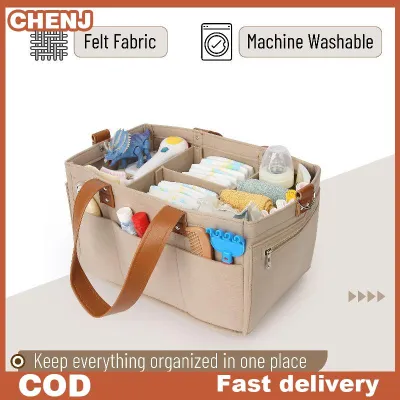
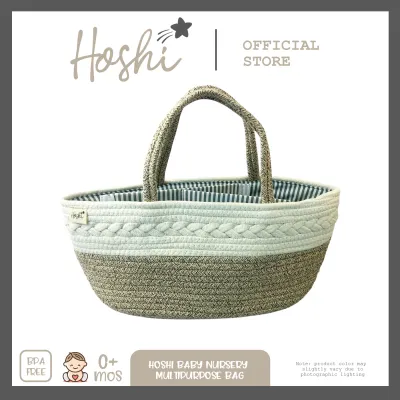
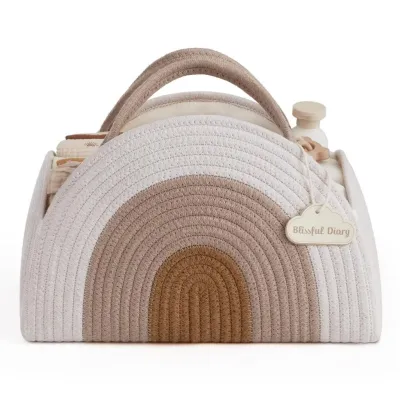
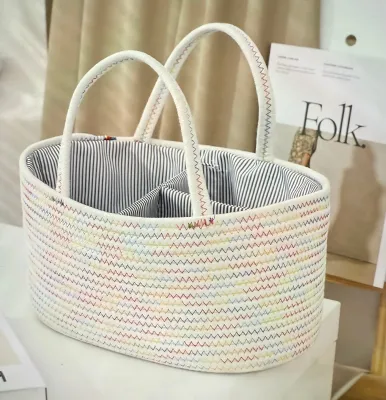
Prices are valid at publication and may change. Please refer to the product page for the latest price.
Furthermore, a dedicated spot helps you manage the transition between daily use and long-term storage. For carriers used multiple times a day, an open-top basket offers instant accessibility. For secondary carriers or those used only for travel, a structured basket keeps them safely tucked away but easily identifiable. In tropical environments like the Philippines, where humidity levels fluctuate, keeping your carrier in a designated, well-ventilated basket prevents it from sitting in damp, enclosed spaces where mold and mildew can quickly develop on fabric fibers.
Essential Features to Evaluate in a Storage Basket
When selecting a baby carrier basket, several functional design elements dictate how well the container will serve your daily needs. Evaluating these features beforehand ensures you choose a durable, practical option that integrates smoothly into your nursery routine.

Handle Strength and Placement
A basket containing a structured baby carrier can become surprisingly heavy, especially if it also holds accessories like teething pads or weather covers. Look for baskets with reinforced, integrated handles that allow you to lift and move the container safely with one hand. Handles that are woven directly into the frame or secured with heavy-duty stitching are less likely to tear over time. This is particularly important if you frequently move the basket between the nursery, the living room, or your vehicle.
Breathability and Ventilation
Air circulation is critical for maintaining the integrity of baby carrier fabrics. After a long walk or a warm day of babywearing, the carrier may retain slight moisture from sweat or humidity. Storing a damp carrier in an airtight, non-breathable container can lead to musty odors and mold growth. Baskets with open weaves, slatted sides, or breathable fabric panels allow air to circulate freely, helping the carrier dry naturally and remain fresh between uses.
Washable or Removable Liners
Nursery items are inevitably exposed to spills, spit-up, and dust. A basket with a removable, machine-washable fabric liner makes maintenance simple. If a leak occurs, you can easily detach the liner and toss it into the washing machine rather than attempting to scrub the structural frame of the basket. If you choose a basket without a liner, ensure the interior surface can be easily wiped down with a damp cloth and mild, baby-safe detergent.
Lid Options: Open Top vs. Covered
Deciding between an open-top basket and one with a lid depends on your primary storage goals. An open-top design provides the fastest access, allowing you to drop the carrier in with one hand while holding your baby with the other. However, if your nursery is prone to dust or you have pets that shed, a basket with a secure lid or a soft drawstring closure offers superior protection. A covered basket also creates a cleaner visual aesthetic by hiding bulky straps and buckles from view.
Evaluating Common Basket Materials for Nursery Use
The material of your nursery basket affects not only the room’s visual style but also the safety and longevity of your baby carrier. Different materials offer distinct advantages and trade-offs that you should weigh carefully before purchasing.
Woven Natural Fibers
Baskets made from natural materials like rattan, seagrass, water hyacinth, or wicker bring a warm, organic aesthetic to the nursery. They are naturally breathable and highly durable. However, you must inspect these baskets closely for rough edges, loose fibers, or sharp splinters. Coarse natural fibers can snag delicate carrier fabrics, pull threads on woven wraps, or scratch plastic buckles. If you prefer a natural fiber basket, look for options with a smooth, sanded finish or those equipped with a protective fabric liner to shield your carrier from friction.
Canvas and Felt
Canvas and felt bins are highly popular for nurseries due to their soft, flexible construction. They have no sharp edges, making them completely safe around crawling babies and toddlers. Canvas is highly durable and often machine-washable, while felt offers a modern, minimalist look. The primary trade-off is structural support; empty canvas or felt baskets may collapse or lose their shape over time, especially when holding heavy, structured carriers. Additionally, dense felt may offer less ventilation than woven options, requiring you to ensure the carrier is completely dry before storing it.
Woven Plastics and Resins
Synthetic baskets made from woven plastics or resins offer excellent durability and moisture resistance. They are incredibly easy to clean, requiring only a quick wipe with a damp cloth or a rinse under a faucet. This makes them highly practical for busy households. However, plastic baskets lack the natural breathability of organic fibers and may not match a soft, cozy nursery aesthetic. If you select a plastic option, look for designs with built-in ventilation holes to prevent stagnant air from trapping moisture inside.
Safety and Finish Checks
Regardless of the material you choose, prioritize safety by checking for non-toxic finishes, dyes, and glues. Ensure there are no small, detachable decorative elements—such as loose beads, tassels, or sequins—that could become choking hazards if a curious baby pulls them off. The basket should have a stable base that resists tipping over when a heavy carrier is placed inside or when a child pulls on the rim.
Matching Basket Dimensions to Your Carrier Type
Baby carriers come in various shapes, sizes, and structures. A basket that works perfectly for a lightweight fabric wrap may be entirely inadequate for a bulky, structured carrier. Measuring your gear and understanding its storage footprint is essential for a proper fit.
Structured Soft Carriers (SSCs)
Structured soft carriers feature thick, padded waistbands, contoured shoulder straps, and large plastic buckles. These components do not fold flat and require significant physical space. To store an SSC without crushing the foam padding or straining the buckles, you need a wide, deep basket. Look for a container with a minimum depth and width that allows the carrier to sit comfortably without being tightly compressed, which can degrade the internal support materials over time.
Wraps and Ring Slings
Fabric wraps and ring slings are highly flexible and can be folded or rolled into compact shapes. These items fit beautifully in narrower, shallower baskets, decorative bins, or even small cubby organizers. Because wraps are made entirely of fabric, they are highly susceptible to snagging. Storing them in a soft fabric or lined basket protects the delicate weave from damage while keeping them neatly rolled and organized by color or pattern.
Measuring and Planning Space
Before purchasing a basket, fold or roll your baby carrier into its typical storage configuration and measure its length, width, and height. Add a few centimeters of clearance on all sides to ensure you do not have to force the carrier into the basket daily. If you use accessories such as infant inserts, drool bibs, teething pads, or waistband extenders, make sure the basket has enough extra volume to accommodate these items alongside the main carrier.
Optimizing Nursery Placement for Daily Convenience
Where you position your baby carrier basket in the nursery plays a significant role in how easily you can maintain your daily caregiving routine. Strategic placement saves time and protects your gear from environmental wear.
Proximity to Transition Zones
Position the basket near high-traffic transition zones, such as the changing table, diaper caddy, or nursery entrance. This allows you to transition your baby smoothly from a diaper change directly into the carrier, or vice versa, without having to walk across the room to retrieve your gear. Keeping the basket near the doorway is also highly convenient for quick departures when heading out for walks or errands.
Environmental Considerations
Protect your baby carrier’s fabric and structural integrity by keeping the storage basket away from direct sunlight, heating vents, and high-humidity areas. Continuous exposure to direct sunlight through a window can fade fabric colors and weaken synthetic fibers over time. In tropical regions, avoid placing the basket directly against external walls or in damp corners where humidity tends to accumulate, as this increases the risk of mold and mildew development on both the basket and the carrier.
Child and Pet Safety
As your baby grows and begins to crawl or pull themselves up, they will naturally explore their environment. Ensure the storage basket is placed in a secure location where it cannot be easily pulled down onto a child. If your carrier has small detachable parts, toy loops, or long dangling straps, keep the basket on a raised shelf or inside a closed closet out of reach of toddlers and pets to prevent accidental entanglement or choking hazards.
Your Pre-Purchase Evaluation Checklist
Before finalizing your purchase on an e-commerce platform or at a local nursery boutique, run through this practical checklist to ensure the basket meets all safety and functional requirements:
- Verify Interior Dimensions: Compare the basket's internal measurements against your folded carrier, ensuring there is extra room for accessories.
- Check Material Safety: Confirm that the basket is free from lead, phthalates, and toxic dyes, especially if your baby is in a teething phase and prone to chewing on nearby objects.
- Inspect the Finish: Ensure all surfaces are smooth, with no sharp splinters, exposed wire frames, or rough weaves that could snag fabrics.
- Assess Handle Durability: Verify that the handles are securely attached and capable of supporting the weight of a fully loaded basket.
- Review Cleaning Instructions: Confirm whether the basket or its liner can be washed, wiped down, or spot-cleaned easily.
- Check Return Policies: Ensure the retailer offers a flexible return policy in case the basket does not fit your specific carrier model or nursery layout.
Frequently Asked Questions (FAQ)
Can I store multiple baby carriers in one basket?
Yes, you can store multiple carriers in a single basket, provided the container is large enough to prevent overcrowding. When stacking carriers, place the heaviest, most structured carriers at the bottom and lighter wraps or ring slings on top. This prevents the weight of structured waistbands from crushing delicate fabrics or bending plastic buckles. To avoid tangling, tuck all straps and adjustment webbing securely inside each carrier before placing them in the basket. If you are storing different materials, consider using simple fabric dividers or individual cotton drawstring bags to prevent metal rings or plastic clips from scratching or snagging adjacent carriers.
How do I clean a woven basket if the baby carrier leaks or spills on it?
If a spill occurs, act quickly to prevent staining and mold growth. For natural fiber baskets like rattan or seagrass, blot the moisture immediately with a clean, dry microfiber cloth; avoid rubbing, which can push liquid deeper into the fibers. If a deeper clean is necessary, wipe the area gently with a soft cloth dampened with warm water and a drop of mild, baby-safe detergent. Never submerge a natural fiber basket in water, as this can warp the frame and encourage mold. For fabric liners, remove and wash them according to the manufacturer’s care label. Always allow the basket to air dry completely in a well-ventilated, shaded area before returning your baby carrier to it.

Community discussion
Share your experience or ask a question. Comments are reviewed before publication.