
Choosing the right toothpaste for your child is a fundamental step in establishing a lifetime of healthy oral hygiene. When navigating the various options from Aquafresh, the key is to match the specific product variant to your child’s current age and dental development stage. Children’s teeth undergo rapid changes from infancy through the school years, and their oral care products must adapt to these transitions. By carefully reading packaging labels, verifying recommended age brackets, and understanding your child’s ability to spit out toothpaste, you can select a variant that provides appropriate cavity protection while remaining gentle on developing enamel.
In tropical environments like the Philippines, where sweet snacks, local desserts, and sugary drinks are readily available, protecting young teeth from decay is an ongoing priority for parents. Baby teeth, or milk teeth, have thinner enamel than permanent teeth, making them highly susceptible to rapid decay if not cleaned properly. Selecting a toothpaste formulated specifically for your child’s age group ensures they receive the correct balance of cleaning power and cavity protection without exposing them to excessive fluoride levels.
Understanding Your Child's Dental Development Stages
To choose the correct toothpaste, you must first identify where your child stands on their dental development timeline. This journey begins long before the first tooth breaks through the gums, but the arrival of that very first milk tooth marks the official start of active oral care. Typically occurring around six months of age, the eruption of the first tooth requires immediate, gentle cleaning to prevent plaque buildup and early childhood caries. At this stage, the primary goal is to clean the tooth surface gently while helping the infant get used to the sensation of oral care.
Products mentioned in this guide
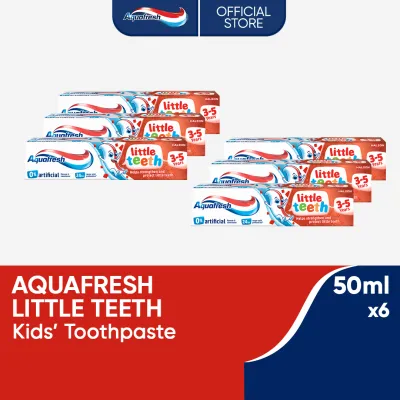
![[BUY 3 GET 1] Buy Aquafresh Little Teeth Toothpaste 50ml x3 (3-5 Years Old) get FREE Aquafresh Little Teeth 50ml](https://img.lazcdn.com/g/p/bf9b43fb2ee02e376db219b0ba6e8557.jpg_400x400q80.jpg_.webp)
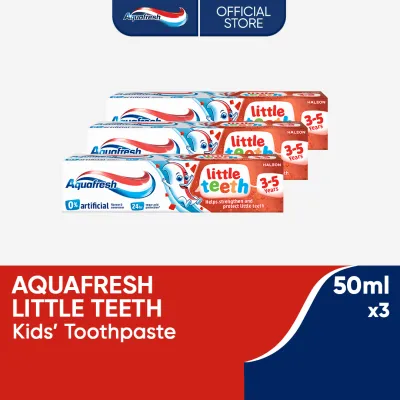
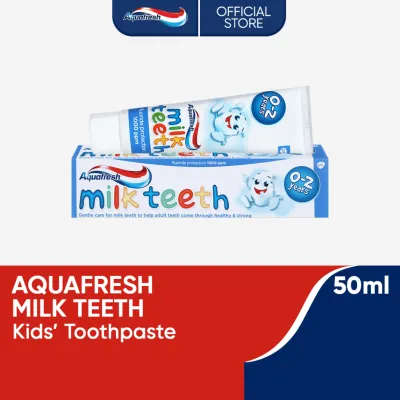
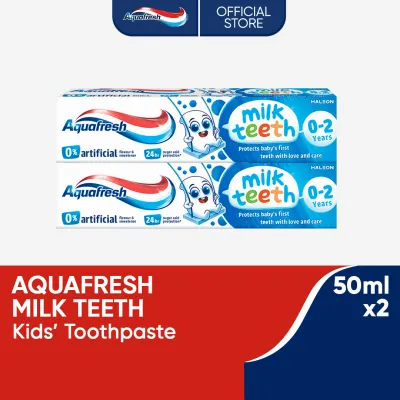
Prices are valid at publication and may change. Please refer to the product page for the latest price.
As your toddler grows into a preschooler, their full set of twenty primary teeth will emerge. This complete set of milk teeth plays a crucial role in your child’s development, helping them chew food properly, speak clearly, and hold space in the jaw for future permanent teeth. During these early years, children are still learning how to control their swallowing reflex. Consequently, the toothpaste used must be formulated with this developmental limitation in mind, featuring mild flavors and appropriate ingredients that minimize risks if a small amount is accidentally swallowed.
Around the age of six, your child enters a dynamic transition period known as the mixed dentition stage. During this phase, milk teeth begin to loosen and fall out, making way for the eruption of permanent teeth. This transition is a critical time for oral hygiene because newly erupted permanent teeth are not yet fully mature; their enamel is still relatively soft and highly vulnerable to acid attacks and decay. Furthermore, having a mix of loose baby teeth, gaps, and emerging adult teeth can make brushing uncomfortable and uneven, requiring a toothpaste that can effectively protect different types of tooth surfaces.
By the time your child reaches late childhood or early adolescence, most of their permanent teeth will have erupted. At this stage, their oral care needs closely resemble those of an adult. With a fully developed swallowing reflex, they require stronger cavity protection to safeguard their permanent teeth. Understanding these distinct phases allows you to transition seamlessly between different toothpaste formulations as your child’s dental needs evolve.
Matching Aquafresh Variants to Age and Dental Needs
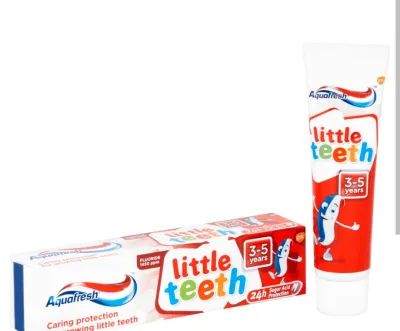
Aquafresh offers a range of children’s toothpastes designed to align with these specific developmental milestones. However, because product availability, packaging designs, and exact formulations can vary across different regions and retail outlets, it is essential to inspect the physical box or tube before making a purchase. Rather than relying solely on general product names, parents should look for the explicit age recommendations printed on the packaging to ensure the formula matches their child’s current stage.

Aquafresh Milk Teeth Variant for Early Years
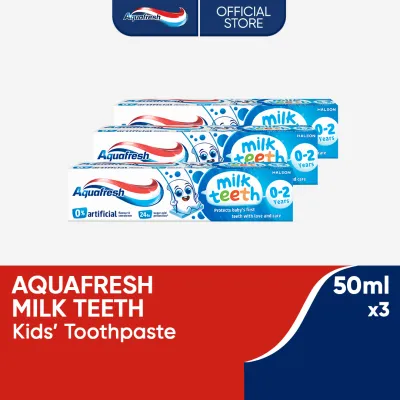
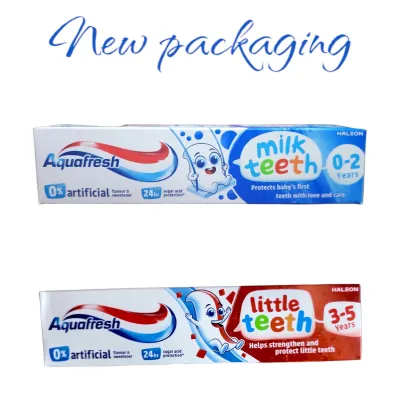
The Aquafresh Milk Teeth variant is specifically designed for the very beginning of your child’s dental journey, typically targeting the stage from the eruption of the first tooth up to around two or three years of age. The formulation of this variant focuses on being exceptionally gentle, utilizing low-abrasive cleaning agents that clean the delicate enamel of primary teeth without causing micro-scratches or irritation to sensitive gums.
The flavor profile of the Milk Teeth variant is carefully calibrated for infants and toddlers. Strong, intense mint flavors can be overwhelming or even painful for young children, often leading to a refusal to brush. To prevent this, this variant typically features a very mild, subtle flavor—often a gentle mint or a light fruit blend—that makes the brushing experience pleasant and non-threatening. This helps parents establish a positive association with oral hygiene from the very start.
When purchasing this variant in local supermarkets or pharmacies in the Philippines, always verify the exact age recommendation on the packaging. Manufacturers frequently update their designs and formulations, so checking the label ensures you are getting the low-fluoride, low-abrasion formula intended for babies and toddlers. Additionally, confirm that the product name matches your expectations, as different import batches might carry slightly different naming conventions depending on their country of origin.
Aquafresh Junior Variant for School-Aged Children
As children transition into preschool and early school years, their oral care needs expand, prompting the move to the Aquafresh Junior variant. This product is generally formulated for children aged six and older, a period characterized by the mixed dentition stage where permanent teeth are actively emerging alongside remaining milk teeth. This formulation aims to provide enhanced cavity protection for new, vulnerable permanent teeth while caring for remaining primary teeth.
The formulation of the Junior variant typically features a higher concentration of fluoride compared to the infant version, reflecting the increased resistance needed against tooth decay as children consume a wider variety of foods. The cleaning agents are also slightly more robust to handle the plaque buildup associated with a more complex diet, yet they remain gentle enough not to damage the enamel of newly erupted teeth. This balance is crucial for maintaining overall oral health during a period of rapid dental change.
In addition to formulation changes, the flavor of the Junior variant is designed to appeal to older children who may find baby toothpaste too bland. It often features a more pronounced minty flavor that leaves the mouth feeling fresh, helping children transition toward the taste of adult toothpaste. When selecting this variant, check the manufacturer’s guidelines on the packaging to confirm the recommended transition age, and ensure your child has developed the ability to spit out the toothpaste completely after brushing.
Key Factors to Check on the Toothpaste Label
When shopping for children’s toothpaste, the label on the back of the box is your most reliable source of safety and suitability information. The first and most critical ingredient to verify is the fluoride content, which is measured in parts per million (ppm). This mineral plays a vital role in strengthening enamel and preventing cavities. However, the appropriate concentration of fluoride changes as a child grows, and using too much fluoride at a young age can lead to dental fluorosis, a cosmetic condition that causes faint white lines or streaks on the permanent teeth.
Because of this risk, you must check the exact ppm of fluoride listed on the Aquafresh packaging and compare it with the recommendations of your local pediatric dentist or dental association. For very young children who are prone to swallowing toothpaste, a lower concentration is typically recommended, while older children who can reliably spit require a higher concentration to protect their permanent teeth. Never assume the fluoride level based on the brand name alone; always read the active ingredients list on the specific box you are holding.
Another essential element to check on the label is the manufacturer’s swallowing warnings and age-specific instructions. These warnings provide clear guidance on how the product should be used and whether it is suitable for children who have not yet mastered the “spit” technique. If a product label explicitly states that it is not recommended for children under a certain age, or if it advises against use without professional dental consultation, parents must heed these instructions to prevent accidental over-ingestion of fluoride.
Finally, pay close attention to the flavor profiles and ingredients listed on the packaging. While appealing flavors are excellent for encouraging children to brush, they should not be so sweet or candy-like that they encourage the child to swallow or eat the toothpaste directly from the tube. Look for formulations that use child-friendly flavors to make brushing enjoyable, but always store the toothpaste out of your child’s reach to prevent unsupervised consumption.
Establishing Safe Brushing Habits and Supervision
Establishing safe brushing habits and maintaining consistent supervision are vital for your child’s oral health. The amount of toothpaste applied to the brush must be carefully controlled based on the child’s age and developmental stage. As a general guideline, for children under the age of three, a tiny smear of toothpaste—no larger than a single grain of rice—is sufficient to clean the teeth while minimizing the risk of ingestion.
For children between the ages of three and six, the portion size can be increased to a pea-sized amount. Parents should physically apply the toothpaste to the brush themselves rather than letting young children do it, as kids tend to squeeze out far more than necessary. Emphasize to your child that toothpaste is for cleaning, not eating, and guide them to spit out the excess foam immediately after brushing rather than rinsing with large amounts of water, which can wash away the protective fluoride layer.
Active adult supervision is absolutely necessary during every brushing session until your child is at least seven or eight years old. Children in this age group often lack the manual dexterity required to reach all surfaces of their teeth, particularly the hard-to-reach back molars where cavities frequently develop. By supervising, you can ensure they brush for the recommended two minutes, use the correct circular brushing motions, and do not swallow the toothpaste.
Because every child’s dental health, diet, and local water quality are unique, these general guidelines should be paired with professional advice. It is highly recommended to consult a pediatric dentist in the Philippines to establish a personalized oral care plan for your child. A professional can assess your child’s specific cavity risk, evaluate their enamel development, and provide tailored recommendations on the exact fluoride concentration and brushing techniques that will best support their growing smile.
Frequently Asked Questions (FAQ)
Can my child use adult Aquafresh toothpaste if we run out of the kids' variant?
It is highly recommended to avoid using adult Aquafresh toothpaste for young children, even as a temporary measure. Adult formulations are designed for mature permanent teeth and typically contain significantly higher concentrations of fluoride, which can pose a risk of dental fluorosis or stomach upset if swallowed by a young child who cannot yet spit reliably. Additionally, adult toothpastes often contain stronger abrasive agents to remove stubborn stains, which can be too harsh for the delicate, thin enamel of primary teeth.
If you temporarily run out of children’s toothpaste, the safest alternative is to brush your child’s teeth using a soft-bristled toothbrush and plain water. This mechanical brushing action still effectively removes food particles and plaque buildup without exposing your child to high levels of fluoride or harsh abrasives. Once you are able to visit a local pharmacy or supermarket, you can purchase the appropriate age-specific kids’ variant to resume their regular fluoride protection routine.
What should I do if my child swallows a large amount of toothpaste?
If your child accidentally swallows a small, pea-sized amount of toothpaste during brushing, there is generally no cause for alarm, as children’s formulations are designed with this possibility in mind. However, if your child ingests a large quantity of toothpaste directly from the tube, you should take immediate action. First, offer the child a glass of water or milk; the calcium in milk binds with fluoride in the stomach, which can help reduce absorption and minimize stomach irritation.
Monitor your child closely for symptoms of fluoride toxicity, which can include nausea, vomiting, abdominal pain, or excessive drooling. If they exhibit any of these symptoms, or if you suspect they have consumed a significant portion of the tube, seek immediate medical assistance or contact a local poison control center or healthcare professional in the Philippines. Always keep the toothpaste packaging handy when seeking medical advice, as healthcare providers will need to know the exact fluoride concentration and ingredients listed on the label to determine the appropriate treatment.

Community discussion
Share your experience or ask a question. Comments are reviewed before publication.