
Finding the right baby gear is one of the most important decisions you will make as a parent, especially when it comes to items designed to support your child’s mobility. If you are considering a baby walker from Apruva, a popular brand known for its accessible and functional baby gear, matching the right model to your baby’s age and physical development is crucial. Because specific model availability, design variations, and exact specifications change over time, this guide does not declare a single universal winner. Instead, it provides the essential criteria, safety checks, and feature comparisons you need to evaluate any Apruva walker currently on the market and build a personalized shortlist that fits your home and lifestyle.
In the Philippines, where homes often feature a mix of tiled floors, compact living spaces, and warm, humid weather, choosing a walker requires looking beyond just the age recommendation on the box. You must consider how the unit will perform in your specific living environment, how easy it is to keep clean, and whether your baby has reached the necessary physical milestones to use it safely. By focusing on observable developmental signs and structural features, you can make an informed decision that supports your baby’s play sessions while keeping safety at the forefront.
Assessing Your Baby's Readiness for a Walker
Age recommendations on baby gear packaging are helpful starting points, but they should never be the sole factor in your decision. Babies develop at their own unique pace, meaning physical readiness is a far more reliable indicator than chronological age. Before placing your baby in any Apruva baby walker, you must observe their motor skills. The most critical milestone is the ability to sit up completely unassisted. Your baby must be able to support their own head and torso steadily without leaning or slumping. Additionally, they should already show a natural interest in upright mobility, such as pulling themselves up to stand against furniture or bouncing on their feet when held upright. If your baby’s neck is still wobbly or if they cannot maintain a seated position on the floor without support, their muscles are not yet ready for a walker.
Products mentioned in this guide
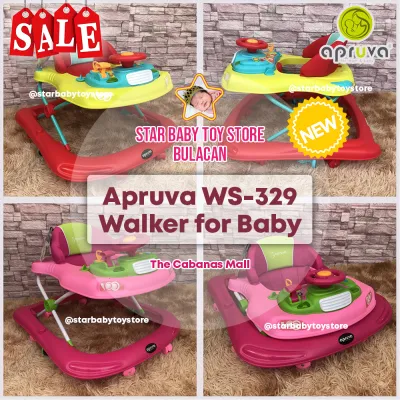
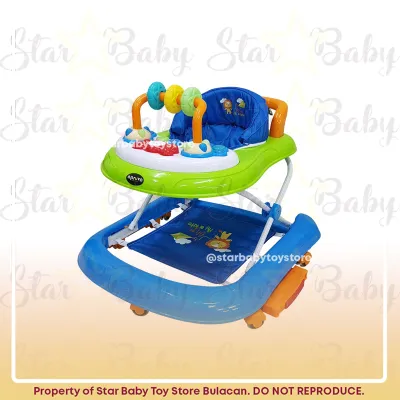
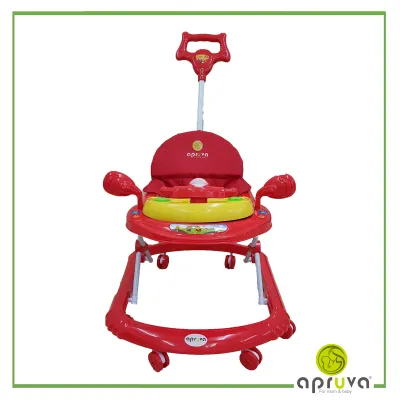
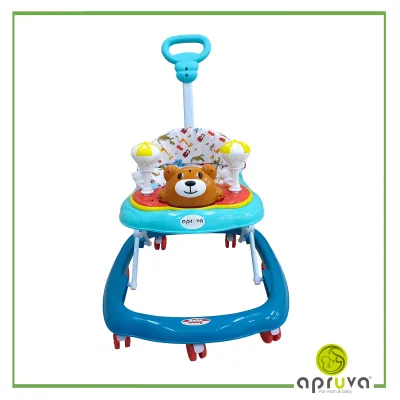
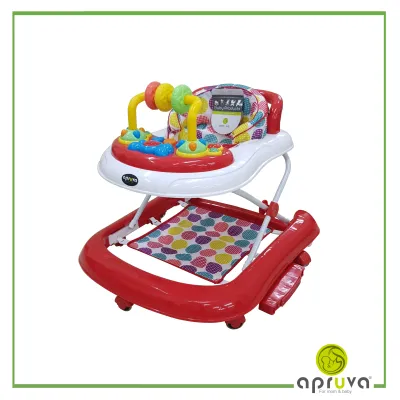
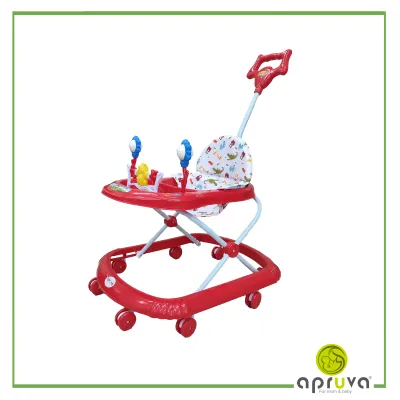
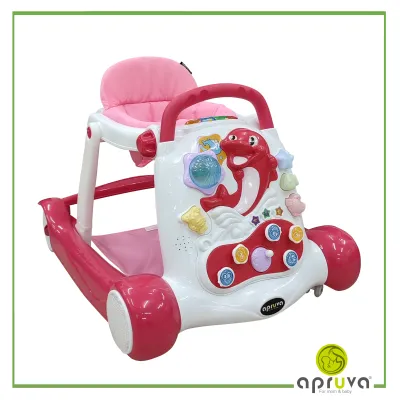
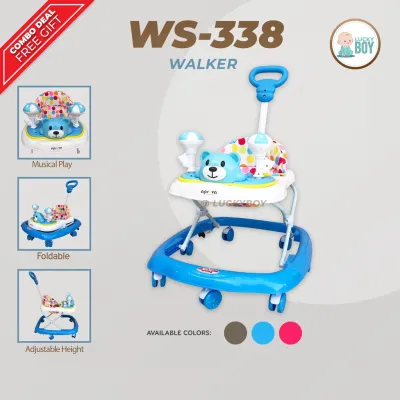
Prices are valid at publication and may change. Please refer to the product page for the latest price.
To ensure a safe fit, you must locate and carefully interpret the manufacturer’s physical limits. These are typically printed on the product packaging, the fabric seat labels, or the official instruction manual. Rather than relying on general assumptions, check the minimum and maximum weight and height limits for the specific model you are considering. A baby who is too small may slip down in the seat, causing their chin to rest dangerously near the tray or restricting their breathing. Conversely, a baby who exceeds the maximum weight limit can compromise the structural integrity of the frame, leading to sudden collapses or tipping. Height is equally critical; your baby’s feet must be able to touch the floor flatly or with the balls of their feet, depending on the manufacturer’s instructions, without their knees being excessively bent or their legs dangling completely out of reach.
It is also vital to recognize when it is time to transition out of the walker entirely. Walkers are temporary developmental tools, not long-term seating solutions. You should stop using the walker as soon as your baby can stand independently, starts taking their first unassisted steps, or attempts to climb out of the walker seat. Continued use past this stage can actually hinder natural walking progression and increase the risk of falls. Regularly monitor your baby’s growth against the model’s maximum height and weight thresholds, and be prepared to retire the gear the moment they meet any of the transition indicators.
Key Features to Compare Across Available Models
When comparing different Apruva baby walker models, focusing on specific design elements will help you identify which unit offers the best support and functionality for your child. The first and most critical feature to evaluate is the seat adjustability mechanism. Because babies grow rapidly, a walker with multiple height adjustment positions is highly beneficial. Look for models that offer secure, locking height adjusters that allow you to raise or lower the seat frame. This ensures that as your baby’s legs grow, you can adjust the height to maintain the correct foot-to-floor contact. Additionally, examine the seat’s ergonomic support. The backrest should be sufficiently padded and high enough to support your baby’s lower back, while the leg openings should be smooth and wide enough to prevent chafing or pinching.

The activity tray is another major point of differentiation among models. Many Apruva walkers feature interactive trays equipped with toys, steering wheels, buttons, lights, and music designed to stimulate sensory development. When evaluating these trays, consider how they fit into your daily routine. Detachable toy trays are highly practical, as they allow you to convert the walker into a clean, flat surface for snack times or independent play with other toys. Ensure that any electronic components or toy attachments are securely fastened with no small, easily detachable parts that could pose a choking hazard. A tray with deep cup holders or raised edges is also useful for containing spills and keeping snacks within your baby’s reach.
The base and wheel configuration directly impact the walker’s stability and movement. A wide, stable base is essential to prevent the walker from tipping over if your baby leans heavily to one side. Examine the wheels: some models feature multi-directional front wheels for easy steering, combined with fixed rear wheels that help guide the baby in a straight path. If you have smooth tiled floors, look for wheels with grip strips or speed restrictors that prevent the walker from moving too quickly on slick surfaces.
To help you organize your comparison, use the following structural template to evaluate the models you find online or in physical baby stores:
| Feature Category | What to Verify | Your Notes / Model Details |
|---|---|---|
| Weight Capacity | Verify minimum and maximum weight limits (e.g., up to 12kg or 15kg). | |
| Height Adjustments | Check the number of height positions (e.g., 3-position adjustment). | |
| Folded Dimensions | Measure the height when collapsed to ensure it fits under your furniture. | |
| Tray Type | Note if the toy bar is removable and if it requires batteries. | |
| Wheel Material | Check if the wheels are plastic, rubberized, or have speed brakes. | |
| Seat Fabric | Confirm if the seat pad is removable and machine-washable. |
Using this structured approach allows you to compare models side-by-side based on objective specifications rather than marketing claims.
Building a Condition-Based Shortlist for Your Home
Selecting the right baby walker requires a realistic assessment of your home’s physical layout. Before finalizing any purchase, take a measuring tape and check the width of your doorways, hallways, and the spaces between your furniture. Walkers have wide bases designed for stability, which means they can easily get stuck in narrow passages or create bottlenecks in smaller rooms. You must also evaluate your flooring transitions. If your home has raised thresholds, transitions from tile to wood, or thick area rugs, a walker with small plastic wheels may struggle to roll smoothly, potentially causing frustration or sudden stops that could jar your baby. Most importantly, identify any potential hazards, such as staircases, steps, or outdoor balconies. Walkers must only be used on flat, single-level surfaces with secure barriers blocking access to any drop-offs.
Your daily caregiving routine and storage capacity should also influence your shortlist. If you live in a compact apartment or need to transport the walker to a relative’s house, prioritize models that fold down flat. A compact fold allows you to slide the walker under a crib, behind a sofa, or into a car trunk with ease. Furthermore, consider the local climate. In the warm and humid tropical environment of the Philippines, babies sweat frequently, and snack spills are inevitable. A walker with a removable, machine-washable seat cover is highly recommended to maintain hygiene and prevent the buildup of mold, mildew, or bacteria.
Finally, integrate budget considerations into your decision-making process. Apruva walkers are generally priced competitively, typically ranging from around ₱1,500 to ₱3,500 or more depending on the complexity of the activity tray and the frame design. When comparing prices across authorized online sellers or physical department stores, look beyond the initial price tag. Factor in potential shipping costs for bulky items, the seller’s return policy in case of defects, and any warranty coverage provided by the manufacturer. Balancing these practical factors ensures you choose a model that is both financially sensible and highly functional for your household.
Safety Verification and Purchasing Guidelines
Product safety is paramount when purchasing any baby gear. When you receive your baby walker or when inspecting one in a store, your first step should be to read and verify all safety warning labels and compliance marks. Look for clear instructions regarding age restrictions, maximum weight capacities, and proper assembly. These labels are not just bureaucratic requirements; they contain critical operational boundaries that keep your baby safe. If a digital listing or physical box lacks clear, legible safety warnings and manufacturer contact information, treat it as a significant red flag.
To ensure you are purchasing an authentic, high-quality product, always buy from authorized retailers or official brand storefronts on major e-commerce platforms. Counterfeit or substandard baby gear may look identical to genuine models in photos, but they often use cheaper, brittle plastics, non-compliant paints, or weak locking mechanisms that can fail under pressure. Authentic Apruva products are distributed through established department stores and verified online malls. Avoid buying from unverified third-party sellers who cannot provide clear proof of authenticity or a valid receipt.
Once the walker arrives at your home, perform a thorough pre-assembly and post-assembly inspection before placing your baby inside. Carefully follow the step-by-step assembly instructions provided in the manual; never skip steps or substitute hardware. Once assembled, test all locking mechanisms to ensure the frame cannot collapse unexpectedly. Press down firmly on the tray to verify the height adjusters hold their position under weight. Roll the walker across your floor to check that all wheels spin freely and do not wobble or bind. Finally, run your hands along all plastic edges, metal joints, and fabric seams to check for sharp edges, rough plastic flashing, loose screws, or exposed staples. If you detect any defects or missing parts, contact the manufacturer or retailer immediately and do not use the product.
Frequently Asked Questions (FAQ)
Are baby walkers safe for hip and motor development?
Pediatricians and child development experts generally recommend limiting the use of baby walkers. While they can provide entertainment, excessive use can alter a baby’s natural gait, encouraging them to walk on their tiptoes and delaying the development of the core and thigh muscles needed for independent walking. To support healthy hip and motor development, limit walker sessions to short intervals of no more than 15 to 20 minutes per day, and ensure your baby is always under direct, active adult supervision. If you notice your baby constantly toe-walking, dragging one leg, or showing signs of hip discomfort, stop using the walker immediately and consult a pediatrician or physical therapist.
How do I properly clean and maintain the fabric seat?
Keeping the fabric seat clean is essential for your baby’s skin health, especially in warm, humid climates. Always check the manufacturer’s care label stitched onto the underside of the seat fabric before cleaning. Most fabric seats can be detached from the plastic frame. For minor spills, spot clean the area immediately using a damp cloth and a mild, baby-safe detergent. If the label permits machine washing, use a gentle cycle with cold water and a mild detergent, avoiding harsh bleach or fabric softeners. To prevent shrinkage and preserve the integrity of the plastic attachment clips, always air-dry the seat cover completely in a well-ventilated area out of direct, intense sunlight before reassembling the walker.

Community discussion
Share your experience or ask a question. Comments are reviewed before publication.