
Selecting the right anti-bump protector for baby-proofing your home in the Philippines requires a careful balance of material safety, furniture compatibility, and environmental resilience. The tropical climate introduces unique challenges, as high humidity and warm temperatures can quickly degrade standard adhesives, causing safety guards to slip or peel off. Parents must look beyond basic aesthetics to find durable, non-toxic solutions that can withstand both active toddlers and local weather conditions.
To create a truly secure environment, it is essential to evaluate your child’s current developmental stage alongside the specific hazards of your living space. A crawling infant requires different protective measures than a toddler who is pulling themselves up on heavy wooden furniture. By understanding the key differences in materials, shapes, and adhesive strengths, you can make informed decisions that keep your little one safe without causing unnecessary damage to your home.
Core Criteria for Selecting Baby-Safe Bump Protectors
When browsing online marketplaces for baby-proofing gear, establishing a strict baseline for safety and quality is your first line of defense. Material safety is paramount because infants and toddlers naturally explore their surroundings with their mouths. Always verify that product packaging or listings explicitly state the materials are non-toxic, BPA-free, lead-free, and phthalate-free. Avoid products with strong chemical odors, as these often indicate the presence of volatile organic compounds that are unsuitable for close contact with children.
Products mentioned in this guide
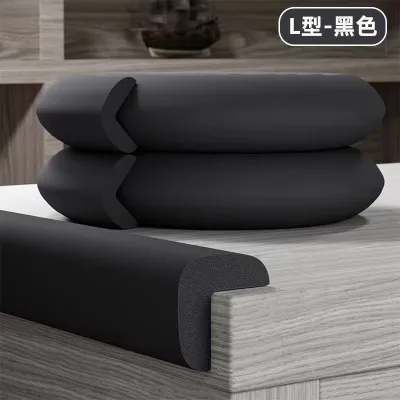
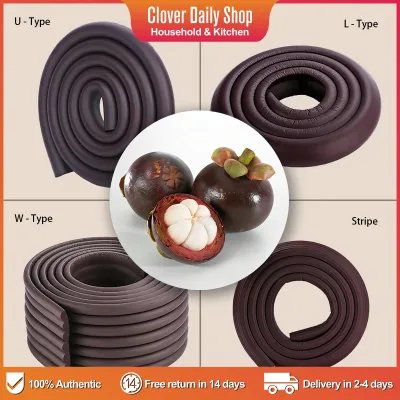
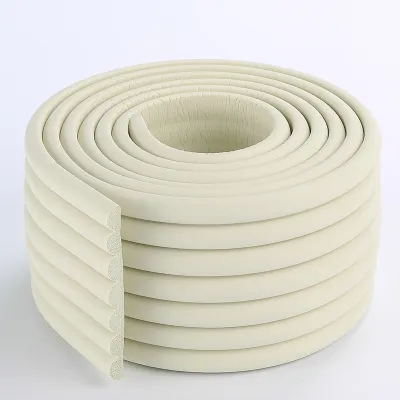
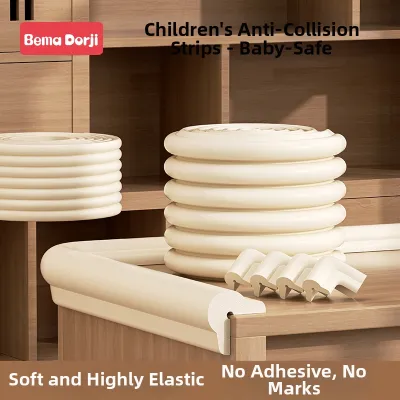
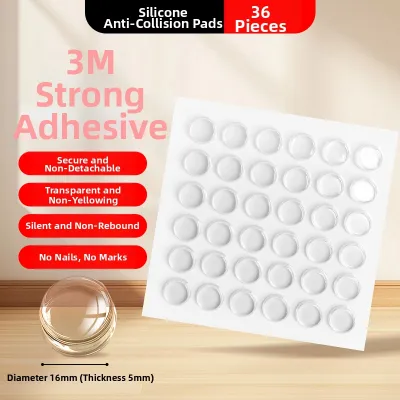
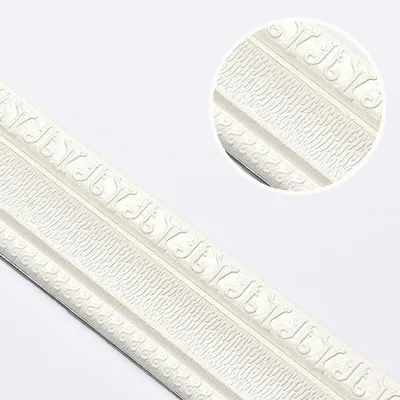
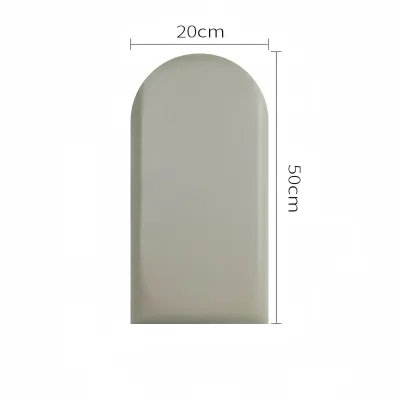
Prices are valid at publication and may change. Please refer to the product page for the latest price.
The thickness and density of the protector directly determine how much impact force it can absorb. As babies transition from crawling to standing, their falls carry more momentum, requiring denser cushioning to prevent bruising or cuts. Thin, flimsy foam strips might offer minor scratch protection, but they will not sufficiently cushion a hard impact against a sharp wooden edge. Look for high-density foam or thick, shock-absorbing silicone that bounces back quickly when compressed.
Aesthetic integration is another practical consideration for many households. While safety is the priority, choosing protectors that blend with your decor can prevent your living room from looking chaotic. Clear silicone guards are excellent for preserving the natural look of glass or polished wood, while colored foam bumpers can be matched to dark mahogany, white laminate, or metal frames. Selecting a color that closely matches your furniture also makes the protectors less tempting for curious babies to notice and pull off.
Budget planning is essential, especially since baby-proofing often requires covering multiple rooms. Prices on local e-commerce platforms vary widely, with basic foam rolls starting around ₱100 and premium, multi-pack silicone sets with heavy-duty adhesives reaching ₱600 or more. While it may be tempting to opt for the cheapest available option, investing in high-quality materials with reliable adhesives saves money in the long run by reducing the need for frequent replacements.
Matching Protector Types to Furniture Shapes
Before purchasing any protective gear, conduct a thorough walkthrough of your home at your baby’s eye level. This perspective helps you identify hidden hazards, such as the sharp underside of dining tables, low shelf corners, and protruding TV consoles. Mapping out these specific danger zones allows you to calculate exactly how many corner guards and edge rolls you will need.

Different furniture shapes require distinct protective designs to ensure a secure fit. Using the wrong type of protector often leads to poor adhesion, leaving gaps that babies can easily exploit. Understanding when to use pre-molded corners versus continuous edge rolls is key to a successful installation.
Corner Guards for Sharp Edges
Pre-molded corner guards are specifically engineered to fit three-way corners where sharp edges meet. These are highly recommended for dining tables, low coffee tables, kitchen countertops, and low-slung shelves. Because these areas are frequent points of impact during falls, the guards must offer robust, multi-directional coverage.
When selecting corner guards, look for designs that wrap securely around both the top and sides of the corner. Spherical or L-shaped guards provide comprehensive coverage, ensuring that an impact from any angle is cushioned. It is also vital to check that the inner dimensions of the guard match the thickness of your furniture corner to prevent air gaps that weaken the adhesive.
Edge Bumpers for Long Surfaces
Continuous edge bumpers, typically sold in rolls, are designed for long, straight surfaces that present a constant hazard. These are ideal for covering the long edges of TV entertainment units, bed frames, low windowsills, and tiled fireplace hearths. They allow you to create a seamless barrier along any length of furniture.
Installing edge bumpers requires careful measuring, cutting, and fitting to ensure a clean finish. Using sharp utility shears helps you make precise cuts, which are necessary for creating neat mitered joints at the corners. Any gaps or overlapping sections in the foam can become easy handholds for a baby to grip and peel the bumper away from the furniture.
Comparing Common Protector Materials
Silicone is a highly popular choice for modern baby-proofing due to its durability and discreet appearance. Because it is naturally transparent, it allows the beauty of your wooden or glass furniture to show through, making it less visually disruptive. Silicone is also incredibly easy to wipe clean and does not absorb liquids, which is a major advantage in humid tropical environments. However, silicone is inherently firmer than foam, meaning it provides slightly less cushioning during high-velocity impacts.
NBR (Nitrile Butadiene Rubber) foam is favored for its exceptional softness and superior shock absorption. This material is highly cushioned, making it incredibly effective at preventing injuries when a toddler collides with a hard surface. The primary drawback of NBR foam is its vulnerability to teething babies. The soft, spongy texture can be highly appealing to chew on, and determined infants can bite off small pieces, creating a serious choking hazard.
PVC and rubber protectors offer a practical middle ground, combining flexibility with cost-effectiveness. They are highly durable, resistant to wear, and easy to clean with a damp cloth. However, lower-grade PVC products can sometimes contain harmful plasticizers, making it critical for parents to verify non-toxic certifications before buying. Additionally, PVC is less pliable than silicone or foam, which can make it more challenging to install on curved or irregular furniture edges.
Evaluating Adhesive Strength and Surface Compatibility
The effectiveness of any anti-bump protector relies heavily on the quality of its adhesive. Double-sided acrylic tape is generally superior to standard white foam tape, as it provides a stronger, clearer bond that is less likely to degrade over time. Acrylic adhesives also tend to peel off more cleanly, leaving less stubborn residue behind when it is time to remove the protectors.
Different furniture surfaces react uniquely to adhesives, requiring careful compatibility checks. Polished wood, glass, metal, and laminate surfaces generally bond well with high-quality tapes. However, painted surfaces and delicate wood veneers are highly susceptible to damage. Strong adhesives can easily strip away paint or lift thin veneers when the protector is removed, so parents must exercise caution on these materials.
The humid climate in the Philippines plays a significant role in adhesive longevity. High humidity and ambient heat can soften tape backings, causing the protectors to slide, lift, or lose their grip entirely. To combat this, look for moisture-resistant adhesives and ensure the application area is completely dry and free of moisture during installation.
Before applying any adhesive to valuable or antique furniture, always verify the manufacturer’s warnings. Some finishes, such as oil-rubbed wood or delicate lacquers, can be permanently stained or stripped by strong adhesives. In these cases, you may need to consider alternative baby-proofing methods, such as temporary barriers or gate enclosures, to protect both your child and your furniture.
Proper Installation, Maintenance, and Safe Removal
To ensure your anti-bump protectors stay securely in place, proper surface preparation is absolutely critical. Begin by cleaning the furniture surface thoroughly with rubbing alcohol to remove dust, grease, polish, and wax buildup. Allow the surface to dry completely before applying the adhesive, as any trapped moisture or residue will severely compromise the bond.
Once the surface is clean and dry, apply the adhesive tape to the protector first, pressing firmly to remove any air bubbles. Align the protector carefully with the furniture edge, press it down firmly, and hold it in place for at least thirty seconds. For the strongest bond, allow the adhesive to cure undisturbed for twenty-four hours before letting your baby near it.
Routine maintenance is essential to keep the baby-proofing system effective over time. Inspect all guards and bumpers weekly, checking for peeling edges, loose corners, or signs of wear. In tropical climates, dust and pet hair can easily collect under lifting edges, rapidly destroying the remaining adhesive. Promptly replace any damaged or loose protectors to prevent them from becoming choking hazards.
When it is time to remove the protectors, hasty pulling can ruin your furniture’s finish. Use a hair dryer on a low, warm setting to gently heat the adhesive, which softens the bond and makes it easier to peel away. Slowly pull the protector back at a flat angle. If you encounter resistance or notice the furniture finish lifting, stop immediately and apply a mild adhesive remover or baby oil to dissolve the remaining glue safely.
Signs It Is Time to Replace or Adjust Your Baby-Proofing
Baby-proofing is not a one-time task; it must evolve alongside your child’s physical development. Physical wear is the most obvious sign that a protector needs immediate replacement. If you notice deep bite marks, tears, crumbling foam, or loose corners, the protector is no longer safe. Damaged foam can easily be torn into small pieces that pose a severe choking risk to curious infants.
As your baby transitions from crawling to pulling themselves up and climbing, their reach and physical strength increase significantly. A low-lying corner guard that was sufficient for a crawling baby may now be easily bypassed or pulled off by a standing toddler. You must adjust the height and placement of your safety measures to address these new, higher-level hazards.
Eventually, children develop better spatial awareness, balance, and motor control, reducing the frequency of accidental collisions. When your child can safely navigate around furniture without bumping into edges, you can begin gradually transitioning away from physical bumpers. Removing the protectors in stages allows you to monitor your child’s safety while slowly restoring your home’s original appearance.
Frequently Asked Questions (FAQ)
Can I use anti-bump protectors on glass tables?
Yes, you can use anti-bump protectors on glass tables, and clear silicone guards are highly recommended for this application. They provide excellent impact protection while remaining virtually invisible, preserving the aesthetic of the glass. When applying protectors to glass, use a high-quality, transparent acrylic adhesive to ensure a strong, clean bond. Always check the manufacturer’s guidelines to confirm the adhesive is safe for glass and will not leave permanent cloudiness or residue.
Are foam bumpers a choking hazard if my baby chews on them?
Yes, soft foam bumpers can become a serious choking hazard if a teething baby chews on them. Teething infants have sharp primary teeth that can easily bite off small chunks of NBR foam. If your baby is actively teething and shows an interest in chewing on furniture edges, inspect the foam bumpers daily for any signs of damage. If you notice bite marks or tearing, immediately replace the foam with a firmer, non-toxic silicone alternative that cannot be easily bitten through.
How do I remove sticky residue left by bumper adhesives?
To remove stubborn adhesive residue without damaging your furniture, start by applying a small amount of baby oil, eucalyptus oil, or a mild commercial adhesive remover to the sticky area. Let the oil sit for a few minutes to break down the adhesive bond, then gently wipe it away with a soft microfiber cloth. For stubborn spots, you can use the warm air from a hair dryer to soften the residue before wiping. Always test any oil or remover on a small, hidden area of the furniture first to ensure it does not discolor or strip the finish.

Community discussion
Share your experience or ask a question. Comments are reviewed before publication.