
Finding the right baby rocker for your little girl involves balancing comfort, safety, and daily practicality. In the Philippines, where tropical warmth and varied home layouts influence our choices, selecting baby gear requires looking beyond aesthetics. While many parents search for a “rocker for baby girl” with specific colors or patterns in mind, the most critical factors are structural integrity, fabric breathability, and how well the gear supports your newborn’s developmental stage.
A reliable rocker provides a secure space for your infant to rest, play, or observe their surroundings while you manage household tasks nearby. However, because the market is filled with various types of baby seats, understanding what makes a rocker safe and functional is the first step toward making a smart purchase. This guide will help you navigate the key differences in motion mechanisms, safety features, and usage guidelines so you can confidently choose a model that fits your home and keeps your baby secure.
Understanding the Difference: Rockers, Bouncers, and Swings
When browsing online marketplaces or local department stores, you will quickly notice that the terms “rocker,” “bouncer,” and “swing” are often used interchangeably. However, these represent distinct categories of baby gear, each utilizing a different motion mechanism and serving a unique purpose in your daily routine. Clarifying these differences ensures you select the correct product category that aligns with your baby’s preferences and your living space.
Products mentioned in this guide
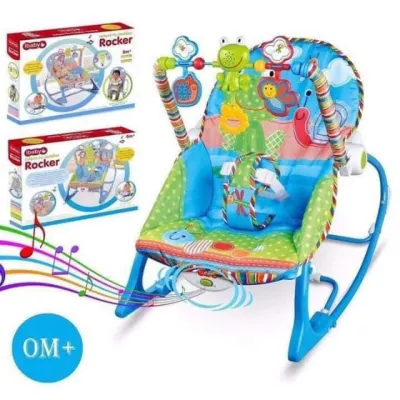
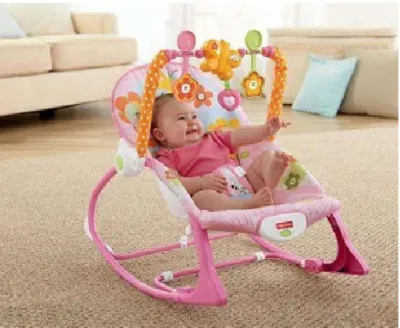
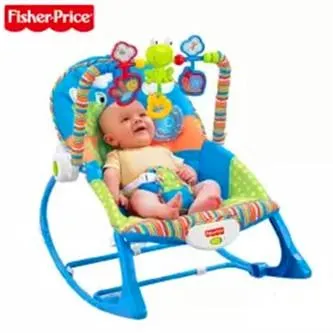
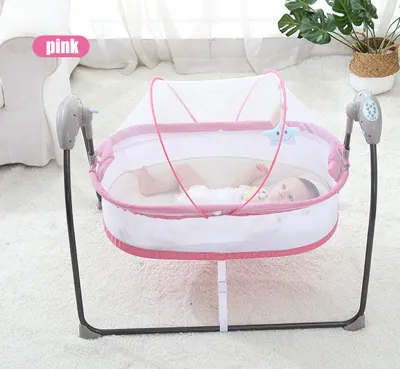
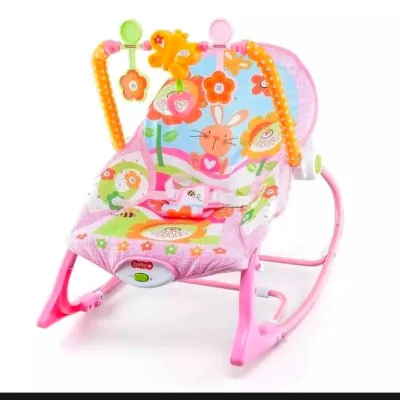
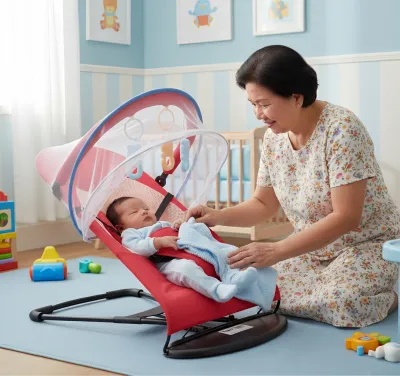
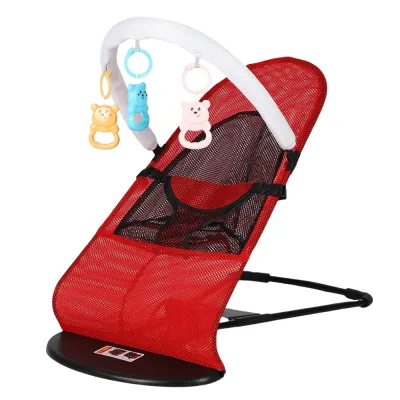
Prices are valid at publication and may change. Please refer to the product page for the latest price.
A manual baby rocker typically features a curved base, allowing it to rock back and forth much like a traditional rocking chair. These devices are often versatile, as many models can be locked into a stationary position for feeding or interactive play, and then unlocked for gentle, parent-assisted rocking. Because they rely on manual motion or the baby’s own movements, they do not require electrical outlets or constant battery replacements, making them highly portable and easy to move around the house.
In contrast, a stationary baby bouncer operates on a springy frame that responds directly to your baby’s natural movements. When your infant wiggles their arms or kicks their legs, the frame bounces up and down gently. This self-regulated motion is excellent for active playtime and helps develop motor skills, but it requires the baby to have some level of physical activity to keep the motion going. Bouncers are generally lightweight, have a very small footprint, and can be folded flat for storage, making them ideal for smaller living spaces or travel.
Motorized baby swings, on the other hand, use electricity or batteries to provide a continuous, automated swaying motion. These units are often larger and heavier, featuring a sturdy frame from which the seat is suspended. They frequently come with multiple speed settings, pre-programmed melodies, or vibration features. While highly effective at soothing infants who crave constant motion, swings occupy a significant amount of floor space and are less convenient to transport from room to room.
When searching for a rocker for a baby girl, you will likely encounter listings that combine these terms or offer hybrid designs, such as a bouncer that converts into a rocker. Understanding these mechanical distinctions allows you to filter through search results effectively. If you have limited space or prefer a highly portable option, a manual rocker or a compact bouncer may be your best choice. If your priority is hands-free, continuous soothing and you have ample room, a motorized swing might be worth considering.
Essential Safety and Comfort Features to Evaluate
Evaluating the structural safety and ergonomic design of a baby rocker is paramount before bringing it into your home. Because infants lack the strength to correct their posture or rescue themselves from awkward positions, the physical features of the rocker must do the protective work for them.

The harness system is your primary defense against accidental falls. Always look for a rocker equipped with a secure three-point or five-point harness. A three-point harness secures the baby around the waist and between the legs, which is generally sufficient for younger infants. A five-point harness adds shoulder straps, providing extra security for active babies who may attempt to roll or push themselves up. When inspecting a rocker, test the buckle mechanism to ensure it requires enough force that an older sibling cannot easily undo it, yet remains manageable for caregivers to operate quickly.
Adjustable recline positions are crucial for accommodating your baby’s changing physical needs. Newborns require a deep recline or a nearly flat position because they lack head and neck control; an upright angle can cause their head to flop forward, potentially chin-to-chest, which poses a serious suffocation hazard. As your baby grows and gains upper body strength, more upright seating positions become appropriate for interactive play or supervised feeding. Ensure the adjustment mechanism locks securely into place and cannot be accidentally dislodged.
Frame stability and base width are critical factors in preventing the rocker from tipping over. A wider, heavier base generally offers superior stability, especially on different flooring types common in Philippine homes, such as smooth ceramic tiles, polished wood, or textured concrete. Look for non-slip rubber grips on the bottom of the frame, which prevent the rocker from sliding across the floor as the baby moves or as you gently rock the unit.
Given the tropical climate of the Philippines, fabric breathability and ease of cleaning are essential for your baby’s comfort and hygiene. High humidity and warm temperatures can cause babies to sweat quickly, leading to skin irritation or heat rashes. Opt for rockers made with lightweight, mesh, or breathable cotton fabrics that promote airflow. Additionally, because spit-ups, diaper leaks, and feeding spills are inevitable, prioritize models with removable, machine-washable fabric covers. Avoid designs with intricate crevices where crumbs and moisture can trap, as these can quickly become breeding grounds for mold and bacteria.
Age, Weight, and Developmental Milestones
A baby rocker is not a permanent fixture in your child’s developmental journey; rather, it is a temporary tool with clear operational boundaries. Knowing when to introduce a rocker and, more importantly, when to retire it is vital for preventing injuries.
Before placing a newborn in a rocker, always verify the manufacturer’s minimum weight and age requirements. Many rockers are rated for use from birth, but this assumes the baby has reached a certain weight threshold, often around 3 kilograms. For very young infants, the rocker must provide adequate lateral support and head cushioning to prevent their head from slumping sideways. If the seat is too wide or lacks proper infant inserts, wait until your baby has grown sufficiently before using it.
Equally critical is monitoring the maximum weight limit and developmental milestones that signal it is time to stop using the rocker. Most standard infant rockers have a weight limit ranging from 9 to 18 kilograms, depending on whether they convert into toddler chairs. However, developmental milestones often supersede weight limits. You must stop using the rocker in its reclined, rocking mode the moment your baby shows signs of being able to sit up unassisted, roll over, or push up on their hands and knees. An active baby who can shift their body weight can easily tip the rocker over or climb out, risking severe falls.
It is also vital to understand the strict boundaries regarding infant sleep. While the gentle motion of a rocker often lulls a baby to sleep, these devices are not approved for unsupervised or prolonged sleep. The inclined angle of a rocker can cause a sleeping baby’s head to tilt forward, compressing their airway—a condition known as positional asphyxiation. If your baby falls asleep in the rocker, make it a strict rule to transfer them immediately to a flat, firm sleep surface, such as a crib or playpen, which complies with safe sleep standards.
Building Your Shortlist: A Step-by-Step Evaluation Checklist
With countless options available on ecommerce platforms and in physical baby boutiques, narrowing down your choices can feel overwhelming. To make an objective decision without relying on subjective rankings, use this step-by-step evaluation checklist to build a practical shortlist.
Step 1: Verify the manufacturer’s specifications. Do not rely solely on product titles or marketing descriptions that claim a product is “perfect for newborns.” Look up the official user manual or product specification sheet to confirm the exact minimum and maximum weight limits, as well as the recommended age range. Compare these figures directly with your baby’s current weight and developmental stage.
Step 2: Check for recognized safety certifications. Look for labels, packaging marks, or official manufacturer documentation indicating compliance with international safety standards, such as ASTM (American Society for Testing and Materials) or EN (European Standards). These certifications verify that the product has undergone rigorous testing for structural strength, non-toxic materials, and stability. If a product listing lacks any mention of safety standards, treat it with caution.
Step 3: Assess the footprint and portability. Measure the floor space where you plan to use the rocker most frequently. Consider how easily you can carry the unit from the living room to the kitchen or bedroom. If you travel often or visit relatives, look for models that fold flat or feature a lightweight frame. A heavy, bulky rocker might offer excellent stability but can become a hassle if you need to move it constantly.
Step 4: Review retail policies and customer support. When purchasing from online marketplaces or local department stores, check the seller’s return policy and warranty terms. A reputable manufacturer or authorized distributor should offer a clear warranty against manufacturing defects. Additionally, read customer feedback specifically regarding the ease of assembly, the responsiveness of customer service, and whether replacement parts (such as extra fabric covers) are readily available.
Safe Usage, Placement, and Maintenance
Even the highest-quality baby rocker can become hazardous if used incorrectly. Establishing safe daily habits and maintaining the equipment properly will ensure a secure environment for your baby girl.
First and foremost, always place the baby rocker on a flat, level floor surface. Never, under any circumstances, place a rocker on elevated surfaces such as beds, tables, kitchen counters, or sofas. The motion of the rocker, combined with the baby’s movements, can cause the unit to slide or tip off the edge, resulting in catastrophic falls. Additionally, soft surfaces like mattresses or sofa cushions can allow the rocker to tilt unexpectedly or block the unit’s ventilation.
Caregiver supervision is non-negotiable whenever your baby is in the rocker. Never leave your infant unattended, even for a quick moment to answer the door or check on cooking. Keep the rocker within your direct line of sight at all times. Ensure the area around the rocker is free from potential hazards, such as hanging electrical cords, window blind pull strings, tablecloths, or small objects that could present a choking hazard.
Routine maintenance is essential for preserving the structural integrity of the rocker. Before placing your baby in the seat, perform a quick visual inspection. Check that all hinges are locked, screws are tight, and the frame shows no signs of bending or cracking. Inspect the harness straps for fraying and ensure the buckle clicks securely. If you notice any loose parts or structural damage, discontinue use immediately until the issue is resolved according to the manufacturer’s instructions.
Proper cleaning routines keep the rocker hygienic and free from allergens. Always consult the manufacturer’s care tag before washing. For removable fabric covers, use a gentle, baby-safe detergent to prevent skin irritation, and air-dry the cover thoroughly to prevent mold growth, especially during the humid rainy season in the Philippines. For non-removable parts or spot-cleaning, use a damp cloth with mild soap, ensuring no chemical residue is left behind on surfaces your baby might touch or chew.
Frequently Asked Questions (FAQ)
Can a newborn sleep in a rocker overnight?
No, a newborn should never sleep in a rocker overnight or for any extended, unsupervised period. Rockers are designed with an incline, which poses a significant risk of positional asphyxiation if the baby’s head slumps forward and blocks their airway. Safe sleep guidelines dictate that infants should always sleep on their backs on a flat, firm, and separate sleep surface, such as a crib, bassinet, or playpen, free from soft bedding, pillows, or toys. If your baby falls asleep in their rocker, gently transfer them to their approved crib as soon as possible.
Are battery-operated rockers better than manual ones?
Neither type is universally superior; the best choice depends on your lifestyle and your baby’s unique preferences. Battery-operated or motorized rockers offer the convenience of continuous, hands-free motion, which can be highly effective for soothing fussy infants, though they tend to be heavier, noisier, and require ongoing battery costs or proximity to an electrical outlet. Manual rockers rely on your touch or the baby’s own movements, making them completely silent, highly portable, and more budget-friendly. Many parents find that a simple manual rocker is highly practical for moving around the home.
How do I clean a baby rocker with non-removable fabric?
To clean a rocker with non-removable upholstery, start by vacuuming or brushing away loose crumbs and dust from the crevices. Mix a small amount of mild, baby-safe liquid detergent with warm water, and use a clean, soft cloth or sponge to gently spot-clean the soiled areas. Avoid soaking the fabric, as excess moisture can seep into the underlying padding and lead to mold or mildew growth in humid climates. Wipe the area with a second damp cloth to remove any soap residue, and allow the rocker to air-dry completely in a well-ventilated room or under indirect sunlight before using it again.

Community discussion
Share your experience or ask a question. Comments are reviewed before publication.