
Finding a safe, comfortable sleep space for a newborn in a compact home requires balancing strict safety guidelines with practical spatial limits. In the Philippines, where multi-generational households and cozy room layouts are common, choosing a portable bassinet for baby means looking closely at how a sleeper fits into your daily routine and physical environment. A great portable bassinet must not only fit into tight corners but also handle the demands of a tropical climate, ensuring adequate airflow while remaining easy to move or store. By focusing on footprint, structural safety, and ease of movement, you can create a secure, peaceful sleeping zone for your little one without overcrowding your shared living space.
Assessing Your Space Constraints and Core Needs
Before browsing online marketplaces or baby boutiques, grab a tape measure to evaluate your actual room layout. Measure the exact floor space where you plan to position the bassinet, keeping in mind the clearance needed for opening wardrobe doors, bedroom doors, and desk drawers. You must also account for the walking paths you and other family members use during the night, ensuring no one trips over the bassinet legs in the dark.
Next, identify how you plan to use the bassinet throughout the day. If your baby will sleep in your bedroom at night and nap in the living room during the day, a lightweight model with wheels or a quick-folding frame is essential. Conversely, if the bassinet will remain stationary in a shared bedroom, you can prioritize a slightly heavier, more robust frame that stays in one place.
Products mentioned in this guide
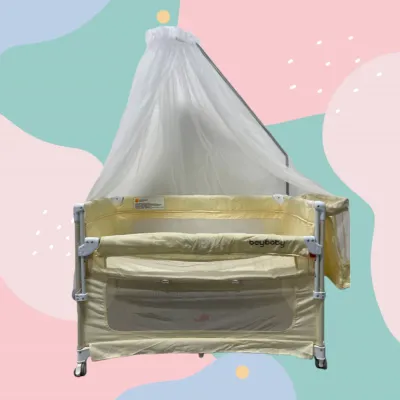
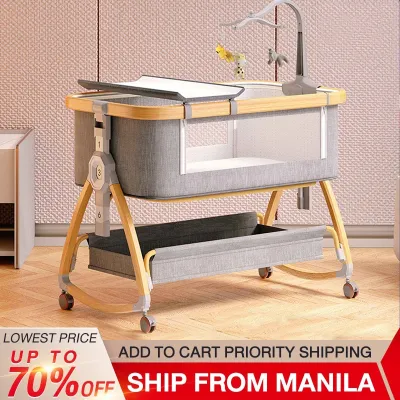
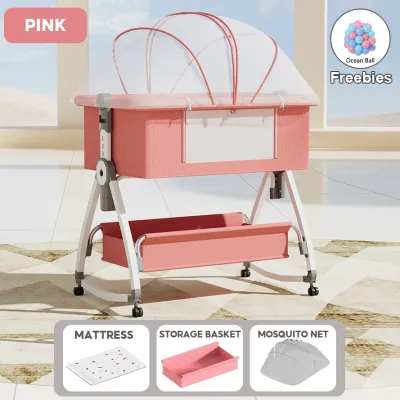
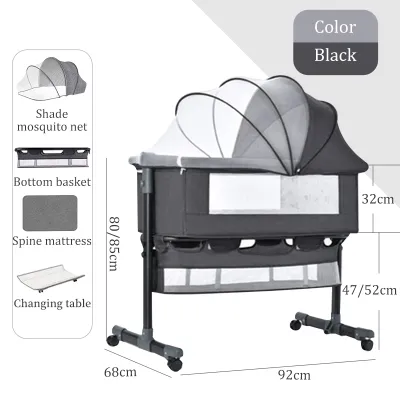
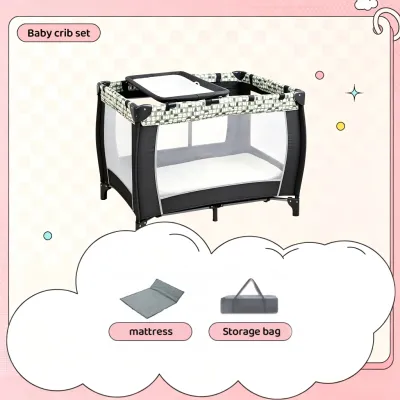
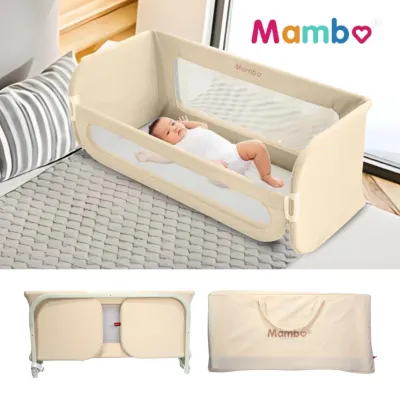
Prices are valid at publication and may change. Please refer to the product page for the latest price.
Household dynamics also play a major role in your decision, especially in shared or multi-generational Filipino homes. If your baby shares a room with older siblings, parents, or grandparents, you must plan for varying sleep schedules, ambient light, and foot traffic. Choosing a bassinet that can be easily shielded or moved to a quieter corner during daytime hours helps maintain a consistent sleep routine despite a busy household.
Essential Features for Space-Saving Portable Bassinets
When space is at a premium, the design details of your baby’s sleeper can make a significant difference in your daily comfort. Foldability and collapsibility are crucial features for small rooms. Look for bassinets that offer a quick, one-hand fold mechanism or a flat-fold profile that allows you to slide the unit under an adult bed or behind a door when it is not in use. Quick-release legs are also highly beneficial, as they let you disassemble the frame in seconds without needing specialized tools.

The footprint and base design of the bassinet dictate how much actual floor space it consumes. Traditional four-leg stands often flare outward to provide stability, which can easily trip passersby in narrow walkways. In contrast, C-shaped or cantilevered bases are designed to slide directly under your bed frame or sofa, allowing the sleeping basket to sit close to you without taking up valuable floor space in the middle of the room.
Weight and portability require a careful balance. While a feather-light frame is incredibly easy to carry from room to room, it must still possess a sturdy, low center of gravity to prevent accidental tipping. Always check the manufacturer’s specifications to ensure the frame is constructed from durable materials like lightweight aluminum or steel, rather than flimsy plastics that might warp over time.
Multi-functionality is another excellent space-saver in compact nurseries. Some portable bassinets feature built-in storage baskets or side pockets designed to hold diapers, wipes, and extra swaddles. This integrated storage eliminates the need for a separate, bulky changing table or diaper caddy, keeping your baby’s essentials organized and within arm’s reach without cluttering your limited floor space.
Matching Bassinet Styles to Your Room Setup
Different room layouts demand different bassinet configurations to maximize safety and comfort. For ultra-small bedrooms, prioritize bassinets with full mesh walls. Mesh panels are vital in the warm, humid climate of the Philippines, as they promote continuous airflow around your baby and help prevent overheating. Additionally, mesh sides allow you to easily check on your baby from your own bed without having to stand up or lean over the sleeper.
In shared, multi-generational rooms, light and noise management are your primary challenges. Look for portable bassinets that feature adjustable height settings, allowing you to align the baby’s sleep surface with the height of your mattress. Models equipped with an adjustable canopy or a deep shade are also highly useful in these environments, as they help block out ambient light from television screens, reading lamps, or morning sunlight filtering through shared windows.
If your baby will take daytime naps in shared living areas like the living room or dining space, mobility is key. Select a bassinet equipped with smooth-rolling wheels that lock securely into place once positioned. Always verify that the wheels are suitable for your home’s flooring, whether you have smooth tiles or wooden planks. If you prefer a model with soothing features, such as a gentle manual rocking motion, check the manufacturer’s guidelines to ensure the rocking mechanism can be locked completely flat when the baby is sleeping unattended.
Safety Standards and Setup Rules for Compact Spaces
No matter how tight your living quarters are, safety must never be compromised for convenience. When positioning your portable bassinet, maintain a safe clearance from potential hazards. Keep the bassinet far away from windows, blind cords, curtains, and electrical outlets, as these pose serious strangulation and electrical risks. Never place the sleeper underneath wall shelves, heavy picture frames, or hanging decorations that could fall into the bassinet during an earthquake or accidental bump.
The mattress and bedding setup inside the bassinet must strictly adhere to safe sleep guidelines. Only use the firm, flat mattress provided by the manufacturer, ensuring there are no gaps between the mattress edges and the bassinet walls. Never add extra blankets, pillows, quilts, or aftermarket mattress toppers to the bassinet, as soft bedding increases the risk of suffocation. To keep your baby warm, opt for a wearable sleep sack instead of loose blankets.
Always monitor your baby’s growth and developmental milestones against the manufacturer’s stated limits. Every portable bassinet has a specific weight limit, but developmental milestones are often more critical. You must transition your baby out of the bassinet and into a full-sized crib or playard as soon as they show signs of rolling over, turning, or pushing up on their hands and knees, regardless of whether they have reached the maximum weight limit.
Before making a purchase, verify that the portable bassinet meets recognized international safety standards, such as those certified by the Juvenile Products Manufacturers Association (JPMA) or European safety bodies. If you are considering a secondhand bassinet or a hand-me-down from a relative, search official product safety databases to ensure the model has not been recalled due to structural defects or safety hazards.
Daily Maintenance, Cleaning, and Storage
Keeping your baby’s sleep environment clean is essential for their health, particularly in warm and humid tropical climates. Always consult the manufacturer’s care label before cleaning the bassinet. Most modern portable bassinets feature removable fabric covers and mattress sheets that can be machine-washed on a gentle cycle. For the frame and non-removable parts, wipe them down regularly using a damp cloth and a mild, baby-safe, non-toxic cleaner.
Moisture control is a critical consideration in the Philippines, where high humidity can quickly lead to mold and mildew growth. After washing any fabric components or wiping down the frame, ensure every single part is completely dry before reassembling or folding the bassinet. Never pack a damp bassinet away, as mold can ruin the fabric and pose respiratory risks to your infant.
When storing the bassinet between uses or after your baby has outgrown it, choose a dry, temperature-controlled area of your home. Avoid storing baby gear in damp utility rooms or unventilated closets. Keep the folded bassinet inside its original travel or storage bag to protect the folding mechanisms from dust, pests, and moisture, ensuring it remains safe and functional for future use.
Frequently Asked Questions (FAQ)
Can I place a portable bassinet directly next to my bed?
Yes, placing a portable bassinet directly next to your bed is an excellent way to practice safe room-sharing, which is highly recommended for the first six months of a baby’s life. However, the bassinet must always remain on the floor on its own stable, locked base. Never place a portable bassinet, travel crib, or sleeping pod directly on top of your adult mattress, a sofa, or any other elevated, soft surface, as this creates a severe risk of the bassinet tipping over or the baby suffocating.
Are bedside sleeper bassinets safe for small rooms?
Bedside sleepers that attach directly to the adult bed can be safe and highly convenient for small rooms, provided you strictly follow the manufacturer’s installation instructions. You must ensure that the attachment straps are securely fastened to your bed frame with absolutely no gaps between the adult mattress and the bedside sleeper. Additionally, the drop-side wall of the bassinet must always be raised and locked into its fully upright position whenever the baby is sleeping unattended or when you are not actively comforting or feeding them.

Community discussion
Share your experience or ask a question. Comments are reviewed before publication.