
A newborn nasal aspirator is one of the most vital tools a parent can own, especially during the first few months of a baby’s life. Because newborns are obligate nasal breathers—meaning they naturally breathe almost exclusively through their noses—even a minor buildup of mucus can significantly disrupt their ability to feed, sleep, and breathe comfortably. Choosing the right device requires balancing suction efficiency, ease of cleaning, and safety to protect your baby’s delicate nasal passages.
In the Philippines, environmental factors like high humidity, seasonal weather shifts, and the frequent transition between hot outdoor air and dry, air-conditioned indoor spaces can easily trigger nasal congestion in infants. Finding an effective way to clear these blockages safely is essential for daily comfort. By understanding the different types of aspirators available and knowing what safety features to look for, you can confidently select a device that keeps your baby breathing easily.
Understanding Newborn Nasal Aspirator Types
To choose the best nasal aspirator for your baby, you must first understand the three primary categories available on the market. Each design operates on a different mechanism, offering distinct advantages and limitations regarding suction control, hygiene, and ease of use.
Products mentioned in this guide
![Haakaa Easy-Squeezy Silicone Nasal Aspirator (New Version) [Silicone Infant Nose Cleaner Suction Pump Bulb]](https://img.lazcdn.com/g/p/9cd5d1f42246bc6340fbd3b5469b0ac5.png_400x400q80.png_.webp)
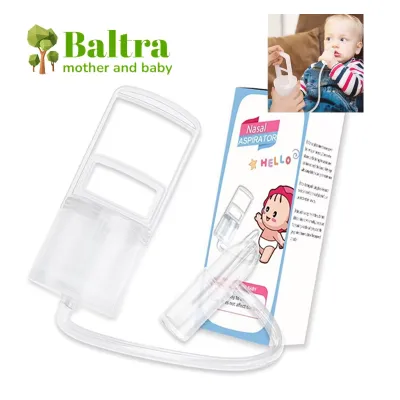
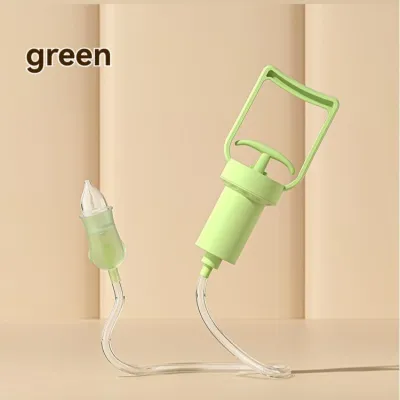
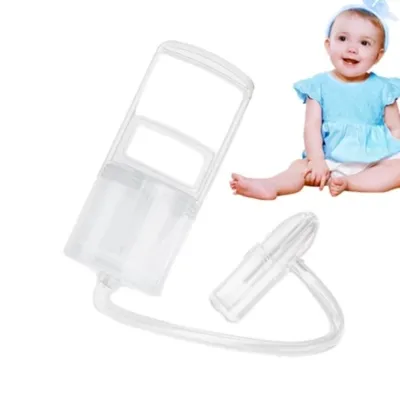
Prices are valid at publication and may change. Please refer to the product page for the latest price.
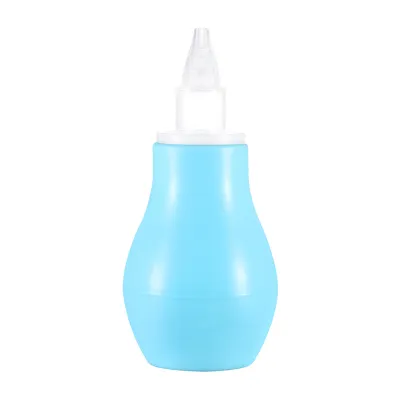
Bulb Syringes
Bulb syringes are the traditional, classic choice often provided in hospital discharge kits. These devices consist of a simple rubber or silicone bulb attached to a tapered nozzle. To operate, you squeeze the bulb to expel air, gently insert the tip into the baby’s nostril, and release the bulb to create a vacuum that draws out mucus.
While bulb syringes are highly affordable and widely available, they have significant limitations. The suction pressure is difficult to regulate precisely, as it depends entirely on how quickly you release your grip. More importantly, traditional one-piece bulb syringes are notoriously difficult to clean and dry inside. Because you cannot see inside the opaque rubber, moisture and organic matter can easily trapped, creating a high risk of mold and bacterial growth over time.
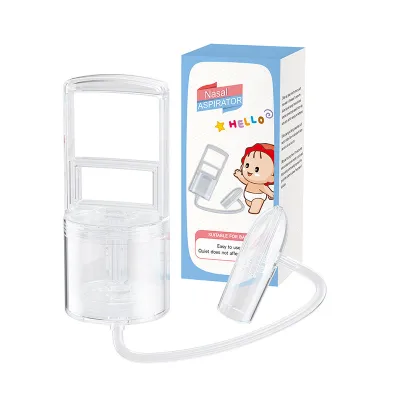
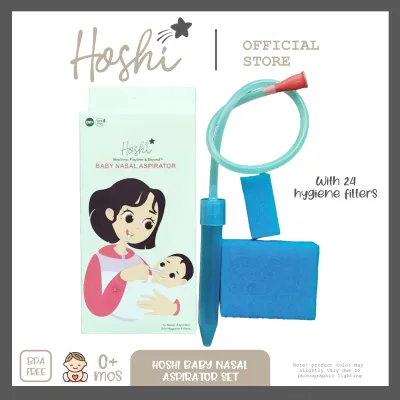
Mouth-Suction Aspirators
Also known as manual or tube-based aspirators, mouth-suction devices use a parent’s own lung power to generate suction. The design features a soft silicone tip placed at the entrance of the baby’s nostril, connected by a flexible plastic tube to a mouthpiece held by the caregiver. A built-in chamber with a physical filter collects the extracted mucus.
This design is highly favored by pediatricians and parents because it offers unmatched suction control. You can adjust the strength of the pull in real time, applying a gentle, steady draw or a quick, soft pulse depending on the mucus consistency. Although some parents are initially hesitant about the concept of mouth suction, physical foam filters or patented protective chambers completely prevent any mucus or airborne germs from reaching the caregiver’s mouth.
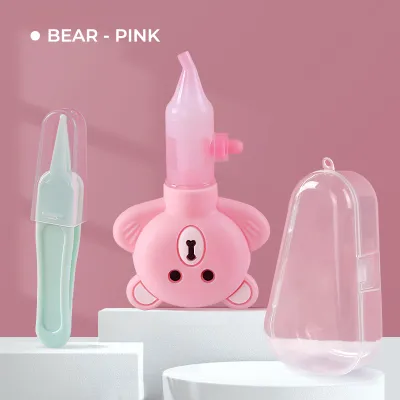
Electric/Battery-Operated Aspirators
Electric nasal aspirators utilize a small, motorized pump to create continuous, steady suction at the push of a button. These devices typically come with multiple power settings and various sizes of silicone tips to accommodate growing babies. Many modern rechargeable models also feature built-in distractions, such as soft lights or gentle lullabies, to help soothe a fussy baby during the process.
The primary benefit of an electric aspirator is convenience and speed, especially for parents who find manual mouth suction physically tiring or unappealing. However, motorized models do have drawbacks. The motor hum, even when designed to be quiet, can sometimes startle or frighten sensitive newborns. Additionally, electric models are more expensive, require regular battery charging or replacements, and are bulkier to travel with compared to simple manual tubes.
Comparing Nasal Aspirator Types
| Feature | Bulb Syringes | Mouth-Suction Aspirators | Electric Aspirators |
|---|---|---|---|
| Suction Control | Low (dependent on manual release) | High (controlled by parent's breath) | Medium (preset motorized levels) |
| Ease of Cleaning | Low (difficult to dry inside) | High (fully disassembles and washes) | Medium (requires careful motor protection) |
| Newborn Suitability | Moderate (tips can sometimes be rigid) | High (soft, flexible silicone tips) | High (with low-suction settings) |
| Key Trade-off | Low cost but high mold risk | Highly effective but requires mouth suction | Highly convenient but noisy and expensive |
Essential Safety and Design Features for Newborns
Newborn nasal passages are incredibly delicate, lined with thin, sensitive blood vessels that can easily bruise or bleed if subjected to harsh friction or excessive pressure. When evaluating any newborn nasal aspirator, several non-negotiable safety and design elements must be verified.

Tip Design
The part of the aspirator that contacts your baby’s nose must be made of soft, flexible, medical-grade silicone. Avoid hard plastic tips, which can easily scrape the delicate nasal lining if the baby suddenly moves their head. Additionally, look for tips with a wide, bulbous base. This safety design physically prevents the tip from being inserted too deeply into the nostril, protecting the inner nasal structures from accidental contact injury.
Suction Limits
Excessive suction pressure can cause the delicate nasal tissues to collapse, swell, or bleed, which actually worsens the baby’s congestion. For electric models, ensure the device has a low-power setting specifically calibrated for newborns. For manual options, remember that gentle, steady pressure is always safer and more effective than sharp, forceful pulls.
Hygiene Barriers
To protect both the baby and the caregiver, look for robust hygiene barriers. Manual mouth-suction models must feature high-quality, replaceable foam filters or secure backflow prevention valves to block mucus and aerosolized particles. Electric models should have a secure, sealed collection cup that keeps fluids entirely separate from the motor housing to prevent internal mold growth and cross-contamination.
Material Safety
Always check the product packaging or manufacturer documentation to confirm that all components contacting the baby’s skin or mucus are entirely BPA-free, phthalate-free, and non-toxic. Because these parts require frequent sanitization, the materials must be durable enough to withstand hot water washings and sterilization without degrading or leaching harmful chemicals.
Matching the Aspirator to Your Baby's Congestion Level
Not all congestion is the same, and matching the right tool to the specific situation can make the clearing process much smoother and more comfortable for your baby.
Mild Congestion
If your baby has minor, daily congestion caused by dry air-conditioned rooms or light dust, you will typically see clear, runny mucus or small dry crusts near the entrance of the nostrils. For these situations, a gentle approach is best. A manual mouth-suction aspirator used with a very light, soft pull is highly effective. Alternatively, a simple bulb syringe can work well for quickly clearing easily accessible fluid at the very front of the nose.
Thick or Stubborn Mucus
During seasonal changes, colds, or viral infections, mucus often becomes thick, sticky, and deeply lodged in the nasal passages. This level of congestion requires a high-efficacy tool. A mouth-suction aspirator is highly effective here, as it allows you to sustain a steady, controlled draw to slowly pull the thick mucus out. An electric aspirator set to a medium or high setting can also provide the continuous, motorized suction needed to clear stubborn blockages without requiring multiple manual attempts.
Baby's Temperament
Your baby’s individual sensitivity to sound and touch should also guide your choice. If your newborn is easily startled by noises, the hum of an electric aspirator may cause them to cry and thrash, making safe insertion difficult. In this case, a silent mouth-suction aspirator is a much safer option, allowing you to maintain close, soothing physical contact. If your baby is relatively calm but impatient, a quick-acting electric model can complete the job in seconds, minimizing the time they have to endure the procedure.
Safe Usage, Maintenance, and When to Stop
Using a nasal aspirator correctly is just as important as choosing the right device. Proper technique ensures that you clear the airways effectively without causing discomfort or injury to your baby.
Preparation
Never attempt to suction dry or highly viscous mucus directly, as this can cause pain and tissue irritation. Always begin by applying 1 to 2 drops of sterile, isotonic saline solution into each nostril. Wait approximately 30 to 60 seconds before suctioning. The saline works to chemically loosen and thin out the mucus, making it significantly easier and gentler to extract.
Safe Technique
To ensure safety, follow these step-by-step guidelines during the suctioning process:
- Positioning: Hold your baby in a slightly reclined or upright position, ensuring their head is gently but securely supported to prevent sudden jerking movements.
- Insertion: Gently place the silicone tip at the entrance of the nostril. Do not push the tip deep into the nasal cavity; it only needs to form a gentle seal against the rim of the nostril.
- Angle: Point the tip slightly outward toward the corner of the baby's eye or ear on the same side, rather than straight up or inward against the nasal septum (the middle wall of the nose).
- Duration: Limit suctioning to no more than 3 to 5 seconds per nostril at a time to prevent oxygen deprivation and mucosal irritation.
Cleaning Protocols
In the warm, humid climate of the Philippines, mold and bacteria can multiply rapidly on damp surfaces. It is critical to clean your nasal aspirator immediately after every single use. Disassemble all washable parts, such as the silicone tips, collection chambers, and tubing.
Wash these components thoroughly in warm, soapy water using a mild baby bottle cleanser. Rinse all parts with clean water. To sanitize, refer to your specific manufacturer’s instructions; most high-quality silicone tips can be boiled or steam-sterilized, but some plastic housings or motorized parts must never be exposed to extreme heat. Allow all components to air dry completely on a clean, dry towel in a well-ventilated area before reassembling.
Red Flags and Medical Boundaries
Nasal aspirators are designed to provide temporary comfort and support, not to treat underlying medical conditions. You should stop using the aspirator and consult a pediatrician immediately if you observe any of the following warning signs:
- Minor bleeding or persistent pink-tinged mucus from the nose.
- Signs of respiratory distress, such as rapid breathing, flared nostrils, grunting, or the skin pulling in tightly around the ribs or neck (chest retractions).
- Persistent, severe congestion that does not improve after several days of regular saline and gentle suctioning.
- The baby develops a fever, becomes unusually lethargic, or refuses to feed due to breathing difficulties.
Buying Checklist for the Philippines
When you are ready to purchase a newborn nasal aspirator in the Philippines, use this checklist to ensure you are buying a safe, authentic, and reliable product.
Regulatory Verification
Ensure the device complies with established health and safety standards. Look for products that carry clearances or registrations from recognized regulatory bodies, such as the Food and Drug Administration (FDA) of the Philippines, or equivalent international medical device certifications (such as US FDA or CE markings) indicated on the packaging.
Authorized Sourcing
Always purchase your baby care items from authorized brand stores, reputable local pharmacies (such as Mercury Drug or Watsons), or established, trusted mother-and-baby specialty retailers. Avoid purchasing unbranded, exceptionally cheap devices from unverified sellers on online marketplaces, as these products often lack quality control and may contain substandard, chemically unsafe plastics.
Replacement Parts Availability
Before finalizing your purchase, verify if consumable replacement parts—such as spare silicone tips and hygiene foam filters—are readily available for purchase in the local market. Choosing a popular, well-supported brand ensures you can easily restock these essential items, preventing your aspirator from becoming unusable once the initial filters run out.
Frequently Asked Questions (FAQ)
How often can I safely use a nasal aspirator on my newborn?
You should only use a nasal aspirator when your baby is visibly congested and having difficulty feeding or sleeping. Limit suctioning to 3 to 4 times a day at most. Over-suctioning can irritate and inflame the delicate nasal lining, which actually increases mucus production and worsens congestion.
Can using a nasal aspirator damage my baby's nasal passages?
Yes, damage can occur if the device is used incorrectly. Inserting the tip too deeply, scraping the inner walls of the nose, or applying excessive, prolonged suction can cause tissue swelling, irritation, or minor bleeding. Always use a soft silicone tip, apply gentle pressure, and follow the manufacturer’s safety guidelines.
Are saline drops necessary before using the aspirator?
While not strictly mandatory for thin, runny mucus, saline drops are highly recommended for general use. They are essential for loosening dry crusts and softening thick, sticky mucus. Using saline makes the extraction process much gentler, faster, and far more comfortable for your newborn.

Community discussion
Share your experience or ask a question. Comments are reviewed before publication.