
Transitioning your baby to solid foods is an exciting milestone, but it also introduces the daily task of preparing, portioning, and storing homemade purees. In the Philippines, where high humidity and warm temperatures can accelerate food spoilage, choosing the right storage system is essential for maintaining the freshness and safety of your baby’s meals. Glass food containers have become a preferred choice for many parents due to their hygienic properties, durability, and resistance to chemical leaching. To find the best baby glass food container for your needs, you must evaluate key factors such as thermal shock resistance, lid seal integrity, portion sizes that match your baby’s weaning stage, and clear manufacturer guidelines for freezer and microwave use.
Why Parents Choose Glass for Baby Food Storage
Unlike plastic alternatives, glass features a completely non-porous surface that does not absorb food colors, oils, or strong odors. This is particularly beneficial when storing vibrant or aromatic weaning ingredients common in Filipino households, such as squash, sweet potatoes, or fish-based purees. The smooth surface ensures that no lingering flavors transfer to the next batch of food, keeping each meal tasting fresh and appealing to developing palates.
The transparency of glass allows caregivers to easily inspect the container for leftover residue, grease, or mold before washing. In a tropical climate where mold and bacteria thrive in hidden crevices, being able to visually confirm that a container is completely clean provides peace of mind. Glass is also highly resistant to scratching, meaning there are no microscopic grooves where bacteria can hide and multiply over time.
Products mentioned in this guide
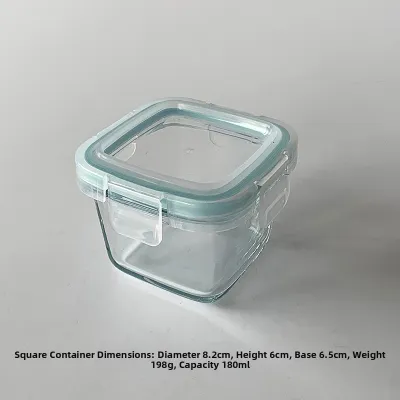
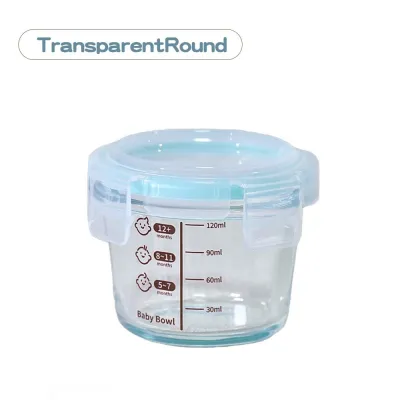
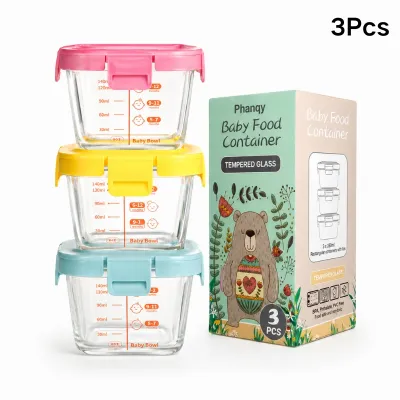
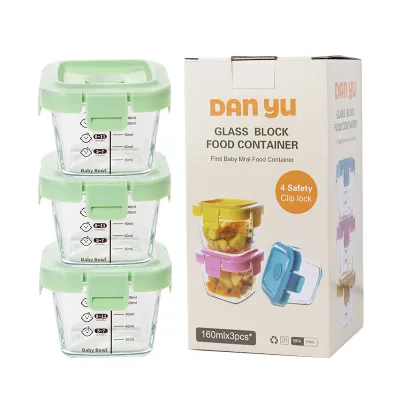
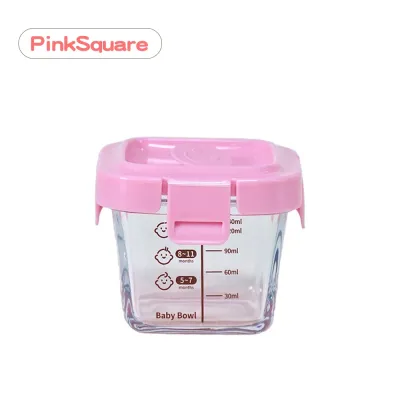
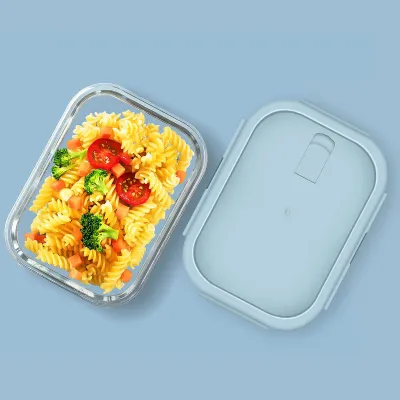
Prices are valid at publication and may change. Please refer to the product page for the latest price.
While glass offers excellent hygienic benefits, it is inherently fragile and requires careful handling. Caregivers must maintain absolute supervision whenever glass containers are in use. These containers are designed strictly for storage and preparation by adults; they should never be handed to a baby or toddler to hold, play with, or feed from directly. Understanding this safety boundary is crucial to preventing accidental drops, breakage, and potential injuries in the kitchen or dining area.
Essential Features to Evaluate Before Buying
Glass Type and Thickness
When browsing options, it is important to understand the difference between borosilicate glass and tempered glass. Borosilicate glass contains boron trioxide, which gives it a very low coefficient of thermal expansion. This means it can withstand rapid temperature changes—such as moving from a cold freezer directly into a warm bottle warmer or microwave—without cracking. Tempered glass, on the other hand, is physically strengthened through thermal or chemical treatments to resist impact. While tempered glass is less likely to break from a minor drop, it is more sensitive to extreme thermal shock than borosilicate glass. Parents should carefully check manufacturer labels to identify which type of glass is used and understand its specific thermal limits.

Lid Design and Seal
The lid is just as important as the glass container itself when it comes to preserving food quality and preventing leaks. Look for lids equipped with food-grade silicone seals and secure snap-lock mechanisms on all four sides. These seals create an airtight barrier that prevents moisture loss and protects purees from absorbing odors from other items in the refrigerator. It is also essential to verify whether the lids are made of BPA-free materials and to check their specific care instructions. Many plastic lids are not suitable for high-heat sterilization or microwave use, even if the glass base is, so you must confirm which components are dishwasher, microwave, or freezer safe.
Portion Sizes and Shapes
Baby food portions change rapidly as your child grows. During the initial stages of weaning, babies typically consume very small amounts, making 60ml to 120ml containers ideal for single-serving purees. As your baby’s appetite increases, you will need larger containers ranging from 150ml to 240ml to accommodate multi-ingredient meals and textured foods. Choosing wide-mouth designs is highly recommended, as they allow easy access for baby spoons and make manual cleaning much simpler, ensuring that no food particles remain trapped in tight corners.
Thermal Compatibility
Before subjecting any glass container to extreme temperatures, you must verify the manufacturer’s explicit instructions regarding thermal shock resistance. Even high-quality glass can shatter if exposed to sudden temperature differentials. For instance, placing a cold glass jar directly onto a hot surface or pouring boiling water into a frozen container can cause immediate structural failure. Always look for clear temperature range markings on the packaging or product manual to ensure safe handling during freezing, thawing, and reheating.
How to Build Your Shortlist from Local and Online Stores
When searching for baby glass food containers on local e-commerce platforms or in physical baby boutiques in the Philippines, look past generic marketing buzzwords like “premium quality” or “unbreakable.” Instead, focus on finding complete, detailed manufacturer specifications. Reliable brands will clearly state the exact materials used, the country of origin, and compliance with international food safety standards. If a product listing lacks these details, treat it as a warning sign and look for alternative options that prioritize transparency.
A safe shortlist should only include products that provide explicit care and usage instructions. Verify that the packaging or online description details the maximum and minimum temperature limits, sterilization compatibility (such as steam or UV sterilizer safety), and whether the container can be safely placed in the freezer. Having access to these clear guidelines helps you avoid accidental damage and ensures you are using the product exactly as intended by the manufacturer.
To get the best value for your budget, compare the price in ₱ per unit rather than just looking at the total package price. Often, purchasing a set or bundle of four to eight containers is significantly more cost-effective than buying individual jars. Consider your storage needs and how often you plan to prep meals; a larger bundle allows you to freeze a week’s worth of purees at once, while a smaller set might suffice if you prefer preparing fresh meals every two days.
User reviews can provide valuable insights into how a container performs in real-world conditions. Look specifically for feedback from other parents regarding the durability of the plastic latches on the lids, whether the silicone seals stretch or degrade after repeated washing, and how well the glass holds up in the freezer. Pay close attention to any mentions of leaks or difficulty in removing the silicone ring for cleaning, as these factors directly impact daily usability and hygiene.
Safe Handling, Cleaning, and Storage Practices
Temperature Management
To prevent thermal shock and ensure the longevity of your glass containers, always practice gradual temperature transitions. If you need to reheat a frozen puree, transfer the container from the freezer to the refrigerator the night before to let it thaw slowly. Alternatively, you can place the frozen container in a bowl of lukewarm water, gradually increasing the water temperature as the food thaws. Never place a frozen glass container directly into a microwave, bottle warmer, or pot of boiling water unless the manufacturer explicitly states it is safe to do so.
Cleaning and Inspection
Establishing a thorough cleaning routine is vital for maintaining food safety. After each use, disassemble the container completely by removing the silicone seal from the lid. Food residue and moisture can easily become trapped underneath the seal, creating a breeding ground for mold and bacteria, especially in the humid Philippine climate. Wash all parts with mild, baby-safe dishwashing liquid and warm water, using a soft sponge to avoid scratching the glass. Before reassembling and storing, visually inspect each container under good lighting for micro-chips, hairline cracks, or degraded seals. If you detect any structural compromise, stop using the container immediately.
Freezing Best Practices
When freezing homemade baby food, always leave adequate headspace at the top of the container. Liquids and purees expand as they freeze, and if a container is filled to the brim, the expanding food will exert pressure on the glass, causing it to crack or shatter in your freezer. Leave at least 1.5 to 2 centimeters of empty space below the rim to allow for safe expansion. Additionally, use water-resistant labels or chalk markers to write the preparation date and the ingredients on each container, ensuring you use the oldest batches first and maintain a safe rotation.
When to Retire a Container
Knowing when to discard a glass container is essential for your baby’s safety. You should immediately retire and safely discard any container that shows visible chips, cracks, or deep scratches, as these flaws weaken the glass structure and can lead to sudden breakage. Additionally, if the glass becomes permanently cloudy or discolored despite thorough cleaning, or if the lid’s locking mechanisms become loose and no longer provide an airtight seal, it is time to replace the unit. Continuing to use compromised containers risks food contamination or physical injury from glass fragments.
Frequently Asked Questions (FAQ)
Can I freeze homemade baby purees directly in glass jars?
Yes, you can freeze homemade baby purees directly in glass jars, provided the manufacturer has explicitly labeled the product as freezer-safe. Always ensure you leave sufficient headspace (about 1.5 to 2 centimeters) at the top of the jar to accommodate the expansion of the food as it freezes. Avoid moving the frozen jar directly from the freezer to a high-heat source, as the sudden temperature change can cause the glass to crack.
Are recycled glass jars safe for storing baby food?
While reusing commercial glass jars (such as those from pasta sauce or jam) seems eco-friendly, they are generally not recommended for long-term baby food storage, freezing, or reheating. Commercial jars are typically designed for single-use packaging and are made of thinner glass that lacks thermal shock resistance, making them highly prone to cracking in the freezer or microwave. Furthermore, their lids often feature single-use seals that can degrade, warp, or rust over time, compromising the airtight seal needed to keep food fresh.
How long can homemade baby food stay in a glass container in the fridge?
According to standard food safety guidelines, homemade baby food purees can be safely stored in an airtight glass container in the refrigerator for up to 24 to 48 hours. Purees containing meat, poultry, fish, or eggs should ideally be consumed within 24 hours, while vegetable and fruit purees can last up to 48 hours. Always ensure the lid is tightly sealed to prevent cross-contamination from other foods, and perform a quick visual and olfactory check before serving to ensure the food is fresh.

Community discussion
Share your experience or ask a question. Comments are reviewed before publication.