
Selecting the right diaper rash cream in the Philippines requires balancing robust moisture protection with skin breathability. In a tropical climate where high temperatures and soaring humidity are daily realities, a heavy, suffocating barrier can trap sweat and worsen skin irritation. The ideal solution is a formulation that shields your baby’s delicate skin from wetness while allowing the skin to breathe, preventing both friction-induced chafing and heat-related rashes. By understanding how tropical conditions affect infant skin and learning how to read product labels, you can maintain your baby’s comfort even during the hottest months of the year.
Why Humid Weather Changes Your Diaper Rash Cream Needs
The tropical climate of the Philippines presents unique challenges for infant skincare, particularly in the diaper area. High ambient temperatures trigger sweat production, while elevated humidity prevents that sweat from evaporating efficiently. When a baby wears a diaper, this trapped moisture creates a warm, humid microclimate inside the diaper core. The combination of friction from movement and constant moisture weakens the skin’s natural outer barrier, making it highly susceptible to breakdown.
Standard diaper dermatitis typically occurs when the skin is exposed to the ammonia and enzymes present in urine and stool. However, in humid weather, this classic irritation is frequently compounded by heat-related skin issues, such as miliaria rubra (commonly known as heat rash or bungang-araw). Heat rash occurs when sweat ducts become clogged, trapping perspiration beneath the skin. Applying an excessively heavy, non-breathable barrier cream over damp skin can inadvertently seal these ducts, exacerbating heat rash alongside diaper irritation.
Products mentioned in this guide
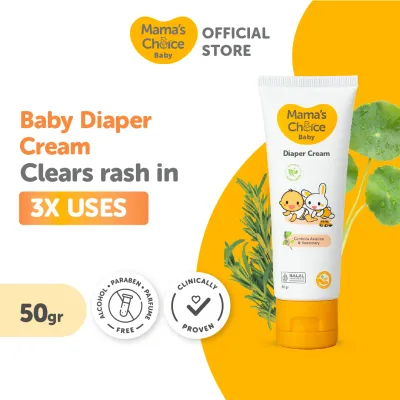
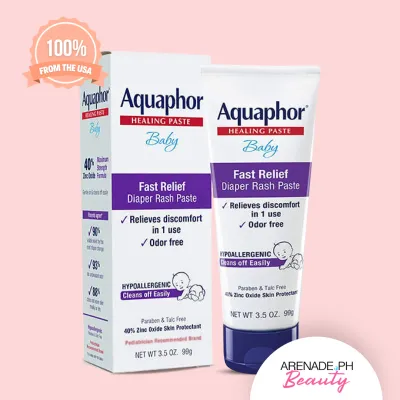
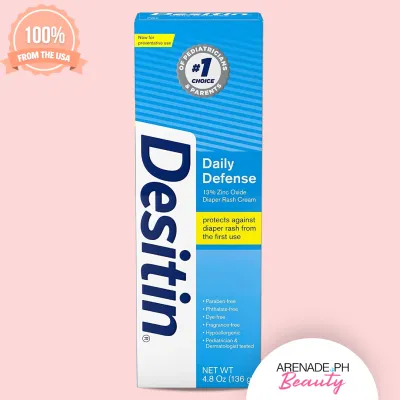
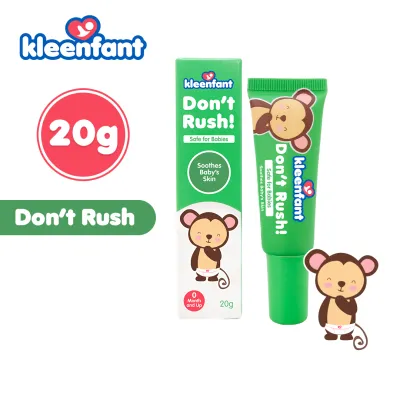
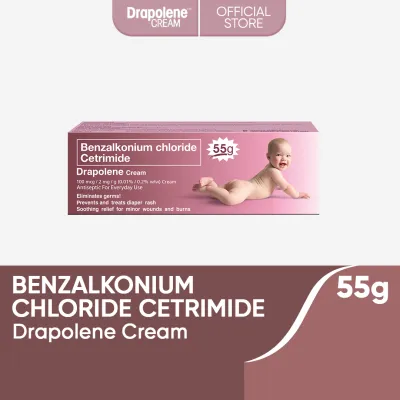
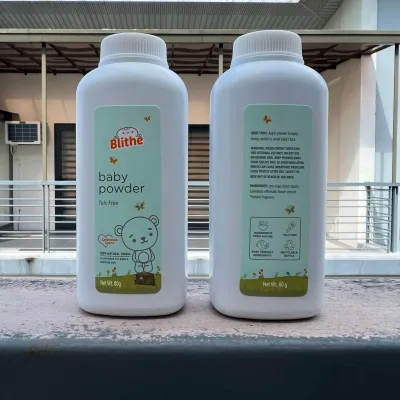
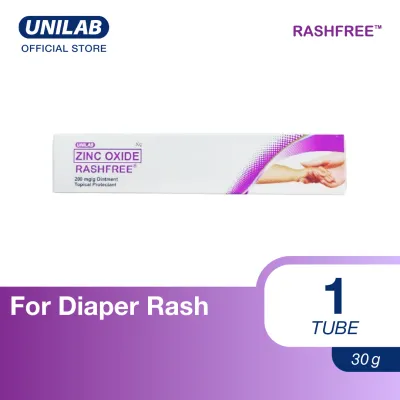
Prices are valid at publication and may change. Please refer to the product page for the latest price.
To protect your baby’s skin during hot days, you need a barrier cream that performs a dual role. It must repel external moisture from urine and feces while remaining light enough not to trap sweat against the skin. Understanding this balance helps you choose products that support the skin’s natural recovery process rather than creating a suffocating layer that traps heat and moisture.
Key Ingredients to Look for on the Label
When evaluating diaper rash creams for tropical climates, reading the ingredient list is the most reliable way to determine how a product will perform on your baby’s skin. The primary active ingredient to look for is zinc oxide. Zinc oxide is a mineral that provides a physical barrier against moisture while offering mild soothing properties. For daily prevention in humid weather, a lower concentration of zinc oxide (typically between 10% and 12%) is often sufficient to protect the skin without creating an overly thick, occlusive layer. For active, red rashes, a higher concentration (up to 40%) may be necessary to provide a heavy-duty shield, though this should be transitioned back to a lighter formula once the skin heals.

Other common barrier ingredients include petrolatum (petroleum jelly) and dimethicone. Petrolatum is highly effective at sealing out moisture, but in extremely hot weather, a pure petrolatum ointment can feel greasy and heavy. Dimethicone, a silicone-based skin protectant, offers a lighter alternative that glides smoothly onto the skin, creating a breathable barrier that resists water without feeling excessively sticky or trapping sweat.
It is equally important to identify ingredients you should avoid. Heavily fragranced creams, artificial colorants, and certain preservatives can sensitize skin that is already compromised by heat and friction. In a humid environment, sweat-dampened skin is more permeable and sensitive to allergens. Opt for fragrance-free, hypoallergenic formulations to minimize the risk of contact allergies and further irritation. Always check the product label to verify that the formulation is free from unnecessary additives before application.
Additionally, pay close attention to how you store these products in a tropical climate. High ambient temperatures can cause some cream formulations to separate, where the oil and active ingredients split. Store your diaper rash creams in a cool, dry place away from direct sunlight, and check the consistency of the cream before applying it to your baby’s skin. If a product has separated or smells unusual, it may no longer provide an effective barrier and should be replaced.
Texture and Formulation: Creams, Ointments, and Pastes
Diaper rash products come in various textures, and matching the consistency to both the weather and your baby’s skin condition is key to maintaining comfort. Lightweight creams are water-based formulations that absorb quickly and leave a thin, breathable protective layer. These are highly suitable for daytime use during the hottest hours in the Philippines, as they do not feel heavy or greasy under a diaper and allow sweat to escape more freely.
Ointments are typically oil- or petrolatum-based and have a greasy, semi-solid texture. While they are excellent for dry skin, they can feel uncomfortable and trap heat during humid days. Pastes are thick, heavy formulations containing a high percentage of zinc oxide. Pastes do not wash away easily and are designed to stay in place even when in contact with wet diapers.
A practical approach for tropical climates is to use lightweight creams for routine, daily prevention during the day when diaper changes are frequent. Reserve thick pastes or ointments for overnight use, when the baby goes longer periods between changes, or for targeted application when active redness is visible. Always read the manufacturer’s instructions on the packaging to ensure you are applying the product as intended for your baby’s specific age and skin condition.
Application and Diapering Habits for Tropical Climates
Even the most effective diaper rash cream can fail if the application technique does not account for tropical humidity. The most critical step in applying any barrier product is ensuring the skin is completely dry beforehand. Applying cream over skin that is still damp from a bath, a wipe, or sweat traps that moisture directly against the skin under the barrier layer. This trapped wetness can macerate the skin, making it more vulnerable to breakdown and fungal growth. After cleaning, gently pat the area dry with a clean, soft cotton cloth, or let it air-dry completely before applying the cream.
In high-humidity environments, diapering habits must be adjusted to minimize moisture buildup. Increase the frequency of diaper changes, even if the diaper does not seem fully saturated, to prevent urine and sweat from sitting against the skin. Additionally, incorporate supervised diaper-free time into your daily routine. Allowing your baby to spend fifteen to thirty minutes a day without a diaper lets air circulate freely, drying out the skin folds naturally and reducing the risk of friction.
When cleaning the diaper area, use gentle techniques to preserve the skin’s natural protective oils. Avoid harsh rubbing or using wipes that contain alcohol or strong synthetic fragrances, which can strip the skin barrier. Instead, use lukewarm water and a soft cloth, or alcohol-free, fragrance-free wipes. Apply the diaper rash cream in a thin, even layer, focusing on the areas most prone to chafing, such as the leg creases and the buttocks.
Another helpful tip for tropical climates is to evaluate the fit of your baby’s diaper. A diaper that is too tight restricts air circulation and increases friction against the skin, especially when the baby sweats. Choosing a slightly larger diaper size or one with breathable outer layers can significantly reduce moisture buildup, allowing the diaper rash cream to perform its protective function more effectively.
When to Stop and Consult a Pediatrician
While consistent diaper hygiene and barrier creams resolve most mild irritations, the warm and humid climate of the Philippines creates an ideal breeding ground for microbes. Fungal infections, particularly those caused by Candida (yeast), thrive in warm, moist, and dark environments like the inside of a diaper. A fungal diaper rash looks different from standard chafing; it often presents as bright red, swollen patches with distinct borders and small “satellite” red spots spreading outward into the groin or thighs. Standard zinc oxide barrier creams will not cure a fungal or bacterial infection.
You should stop using over-the-counter barrier creams and consult a pediatrician if you observe any red flags. These include a rash that does not improve after three days of consistent care, rashes that bleed, blister, or ooze pus, or if your baby develops a fever. Additionally, if the rash spreads significantly beyond the diaper area or causes your baby unusual pain and discomfort during changes, professional medical evaluation is necessary.
Always follow the specific advice of your healthcare provider and the instructions on any prescribed treatments. Do not apply medicated antifungal or steroid creams without a professional diagnosis, as improper use can thin or damage your baby’s delicate skin.
Frequently Asked Questions (FAQ)
Can I use powder along with diaper rash cream in humid weather?
Combining baby powder and diaper rash cream is not recommended, especially in humid conditions. When powder mixes with cream or sweat, it can form a thick, pasty paste that cakes in the skin folds, trapping moisture and bacteria while causing increased friction. Furthermore, pediatric guidelines warn against the inhalation risks associated with fine powders. Always check specific product instructions and rely on a single, well-formulated barrier cream applied to clean, dry skin instead of mixing multiple products.
Should I apply a thicker layer of cream during the rainy season?
The rainy season in the Philippines brings even higher relative humidity, which can increase the risk of skin irritation. However, applying an excessively thick layer of cream is not always the best solution, as it can reduce skin breathability and trap sweat. Instead of simply applying more product, focus on increasing the frequency of diaper changes and ensuring the skin is thoroughly dry before application. Adjust the thickness of the barrier based on your baby’s observable skin condition rather than the season, using a slightly more robust layer only if you notice early signs of redness or irritation.

Community discussion
Share your experience or ask a question. Comments are reviewed before publication.