
Setting up a nursery in a compact home, such as a condominium or a cozy townhouse, requires maximizing every square inch of available space. The ideal diaper changing pad for a small room is one that adapts to your existing furniture or utilizes vertical space without cluttering the layout. Rather than buying a bulky, single-purpose changing table, parents often benefit most from contoured foam pads secured to a sturdy dresser, or portable, foldable pads that can be stored away when not in use. Managing tropical humidity also means prioritizing waterproof, easy-to-wipe materials that prevent moisture buildup.
Assessing Your Nursery Space and Layout
Before purchasing any diaper changing pad, take precise measurements of your nursery’s layout. Use a physical tape measure to map out the exact footprint of the area where you plan to change your baby. Ensure there is at least 60 to 90 centimeters of clear standing room in front of the changing surface so you can stand comfortably and move your arms without bumping into walls or other furniture.
Pay close attention to door swing paths, wardrobe doors, and drawer openings. A changing station placed too close to a door or closet can block entryways or cause accidental collisions when someone enters the room. If you are placing a pad on top of a chest of drawers, verify that you can fully open every drawer to access diapers and clothes while still maintaining a safe, balanced stance.
Products mentioned in this guide
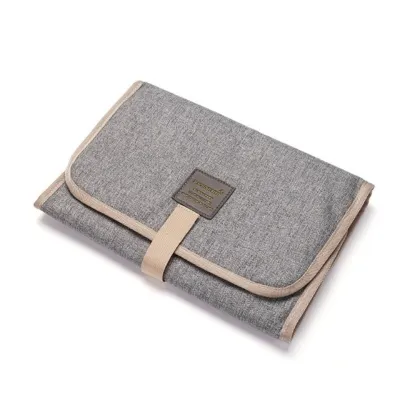
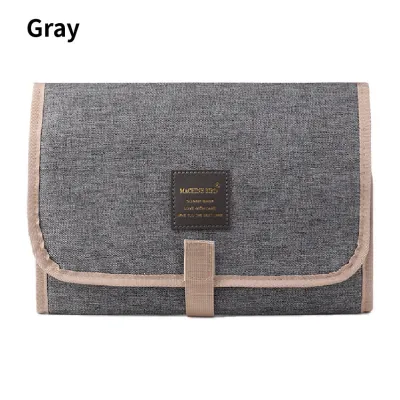
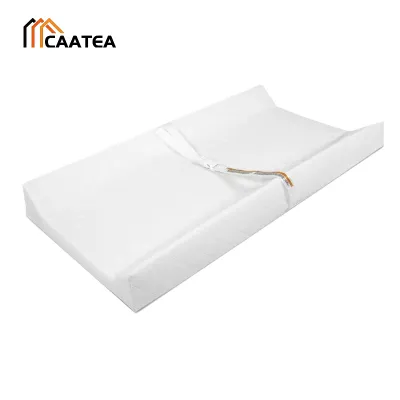
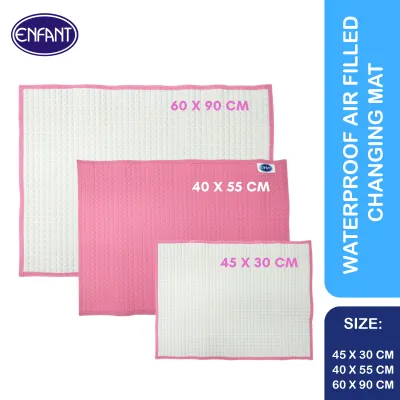
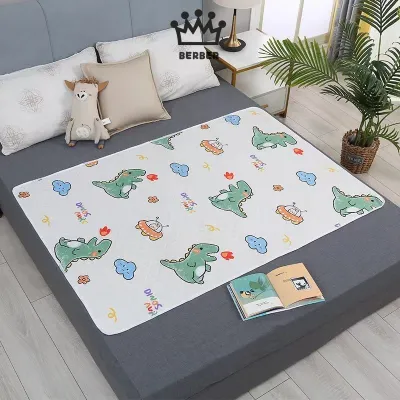
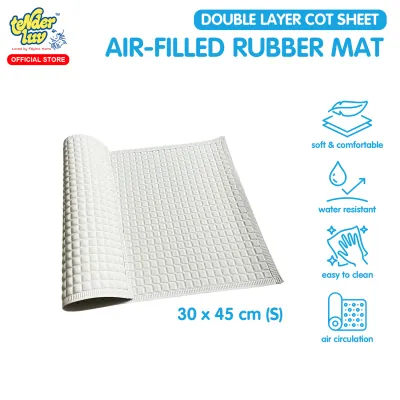
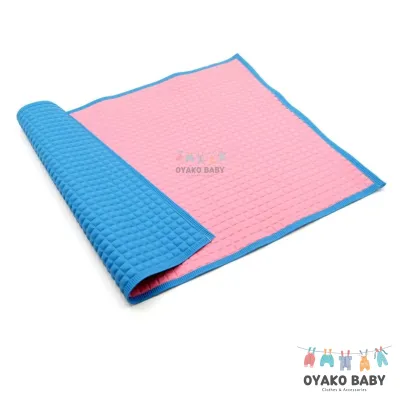
Prices are valid at publication and may change. Please refer to the product page for the latest price.
Evaluate the height and stability of your existing furniture. The surface should ideally align with your waist to prevent back strain during frequent daily changes. If you plan to use a dresser, ensure its top surface is wider and deeper than the changing pad itself, leaving a safety margin on all sides.
Types of Space-Saving Diaper Changing Pads
When floor space is limited, standard freestanding changing tables can quickly make a room feel cramped. Fortunately, several compact structural designs allow you to create a functional changing station without sacrificing valuable square footage. These options range from versatile toppers for existing furniture to wall-mounted units and multi-functional storage tables.

Portable and Contoured Pads for Existing Furniture
Contoured changing pads are designed to sit directly on top of flat surfaces like dressers, desks, or even sturdy tables. Before choosing this option, measure the depth and width of your furniture to ensure the pad will not overhang the edges. Any overhang compromises stability and increases the risk of the pad sliding off during use.
Look for models equipped with non-slip bottom surfaces or rubber grip pads that prevent sliding on polished wood or laminate. Most high-quality contoured pads also feature safety straps that screw directly into the back of your dresser. Always utilize these anchoring straps to secure the pad firmly to the furniture frame.
Portability is another major advantage of these lightweight pads. If your nursery is exceptionally small, you can easily move a lightweight foam or plastic pad from the dresser to a bed or even the living room floor. This flexibility is highly practical for multi-story homes or shared family spaces where a permanent station is not feasible.
Wall-Mounted and Fold-Down Changing Stations
Wall-mounted changing stations offer an excellent way to utilize vertical space, completely freeing up your floor footprint. These units fold flat against the wall when closed and lower to a horizontal position when needed. However, because they must support the dynamic weight of a growing baby, they require highly secure installation.
Never mount a fold-down changing station directly into standard drywall or plaster without proper structural support. You must locate and anchor the mounting brackets directly into solid wooden wall studs or concrete walls, depending on your home’s construction. If you are unsure about your wall’s load-bearing capacity, consult a qualified professional installer to prevent structural failure.
Before purchasing, check the folded dimensions of the unit to ensure it does not obstruct walkways or door frames when closed. Verify the manufacturer’s maximum weight limits and structural requirements. Regularly inspect the hinges, mounting screws, and locking mechanisms to ensure they remain tight and secure over months of daily use.
Compact Changing Tables with Built-In Storage
If you do not have existing furniture to use, a compact, freestanding changing table with built-in storage is a practical alternative. These specialized tables typically have a much smaller footprint than a standard bedroom dresser, making them easier to tuck into tight corners or alcoves.
Look for designs that feature open shelving, wire baskets, or vertical drawers directly beneath the changing surface. This configuration allows you to store diapers, wipes, swaddles, and fresh clothes within arm’s reach, eliminating the need to leave your baby unattended to grab supplies.
To maximize the long-term value of your purchase, check if the top changing pad or safety rails are removable. Many modern compact tables can be converted into standard shelving units or toy organizers once your child outgrows the diaper stage, preventing the furniture from becoming obsolete.
Key Features to Check for Compact Spaces
In a small nursery, maintaining hygiene and order requires products that are easy to clean and maintain. Look for diaper changing pads made from waterproof, non-porous materials like polyurethane foam or wipeable vinyl. In the tropical climate of the Philippines, high humidity can encourage mold growth, so avoiding fabric covers or deep crevices where moisture can trap is essential.
The pad should feature raised safety contours on the sides to help keep your baby centered during changes. Ensure the safety belt is securely attached to the core of the pad and can be adjusted easily with one hand. These safety features are particularly critical when using smaller or non-standard surfaces where space is tight.
Lightweight construction and foldability are highly beneficial if you need to store the pad away frequently. Some travel-friendly or folding pads can be tucked into a drawer or hung behind a door when not in use. Choose designs with smooth, seamless surfaces that can be sanitized quickly with a simple wipe, reducing the need for frequent machine washing.
Safety and Installation Checks Before You Buy
Before finalizing your purchase, carefully review the manufacturer’s product documentation to verify the weight limits and age recommendations. Never assume a changing pad is suitable for your baby based solely on its name or visual appearance. Ensure the product aligns with your baby’s current weight and developmental stage.
Evaluate the stability of any furniture you plan to use as a changing surface. Top-heavy dressers pose a serious tip-over risk, especially when drawers are pulled out or when a caregiver leans against the edge. Always install anti-tip wall straps to secure the dresser or changing table firmly to the wall, preventing accidental tipping.
Plan the assembly and installation process thoroughly before the product arrives. If the installation requires drilling into concrete walls, mounting heavy hardware, or modifying existing furniture, assess your tools and skills honestly. If you encounter any structural uncertainty or lack the necessary tools, stop and consult a qualified professional to ensure a safe setup.
Frequently Asked Questions (FAQ)
Can I use a regular dresser as a changing table in a small room?
Yes, you can convert a regular dresser into a changing table, provided the top surface is large enough to accommodate the changing pad without any edge overhang. Measure both the dresser top and the pad’s dimensions carefully before assembly. To ensure safety, you must anchor the dresser securely to the wall using an anti-tip kit to prevent it from falling forward. Additionally, verify that the dresser is structurally stable, level, and capable of supporting the combined weight of the pad, your baby, and your changing supplies.
Are wall-mounted changing tables safe for everyday use?
Wall-mounted changing tables are safe for daily use only when installed strictly according to the manufacturer’s instructions. They must be anchored directly into solid wall studs or concrete walls; mounting them solely into drywall or plasterboard is highly dangerous and can lead to structural failure. Always adhere to the manufacturer’s stated maximum weight capacity, which includes both the baby and any stored supplies. Establish a weekly routine to inspect the hinges, wall anchors, and safety straps for any signs of wear, loosening, or structural fatigue.

Community discussion
Share your experience or ask a question. Comments are reviewed before publication.