
Selecting a crib and foam mattress set is a foundational step in preparing your baby’s nursery. In the Philippines, where high humidity and warm temperatures are year-round considerations, finding a combination that balances structural safety with excellent ventilation is essential. A bundled set offers a practical solution for busy parents, ensuring that the mattress and the crib frame are dimensionally compatible right out of the box. This compatibility is crucial for eliminating dangerous gaps that could pose safety risks to an infant.
To make an informed purchase, parents must look beyond aesthetics and focus on verifiable safety standards, material breathability, and structural integrity. A suitable sleep setup must provide a firm, flat surface for the baby while resisting the moisture buildup common in tropical climates. By understanding what to look for in both the crib frame and the foam core, you can create a secure, comfortable, and durable sleeping environment that supports your child’s development from infancy through the toddler years.
Why the Right Crib and Foam Mattress Combination Matters
Pairing a sturdy crib frame with a supportive foam mattress is vital for your baby’s safety and overall sleep quality. During the first year of life, infants spend more time asleep than awake, making their sleep environment the primary space where their physical development occurs. A high-quality combination ensures that the baby’s spine is properly supported while minimizing the risks associated with improper sleep surfaces.
Products mentioned in this guide
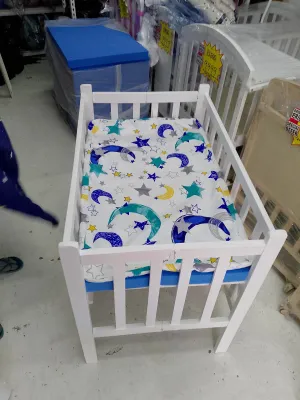
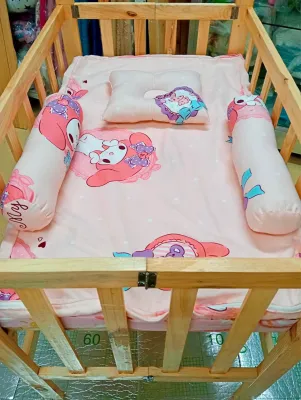




Prices are valid at publication and may change. Please refer to the product page for the latest price.
Mattress firmness is one of the most critical factors in reducing sleep-related hazards for infants. Unlike adults, who often prefer soft, contouring surfaces, babies require an extra-firm mattress. A soft surface can conform to an infant’s face if they roll over, potentially blocking their airway and increasing the risk of suffocation. A firm foam mattress provides the resistance needed to keep the baby’s airway clear and supports their rapidly growing bones and muscles.
Opting for a bundled crib and mattress set is a highly effective way to guarantee exact dimensional compatibility. When you purchase these items together, the manufacturer has already matched the dimensions of the mattress to the interior frame of the crib. This eliminates the guesswork and the risk of ordering mismatched components, which can leave dangerous gaps along the sides or corners of the sleeping area.
While buying a bundled set offers convenience and peace of mind, it is helpful to weigh the practical benefits against potential trade-offs. Bundles often present a more cost-effective option than purchasing a crib and a premium mattress separately. They also save significant time during the shopping process. However, some pre-packaged sets may limit your ability to choose specific mattress materials or specialized foam types. If you have highly specific preferences for organic covers or advanced cooling technologies, you will need to verify that the bundled mattress meets those standards before buying.
Key Features to Look for in a Foam Mattress
When evaluating the foam mattress included in a crib set, firmness should be your primary check. You can test this by pressing your hand firmly into the center and edges of the mattress; it should snap back immediately without leaving an indentation. Many modern foam mattresses feature a dual-sided design to accommodate your child’s changing needs. These models have an extra-firm side engineered for infants and a slightly softer, more resilient side designed for toddlers. Always check the manufacturer’s labels to identify which side is which and to verify the recommended transition age.

In the tropical climate of the Philippines, breathability and temperature regulation are essential features for any baby mattress. High humidity and elevated room temperatures can cause standard polyurethane foam to trap body heat, leading to discomfort, heat rashes, and disrupted sleep for your baby. Look for foam mattresses designed with open-cell technology, ventilation channels, or breathable mesh borders that facilitate continuous airflow. These features help dissipate heat and moisture, keeping the sleep surface cool and dry.
Hygiene maintenance is another critical consideration, as moisture buildup in a humid environment can encourage the growth of mold, mildew, and dust mites. A high-quality foam mattress should come with a removable, washable, and water-resistant or waterproof cover. This protective barrier prevents diaper leaks, spit-up, and sweat from penetrating the foam core, where liquids are difficult to extract. Ensure the cover can be easily zipped off and machine-washed without shrinking or losing its protective qualities.
Before finalizing your choice, read the product labels and documentation carefully. Verify that the foam materials are certified low-emission and free from harmful chemical flame retardants, heavy metals, and formaldehyde. Check the manufacturer’s specific age, weight, and developmental recommendations to ensure the mattress is suitable for your baby’s current growth stage.
Evaluating Crib Safety and Build Quality
The crib frame serves as the structural foundation of your baby’s sleep environment, requiring a thorough inspection of its build quality and safety features. Start by measuring the spacing between the crib slats. To prevent a baby’s head, limbs, or body from becoming trapped, the distance between slats must not exceed 6 centimeters (approximately 2.36 inches). A simple household test is to check if a standard soda can passes through the slats; if it does, the spacing is too wide and the crib is unsafe.
Next, examine the physical finishes and hardware of the crib. Run your hands along the wooden or metal components to check for smooth surfaces, rounded corners, and the complete absence of splinters or sharp edges. Ensure that all paints, stains, or varnishes used on the frame are certified non-toxic and lead-free, as teething babies often chew on the crib rails. All screws, bolts, and brackets should fit flush against the frame, with no exposed hardware that could catch on your baby’s clothing or scratch their skin.
An adjustable mattress base is a crucial feature that allows the crib to grow with your child. Most safe cribs offer at least three height positions. Use the highest setting for newborns to make lifting your baby easier on your back. As soon as your baby shows signs of rolling over or sitting up, lower the mattress base to the middle setting. Before your baby is able to pull themselves up to a standing position, the base must be adjusted to its lowest setting to prevent them from climbing or falling out of the crib.
Finally, carefully review the manufacturer’s assembly instructions and structural guidelines. Ensure that all components are present and that you can assemble the crib securely without substituting any hardware. Check the documentation for the maximum weight limits and recommended maintenance schedules. Regularly inspect the crib to tighten any bolts that may have loosened from daily use or the baby’s movement.
How to Ensure a Proper Fit and Avoid Hazards
Even when purchasing a bundled crib and foam mattress set, you must verify the physical fit once the items are assembled in your home. The most reliable way to do this is by applying the “two-finger rule.” Insert your index and middle fingers between the edge of the mattress and the inner side of the crib frame. If you can easily fit more than two fingers into this space, the gap is too large. An oversized gap poses a severe entrapment hazard, as a baby’s limbs or head could slip into the space and become stuck.
Using an ill-fitting mattress or attempting to correct a poor fit with makeshift solutions can introduce significant dangers. Never add aftermarket mattress toppers, extra blankets, or folded towels under or over the mattress to make it softer or to fill gaps. These materials can easily bunch up, creating suffocation hazards. Additionally, avoid using padded crib bumpers. While once popular, modern pediatric safety guidelines advise against them because they restrict airflow and present a suffocation or climbing hazard.
As your baby grows, you must remain vigilant about physical milestones that indicate when the crib is no longer safe. Keep a close eye on your child’s height and mobility. When your child reaches a height of approximately 89 centimeters (35 inches), or when the top of the crib rail is below their chest level when standing, they have outgrown the crib. At this stage, to prevent dangerous falls, you must transition them to a toddler bed, a convertible daybed, or a suitable floor mattress.
Navigating Price Tiers and Where to Buy
In the Philippine market, crib and foam mattress sets are available across a wide range of price points, typically starting around ₱3,000 for basic models and exceeding ₱15,000 for premium, convertible designs. Price differences are primarily driven by the quality of the materials used. Budget-friendly sets often feature lightweight engineered wood and standard-density polyurethane foam. Mid-range and premium options typically utilize solid hardwoods, non-toxic organic finishes, high-density or memory foam cores, and convertible frames that transition from a crib to a toddler bed.
When deciding on a budget, consider the long-term value of a convertible set versus a single-use crib. While a convertible 3-in-1 or 4-in-1 crib requires a higher initial investment, it can save you money over several years by eliminating the need to purchase separate toddler and twin beds later. If you choose a basic crib, ensure that the mattress is of high enough quality to provide consistent support throughout the time your baby uses it.
When shopping on e-commerce platforms, take extra precautions to verify the authenticity of the seller. Look for official brand stores, authorized distributors, or sellers with high ratings and positive feedback specifically mentioning product safety and packaging quality. Read verified customer reviews carefully, paying close attention to comments regarding assembly difficulty, material odors, and shipping damage. Always check the seller’s return and exchange policies, especially for bulky furniture items that may be costly to ship back if defects are found.
After completing your purchase, keep all official receipts, warranty cards, and assembly manuals in a safe, accessible place. Register your product with the manufacturer if an online registration option is available. This ensures you will receive direct notifications in the event of a product safety recall and allows you to access after-sales support or order replacement parts if any hardware becomes lost or damaged over time.
Frequently Asked Questions (FAQ)
Can I use a second-hand foam mattress for my baby's crib?
Using a second-hand foam mattress is generally not recommended due to safety and hygiene concerns. Over time, foam can degrade, losing the uniform firmness required to support an infant’s spine and keep their airway clear. Second-hand mattresses may also harbor hidden mold, dust mites, pet dander, or bacteria, particularly if they were stored in humid conditions common in the Philippines. A used mattress is only acceptable if you know its complete history—such as receiving it from a trusted family member—and can verify that it was stored in a clean, dry, moisture-controlled environment, shows no signs of sagging, and has a completely intact, clean core.
How do I clean a foam mattress if an accident happens?
If an accident occurs, act quickly to prevent moisture from soaking into the foam core. Blot up any liquid immediately using a clean, dry towel. To clean the area, mix a small amount of mild, baby-safe detergent with warm water, and gently spot-clean the surface with a damp cloth. Avoid soaking the foam, as excess water trapped inside can lead to mold and mildew growth. Never use harsh chemical cleaners, bleach, or solvents, as these can break down the foam structure and leave harmful residues. Allow the mattress to air-dry completely in a well-ventilated room or under a fan before replacing the mattress cover and bedding.
When should I flip the foam mattress from the infant side to the toddler side?
If you have a dual-sided foam mattress, the transition from the extra-firm infant side to the slightly softer toddler side typically occurs around 12 months of age. However, you should always check the manufacturer’s specific age, weight, or developmental guidelines printed on the mattress label. This transition often coincides with your baby’s increased mobility, such as when they can easily sit up, crawl, and stand. When you flip the mattress, ensure you also adjust the crib’s base height to its lowest setting to prevent climbing hazards. If you are unsure about your baby’s developmental readiness for a softer sleep surface, consult your pediatrician for guidance.

Community discussion
Share your experience or ask a question. Comments are reviewed before publication.