
Choosing the right utensils is a pivotal step in your baby’s transition to solid foods. The best cartoon spoon and fork sets balance engaging, child-friendly aesthetics with strict food-grade safety standards and age-appropriate ergonomic designs. To support safe and successful self-feeding, look for sets that feature chunky, non-slip handles, shallow spoon bowls, blunt fork tines, and protective choke guards.
Why Cartoon Designs Encourage Early Self-Feeding
Introducing solid foods is one of the most exciting yet challenging milestones in your baby’s first year. This transition, often referred to as weaning, is not merely about shifting from milk to purees; it represents a major developmental leap involving sensory exploration, motor coordination, and behavioral adaptation. During this phase, many infants experience food anxiety or frustration as they navigate unfamiliar textures, temperatures, and the physical mechanics of swallowing. Cartoon-themed utensils serve as a valuable tool to ease this transition by transforming mealtime from a potentially stressful task into an engaging, playful activity.
Bright colors and familiar cartoon shapes provide immediate visual stimulation that can capture your baby’s interest and distract them from the anxiety of trying new foods. When a baby sees a friendly animal face, a colorful vehicle, or a cheerful character on their spoon, it triggers curiosity. This visual engagement helps lower their defense mechanisms, making them more willing to open their mouths and accept the spoon. In the Philippines, where family meals are traditionally vibrant, communal, and highly social events, having dedicated, colorful utensils helps your baby feel like an active, included participant at the dining table.
Products mentioned in this guide
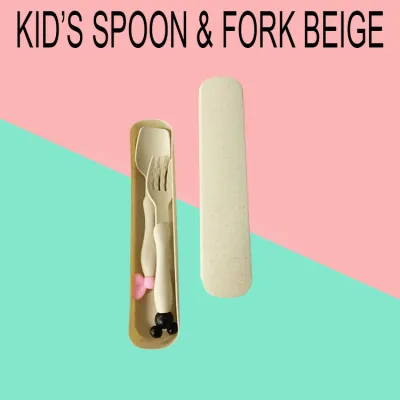
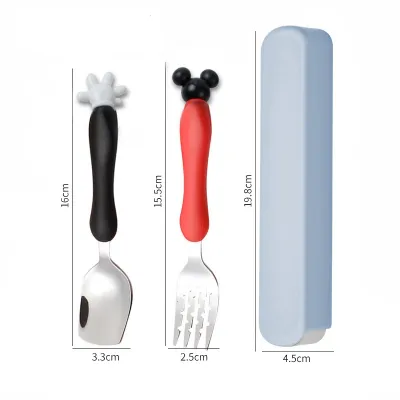
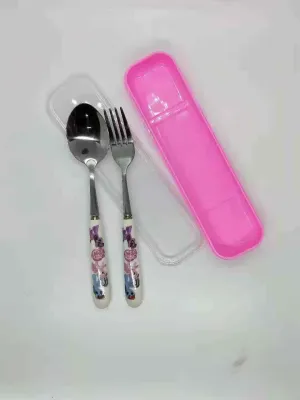
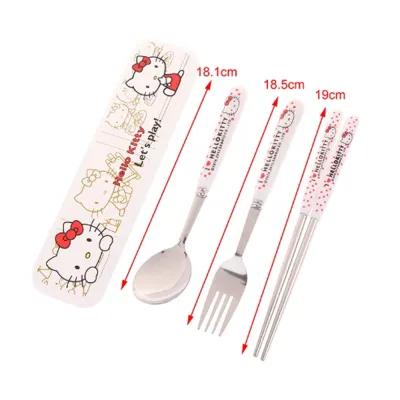
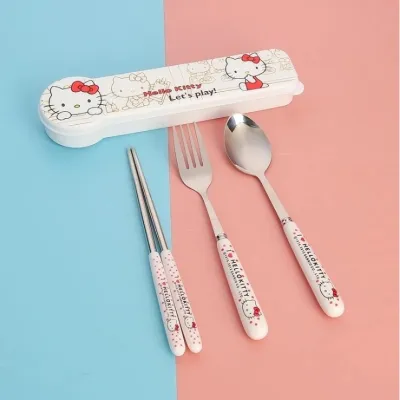
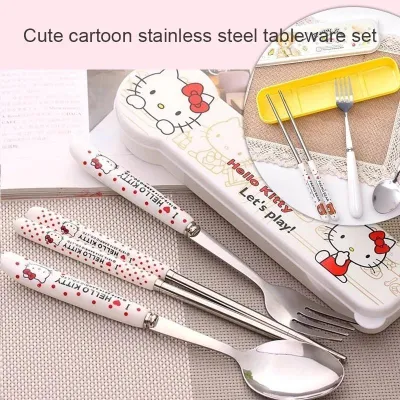
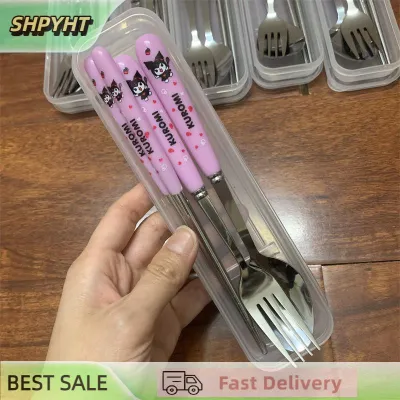
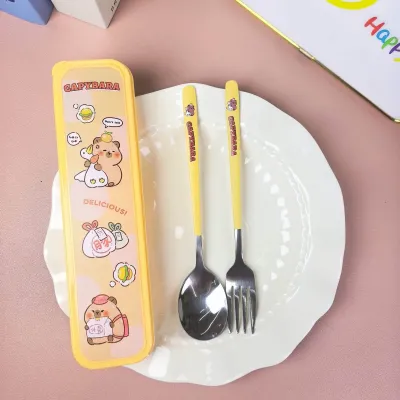
Prices are valid at publication and may change. Please refer to the product page for the latest price.
Furthermore, cartoon designs help build positive long-term associations with mealtime. When babies associate their favorite characters with eating, they are more likely to look forward to sitting in their high chair. These engaging designs also encourage the natural instinct to reach, grab, and hold. As your baby attempts to grasp a chubby cartoon handle, they are practicing essential fine motor skills and hand-eye coordination. This active participation is the foundation of self-feeding, fostering a sense of independence and confidence from an early age.
While cartoon designs are highly effective at boosting engagement, it is vital to remember that aesthetics must never override physical safety and ergonomic design. A beautifully decorated utensil is of no use if it is uncomfortable to hold, difficult to manage, or made of hazardous materials. Caregivers must prioritize structural safety, non-toxic materials, and age-appropriate ergonomics, treating the cartoon design as a delightful bonus that enhances a fundamentally sound and safe tool.
Essential Safety and Ergonomic Features to Look For
When shopping for your baby’s first cutlery set, it is easy to get swept away by cute designs. However, selecting the right set requires a close examination of specific ergonomic and safety features tailored to an infant’s physical development. Understanding these structural requirements ensures that your choice supports your baby’s learning process while keeping them perfectly safe.

Handle Thickness and Grip
During the early stages of weaning, babies do not possess the fine motor skills required for a mature pencil-like grip. Instead, they rely on a palmar grasp, wrapping their entire fist around an object. For this reason, utensils with short, chunky handles are absolutely necessary. Cartoon shapes, such as a chubby bear body or a textured dinosaur tail, are excellent because they naturally provide the bulk needed for a secure palmar grasp. Additionally, look for non-slip materials like textured silicone or rubberized plastic. In the warm and humid climate of the Philippines, babies’ hands can easily become sweaty or slippery from food oils; a high-traction, ergonomic grip ensures the utensil stays firmly in their hand, reducing frustration and accidental drops.
Spoon Bowl Depth and Size
The physical structure of an infant’s mouth requires a spoon bowl that is significantly smaller and shallower than a standard teaspoon. A spoon bowl that is too deep makes it incredibly difficult for a baby to clear the food using their upper lip, often leading to food being left behind or causing them to gag. A shallow, narrow spoon bowl allows the baby to easily scrape off purees or mashed foods with a simple forward motion of their mouth. The edges of the spoon bowl must also be perfectly smooth and rounded, with no sharp plastic seams or rough metal edges that could irritate or scratch your baby’s delicate gums and lips.
Fork Tine Design
Introducing a fork can be intimidating for parents, but it is a highly effective tool for developing the spearing motion. A baby-safe fork must feature blunt, rounded tines. These tines should be rigid enough to pierce soft, steamed foods—such as boiled squash (kalabasa), sweet potato (kamote), or ripe saba bananas—but sufficiently dull to prevent any risk of puncturing or scratching the baby’s sensitive gums, tongue, or palate. Avoid forks with sharp, thin metal prongs or highly flexible plastic tines that bend easily without actually piercing the food, as these will only cause frustration.
Choke-Guard Barriers
One of the most critical safety features to look for in early self-feeding utensils is a built-in choke guard. Babies are still learning to judge distances and coordinate their hand-to-mouth movements, which makes it easy for them to over-insert a spoon or fork into their mouths. This can trigger a violent gag reflex or, worse, pose a choking hazard. Many high-quality cartoon utensil sets incorporate a wide, circular collar or a large, flat cartoon character shield near the base of the handle. This shield acts as a physical barrier that prevents the utensil from being pushed too far down the throat, allowing your baby to explore self-feeding safely and giving you peace of mind.
Recommended Utensil Designs for Different Feeding Needs
As your baby progresses through their solid food journey, their nutritional needs, motor skills, and feeding styles will change. The best cartoon spoon and fork set is not a one-size-fits-all solution; rather, it depends on your baby’s current developmental stage and whether they are primarily consuming smooth purees or transitioning to textured, chopped solids.
Short-Handle Silicone Spoons for Early Purees
- Ideal For: Babies around 6 months of age who are just beginning their weaning journey, primarily consuming smooth purees, and starting to practice grasping objects.
- Pros: These spoons are typically molded from a single piece of soft, flexible, food-grade silicone. They are incredibly gentle on emerging teeth and tender, teething gums. Because they are soft, babies can safely chew on them to soothe their gums. The short, thick handles are perfect for tiny hands to hold, and the flexible bowl allows caregivers to easily scoop up every last drop of food from a bowl.
- Limitations: Fully silicone spoons lack the rigidity required for older babies to scoop up heavier, denser, or stickier foods. As your child transitions to thicker mashes, grains, and soft solids, a soft silicone spoon may bend too much, making it difficult for them to successfully feed themselves.
Long-Handle Sets with Cartoon Grips for Scooping Practice
- Ideal For: Older babies, typically 8 to 12 months and older, who are actively developing their pincer grasp, refining their wrist rotation, and practicing the mechanics of scooping and spearing.
- Pros: These sets feature a rigid core—usually made of high-quality stainless steel or durable, hard plastic—encased in a thick, ergonomic cartoon handle made of silicone or textured rubber. The rigid head provides the necessary leverage and structural support to scoop up thick rice dishes, mashed vegetables, or small pieces of meat. The cartoon grips maintain high visual engagement and provide a comfortable, non-slip surface for self-feeding practice.
- Limitations: Because the scooping and piercing ends are made of rigid materials, these utensils require close parental supervision. If an excited baby bites down forcefully on a stainless steel spoon or waves a rigid fork near their eyes, there is a risk of minor injury. Caregivers must ensure the baby is seated calmly and supervised at all times.
Heat-Sensing Utensils for Temperature Safety
- Ideal For: Parents and caregivers who want an extra, immediate visual cue to ensure that pureed meals, warm broths, or mashes are at a safe temperature before offering them to the baby.
- Pros: These innovative spoons feature color-changing technology integrated directly into the spoon bowl or the cartoon design. When the food exceeds a safe temperature threshold (typically around 40°C), the material changes color, alerting the caregiver that the food is too hot. This is particularly helpful in busy households where meals are prepared quickly.
- Limitations: The temperature-sensitive chemical indicators in these spoons can degrade over time, especially when exposed to direct sunlight, UV sterilizers, or high-heat steam sterilization. Therefore, a heat-sensing spoon should never completely replace the standard parental practice of testing the food's temperature on the inside of your wrist.
Material Comparison: Silicone, Stainless Steel, and Plastics
When choosing baby utensils, understanding the materials used in their construction is essential for ensuring safety, durability, and hygiene. Different materials offer unique advantages and require specific care routines. It is crucial to remember that a material’s name alone does not guarantee safety; caregivers must always examine product packaging to verify food-grade certifications (such as FDA or LFGB compliance), age grading, and chemical safety labels.
| Material Type | Durability & Rigidity | Heat Resistance | Cleaning & Care | Key Label Checks |
|---|---|---|---|---|
| Silicone | Soft, highly flexible; low rigidity prevents heavy scooping. | High heat resistance; typically safe for steam sterilization. | Hand wash with mild soap; dry thoroughly to prevent moisture/odor retention. | Food-grade silicone, BPA-free, LFGB or FDA certification. |
| Stainless Steel | Highly durable and rigid; excellent for piercing and scooping. | High heat resistance, but handles may have lower heat thresholds. | Dishwasher safe (check handle); ensure joint between metal and handle is dry. | 304 or 316 food-grade stainless steel, smooth rounded edges. |
| Plastics (PP, ABS) | Lightweight and moderately rigid; prone to surface scratches over time. | Moderate heat resistance; high heat can warp or degrade plastic. | Top-rack dishwasher safe; avoid harsh scrubbing to prevent microscopic scratches. | BPA-free, Phthalate-free, PVC-free, non-toxic food-grade plastics. |
Silicone
Silicone is highly favored for infant utensils because of its soft, rubbery texture, which is exceptionally gentle on a baby’s delicate mouth. It is highly durable, virtually unbreakable, and does not chip or shatter. Silicone also boasts excellent heat resistance, meaning it can easily withstand boiling water or steam sterilization. However, food-grade silicone is relatively porous compared to stainless steel, which means it can sometimes absorb strong food odors or retain oily residues if not washed thoroughly. In the humid tropical climate of the Philippines, it is especially important to wash silicone utensils immediately after use and allow them to dry completely in a well-ventilated area to prevent any moisture buildup or mold growth.
Stainless Steel (with Plastic or Silicone Handles)
Stainless steel is the gold standard for durability and hygiene. It is completely non-porous, meaning it will not harbor bacteria, absorb food odors, or stain. A high-quality stainless steel set (look for 304 or 316 food-grade labels) will last through multiple children and years of heavy use. Because it is rigid, it is the best material for teaching older babies how to pierce and scoop solid foods. However, stainless steel utensils are heavier than plastic or silicone, which might make them slightly more challenging for very young infants to maneuver. Additionally, you must carefully inspect the joint where the metal spoon or fork head meets the plastic or silicone cartoon handle. Over time, water can seep into this joint during washing, creating a hidden breeding ground for mold and bacteria if not dried properly.
Plastics (such as PP or ABS)
Plastic utensils are incredibly lightweight, making them very easy for small babies to lift and control. They are also highly affordable, with budget-friendly sets widely available. However, plastic is prone to developing microscopic scratches over time from normal wear and tear or from abrasive cleaning sponges. These tiny scratches can trap food particles, soap residue, and harmful bacteria, making them difficult to sanitize fully. When choosing plastic, it is absolutely mandatory to verify that the product is labeled “BPA-free,” “Phthalate-free,” and “PVC-free.” Avoid extremely cheap, unbranded plastic utensils from online marketplaces, as they may contain industrial plastics or non-food-grade colorants that are unsafe for your baby to put in their mouth.
Safe Usage, Cleaning, and Maintenance Guidelines
Even the highest-quality, safest cartoon spoon and fork set requires proper usage, cleaning, and ongoing maintenance to ensure your baby remains safe during every meal. Implementing a strict care routine protects your child from choking hazards, chemical exposure, and bacterial infections.
Active Supervision
No matter how many safety features a utensil set possesses—such as choke guards or rounded tines—no tool can replace active adult supervision. Babies must always be seated completely upright in a secured high chair during meals. Never allow your baby to crawl, walk, run, or play while holding a spoon or fork, as a sudden fall could cause serious oral or facial injuries. Keep mealtime focused and calm, and always remain within arm’s reach of your child.
Cleaning and Sterilization
Always clean baby utensils immediately after use to prevent food from drying and hardening in the small crevices of cartoon designs. Use warm water and a mild, baby-safe dishwashing liquid. Avoid using abrasive scrubbing pads, steel wool, or harsh chemical cleaners, as these can scratch plastic surfaces or strip away protective coatings.
Before sterilizing, consult the manufacturer’s specific care instructions. While some materials, like pure silicone or stainless steel, can handle boiling water or steam sterilization, others cannot. Many cartoon-themed utensils feature painted details, heat-sensing elements, or glued joints that can rapidly degrade, warp, or release toxic fumes when exposed to extreme heat or UV light. If the manufacturer advises against high-heat sterilization, stick to thorough hand-washing with warm, soapy water.
Inspection and Replacement
Make it a habit to inspect your baby’s utensils before every single meal. Gently pull on the cartoon handle and the metal or silicone head in opposite directions to ensure the joint remains completely secure and shows no signs of loosening. Check for the following stop-use conditions, and immediately discard the utensil if you observe any of them:
- Tears, cracks, or deep bite marks in silicone spoons or handles.
- Deep, visible scratches or cloudiness on plastic utensils.
- Any loose joints, wobbling parts, or gaps between different materials.
- Fading, chipping, or flaking of painted cartoon designs on the handles or bowls.
Consulting Professionals
Weaning is a developmental process that takes time, patience, and practice. It is completely normal for babies to occasionally gag, drop their utensils, or refuse to hold them. However, if your baby exhibits an extreme, persistent aversion to utensils, gags constantly even with shallow spoons, or struggles significantly with the physical mechanics of bringing food to their mouth, it is highly recommended to consult your pediatrician or a pediatric occupational therapist. These professionals can evaluate your baby’s oral-motor development and provide personalized guidance to ensure a smooth, safe transition to solid foods.
Frequently Asked Questions (FAQ)
At what age can a baby start using a fork?
While babies typically begin using spoons around 6 months of age to taste smooth purees, forks are generally introduced later, usually between 9 and 12 months. At this stage, infants have developed the fine motor skills, pincer grasp, and hand-eye coordination required to spear soft, bite-sized pieces of food. When introducing a fork, always verify the manufacturer’s recommended age grading on the packaging. Ensure the fork is specifically designed for infants, featuring blunt, rounded tines that can hold soft food without posing a risk of injury to your baby’s delicate gums and palate.
Are cartoon-painted utensils safe if the baby chews on the handle?
Babies naturally explore their world by putting objects in their mouths, and they will almost certainly chew on the handles of their spoons and forks, especially when teething. To ensure their safety, it is highly recommended to choose utensils where the cartoon design is molded directly into the food-grade silicone or plastic, rather than painted on. If you do purchase a set with painted designs, you must verify that the manufacturer uses certified non-toxic, lead-free, food-grade paints. Regularly inspect the painted areas, and immediately discard the utensil if you notice any chipping, peeling, bubbling, or fading of the design.

Community discussion
Share your experience or ask a question. Comments are reviewed before publication.