
Choosing the right baby vitamin drop bundle in the Philippines requires balancing convenience, nutritional necessity, and safety. In a tropical climate where daily routines, sun exposure, and dietary patterns vary, parents often look to liquid supplement bundles to fill potential nutritional gaps. However, selecting a bundle is not merely about finding the most comprehensive package; it requires a careful evaluation of your baby’s specific developmental stage, feeding method, and actual health requirements.
Navigating the supplement aisle can be overwhelming, especially with marketing claims promising complete health coverage. A structured approach helps you look past the packaging to analyze the actual ingredients, dosages, and safety profiles of each liquid supplement. By understanding what to look for, you can protect your baby from unnecessary additives and ensure you are investing in products that truly support their growth.
Understanding Baby Vitamin Drop Bundles
Baby vitamin drop bundles are curated sets of liquid supplements packaged together, designed to simplify the daily routine of administering essential nutrients. These bundles typically combine several key formulations, such as Vitamin D3, iron, multivitamins, or probiotics. While purchasing a pre-packaged set offers convenience, it is essential to weigh this convenience against the potential risk of over-supplementation.
Products mentioned in this guide
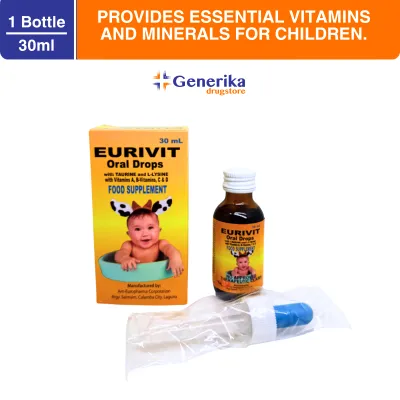
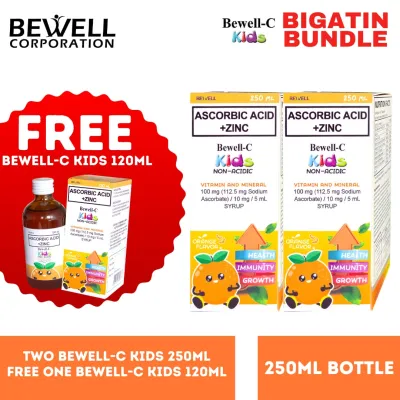
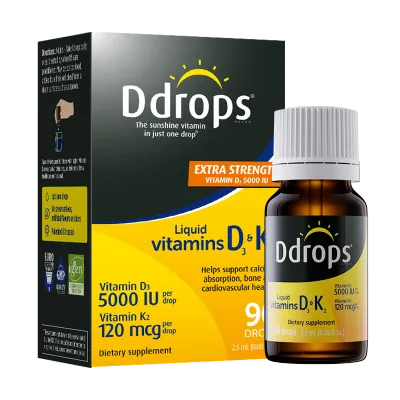
Prices are valid at publication and may change. Please refer to the product page for the latest price.
The primary appeal of a bundle is the streamlined purchasing process, but this can sometimes lead to nutritional redundancy. For example, if your baby is primarily formula-fed, they are already receiving a highly regulated, fortified diet that contains standard levels of essential vitamins and minerals. Introducing a comprehensive multivitamin bundle on top of formula feeding might supply more nutrients than their body can safely process. Conversely, exclusively breastfed infants have different nutritional profiles and often require targeted supplementation, such as Vitamin D3, from their early weeks of life.
A one-size-fits-all approach rarely aligns with an infant’s rapidly changing developmental milestones. A baby’s age, weight, and rate of growth dictate their exact daily nutritional requirements. What is suitable for a newborn may be entirely inappropriate or insufficient for a nine-month-old infant who has already transitioned to solid foods. Evaluating each component of a bundle individually ensures that you do not inadvertently introduce unnecessary substances to your baby’s delicate digestive system.
Essential Criteria for Evaluating Bundle Ingredients
When evaluating the ingredients of a baby vitamin drop bundle, the first step is to scrutinize the nutritional facts panel for age-appropriate dosages. Infant supplement formulations must feature precise, low-dose measurements tailored to small bodies. It is critical to avoid bundles that contain megadoses of any nutrient, particularly fat-soluble vitamins like Vitamin A, D, E, and K. Unlike water-soluble vitamins, which the body can easily flush out through urine, fat-soluble vitamins accumulate in body tissues and can cause toxicity if administered in excessive amounts over time.

Beyond the active vitamins, you must carefully examine the list of inactive ingredients and additives. High-quality infant drops should contain minimal, clean ingredients. Avoid bundles that include artificial colors, synthetic flavors, chemical preservatives, or high-fructose corn syrup. In the Philippines, where food sensitivities and allergies are increasingly recognized, it is also vital to check the carrier oil used in the drops. Common carrier oils include coconut oil, olive oil, or sunflower oil; ensure these do not trigger any known sensitivities in your family.
The bioavailability and chemical form of the nutrients in the bundle are equally important. For instance, look for Vitamin D3 (cholecalciferol) rather than Vitamin D2 (ergocalciferol), as D3 is generally more effective at maintaining optimal vitamin levels in the body. When assessing iron drops within a bundle, identify the specific form of iron used. Ferrous sulfate is highly bioavailable and commonly recommended, but some infants may tolerate alternative forms, such as iron bisglycinate, more comfortably without experiencing mild digestive upset.
Safety First: Age Appropriateness and Pediatrician Guidance
The absolute foundation of safe infant supplementation is professional medical guidance. Before purchasing or administering any vitamin drop bundle, consult your pediatrician to identify your baby’s actual nutritional needs. A healthcare provider can evaluate your baby’s growth charts, dietary intake, and overall health to determine if supplementation is necessary. Relying on general marketing claims or online trends can lead to unnecessary interventions that may not benefit your child.
Health authorities recommend specific vitamins at distinct developmental milestones, and these recommendations should guide your choices. For example, breastfed infants are often advised to receive Vitamin D drops shortly after birth because breastmilk naturally contains low levels of this nutrient. Iron supplementation, on the other hand, is typically discussed around six months of age, when an infant’s natural iron stores begin to deplete and solid foods are introduced. A pediatrician can help you time the introduction of these nutrients perfectly.
Parents must also remain vigilant about the potential side effects of over-supplementation and recognize key red flags. Symptoms such as persistent constipation, dark stools (which are normal with iron but should be monitored), unusual lethargy, vomiting, or skin rashes can indicate an adverse reaction or an excessive dose. If you observe any of these signs, stop administering the drops immediately and seek professional medical attention. Never attempt to diagnose or treat a suspected nutritional deficiency without clinical supervision.
Verifying Product Authenticity and Authorized Sellers
Ensuring the authenticity of baby vitamin drops is critical for your child’s safety. When your bundle arrives, perform a thorough physical inspection of the packaging. Verify that the factory seal is completely intact and shows no signs of tampering. The dropper or syringe included in the package must be clean, undamaged, and properly sealed. Additionally, check that the batch numbers, manufacturing dates, and expiration dates are clearly printed on both the outer box and the individual bottles.
To guarantee product safety and proper handling, purchase your vitamin bundles only from authorized online pharmacies, official brand flagship stores, or reputable physical retail chains in the Philippines. These established sellers adhere to strict regulatory standards and maintain temperature-controlled supply chains. This is particularly important for liquid vitamins and probiotics, which can degrade rapidly if exposed to extreme heat or improper storage conditions during transit.
Avoid purchasing infant supplements from unverified third-party sellers on general e-commerce platforms or online marketplaces, especially if the prices are significantly lower than retail averages. Suspiciously low prices are often a warning sign of counterfeit goods, expired stock, or parallel imports that have not been subjected to proper quality control. Feeding your baby a counterfeit or degraded supplement poses severe health risks, as the product may contain harmful contaminants or incorrect dosages.
Assessing Value: Bundles vs. Individual Drops
To determine whether a vitamin drop bundle is a practical investment, you should calculate the cost per dose in ₱. Divide the total price of the bundle by the number of servings provided across all the included bottles. Compare this figure to the combined cost of purchasing only the specific individual drops your baby actually requires. Often, a bundle may seem like a bargain, but if it contains supplements your baby does not need, you are paying for unused products.
The shelf life of liquid vitamins is a crucial factor to consider, especially in a warm, humid tropical climate. Once a bottle of liquid vitamins is opened, its exposure to air and moisture begins to degrade the active ingredients. If a bundle contains multiple bottles that must be used simultaneously or within a short timeframe, assess whether your baby will realistically consume them all before they expire. Unused, expired liquid vitamins represent a direct financial loss and must be discarded to prevent safety issues.
Finally, weigh the convenience of a single, bundled purchase against the flexibility of buying individual drops. Purchasing supplements separately allows you to tailor the brand, flavor, and dosage to your baby’s changing preferences and digestive tolerance. If your baby dislikes the taste of one specific drop in a bundle, you may end up having to replace it anyway, neutralizing any initial savings or convenience the bundle provided.
Frequently Asked Questions (FAQ)
Can I mix different vitamin drops from a bundle in the same feeding?
You should always consult the manufacturer’s instructions on each product label before mixing different liquid supplements. Some vitamins and minerals can interact chemically, which may reduce their absorption rate or cause digestive discomfort when combined in a single dose. For example, certain minerals like calcium and iron can compete for the same absorption pathways in your baby’s digestive tract. If the product labels or your pediatrician recommend spacing them out, it is best to administer the drops at different times of the day to ensure your baby receives the full benefit of each nutrient.
How should I store liquid vitamin drops to maintain their potency?
Proper storage is essential for preserving the potency and safety of liquid vitamins, particularly in the hot and humid climate of the Philippines. Carefully read the storage guidelines on each bottle’s label, as requirements vary significantly between formulations. Some liquid vitamins, especially certain probiotics, require refrigeration after opening, while others must be stored at room temperature in a cool, dark cupboard away from direct sunlight. Always ensure the bottle caps are tightly sealed after every use to prevent air and moisture from entering, and discard any drops that show changes in color, odor, or consistency.
What should I do if my baby spits up or vomits after taking the drops?
If your baby spits up or vomits shortly after you administer their vitamin drops, do not immediately give them another dose. It is impossible to know how much of the supplement was already absorbed, and administering a second dose risks accidental over-supplementation. Instead, wait until the next scheduled dose or contact your pediatrician for guidance. To help prevent spit-ups during future administrations, use an oral syringe to gently dispense the liquid in small amounts toward the inside of your baby’s cheek, allowing them to swallow naturally rather than dropping the liquid directly onto the back of their tongue.

Community discussion
Share your experience or ask a question. Comments are reviewed before publication.