
Setting up a nursery in a compact home requires a thoughtful balance of safety, functionality, and spatial efficiency. In the Philippines, where urban living often means maximizing smaller condominium units or shared family bedrooms, finding furniture that serves multiple purposes is essential. A coordinated nursery furniture set that integrates a crib bed and a changing table offers an elegant, space-saving solution that keeps your baby’s essentials organized and within arm’s reach.
Because specific product models, retail stock, and brand availability fluctuate constantly across local stores and online marketplaces, relying on a static list of recommended products can lead to frustration. Instead, the most reliable way to find the perfect setup is to understand how to evaluate these multi-functional units yourself. By focusing on precise spatial planning, structural safety checks, and material durability, you can confidently build a shortlist of high-quality combo sets that fit both your home and your lifestyle.
Why Choose a Crib Bed and Changing Table Combo?
Opting for an integrated crib bed and changing table combo is one of the most effective ways to minimize the furniture footprint in a small nursery. In a standard room layout, placing a standalone crib and a separate changing dresser requires two distinct floor areas, plus the necessary clearance space around both items. A combo unit merges these two essential pieces of furniture into a single cohesive structure, freeing up valuable square meters for play mats, nursing chairs, or easy movement around the room.
Products mentioned in this guide
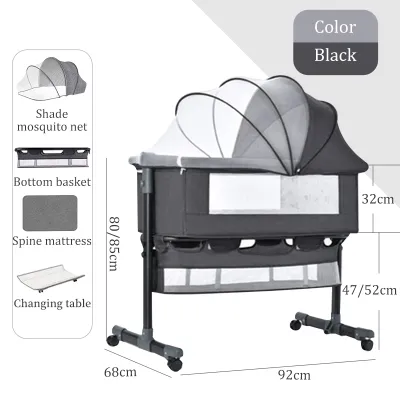

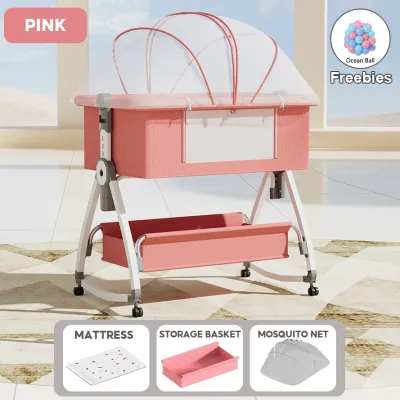
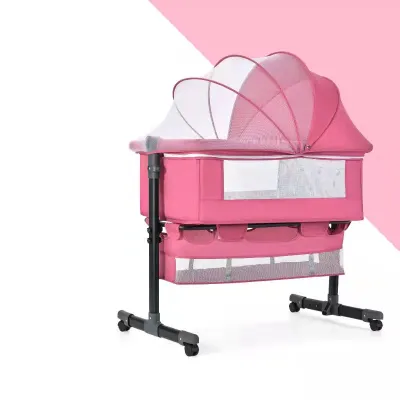

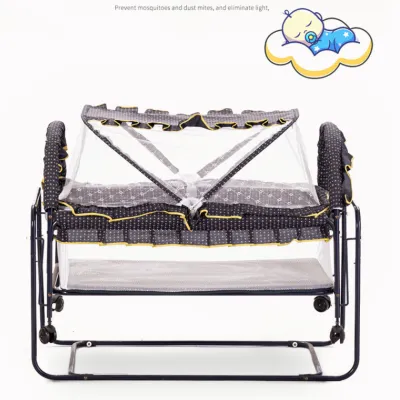


Prices are valid at publication and may change. Please refer to the product page for the latest price.
Beyond saving physical floor space, these integrated sets excel at consolidating your daily baby care routine. Having drawers, shelves, or cubbies built directly into or beneath the changing table means that diapers, wipes, creams, and fresh onesies are always within arm’s reach. This layout is not just a matter of convenience; it is a fundamental safety practice. When everything you need is organized in one dedicated zone, you never have to step away or turn your back on your baby during a diaper change.
Long-term adaptability is another significant advantage of choosing a well-designed combo set. Many modern multi-functional units are engineered to grow alongside your child. As your baby transitions out of the infant stage, some sets allow you to detach the changing table section entirely, converting it into a standalone nightstand or a small chest of drawers. Simultaneously, the crib bed frame can often be converted into a toddler bed or a daybed, extending the lifespan of your furniture investment from infancy through early childhood.
Measuring Your Space: Dimensions and Layout Checks
Before browsing online marketplaces or visiting local furniture showrooms, you must take precise measurements of your designated nursery space. Start by measuring the length and width of the room, noting the positions of windows, electrical outlets, air conditioning units, and light switches. It is helpful to sketch a basic floor plan on paper to visualize how the furniture will sit in the room and to ensure it does not block natural light or ventilation pathways.

When evaluating different furniture sets, you will need to choose between standard-sized crib beds and mini-crib alternatives. A standard crib bed typically accommodates a mattress measuring approximately 130 centimeters by 70 centimeters, offering a spacious sleeping area that lasts until your child is ready for a twin bed. However, if your floor space is exceptionally tight, a mini-crib combo—which usually utilizes a mattress around 100 centimeters by 60 centimeters—can provide the same multi-functional benefits while saving significant floor space.
Do not forget to calculate the necessary clearance space required for daily operation. A combo unit might fit perfectly against a wall on paper, but you must ensure there is ample room to fully extend drawers, open cabinet doors, and stand comfortably in front of the changing table. A good rule of thumb is to allow at least 60 to 90 centimeters of open space in front of any drawers or changing areas so you can move freely without feeling cramped or bumping into other furniture.
Finally, map out the delivery and assembly route within your home. Measure the width and height of all entryways, hallways, stairwells, and elevator doors. Many high-quality combo units are delivered in large, heavy flat-packs that require significant clearance to maneuver. Ensuring that the packaged boxes can safely reach the nursery room prevents unexpected delivery headaches and potential damage to your walls or the furniture itself.
Assessing the Changing Table and Storage Functionality
An integrated changing table must be both highly functional and ergonomically comfortable for daily use. Because you will be changing diapers multiple times a day, the height of the changing surface should align comfortably with your waist to prevent unnecessary back strain. When researching furniture sets, verify the exact height of the changing platform and compare it to your own height to ensure a comfortable posture.
Safety is the primary consideration for any changing surface. Look for units that feature raised, contoured wooden edges or a dedicated safety rail around the changing perimeter to prevent a rolling baby from slipping off the edge. Additionally, check if the manufacturer includes a secure changing pad with built-in safety straps. While these straps are an excellent secondary safety measure, they should never replace your active supervision; always keep one hand on your baby at all times during transitions.
Examine the storage configuration beneath and adjacent to the changing table. High-quality sets typically offer a mix of deep drawers for clothing and open shelves for quick-access items like diapers and wipes. Test or verify the drawer glides to ensure they operate smoothly and quietly, as loud or sticking drawers can easily wake a sleeping baby. Open cubbies are particularly useful for storing items you need to grab instantly with one hand while keeping your other hand securely on your child.
Lastly, always consult the manufacturer’s product documentation to verify the maximum weight limits for both the changing surface and the underlying storage shelves. Many changing tables are designed to support babies up to approximately 11 to 15 kilograms, after which the changing station should no longer be used. Understanding these weight limits beforehand helps you plan for the eventual transition and ensures you do not overload the structural components of the furniture.
Safety and Stability Checks for Multi-Functional Furniture
When purchasing any crib bed, safety must be your absolute priority. Start by verifying the spacing of the crib slats. Standard safety guidelines dictate that the distance between slats should be no more than 6 centimeters (approximately 2 and 3/8 inches) to prevent a baby’s head or limbs from becoming trapped. You can easily verify this measurement yourself using a standard tape measure when inspecting a floor model or upon unboxing the unit at home.
Because combo units integrate storage drawers and a changing table, they naturally have a higher center of gravity than standalone cribs. This design makes them more susceptible to tipping over if a toddler attempts to climb the drawers or pull themselves up on the outer frame. To mitigate this risk, check that the manufacturer includes heavy-duty anti-tip hardware. It is highly recommended to anchor these tall, multi-functional units securely to the wall, especially in areas prone to seismic activity.
In the warm and humid tropical climate of the Philippines, the materials and finishes used in your nursery furniture require extra scrutiny. High humidity can cause solid wood to swell or warp, and low-quality paints or laminates may peel, crack, or release harmful chemical fumes. Look for furniture sets that specify non-toxic, lead-free, and baby-safe finishes. Solid hardwoods or high-density engineered woods with moisture-resistant coatings generally offer the best durability and safety in humid environments.
Finally, pay close attention to the mattress fit within the crib bed frame. There should be no dangerous gaps between the edge of the mattress and the inner walls of the crib. You can perform the standard “two-finger test”: if you can fit more than two fingers between the mattress and the crib frame, the mattress is too small and poses a serious entrapment or suffocation hazard. If you observe a gap larger than this, stop using the setup immediately and source a properly sized mattress that fits snugly against all four sides of the crib.
Building Your Shortlist and Finalizing the Purchase
Once you have measured your space and established your safety criteria, you can begin building a shortlist of potential furniture sets. Start by reviewing the warranty terms and return policies offered by local retailers or online sellers. A reputable manufacturer should provide a clear warranty covering structural defects, missing hardware, or damaged components. Additionally, verify if the retailer stocks replacement parts, such as extra slats, drawer glides, or conversion kits, should you need them in the future.
Consider the complexity of the assembly process before finalizing your purchase. Multi-functional combo units are structurally complex and often arrive with dozens of pieces of hardware and detailed instruction manuals. If you are not confident in your DIY skills, check if the retailer offers professional delivery and assembly services. Investing in professional setup ensures that the crib bed and changing table are put together exactly as the manufacturer intended, preserving the structural integrity and safety of the unit.
Before making your final decision, spend time reading verified user reviews on local retail websites and parenting forums. Look specifically for feedback regarding the furniture’s long-term stability, how well the drawers align after months of daily use, and whether other parents in the Philippines have experienced any issues with wood warping or paint peeling due to humidity. Real-world feedback from other parents is invaluable for identifying potential quality issues that may not be apparent from product photos alone.
Frequently Asked Questions (FAQ)
Can a combo changing table be converted into a regular dresser later?
Yes, many high-quality combo furniture sets are designed with long-term conversion in mind. Typically, these units feature a removable changing topper or a modular design that allows you to detach the changing section entirely once your child outgrows diapers. Before purchasing, consult the product manual to verify if the remaining structure functions as a standard, flat-topped dresser or nightstand, and check if the finished height and drawer configuration remain practical for an older child’s room.
Are mini crib beds safe for newborns compared to standard sizes?
Mini crib beds are just as safe for newborns as standard-sized cribs, provided they meet the same rigorous structural safety standards and are used with a firm, properly fitted mattress. The primary trade-off is the overall lifespan of the furniture. Because a mini crib is shorter than a standard crib, most babies will outgrow the sleeping area by the time they reach one to two years of age, requiring an earlier transition to a toddler bed or a standard single bed.
How do I secure a tall combo unit to the wall in a rented apartment?
Securing heavy furniture is essential for child safety, even in a rental property. You can use heavy-duty anti-tip straps or furniture anchors that attach to the back of the combo unit and screw into the wall studs. If your rental apartment has concrete walls—which are very common in Philippine condominiums—you will need to use a masonry drill bit and plastic wall anchors. Always consult your building administration or landlord before drilling, and explain that these safety anchors are necessary to prevent tip-over hazards.

Community discussion
Share your experience or ask a question. Comments are reviewed before publication.