
Starting solids is an exciting milestone for your baby, but finding the right gear to support this transition can feel overwhelming. Skip Hop offers a wide range of colorful, character-themed tableware and cups designed to make weaning more manageable and engaging. To choose the most suitable options for your little one, you need to look beyond the playful designs and focus on material safety, ergonomic features, and developmental suitability. By matching your baby’s current motor skills with the right plates, bowls, cups, and utensils, you can foster independent eating habits while keeping mealtime messes to a minimum.
Key Evaluation Criteria for Weaning Tableware and Cups
Before purchasing any feeding gear, it is essential to establish clear standards for safety, maintenance, and usability. In a warm and humid tropical climate like the Philippines, food safety and hygiene require extra vigilance. Mold and bacteria can quickly accumulate in hidden crevices, making the physical design of your baby’s tableware just as important as the materials used to manufacture them.
Material safety should always be your first checkpoint. Do not assume a product is safe simply because of its brand name or appealing aesthetic. Always inspect the packaging or official product descriptions to verify that the items are made from food-grade silicone, high-quality plastics, and are free from harmful chemicals such as BPA, phthalates, and PVC. These details are typically printed on the product label or detailed in the manufacturer’s online specifications.
Products mentioned in this guide
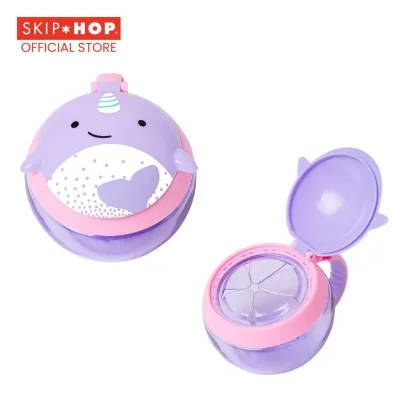
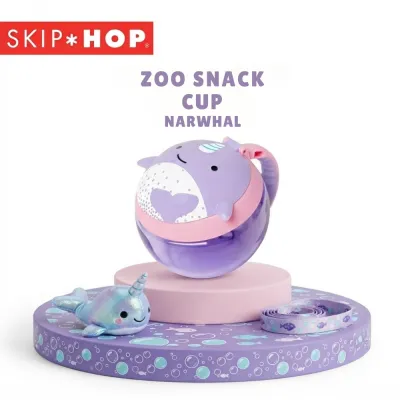

Prices are valid at publication and may change. Please refer to the product page for the latest price.
Ease of cleaning is another critical factor that directly impacts your daily routine. Look for feeding gear with simple, crevice-free designs and removable silicone parts that can be thoroughly washed and dried. In highly humid environments, moisture trapped in tight spaces can lead to mold growth. Choosing dishwasher-safe components or items that can withstand standard sterilizing methods will save you time and provide peace of mind.
Finally, consider the developmental appropriateness of each item. A baby’s motor skills and oral coordination change rapidly during the first year of life. A cup with a fast flow rate or a heavy plate can frustrate a beginner, while a design that is too restrictive might hold back an older infant who is ready to practice self-feeding. Always align the product’s physical features with your baby’s current developmental stage rather than relying solely on age guidelines.
While the signature animal characters of Skip Hop are highly appealing to young children and can make sitting at the table more inviting, visual appeal should always be secondary to physical safety and ergonomic design. A beautifully designed plate is only useful if it remains firmly on the high chair tray and is safe for your baby to use independently.
Selecting Plates and Bowls for Early Solids
When your baby first starts eating solid foods, the primary goal is to encourage exploration while keeping the food on the tray rather than on the floor. Plates and bowls with specialized bases and shapes play a vital role in this process. Evaluating these designs based on your specific high chair setup will ensure a much smoother mealtime experience.

Suction bases are highly popular for preventing babies from lifting and throwing their dishes. However, the effectiveness of a suction base depends heavily on the surface it is placed on. To ensure a secure hold, the suction cup requires a completely smooth, flat, and non-porous surface, such as plastic high chair trays or polished glass tables. Textured plastic, wood grain, or matte finishes will allow air to seep under the seal, causing the plate to slide or lift easily.
Portion sizing and layout are also key considerations when choosing between divided plates and deep bowls. Divided plates are excellent for introducing different food textures and flavors separately, which can be particularly helpful for babies who prefer their foods not to touch. On the other hand, deep, undivided bowls are much better suited for early purees, mashed foods, and grains, as they provide a concentrated space that keeps food from spreading out too thin.
Pay close attention to the edge design and depth of the tableware. Plates and bowls with raised, vertical edges or slightly inward-curving walls are highly beneficial for babies learning to use utensils or their fingers. These curved walls act as a barrier, allowing your baby to push food against the side of the dish to scoop it up easily, rather than pushing the food off the edge of the plate and onto the high chair tray.
Durability is another factor to keep in mind. Weaning tableware will inevitably be dropped, scraped, and washed multiple times a day. Opting for robust materials like thick food-grade silicone or shatterproof plastics ensures that the plates and bowls can withstand daily wear and tear without cracking, chipping, or losing their structural integrity over time.
Choosing Transition Cups for Hydration and Weaning
Transitioning from a bottle or breast to an independent drinking cup is a major milestone that supports oral motor development. Skip Hop provides several cup styles, each designed for different stages of this transition. Understanding how these designs function will help you select the right cup to support your baby’s growing skills.
The type of spout or opening is the most critical feature to evaluate. Soft silicone spouts are often the easiest starting point because they mimic the familiar feel of a bottle nipple. However, pediatric dentists often recommend transitioning quickly to weighted straws or open cup rims. Weighted straws allow your baby to drink from any angle, even when tilted, while promoting healthy tongue and lip coordination that supports speech development.
Leak prevention is a major priority for parents, but it often comes with a trade-off. Many spill-resistant cups utilize silicone valves to prevent liquid from escaping when the cup is dropped or shaken. While these valves are excellent for mess prevention, they require your baby to suck with more force to extract the liquid. Check the manufacturer’s flow specifications to ensure the valve design matches your baby’s sucking strength so they do not become frustrated.
Handle ergonomics and overall weight also dictate how easily your baby can manage the cup. Look for cups with thick, textured handles that are easy for small hands to grip securely. Additionally, consider the weight of the cup when fully filled with water or milk. A cup that is too heavy or bulky can cause fatigue, leading your baby to drop it frequently or refuse to use it altogether during meals.
Introducing a transition cup is rarely an overnight success. It often requires patience as your baby learns how to tilt their head or use their lips differently. Choosing a cup with clear measurement markings can help you monitor exactly how much liquid your baby is successfully consuming during each practice session.
Evaluating Utensils and Accessories for Self-Feeding
As your baby transitions from being spoon-fed to feeding themselves, the right utensils and accessories can significantly boost their confidence and reduce frustration. Small hands require specialized tools that accommodate limited wrist movement and delicate mouths.
The grip and angle of early spoons and forks are crucial for successful self-feeding. Standard adult utensils are too long and thin for a baby’s palmar grasp. Look for utensils with short, thick, and textured handles that fit comfortably inside a baby’s fist. Some designs feature slightly curved or angled heads, which help guide food into the mouth more easily without requiring the baby to rotate their wrist fully—a skill that takes time to develop.
Material softness is another safety factor to verify before purchase. A baby’s gums are highly sensitive, especially when teething. Utensils with soft, flexible silicone tips are gentle on tender gums and emerging teeth, reducing the risk of discomfort if your baby accidentally jabs themselves. Avoid sharp metal tines or hard, brittle plastics during the initial stages of self-feeding.
Do not overlook the importance of a functional bib during this messy phase. A good weaning bib should offer generous coverage across the chest and shoulders to protect clothing from stains. Look for bibs with adjustable neck fastenings that can grow with your baby without causing irritation. Additionally, ensure the silicone catch-pocket at the bottom has enough structural rigidity to stay open, allowing it to successfully catch falling crumbs and liquids rather than collapsing flat against the chest.
Using utensils is not just about getting food into the mouth; it is also an excellent way for your baby to practice fine motor skills and hand-eye coordination. Providing utensils that are easy to handle encourages your baby to keep trying, turning mealtime into a positive learning experience rather than a source of frustration.
Pre-Purchase Verification and Care Checklist
Before finalizing your purchase and heading to the checkout, it is wise to run through a quick verification checklist. This ensures that the Skip Hop feeding gear you select is compatible with your daily routine, cleaning appliances, and budget.
First, cross-reference the manufacturer’s recommended age and developmental milestones printed on the product packaging with your baby’s actual readiness. Every child develops at their own pace, and age labels are general guidelines rather than strict rules. Ensure your baby has met the physical milestones, such as sitting upright with minimal support, before introducing advanced cups or self-feeding utensils.
Second, verify the appliance compatibility of each item directly from the product manual or packaging. In the Philippines, where steam sterilizers and UV sterilizers are commonly used to maintain hygiene, you must check if the plastic and silicone components can safely withstand these high-temperature or UV environments. Some plastics may warp in the microwave or top rack of a dishwasher, so verifying these care instructions beforehand is essential for product longevity.
Finally, compare prices in ₱ across authorized online marketplaces and local baby boutiques. Look for bundle deals that combine plates, bowls, and cups, which can offer better value than purchasing each item individually. Be sure to review the retailer’s return and exchange policies, particularly regarding suction tableware, in case a specific design does not adhere well to your high chair’s unique surface texture.
Frequently Asked Questions (FAQ)
How do I know if a suction plate will work on my high chair tray?
Suction plates require a completely smooth, flat, and non-porous surface to create a vacuum seal. To test your high chair tray’s compatibility before buying, try pressing a standard household suction cup onto the surface. If it slides off easily or fails to stick, the tray likely has a textured pattern or matte finish that will prevent a suction plate from holding. Always clean the tray thoroughly to remove any residual oils, food film, or moisture, as even a tiny amount of residue can break the suction seal.
When should I transition from a spout cup to a straw or open cup?
The transition depends on your baby’s developmental signs rather than a strict age timeline. Look for signs of readiness, such as your baby sitting upright independently, showing active interest in the cups you use, or attempting to grasp and lift objects with both hands. If your baby can successfully draw liquid through a straw or shows the hand-eye coordination needed to bring an open cup to their mouth with assistance, they are ready to move away from traditional spout cups.
What is the safest way to clean and sterilize silicone feeding gear?
Always refer to the manufacturer’s care label for the maximum heat thresholds of your specific silicone gear. Generally, the safest method is to completely disassemble all removable parts, including valves, straws, and collars. Wash each component thoroughly in warm, soapy water using a soft brush to reach inside straws and crevices. Rinse well and allow all parts to air-dry completely in a well-ventilated area before reassembling, which helps prevent moisture from becoming trapped and causing mold.

Community discussion
Share your experience or ask a question. Comments are reviewed before publication.