
Finding the perfect starfish-themed bedding for a newborn requires balancing an adorable nursery aesthetic with strict safety standards. Because product availability on local e-commerce platforms changes frequently, the most reliable way to shop is by focusing on material quality, safety certifications, and a precise fit. A safe sleep environment is the foundation of your baby’s health, meaning that visual appeal must always be secondary to structural safety and breathability. By learning how to evaluate fabric weaves, verify seller claims, and inspect construction details, you can curate a beautiful, ocean-inspired nursery that keeps your newborn secure and comfortable.
Essential Safety Checks for Newborn Bedding
The primary rule of newborn sleep is a clear, firm space. When shopping for starfish bedding sets, the mattress sheet must fit exceptionally tight. A soft sleeping surface or loose fabric poses a suffocation risk. To test a mattress’s firmness, press your hand firmly onto the surface; it should snap back immediately without leaving an indentation.
Many bedding sets sold online are marketed as multi-piece collections. These often include decorative pillows, bolsters, quilts, and crib bumpers adorned with starfish patterns. While these items look coordinated and appealing in product photos, pediatric safety guidelines advise against placing them in a newborn’s crib. Soft objects, loose bedding, and bumper pads can restrict airflow or create entrapment hazards.
Products mentioned in this guide
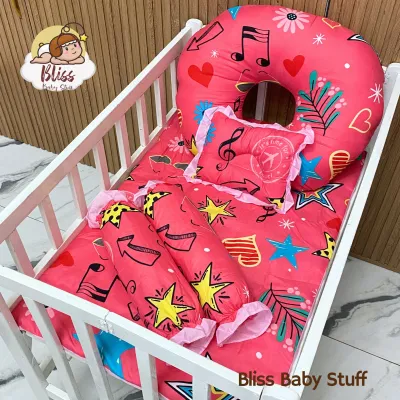
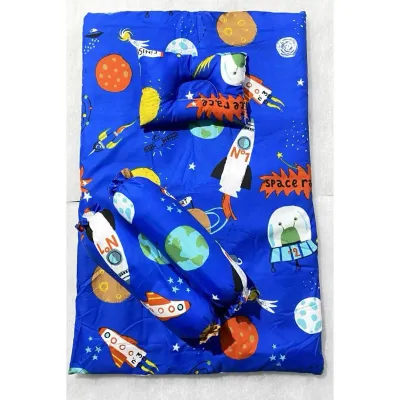
Prices are valid at publication and may change. Please refer to the product page for the latest price.
Always check the manufacturer’s age and weight recommendations. Some bedding components are designed only for older infants or toddlers who have developed head control and mobility. Read the product labels carefully to ensure every item in the set is rated for newborns from birth.
If a product listing or packaging lacks clear safety warnings, age ratings, or manufacturer contact information, it is best to avoid it. Reliable brands provide transparent labeling and adhere to international safety standards. If you ever feel uncertain about the safety of a bedding item, stop using it immediately and consult a pediatrician or a qualified infant safety specialist.
Choosing Breathable Materials for Sensitive Skin
The tropical climate of the Philippines presents unique challenges for newborn bedding. High humidity and elevated temperatures mean babies are prone to sweating, which can lead to skin irritation, chafing, and prickly heat. Therefore, selecting highly breathable fabrics is essential for your baby’s comfort and temperature regulation.

Look for natural fibers such as 100% cotton or bamboo-derived rayon. Cotton is highly valued for its durability, breathability, and ability to wick moisture away from the skin. Bamboo fabrics offer a silkier texture and natural thermal-regulating properties, keeping the baby cool during warm afternoon naps. Ensure these materials are explicitly stated on the care label rather than just the product title.
Avoid heavy synthetic blends, thick polyesters, or densely woven microfibers. While synthetic fabrics are often cheaper and resist wrinkling, they trap heat and moisture. This trapped heat can cause your newborn to overheat quickly, which is a known risk factor during sleep.
Newborn skin is incredibly thin and sensitive to chemical residues. Verify that the bedding fabrics have not been treated with harsh flame retardants, formaldehyde, or strong chemical dyes. When you open a new bedding package, check for any strong chemical odors; a neutral or clean scent is a good indicator of safer manufacturing processes.
Many manufacturers claim their products are hypoallergenic or organic. Treat these claims as points to verify rather than absolute guarantees. Look for recognized textile certifications on the packaging or product description, which indicate the fabric has undergone independent testing for harmful substances.
Ensuring Proper Fit and Safe Starfish Designs
A beautiful starfish design should never compromise the physical safety of the bedding. Before purchasing any fitted sheet, you must measure your crib mattress precisely. Standard crib sizes in the Philippines often vary, with common dimensions including 24 by 48 inches or 28 by 52 inches. A sheet that is even slightly too large can bunch up, creating dangerous folds of loose fabric.
Look for fitted sheets that feature deep pockets and strong, fully encased elastic around the entire perimeter. Some budget sheets only have elastic at the corners, which can easily slip off the mattress when the baby moves. Fully encased elastic ensures the sheet remains taut and secure, even after multiple washes.
Inspect the starfish patterns and decorations closely. Avoid any bedding sets that feature three-dimensional embellishments, such as raised fabric starfish, sewn-on buttons, beads, ribbons, or loose appliqués. These decorative elements can easily detach during washing or use, presenting a severe choking hazard for a newborn who explores objects with their mouth.
Opt for flat, printed designs where the starfish pattern is integrated directly into the fabric weave or printed with baby-safe water-based inks. Touch the printed areas to ensure they do not feel stiff, rough, or crackly. High-quality prints should feel just as soft as the rest of the fabric, ensuring they do not irritate your baby’s delicate skin.
The structural integrity of the fabric must remain uniform across the entire sheet. Avoid designs that use heavy embroidery or patchwork sections to create the starfish motif on the sleeping surface. These techniques can create uneven textures, seams that rub against the baby’s skin, or weak points in the fabric that may tear over time.
How to Filter and Verify Sets on E-commerce Platforms
Shopping on online marketplaces in the Philippines requires a strategic approach to filter out low-quality or unsafe products. Start by using highly specific search terms, such as “100% cotton newborn fitted crib sheet starfish” rather than broad terms like “baby bedding.” This helps narrow down the results to products that meet your material requirements.
Prioritize listings from verified sellers, official brand stores, or preferred merchants who have established track records. Look for high seller ratings and check how long the store has been active. Reliable sellers are more likely to provide accurate product descriptions and responsive customer service.
Dive deep into the customer reviews section, paying close attention to reviews that include photos and videos. Look for feedback from parents who have washed the bedding multiple times. Reviews often reveal critical real-world issues, such as significant fabric shrinkage, color bleeding, or elastic bands that lose their stretch after a single wash cycle.
Compare prices carefully in Philippine Pesos (₱), keeping in mind that extremely low prices often indicate synthetic materials or poor construction. Factor in shipping costs and check the seller’s return policy. Many e-commerce platforms classify baby bedding as a hygiene item, meaning they may not accept returns once the packaging has been opened, making upfront verification even more critical.
Ensure the product listing provides comprehensive details, including the exact fabric composition, dimensions, and care instructions. If this information is missing or vague, use the platform’s chat feature to ask the seller directly. A reputable seller should be able to provide clear answers regarding their materials and manufacturing standards.
Your Final Pre-Purchase Checklist
Before clicking the checkout button on your chosen starfish bedding set, take a moment to run through a final safety and quality check. Confirm that the dimensions of the fitted sheet match your crib mattress exactly, leaving no room for loose fabric or slipping corners.
Double-check the material list to ensure the sheet is made of 100% breathable natural fibers like cotton or bamboo, which are suitable for the warm Philippine climate. Verify that the starfish design is printed flat on the fabric, with absolutely no raised elements, buttons, or loose threads that could pose a hazard.
Review the seller’s credentials, ensuring they have positive ratings and clear return policies. Finally, confirm that the package includes clear, easy-to-follow washing and care instructions so you can maintain the bedding’s safety and quality over time.
Frequently Asked Questions (FAQ)
Can I use a starfish-themed quilt or blanket for a newborn?
No, you should not use quilts, blankets, or any loose bedding in a newborn’s crib. Loose fabrics pose a significant risk of covering a baby’s face and restricting their breathing. Instead of blankets, use wearable alternatives such as lightweight, breathable sleep sacks or swaddles made of cotton or bamboo. These wearable options keep your baby warm and comfortable without introducing loose materials into the sleep space. Always adhere to pediatric safe-sleep guidelines, which recommend keeping the crib completely empty except for a firm mattress and a tight-fitting sheet.
How should I wash new bedding before its first use?
Always wash new newborn bedding before placing it in the crib to remove any dust, chemical residues, or manufacturing oils. Check the manufacturer’s care label for specific instructions regarding water temperature and wash cycles. Use a mild, baby-safe, fragrance-free laundry detergent to protect your newborn’s sensitive skin and respiratory system. In the humid Philippine climate, ensure the bedding is completely dry—either by line drying in direct sunlight or using a dryer on a low setting—before putting it on the mattress. This prevents the growth of mold, mildew, or musty odors.

Community discussion
Share your experience or ask a question. Comments are reviewed before publication.