
Choosing the right rubber corner protectors for your home is a critical step in creating a safe environment for your growing child. As infants transition from crawling to pulling themselves up and taking their first steps, sharp furniture edges pose a constant hazard. To select the most effective protection, you must evaluate the specific shape of each furniture edge, measure the dimensions accurately, and choose materials and adhesives that suit your home’s climate and furniture finishes.
By taking a systematic approach to baby-proofing, you can minimize impact risks without causing unnecessary damage to your household items. This guide outlines how to identify your furniture’s edge profiles, determine the appropriate size and thickness of rubber guards, evaluate material safety, and execute a secure installation plan tailored to your living space.
Identifying Furniture Edge Types and Matching Protector Shapes
Before purchasing any baby-proofing supplies, you must closely examine the edges and corners of the furniture in your home. Furniture is constructed with various edge profiles, and a protector designed for a sharp, square corner will not adhere securely to a rounded or beveled edge. Identifying these profiles beforehand prevents the frustration of purchasing guards that easily slip off or fail to cover the primary impact zones.
Products mentioned in this guide
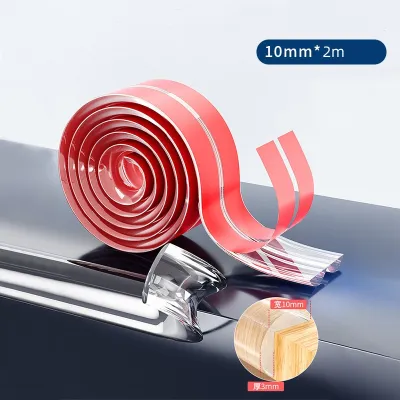
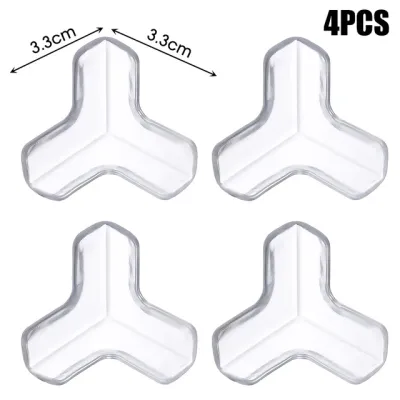
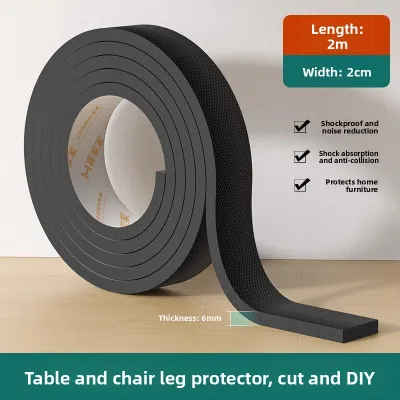
Prices are valid at publication and may change. Please refer to the product page for the latest price.
Standard 90-degree corners are the most common hazard, typically found on wooden dining tables, desks, and square coffee tables. These sharp, right-angle corners require L-shaped protectors, which feature two flat inner surfaces that meet at a clean 90-degree angle. L-shaped guards hug the corner tightly, distributing the force of an impact across both the top and side surfaces of the furniture.
Rounded or bullnose edges present a different challenge because they lack a sharp corner but still feature a hard, protruding surface. For these profiles, standard L-shaped guards often leave empty gaps underneath, which weakens the adhesive bond and allows curious toddlers to peel them off easily. Instead, look for flexible, contoured rubber strip guards that can bend slightly to match the curve of the edge, or opt for spherical, ball-shaped protectors that cover the entire corner joint smoothly.
Thin surfaces, such as glass-top coffee tables, metal shelving units, or thin wooden console tables, require specialized coverage. For these items, U-shaped protectors are the most effective choice. A U-shaped guard wraps completely around the top, outer edge, and bottom of the surface, encasing the sharp rim in a protective cushion. This design is particularly useful for glass tables, where an impact from below or the side can be just as hazardous as one from above.
To ensure a secure fit, always verify edge compatibility by checking the manufacturer’s product specifications rather than assuming a universal fit. Packaging labels often indicate the maximum and minimum edge thicknesses a protector can accommodate. Measuring your furniture’s edge thickness and comparing it to these specifications will ensure the guard sits flush against the surface, maximizing adhesive contact and preventing gaps.
Determining the Right Size and Thickness for Impact Protection
Selecting the correct size and thickness for your rubber corner protectors requires balancing physical safety with aesthetic discretion and durability. A protector that is too small may not provide sufficient cushioning during a fall, while one that is excessively bulky can become an attractive target for a toddler who wants to pull, bite, or peel it away.

To determine the required dimensions, use a flexible measuring tape to measure both the edge length and the corner depth of your furniture. For corner guards, measure how far along the top and side faces the protector needs to extend to cover the sharpest point completely. For edge guards, measure the entire length of the exposed rim to ensure you purchase continuous rolls of rubber padding that can be cut to size without leaving dangerous gaps.
The thickness of the rubber guard should be evaluated based on your child’s current mobility stage and the height of the furniture. For low-lying furniture like TV consoles, low coffee tables, or bottom shelves—which are at eye and head level for crawling infants—thicker, high-density rubber foam is highly recommended. These lower zones are where babies are most likely to lose their balance and fall directly onto an edge, requiring maximum shock absorption.
As toddlers begin to stand and walk, their impact zones shift higher to dining tables, kitchen countertops, and desks. For these mid-height surfaces, you can often transition to medium-thickness or low-profile rubber guards. These designs provide adequate cushioning for a walking child while remaining subtle enough to blend into the furniture, reducing the likelihood that the child will notice the guard and attempt to pull it off.
Balancing impact protection with a low-profile design is essential for long-term durability. Children are naturally curious and will often test the limits of any new object in their environment. A bulky, oversized corner protector provides leverage for small hands to grip and pull. Choosing a guard that sits as flush to the furniture surface as possible minimizes this leverage, keeping the protector securely in place for as long as it is needed.
Evaluating Rubber Quality and Adhesive Safety for Baby-Proofing
When selecting corner protectors, the safety of the material itself is just as important as its physical cushioning ability. Because infants and toddlers explore their world using their hands and mouths, the rubber guards you install must be free of harmful chemicals and designed to resist tearing under moderate pressure.
Always read product labels carefully to verify non-toxic material claims. Look for products that explicitly state they are free of heavy metals, phthalates, BPA, and flame retardants. Additionally, check the packaging for age-appropriate warnings regarding choking hazards. If a rubber protector is made of low-density foam that easily tears or crumbles when bitten, it can quickly become a choking hazard for a teething child. Opt for high-density, durable rubber that resists tearing even under repeated pressure.
The effectiveness of a corner protector relies heavily on the quality and suitability of its adhesive. Different furniture surfaces—such as finished wood, tempered glass, painted metal, or laminate—interact differently with adhesive backings. Review the manufacturer’s application guide to ensure the included tape is compatible with your specific furniture material. For instance, some heavy-duty adhesives can strip the varnish or veneer off delicate wooden furniture, while others may fail to stick to cold glass or metal surfaces.
Before applying any adhesive, plan your eventual removal strategy to prevent permanent damage to your furniture’s finish. If the manufacturer’s instructions are unclear or conflict with the care guidelines of your high-end furniture, stop and consult the furniture manufacturer for advice. Taking this precaution can save you from costly repairs or ruined finishes once your child outgrows the need for corner guards.
Creating Your Custom Baby-Proofing Shortlist and Installation Plan
A successful baby-proofing strategy requires a systematic plan rather than a piecemeal approach. By conducting a thorough audit of your home and preparing your surfaces correctly, you can ensure that every hazard is addressed and that your corner protectors remain firmly attached over time.
Begin by conducting a room-by-room audit of your living space. Walk through each room from a child’s eye level—literally getting down on your hands and knees can help you spot hazards you might otherwise miss. Count the exact number of sharp corners and measure the total length of exposed edges in the living room, nursery, kitchen, and dining area. Use this data to compile a detailed shopping list specifying the shapes, sizes, and quantities of protectors required, reducing the need for multiple trips to the store or online marketplace.
Proper surface preparation is the single most critical factor in ensuring adhesive longevity. Dust, oils, and furniture polish create a barrier that prevents the adhesive from bonding securely to the furniture surface. Clean the target area thoroughly with a mild soap and water solution, or use rubbing alcohol if the furniture finish permits. Ensure the surface is completely dry before applying the protector, as any trapped moisture will compromise the bond.
In warm, humid tropical climates, such as in the Philippines, high humidity and ambient moisture can significantly affect how adhesives cure. When installing protectors in these environments, avoid applying them during the hottest, most humid parts of the day if your home is not air-conditioned. Press the protector firmly against the clean, dry surface for at least thirty seconds to activate the pressure-sensitive adhesive. Allow the adhesive to cure undisturbed for the full duration recommended by the manufacturer—typically 24 hours—before allowing your child near the furniture.
Once installed, establish a regular monitoring routine to maintain a safe environment. Over time, daily wear, temperature fluctuations, and curious fingers can cause adhesives to loosen. Inspect the corner protectors weekly to check for peeling edges, signs of wear, or hardening of the rubber material. Promptly replace any damaged or loose guards to ensure continuous protection and to prevent loose pieces from becoming choking hazards.
Frequently Asked Questions (FAQ)
Can I use rubber corner protectors on glass tables?
Yes, rubber corner protectors can be used on glass tables, but they require specific installation steps to ensure safety and prevent damage. U-shaped rubber protectors are highly recommended for glass surfaces because they wrap around the top, edge, and bottom, providing secure coverage. Before application, clean the glass thoroughly with a glass cleaner to remove all oils and fingerprints, ensuring a strong adhesive bond. Avoid applying excessive pressure during installation to prevent stressing the glass, and always verify that the adhesive used is rated for glass surfaces to ensure clean removal later.
How do I remove adhesive residue without damaging wood furniture?
Removing adhesive residue from wood furniture requires patience and gentle techniques to avoid lifting the wood finish or veneer. Start by consulting the instructions provided by both the furniture manufacturer and the protector manufacturer. Applying gentle heat from a hairdryer on a low setting can soften the adhesive, making it easier to peel away slowly. If residue remains, use a mild, wood-safe solvent or a small amount of vegetable oil on a soft cloth to gently rub the area. Always test any solvent or oil on a hidden spot first, and stop immediately if you notice any discoloration or lifting of the wood finish.
Are silicone and rubber corner protectors the same for baby safety?
While both silicone and rubber corner protectors serve the same basic purpose of baby-proofing, they differ in material properties and appearance. Rubber protectors, particularly those made of high-density foam, are typically thicker and offer excellent shock absorption, making them ideal for high-impact zones on heavy furniture. Silicone protectors are often semi-flexible, highly durable, and available in clear designs that blend seamlessly with glass or modern furniture. When choosing between them, read the product labels to verify non-toxic claims and ensure the specific product meets safety standards for infant environments, regardless of the material.

Community discussion
Share your experience or ask a question. Comments are reviewed before publication.