
Selecting the right kids toothpaste for kids requires matching the formulation to your child’s developmental milestones, particularly their ability to spit out excess paste. As children grow from infants to school-age students, their oral hygiene needs shift from gentle gum care to active cavity prevention. Parents must balance the protective benefits of fluoride against the risk of mild fluorosis from accidental swallowing. By understanding these developmental stages, you can confidently navigate the baby care aisle and establish a safe, effective brushing routine.
In tropical environments like the Philippines, where sweet snacks and seasonal fruits are a regular part of a child’s diet, establishing a robust oral hygiene routine early is essential. The warm, humid climate also means that how we store and handle oral care products matters for maintaining their consistency and safety. Choosing the right toothpaste is not just about picking a favorite cartoon character on the packaging; it involves evaluating active ingredients, monitoring swallowing habits, and adjusting the volume of paste used as your child grows.
Understanding Fluoride and Swallowing Risks by Age
Fluoride is a naturally occurring mineral widely recognized for its ability to strengthen tooth enamel and prevent decay. When applied topically through toothpaste, it helps rebuild weakened enamel and slows down the acid production of plaque bacteria. However, the primary challenge in pediatric oral care is that young children have not yet fully developed the coordination required to spit out toothpaste consistently. This raises the risk of chronic ingestion, which can lead to a cosmetic condition known as dental fluorosis.
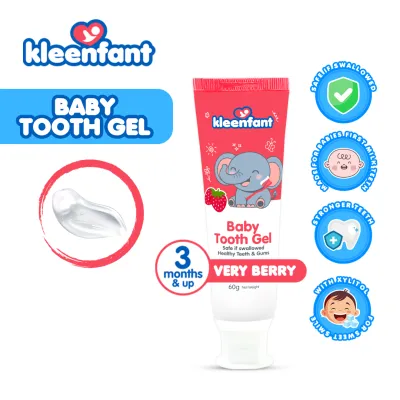
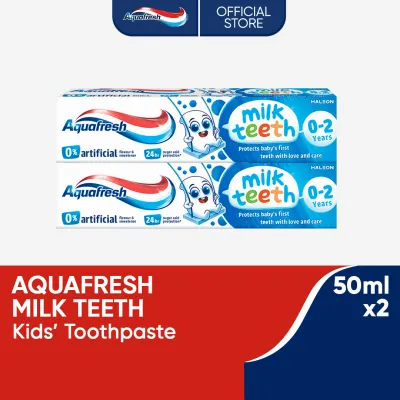
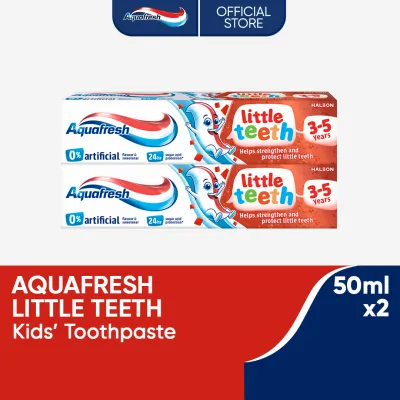
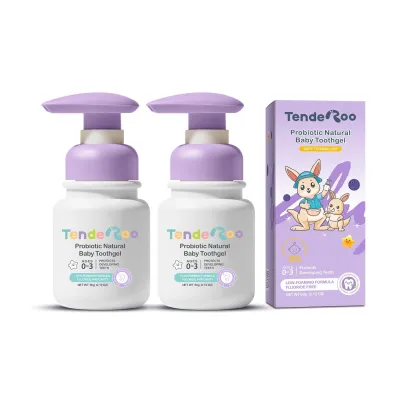
Products mentioned in this guide

![[Bundle of 3] Hapee Kiddie Strawberry Bloom Toothpaste 40g](https://img.lazcdn.com/g/p/a12e967f298dfd18d16df4b3c5c19b31.png_400x400q80.png_.webp)
Prices are valid at publication and may change. Please refer to the product page for the latest price.
Dental fluorosis typically manifests as faint white streaks or spots on the permanent teeth that are still developing beneath the gums. While fluorosis does not affect the physical health or structural integrity of the teeth, parents naturally want to minimize its occurrence. The risk of fluorosis is highest during the first three years of life when the permanent front teeth are forming. Consequently, a child’s swallowing ability serves as the primary guide for determining when to introduce fluoride toothpaste and in what quantities.
To manage this risk, parents should carefully inspect toothpaste packaging for age-specific warnings and concentration indicators. Fluoride levels are often listed on the back of the tube in parts per million (ppm). Because local water fluoridation levels and dietary habits vary across different regions, general guidelines may not fit every child’s specific situation. Consulting a pediatric dentist is the most reliable way to determine the appropriate fluoride level for your child’s individual needs, ensuring they receive adequate cavity protection without unnecessary exposure.
Choosing Toothpaste for Toddlers (Ages 0–3)
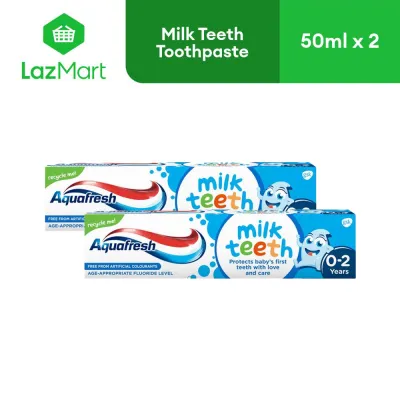
For infants and toddlers under the age of three, oral care begins as soon as the first primary tooth erupts through the gums. At this stage, children lack the cognitive and physical coordination to spit out toothpaste, meaning they will inevitably swallow whatever is placed in their mouths. For this reason, many dental professionals recommend starting with training toothpastes, which are typically formulated without fluoride. These options allow toddlers to get used to the physical sensation of brushing without any risk of systemic ingestion.

If a pediatric dentist assesses your toddler as having a high risk of tooth decay, they may recommend using a fluoride toothpaste earlier than usual. In such cases, the amount of toothpaste used must be strictly controlled by an adult. The recommended portion is a tiny smear, no larger than a single grain of dry rice. This minuscule amount provides localized protection to the emerging teeth while keeping the total amount of ingested fluoride well within safe limits, even if the toddler swallows all of it.
The sensory experience of brushing is highly influential for toddlers, who possess sensitive taste buds and can easily become overwhelmed by strong flavors. Toothpastes designed for this age group should feature very mild, toddler-friendly flavors, such as subtle fruit or berry profiles. Strong mint flavors can feel intensely cold or even painful to a young child, potentially causing them to resist brushing altogether. Introducing a pleasant, mild taste helps build positive associations with daily oral hygiene.
Supervision is the most critical element of toddler oral care. Parents must always apply the toothpaste to the brush themselves and keep the tube stored safely out of the child’s reach. In the warm and humid climate of the Philippines, storing toothpaste in a cool, dry cabinet away from direct sunlight prevents the formulation from separating or becoming runny. Never allow a toddler to hold or squeeze the tube independently, as they may be tempted to eat the sweet-tasting paste directly from the nozzle.
Choosing Toothpaste for Preschoolers (Ages 3–6)
As children transition into the preschool years, between the ages of three and six, their physical coordination improves significantly. Most children in this age bracket can be taught to spit out excess toothpaste after brushing, though they may still occasionally swallow small amounts. This developmental milestone marks the appropriate time to transition to a low-fluoride or age-appropriate fluoride toothpaste, provided the child can reliably spit. This transition helps protect their primary teeth as they prepare for the arrival of permanent teeth.
Even when a preschooler has mastered the art of spitting, the volume of toothpaste used must remain carefully regulated. The standard recommendation for children aged three to six is a pea-sized portion of toothpaste. Parents should actively supervise the application, pressing the small dollop firmly into the bristles of the toothbrush rather than letting it sit loosely on top. This technique prevents the child from swallowing the entire clump of paste in one go before the brushing action even begins.
Supervision remains necessary throughout the entire brushing process to ensure the child does not swallow the foam or rush through the routine. Preschoolers are highly motivated by routine and play, so choosing a toothpaste with an appealing flavor can make the twice-daily habit much easier to maintain. Look for kid-friendly flavors that make the routine enjoyable, but ensure they do not contain fermentable sugars or harsh chemical additives that could irritate the oral mucosa.
When shopping for toothpaste for this age group, parents should check the ingredient list for safe, non-cariogenic sweeteners like xylitol. Xylitol helps sweeten the paste without promoting tooth decay, making it an excellent alternative to standard sugars. Additionally, avoiding formulations with heavy foaming agents can make the spitting process cleaner and less intimidating for a young child who might otherwise feel overwhelmed by a mouth full of thick bubbles.
Choosing Toothpaste for School-Age Kids (Ages 6+)
By the time children reach school age, typically around six years old, their permanent teeth begin to erupt, replacing their primary baby teeth. At this stage, the swallowing reflex is fully mature, and children can reliably spit out toothpaste and rinse their mouths without assistance. This milestone allows for a transition to standard family toothpastes or specialized junior formulations that offer robust cavity protection.
While school-age children are much more independent, they still benefit from parental guidance regarding their oral care choices. Evolving flavor preferences mean that many six-year-olds begin to outgrow the sweet, fruity flavors of toddlerhood. Introducing mild mint or gentle fruit-mint hybrid variants can help ease the transition toward adult oral care products. This shift not only keeps them engaged in their routine but also leaves their breath feeling clean and refreshed.
Another critical factor to consider when choosing toothpaste for school-age kids is the abrasiveness of the formulation. Newly erupted permanent teeth have enamel that is still maturing and can be susceptible to physical wear. Parents should look for toothpastes with low abrasive levels, avoiding adult whitening formulas that contain harsh polishing agents designed to scrub away stubborn stains. These highly abrasive pastes can wear down young enamel and cause tooth sensitivity over time.
Although school-age children can physically brush their teeth independently, parents should continue to monitor their routine periodically. Ensure they are brushing for the recommended two minutes and reaching all surfaces of their teeth, especially the newly erupting molars at the back of the mouth. Regular dental checkups remain essential during this transitional phase to monitor the alignment of permanent teeth and verify that the chosen toothpaste is providing adequate protection.
Essential Label Checks and Ingredients to Avoid
Navigating the baby care aisle requires a discerning eye, as packaging designs can often be distracting with bright colors and popular cartoon characters. To make an informed decision, parents must look past the marketing and focus on the ingredient list and safety certifications. A reliable kids toothpaste for kids should feature clear age-range indicators on the front of the packaging, helping you quickly identify which formulation matches your child’s current developmental stage.
When comparing options on the shelf, look past the bright cartoon characters and the price tag in ₱ to focus on the active ingredients. Look for mild cleaning agents like hydrated silica, which gently removes plaque without scratching the enamel. Humectants such as glycerin or sorbitol are also standard ingredients that keep the toothpaste moist and smooth. On the other hand, parents may want to limit or avoid sodium lauryl sulfate (SLS), a common foaming agent that can cause dry mouth or trigger painful canker sores in children with sensitive oral tissues.
In addition to checking the ingredients, always inspect the physical packaging for safety seals and clear usage instructions. A secure, tamper-evident seal ensures the product has not been contaminated before purchase. It is also wise to check the expiration date printed on the crimp of the tube or the outer box. Expired toothpaste can lose its efficacy, and the flavor or consistency may degrade, making it less appealing to your child.
Proper storage is particularly important in tropical climates where high humidity and warm temperatures are common. Store the toothpaste tube in a cool, dry cabinet rather than leaving it on the edge of the sink where it is exposed to steam and heat from the shower. Keeping the cap tightly closed prevents moisture from entering the tube, which can encourage bacterial growth and alter the texture of the paste. By maintaining these storage habits, you ensure the product remains safe and effective until the very last squeeze.
Frequently Asked Questions (FAQ)
Can I use adult toothpaste for my school-age child?
It is generally best to avoid using standard adult toothpaste for school-age children unless specifically advised by a pediatric dentist. Adult formulations often contain higher concentrations of fluoride and stronger flavoring agents that can be too intense or spicy for a child’s mouth. More importantly, many adult toothpastes contain harsh abrasive agents designed for stain removal and whitening, which can wear down the relatively soft, newly erupted enamel of permanent teeth. Instead, look for junior or family toothpastes that explicitly state they are formulated with low abrasiveness and a mild flavor suitable for growing smiles.
What should I do if my toddler swallows a large amount of toothpaste?
If your toddler swallows a small, daily-use amount of toothpaste, there is generally no cause for concern. However, if they ingest a large quantity directly from the tube, you should take immediate action. First, take the tube away and wipe any remaining paste from their mouth. Offer them a glass of milk or another calcium-rich snack, as calcium binds with fluoride in the stomach, reducing its absorption. Monitor your child for symptoms like nausea, vomiting, or abdominal pain. If they exhibit these symptoms or if you suspect they have consumed a significant portion of a fluoride tube, contact a medical professional, local poison control center, or visit the nearest clinic immediately.
Are natural or organic toothpastes effective for preventing cavities in kids?
Natural or organic toothpastes can be highly effective for cleaning teeth, but their ability to prevent cavities depends entirely on their active ingredients. Many natural formulations rely on ingredients like xylitol, erythritol, or herbal extracts to clean the mouth and freshen breath. While these ingredients help reduce plaque bacteria, they do not rebuild or strengthen enamel in the same way fluoride does. If you choose a fluoride-free natural toothpaste, it is crucial to maintain meticulous brushing habits and consult your pediatric dentist to ensure your child’s diet and oral hygiene routine provide sufficient protection against tooth decay.

Community discussion
Share your experience or ask a question. Comments are reviewed before publication.