
Transitioning your baby from a purely liquid diet to solid foods is an exciting milestone, but it completely changes how you manage daily feeding routines. In the Philippines, where high humidity and warm temperatures require extra vigilance with food safety, choosing the right formula milk storage bag becomes a crucial step in this transition. The ideal storage bag for a weaning baby must offer reliable barrier protection against moisture, precise portion control to minimize waste, and a design that simplifies mixing milk with solid foods. By focusing on food-grade materials, secure double-zipper seals, and versatile sizing, you can safely store prepared formula or dry powder for quick meals and top-ups.
How Weaning Changes Your Formula Storage Needs
During the initial months of your baby’s life, feeding routines are highly predictable, consisting of large, full-sized bottles at regular intervals. As you introduce solid foods, however, your baby’s milk consumption naturally begins to shift. Instead of consuming massive volumes of formula in a single sitting, weaning babies often transition to smaller, less frequent milk top-ups that complement their solid meals. This shift means that storing formula in standard, large-capacity containers often leads to unnecessary waste, as any unfinished milk must be discarded shortly after preparation.
Furthermore, prepared formula during the weaning stage serves a dual purpose. Beyond direct drinking, you will frequently find yourself using stored formula to mix with baby cereals, vegetable purees, or mashed solid meals to achieve a smooth, familiar consistency. These culinary applications typically require very small, precise amounts of milk—sometimes only a few tablespoons at a time. Using a large storage container for these tiny portions is highly impractical and increases the risk of contamination.
Products mentioned in this guide
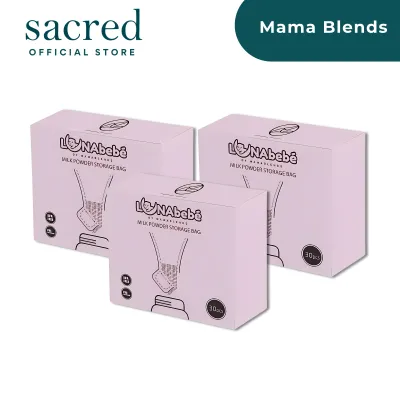
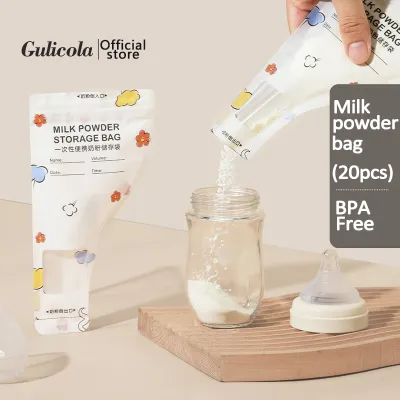
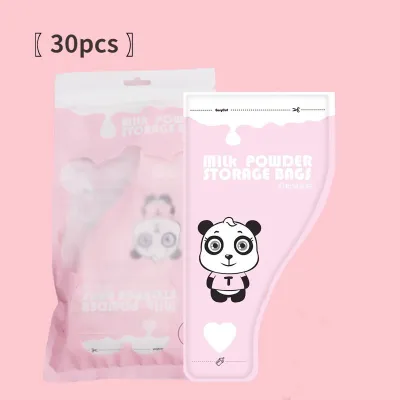
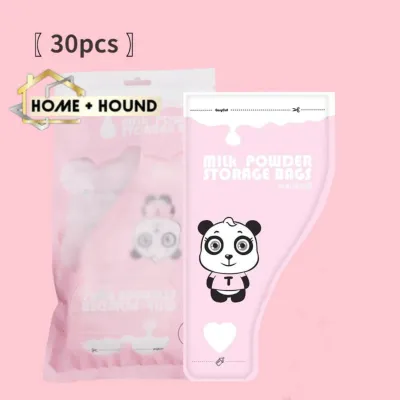
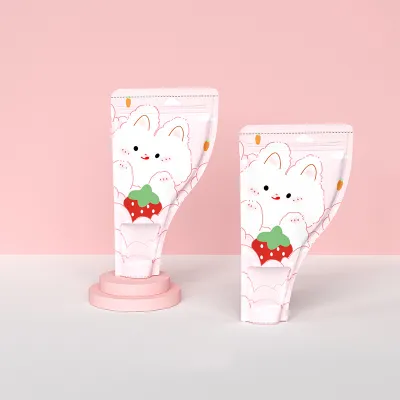
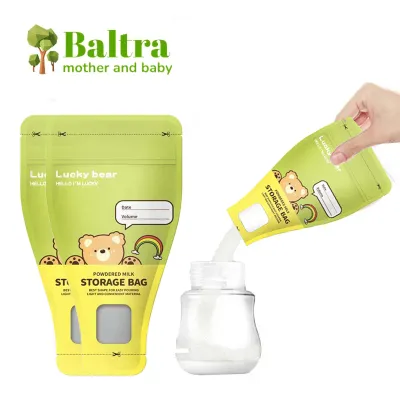
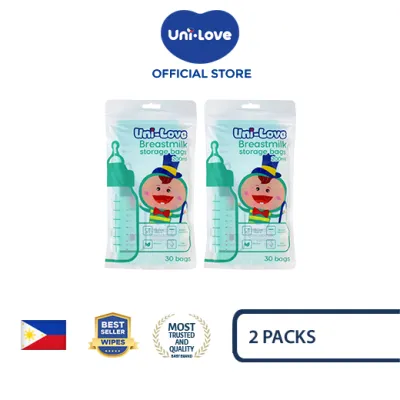
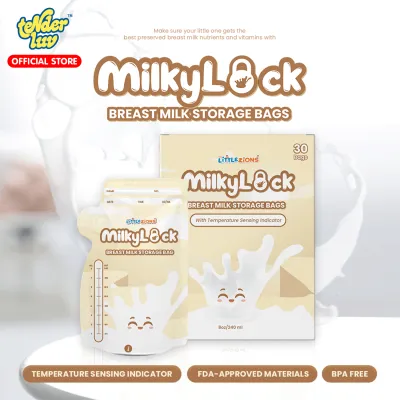
Prices are valid at publication and may change. Please refer to the product page for the latest price.
To adapt to these changing patterns, parents need flexible portioning options that allow them to store and access small volumes of formula easily. In a tropical climate, prepared formula left at room temperature can quickly become a breeding ground for bacteria, making it essential to store milk in airtight, single-serve portions. By utilizing specialized storage bags, you can freeze or refrigerate exact amounts tailored for mixing or quick top-ups, ensuring that every drop of formula is used efficiently without compromising your baby’s digestive health.
Essential Features for Weaning-Stage Storage Bags
When selecting storage bags for the weaning phase, the physical design of the bag plays a significant role in how easily you can prepare daily meals. One of the most critical features to look for is a dedicated pouring spout or an easy-tear notch. When you are ready to mix formula into a warm bowl of baby cereal or transfer it into a transitional sippy cup, a standard wide-mouth bag can easily cause spills. A specialized spout directs the flow of liquid precisely, preventing messy cleanups and ensuring that the exact measured volume reaches the bowl or cup.

Another indispensable design element is a gusseted or standing base. In a busy family kitchen, refrigerator and freezer space is always at a premium, and loose, floppy bags are prone to slipping, sliding, and leaking. A bag with a self-standing bottom can be placed upright on a shelf, allowing you to organize your storage space efficiently and minimize the risk of accidental punctures from surrounding frozen items. This stability is particularly helpful when you are pouring liquid into the bag single-handedly while managing a hungry baby.
Additionally, clear and durable write-on areas are essential for maintaining an organized kitchen inventory. Because weaning involves a mix of drinking milk and cooking milk, you must be able to track dates, volumes, and the intended use of each bag clearly. Standard ballpoint pens or permanent markers should easily write on the bag’s surface without smudging, especially when exposed to the condensation common in tropical climates. This simple tracking habit ensures you always use the oldest stock first and never accidentally use expired formula for your baby’s meals.
Sizing and Portion Control for Transitioning Babies
As your baby’s solid food intake increases, their liquid milk requirements will naturally decrease, making standard large-capacity storage bags less practical. While a newborn might easily consume 180ml to 240ml of formula per feed, a weaning baby may only require 60ml to 120ml for a quick top-up or a recipe mix. Choosing smaller, weaning-specific bag sizes helps you portion out these reduced volumes accurately, preventing the financial and physical waste of discarding unused, expensive formula.
When matching bag volume to your baby’s evolving appetite, it is helpful to look for bags that feature clear, easy-to-read measurement markings on the side. Keep in mind that these markings are most accurate when the bag is fully expanded at the bottom. If you plan to freeze prepared formula, you must also account for the physical properties of liquids. Water expands as it freezes, so you must always leave adequate empty space—typically about an inch or up to the manufacturer’s maximum fill line—at the top of the bag to prevent the seams from bursting in the freezer.
By keeping a variety of bag sizes on hand, you can customize your storage strategy based on your daily routine. For instance, you might use ultra-small bags for recipe-sized portions of 30ml to 60ml, while reserving slightly larger bags for midday drinking sessions. This tailored approach not only keeps your freezer organized but also ensures that you are only thawing the exact amount of formula your baby needs for that specific meal.
Safety Standards and Material Verification Checklist
Ensuring the safety of the materials that come into contact with your baby’s formula is paramount, especially when dealing with single-use plastics. When shopping on online marketplaces or in local baby boutiques, do not rely solely on digital product descriptions, which can sometimes be inaccurate or misleading. Instead, make it a habit to inspect the physical packaging of the bags immediately upon delivery to verify that they are explicitly labeled as food-grade, BPA-free, and BPS-free. These certifications guarantee that the plastic will not leach harmful chemicals into the milk, even during long-term storage.
You should also carefully check the manufacturer-specified temperature limits printed on the packaging or instruction sheet. Because formula storage bags may transition from the deep freeze to a warm water bath, the material must be rated to withstand these temperature extremes without degrading or releasing microplastics. If a bag does not clearly state its safe temperature range for freezing and warming, it is best to avoid using it for heated applications.
Finally, perform a manual check of the bag’s seal integrity before trusting it with your baby’s food. Look for robust double-zipper mechanisms that click shut audibly, providing a physical and visual confirmation of an airtight seal. In the high humidity of the Philippines, a weak seal can allow moisture, odors, and airborne contaminants from the freezer to penetrate the bag, leading to freezer burn or spoilage. Testing a single bag with water from your tap is a simple, practical way to verify the strength of the seams and zippers before filling the entire batch with formula.
Safe Freezing, Thawing, and Serving Practices
To maintain the nutritional quality and safety of your baby’s formula, you must follow strict handling and storage protocols. When placing filled storage bags in the freezer, lay them completely flat on a smooth surface rather than standing them upright. Freezing the bags flat creates a thin, uniform shape that not only maximizes your freezer space but also ensures that the milk thaws quickly and even when you are ready to use it. Once frozen solid, these flat blocks can be stacked neatly in a storage bin or organized chronologically.
When it comes to thawing frozen formula, safety must always come first. The safest method is to transfer the storage bag from the freezer to the refrigerator and allow it to thaw slowly overnight. If you need the milk immediately for a meal, you can place the sealed bag into a bowl of warm water, ensuring the water level remains below the zipper seal to prevent contamination. Never use a microwave to thaw or warm formula storage bags, as microwaves create dangerous hot spots that can scald your baby’s mouth and can also damage the plastic bag, causing chemical leaching or structural failure.
Because prepared formula does not contain the same live immunological properties as breast milk, it is highly susceptible to bacterial growth once thawed. Always adhere to standard food safety guidelines: thawed formula should be kept in the refrigerator and used within 24 hours, and any milk left at room temperature for more than two hours must be discarded. If your baby does not finish a bottle or a mixed meal within one hour of starting the feed, discard the leftovers immediately, as bacteria from the baby’s saliva can quickly multiply in the remaining milk.
Frequently Asked Questions (FAQ)
Can I use standard breast milk storage bags for formula?
Yes, you can generally use standard breast milk storage bags for prepared formula, as both are typically made from food-grade, BPA-free plastics designed for freezing and refrigerating liquids. However, you should always check the manufacturer’s packaging to ensure the bag is explicitly rated for general milk storage and does not have restrictions against formula. Keep in mind that while breast milk bags are pre-sterilized and ready for immediate use, you must still practice strict hygiene when preparing and pouring formula into them, as formula is not sterile and requires careful handling to prevent bacterial contamination.
How should I adjust portion sizes as my baby eats more solids?
To adjust portion sizes effectively, start by closely observing your baby’s daily eating patterns over a week or two to identify their new baseline milk intake. As solid foods begin to replace liquid meals, you will notice your baby leaving more milk behind in their cup or bottle. Begin freezing or refrigerating your formula in smaller increments, such as 60ml or 90ml portions, which are ideal for quick top-ups or mixing into purees. If your baby goes through a sudden growth spurt or requires a larger feed, you can easily combine multiple small bags to create a larger serving without wasting any thawed milk.
Are reusable silicone storage pouches a safe alternative for formula?
Reusable silicone storage pouches can be a safe, eco-friendly alternative to single-use plastic bags, provided they are made from 100% food-grade, platinum-cured silicone and are certified free of harmful chemicals. However, reusable options require a much higher level of maintenance and strict cleaning protocols to ensure they remain safe for formula. Because silicone can have textured inner surfaces and corners, you must thoroughly wash, dry, and sterilize them after every single use to prevent bacterial buildup. If you have a busy schedule or live in a highly humid environment where air-drying takes longer, the convenience and guaranteed sterility of single-use bags may outweigh the long-term durability of silicone.

Community discussion
Share your experience or ask a question. Comments are reviewed before publication.