
Choosing the right diapering system for a newborn is one of the earliest and most impactful decisions eco-conscious parents face. In the Philippines, where the tropical climate brings high heat and intense humidity, selecting a breathable, skin-friendly material is paramount. Traditional cotton flat diapers, locally known as lampin, alongside modern cotton cloth diapering systems, offer an excellent balance of environmental sustainability, cost savings, and gentle care for a baby’s delicate skin.
For parents searching for the ideal lampin new born baby cotton options, navigating the varieties of weaves, styles, and care routines can feel overwhelming. Unlike disposable diapers that rely on synthetic superabsorbent polymers, cotton cloth diapers utilize natural fibers to manage moisture. This guide provides a comprehensive framework to help you evaluate fabric types, verify genuine eco-friendly standards, select the right diapering styles for your daily routine, and establish a practical washing cycle suited to tropical conditions.
Key Features to Look for in Newborn Cotton Diapers
When selecting cotton diapers for a newborn, the fabric’s weave directly influences its performance, drying time, and softness. Muslin is an open, plain-weave cotton that is exceptionally lightweight and breathable. This open structure allows for maximum airflow, making it highly suitable for hot afternoon temperatures in the Philippines, though it requires strategic folding to achieve sufficient absorbency. Birdseye cotton features a small, diamond-shaped pattern woven into the fabric, providing a durable, moderately thick texture that balances absorbency with a relatively fast drying time. Flannel cotton is brushed on one or both sides, offering a plush, cozy feel that holds substantial moisture, though its density means it takes longer to line-dry in humid weather.
Products mentioned in this guide
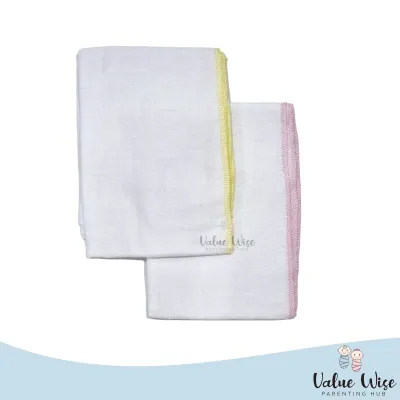


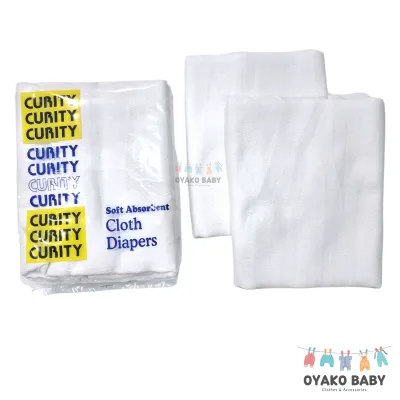
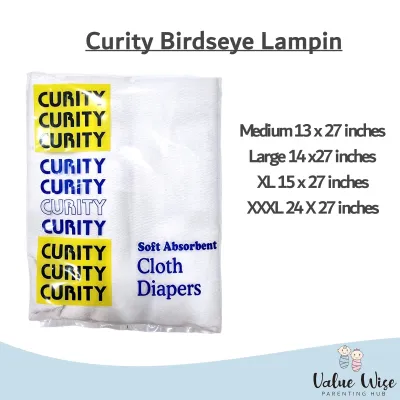

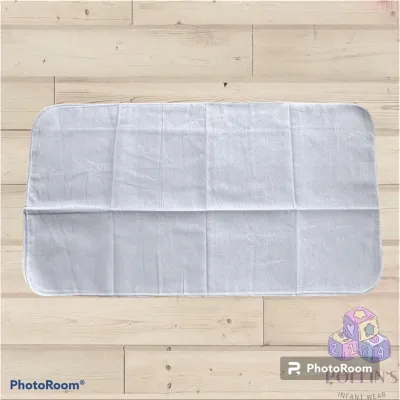
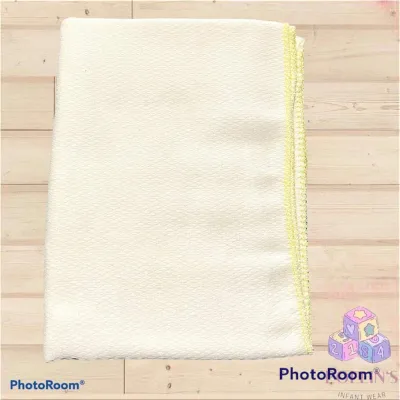
Prices are valid at publication and may change. Please refer to the product page for the latest price.
Sizing and folding adaptability are critical during the first few weeks of a baby’s life. A newborn’s diaper must accommodate a rapidly changing body shape while avoiding irritation to the healing umbilical cord stump. Standard flat diapers, typically measuring around 24 by 24 inches or 27 by 27 inches, allow caregivers to customize the fold. By folding the fabric down at the front, you can create a clear space that keeps the umbilical area dry and exposed to the air, reducing the risk of friction and infection.
Delicate newborn skin is highly susceptible to chafing from rough edges and bulky seams. Inspect the perimeter of the diaper for high-quality edge finishing. Overlocked or serged edges are generally flatter and softer than traditional thick hems, minimizing the risk of red marks on the baby’s thighs. Seam placement should also be evaluated; seamless flat diapers or those with flat-locked stitching prevent pressure points from rubbing against the skin when the baby is lying down.
Verifying Eco-Friendly and Safety Standards
As the demand for sustainable baby products grows, so does the presence of vague environmental claims. To ensure you are purchasing truly eco-friendly cotton, look for verifiable third-party textile certifications on product labels. Standards such as the Global Organic Textile Standard (GOTS) or OEKO-TEX Standard 100 indicate that the fabric has been tested for harmful substances and produced under strict environmental and social criteria. Rather than taking marketing claims at face value, verify these certifications by checking the manufacturer’s license number on the official registry databases of the respective certifying bodies.

Processing methods significantly impact both the environmental footprint and the purity of the fabric touching your baby. Unbleached cotton retains its natural cream or light beige color because it has not undergone harsh chlorine bleaching processes. While unbleached cotton contains natural plant oils that require multiple initial washes to strip away before reaching full absorbency, it minimizes chemical exposure for your newborn. Similarly, undyed cotton or diapers utilizing low-impact, heavy-metal-free dyes help protect sensitive skin from potential allergens.
True ecological responsibility extends to the packaging of the diapers. Look for brands that package their products in plastic-free, biodegradable, or FSC-certified recycled paper packaging. Minimizing single-use plastic wraps aligns with a zero-waste lifestyle and reduces the overall environmental footprint of your purchase.
Always review the manufacturer’s safety guidelines regarding age, weight limits, and proper usage. Ensure that any fasteners, such as diaper pins or modern silicone fasteners, are used under direct adult supervision. Regularly inspect the diapers for loose threads or unraveling seams, which can pose a wrapping hazard to tiny fingers and toes.
Matching Cotton Diaper Styles to Your Routine
Selecting the right diaper style depends on your lifestyle, budget, and laundry setup. Traditional flats are single-layer sheets of cotton that require folding and fastening. They are highly economical, customizable to any baby’s shape, and dry incredibly fast on a clothesline. Prefolds are multi-layered cotton rectangles with a thicker center panel, offering simplified folding while retaining excellent washability. Fitted cotton diapers are shaped like disposable diapers, featuring elasticized legs and waistbands with built-in absorbency, though they require a separate waterproof cover and take longer to dry due to their multiple sewn layers.
Because cotton is a natural, breathable fiber, it is not inherently waterproof. To prevent leaks onto clothing and bedding, cotton diapers must be paired with a high-quality, water-resistant cover. Polyurethane laminate (PUL) or thermoplastic polyurethane (TPU) covers are popular options that wipe clean easily and can be reused across multiple diaper changes if not soiled. For a fully natural option, breathable wool covers provide excellent moisture protection and temperature regulation, though they require specialized hand-washing and lanolizing.
Your diapering configuration should adapt to daytime and nighttime needs. During the day, newborns urinate frequently, requiring a diaper change every two hours or immediately upon wetting. A lightweight flat or prefold diaper is ideal for these quick rotations, keeping the baby cool and dry. For nighttime or longer stretches, you can boost the absorbency of your cotton diaper by adding a cotton doubler or a folded booster insert inside the main diaper, ensuring the baby remains comfortable without compromising breathability.
Planning Your Newborn Cloth Diaper Stash
To build a practical cloth diapering routine, you must estimate your baby’s daily usage. Newborns typically require 10 to 12 diaper changes per day due to their frequent feeding and elimination patterns. Having an accurate estimate prevents you from running out of clean diapers before your next wash day.
Your total stash size depends directly on your laundry frequency. If you plan to wash diapers every single day, a minimum stash of 15 to 18 diapers is recommended to account for washing, drying, and folding time. If you prefer to wash every two days, you will need a larger stash of 24 to 30 diapers. In the Philippines, seasonal weather changes play a significant role in drying times; during the rainy season, high humidity can double the time it takes for diapers to line-dry, making a slightly larger stash of fast-drying flat diapers highly practical.
For parents transitioning into cloth diapering, starting with a minimal starter set is a wise strategy. Begin with approximately 12 flat cotton diapers and 3 waterproof covers. This allows you to practice different folding techniques, assess the drying time in your specific home environment, and observe how your baby’s skin responds to the fabric before investing in a full-sized stash.
Essential Care and Washing Guidelines
Proper care is essential to maintain the absorbency, hygiene, and longevity of cotton diapers. New cotton diapers contain natural oils and waxes that repel moisture. To prime them for use, they must undergo a pre-washing process. Wash new diapers three to five times with a small amount of detergent, drying them between cycles. You can test their readiness by dropping a small amount of water onto the dry fabric; if the water absorbs instantly, the diapers are ready for use.
Your regular washing routine should begin with a cold rinse or short cycle without detergent to flush out organic waste and prevent stains from setting. Follow this with a long, warm or hot wash cycle (refer to the manufacturer’s care label for maximum safe temperatures) using a proper dose of detergent to thoroughly clean the fibers. Finish with an extra rinse cycle to ensure all soap residue is completely removed, as leftover detergent can cause skin irritation and lead to ammonia buildup.
Choosing the right detergent is critical for maintaining fabric performance. Use a residue-free detergent that does not contain fabric softeners, optical brighteners, or heavy synthetic fragrances. Fabric softeners are particularly problematic because they leave a waxy coating on cotton fibers, drastically reducing their absorbency and causing premature leaks. Avoid using chlorine bleach regularly, as it can weaken cotton fibers over time; instead, utilize natural sanitizing methods.
Whenever possible, line-dry your cotton diapers in direct sunlight. The sun’s ultraviolet rays act as a natural sanitizer and help fade organic stains naturally. Before folding and storing your diapers, always check that they are completely dry, especially along the thicker seams and folds. Storing damp cotton in a humid environment can quickly lead to mildew and mold growth, which can ruin the fabric and irritate your baby’s skin.
Frequently Asked Questions (FAQ)
When can I start using cloth diapers on a newborn?
You can begin using cotton cloth diapers immediately from birth, provided the diaper design accommodates the healing umbilical cord stump. Many parents prefer to wait a few days until the cord stump falls off and heals completely to avoid any friction from the diaper waistband or cover. If you choose to start immediately, utilize flat diapers folded with a low-rise front, or select newborn-specific covers that feature a contoured umbilical cutout. Ensure the diaper fits snugly around the baby’s thighs without being too tight, as skinny newborn legs can easily leak if the leg openings are loose.
How do I manage diaper rash when using cotton diapers?
Managing diaper rash with cotton diapers centers on moisture control and skin hygiene. Because cotton does not contain the chemical gelling agents found in disposables, your baby will feel wetness, making frequent changes essential—ideally every two hours or immediately after a bowel movement. Ensure the baby’s skin is completely clean and dry before putting on a fresh diaper; allowing a few minutes of diaper-free air time can be highly beneficial. If you use a diaper rash cream, ensure it is labeled as cloth-diaper-safe, or use a thin, flushable liner to protect the cotton fibers from being clogged by heavy zinc oxide or petroleum-based barriers. If a rash persists, spreads, or appears blistered, consult your pediatrician for a proper diagnosis and treatment plan.

Community discussion
Share your experience or ask a question. Comments are reviewed before publication.