
Keeping a diaper bag sorted is one of the most effective ways to reduce stress during outings with your baby. When you are away from home, whether running quick errands or spending an afternoon at a local park, finding a clean pacifier, a fresh diaper, or a wipe in a matter of seconds can prevent a minor fuss from turning into a full-blown meltdown. Instead of rummaging through a chaotic, single-compartment bag where small items inevitably sink to the bottom, using dedicated diaper bag organizer inserts and pouches allows you to establish a systematic, modular packing routine. By categorizing your baby gear into structured compartments and removable pouches, you can transform any standard tote, backpack, or specialized diaper bag into a highly functional travel station.
Why Your Diaper Bag Needs Dedicated Organizers and Inserts
A standard diaper bag often becomes a dark, bottomless pit where loose items shift constantly during transit. Dedicated organizers and inserts solve this issue by dividing the interior volume into predictable, easily accessible zones. During urgent diaper changes in public restrooms or sudden feeding sessions in a crowded mall, every second counts. Having a designated pouch for diapers and wipes means you can grab exactly what you need with one hand while keeping your other hand safely on your baby.
Beyond saving time, modular organization plays a critical role in maintaining hygiene. Babies require a mix of clean items, such as pacifiers, teething toys, and clean bottles, alongside potentially soiled items like used bibs, damp clothes, or dirty diapers. Without physical barriers, the risk of cross-contamination increases significantly. Using separate, sealed pouches ensures that clean items remain completely isolated from soiled gear, protecting your baby’s health while you are on the move.
Products mentioned in this guide
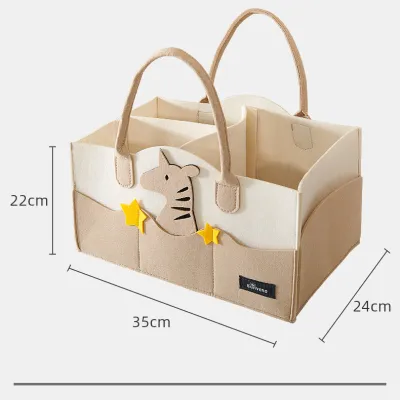
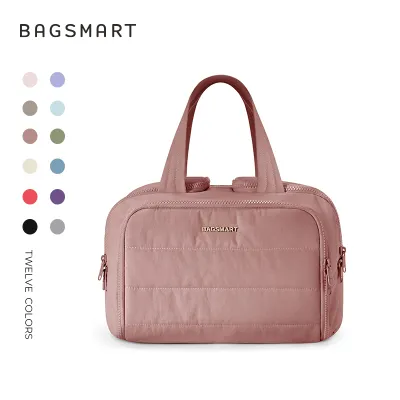
Prices are valid at publication and may change. Please refer to the product page for the latest price.
Additionally, baby gear is prone to unexpected leaks and spills. Formula powder, breast milk, liquid vitamins, and diaper creams can easily spill and ruin the interior lining of an expensive bag. A high-quality insert or a set of water-resistant pouches acts as a protective barrier, containing any accidental spills within a small, easily washable compartment rather than allowing liquids to saturate the entire bag. This protective layer not only preserves the aesthetic value of your bag but also prevents unpleasant odors from developing over time.
Key Features to Evaluate When Buying Bag Organizers
When shopping for diaper bag organizers, the material composition of the interior lining is a primary consideration. Look for materials that are explicitly labeled as water-resistant, waterproof, or easily wipeable, such as laminated cotton, nylon, or high-density polyester. In tropical climates where high humidity is common, spills can quickly lead to mildew if not cleaned promptly. A lining that can be restored with a quick swipe of a baby wipe or a damp cloth makes daily maintenance manageable.

Weight is another crucial factor that is often overlooked. A fully packed diaper bag containing water bottles, milk, spare clothes, and diapers is already heavy. Choosing heavy canvas or thick leather organizers will only add unnecessary strain to your shoulders and back. Opt for lightweight materials like thin nylon, mesh, or lightweight felt—such as a structured nag organizer—which provide excellent structural support without adding noticeable bulk to your daily carry.
The type of closure system you choose should align with how quickly you need to access the contents. Zippers offer the most secure closure, making them ideal for small items like medicine, keys, or loose coins that could easily slip out. Velcro closures allow for rapid, one-handed opening, which is highly convenient during diaper changes, though the sound of tearing Velcro can sometimes startle a sleeping infant. Snap buttons provide a middle ground, offering decent security and quiet operation, though they can be difficult to align when a pouch is overstuffed.
Finally, evaluate the compartment layout to ensure it matches your specific gear. A well-designed organizer should feature a mix of tall, elasticized pockets to keep baby bottles or water flasks upright, flat slip pockets for vaccination cards or wet wipes, and small zippered compartments for tiny essentials like pacifier clips and diaper rash creams. Having a variety of pocket shapes prevents items from shifting horizontally when you lift or carry the bag.
Types of Diaper Bag Organizers and Their Best Use Cases
Understanding the different styles of organizers available on the market helps you select the right combination for your lifestyle. Organizers generally fall into three main categories: full bag inserts, standalone pouches, and external stroller attachments. Each type serves a distinct purpose, and many parents find that combining these styles yields the most efficient setup.
Full Bag Inserts and Caddies
Full bag inserts, often referred to as bag-in-bag organizers or caddies, are designed to sit flat at the bottom of a larger bag, instantly dividing a single open space into multiple structured compartments. These inserts are particularly beneficial for large, open-top tote bags that lack built-in pockets. If you prefer using a stylish designer tote as your primary diaper bag, a structured felt insert, such as a nag organizer, can provide the necessary rigidity to keep the tote standing upright while keeping all your baby gear neatly aligned.
One of the greatest advantages of a removable caddy is the ease with which you can transfer your essentials between different bags. If you frequently switch from a large backpack for weekend trips to a smaller shoulder bag for quick grocery runs, you can simply lift the entire insert out of one bag and drop it into another. This eliminates the need to unpack and repack individual items, reducing the risk of forgetting crucial supplies like diapers or formula during a rushed transition.
Before purchasing a full bag insert, it is essential to measure the interior base dimensions of your target bag. An insert that is too large will buckle, warp, and reduce the usable space inside the bag, while an insert that is too small will slide around and fail to provide adequate stability. Measure the length, width, and height of your bag’s interior, and select an insert that leaves a small amount of clearance on all sides to allow for easy insertion and removal.
Standalone Pouches and Waterproof Wet Bags
Standalone pouches offer a modular approach to organization, allowing you to pack your diaper bag like a set of building blocks. Waterproof wet bags are an indispensable component of this system, especially when dealing with soiled clothes, cloth diapers, or wet swimwear after a day at the pool. These bags typically feature heat-sealed seams and specialized waterproof membranes that lock in moisture and odors, preventing dampness from seeping into the rest of your diaper bag’s contents.
For dry items and small accessories, clear PVC or mesh pouches are highly recommended. These transparent materials provide high-visibility access, allowing you to see exactly what is inside without having to unzip multiple bags. This is particularly helpful when you hand your diaper bag over to a partner, grandparent, or babysitter who may not be familiar with your packing system; they can easily locate pacifiers, teething gels, or band-aids at a glance.
Insulated pouches are another specialized option designed to maintain the temperature of baby bottles, milk bags, or warm baby food. If your primary diaper bag does not feature built-in thermal pockets, adding a standalone insulated pouch ensures that your baby’s milk remains at a safe temperature during warm afternoons. Look for pouches with thick thermal linings and secure zipper closures to maximize temperature retention.
Stroller Attachments and External Caddies
Stroller attachments, also known as stroller caddies or handlebar organizers, are designed to hang directly from the handlebar of your stroller. These external organizers keep high-frequency items within arm’s reach, saving you from having to bend down and rummage through the main diaper bag stored in the under-stroller basket. They are perfect for holding items you need to grab instantly, such as your phone, a water bottle, a pacifier, or a pack of wet wipes.
When selecting a stroller caddy, look for features that enhance convenience, such as dedicated cup holders to prevent drinks from spilling on bumpy sidewalks, and easy-access wipe dispensers that allow you to pull out a wipe with one hand. It is also important to check the strap compatibility of the organizer. Most caddies use adjustable Velcro or buckle straps designed to fit standard single-handle strollers, but if you use a double stroller or a model with an unusual handlebar shape, verify that the straps can be secured tightly without slipping.
Safety and security are paramount when using external stroller attachments. Never overload a handlebar caddy with heavy items, as excessive weight can cause the stroller to tip backward, posing a serious hazard to your baby. Additionally, because these organizers are open and highly visible, avoid storing valuable items like wallets, passports, or expensive electronics in them when walking through crowded public spaces. When folding your stroller for transport or storage, remember to empty the caddy or choose a model that folds flat to prevent items from falling out.
How to Build a Custom Diaper Bag Organization System
Building an efficient, personalized diaper bag system starts with a thorough audit of your current bag and your daily routine. Begin by emptying your diaper bag completely and laying out all the items you typically carry. Examine the interior structure of your bag: does it have deep, unstructured zones where items get lost, or does it already have some built-in pockets that you can utilize? Identifying these “dead spaces” will help you determine whether you need a full-size insert or just a few targeted pouches.
Next, group your baby essentials by frequency of use and urgency. Create distinct categories, such as a diapering kit (diapers, wipes, changing mat, rash cream), a feeding kit (bottles, formula dispenser, bibs, burp cloths), a clothing kit (spare onesie, socks, wet bag), and a comfort kit (pacifiers, small toys, teething rings). By grouping these items together, you can assign each category to a specific pouch or section of your insert, ensuring that you never have to search multiple pockets to complete a single task.
When selecting your organizers, be careful not to overcrowd the main compartment. It can be tempting to buy a pouch for every single item, but too many small pouches can create a different kind of clutter. Choose complementary organizers that fit together neatly like puzzle pieces. For example, you might use one structured insert to hold bottles and diapers upright, and two color-coded pouches—one for spare clothes and one for medical supplies—to fill the remaining space.
Once you have assembled your system, test it out on a short trip close to home. Pay attention to how easy it is to retrieve items when you are holding your baby, and notice if the bag feels unbalanced or excessively heavy on one side. If you find yourself struggling to zip a pouch or if the bag keeps tipping over when placed on a flat surface, adjust the weight distribution by moving heavier items closer to the bottom and center of the bag.
Cleaning and Maintenance Guidelines for Baby Organizers
To keep your diaper bag organizers hygienic and free from bacteria, establish a regular cleaning routine. For daily maintenance, make it a habit to wipe down the waterproof linings of your inserts and pouches with a damp cloth or a mild, baby-safe disinfectant wipe. Address minor spills, such as leaked formula or sticky juice, immediately to prevent them from drying, staining, or attracting insects.
When a deeper clean is necessary, always consult the manufacturer’s care labels on your inserts and pouches. Many fabric pouches and nylon inserts can be hand-washed in warm, soapy water using a gentle, fragrance-free detergent. If the care instructions permit machine washing, place the items inside a mesh laundry bag to protect the zippers and straps, and use a gentle cycle with cold water. Avoid using harsh bleach or fabric softeners, which can degrade water-resistant coatings.
Thorough drying is critical, especially for waterproof wet bags and insulated pouches. Because these items are designed to trap moisture, they can easily harbor mold, mildew, and unpleasant odors if they are stored while still damp. Hang wet bags inside out in a well-ventilated area away from direct, intense sunlight, which can crack or damage waterproof linings over time. Ensure every compartment is completely dry before packing them back into your diaper bag.
Frequently Asked Questions (FAQ)
Can I use regular travel pouches instead of specialized baby organizers?
Yes, you can certainly use regular travel or makeup pouches to organize dry items like spare clothes, toys, or clean bibs. These generic pouches are often highly affordable and come in a wide variety of sizes and patterns. However, specialized baby organizers offer distinct advantages when it comes to handling liquids and maintaining hygiene. Baby-specific pouches often feature food-safe, wipeable linings, insulated compartments to keep milk at a safe temperature, and heavy-duty waterproof seals designed to contain wet, soiled diapers. For these specific use cases, investing in specialized baby gear is highly recommended to prevent leaks and protect your other belongings.
How do I keep a bag insert from sliding around inside an unstructured tote?
To prevent a bag insert from shifting or sliding inside a large, unstructured tote, start by selecting an insert whose exterior dimensions closely match the interior dimensions of your bag. A snug fit naturally minimizes movement. If there is still some empty space around the sides, you can use the weight of your packed items to anchor the insert. Place heavier items, like water bottles or thermos flasks, in the center or designated side pockets of the insert to keep it grounded. Additionally, some inserts are designed with built-in Velcro tabs, snaps, or exterior grip strips that can be secured to the lining of your tote bag for extra stability.

Community discussion
Share your experience or ask a question. Comments are reviewed before publication.