
Choosing the right baby powder for baby skin in the Philippines requires balancing effective moisture control with strict safety standards. In a tropical climate where high humidity and heat are constant, keeping your baby’s skin dry is a daily challenge that directly impacts their comfort and health. While traditional powders have long been used in Filipino households to keep infants feeling fresh, modern pediatric guidance emphasizes selecting safe, plant-based ingredients and applying them with precise techniques to protect your baby’s delicate respiratory system.
To make an informed decision, caregivers must understand the underlying causes of diaper rash, evaluate product labels for safe ingredients, and compare traditional loose powders with modern liquid-to-powder alternatives. By establishing a careful selection process and practicing safe application habits, you can effectively prevent diaper rash and manage daily moisture without compromising your baby’s well-being.
Understanding Diaper Rash and the Role of Baby Powder
Diaper rash is not a single, uniform condition; rather, it stems from various environmental and physical triggers that require distinct management strategies. Friction rash occurs when the rough edges of a diaper repeatedly rub against a baby’s sensitive thighs and waistline, causing localized redness and chafing. Moisture-associated dermatitis develops when prolonged contact with wetness weakens the skin’s outer protective layer, making it highly susceptible to damage. Irritant diaper rash is triggered by the chemical breakdown of urine and stool, which releases harsh enzymes that irritate the skin barrier.
Products mentioned in this guide
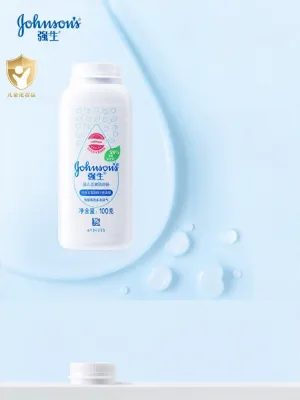
![[BUY 2 FREE 1] Tender Care Pink Soft Baby Powder - Hypoallergenic & Dermatologically Tested 100g Value Pack of 3](https://img.lazcdn.com/g/p/1a198013be52a2f9fc4725516f9fb01d.png_400x400q80.png_.webp)
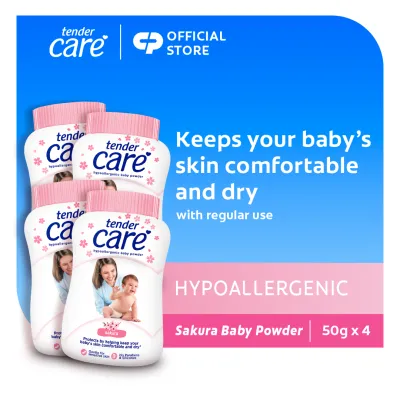
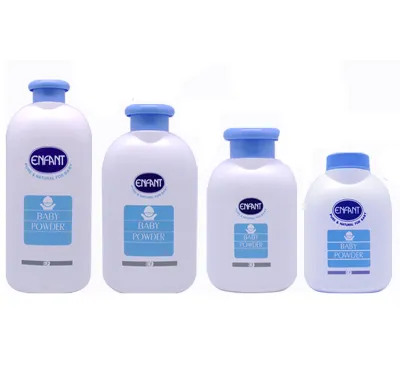
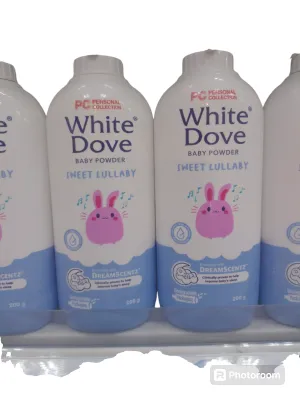
Prices are valid at publication and may change. Please refer to the product page for the latest price.
Baby powder for baby skin primarily serves to mitigate excess moisture and reduce mechanical friction. The fine, smooth particles of a high-quality powder slide against one another, creating a lubricating layer that minimizes the chafing caused by diaper movement. By absorbing residual sweat and surface moisture, powder helps maintain a dry environment, which is particularly beneficial in tropical climates where sweat can quickly accumulate in skin folds.
However, it is crucial to understand how baby powders and barrier creams differ in their protective mechanisms. While a baby powder absorbs moisture that is already present on the skin surface, a barrier cream or ointment creates a thick, hydrophobic seal that blocks external moisture from reaching the skin. Applying powder to an already wet, weeping, or severely irritated diaper rash can create a thick, pasty residue that traps moisture and heat, creating an ideal breeding ground for bacteria and yeast.
Consequently, baby powder is most effective as a preventive measure on completely dry, healthy skin to reduce friction and absorb light perspiration. If your baby’s skin is already broken, bleeding, or showing signs of a fungal infection—such as bright red patches with distinct borders—powders should be avoided entirely. In these situations, a thick barrier cream is necessary to protect the compromised skin barrier while it heals, and a pediatrician should be consulted.
Key Ingredients to Look For and Avoid on Product Labels
Reading the ingredient list on a baby powder bottle is the most reliable way to ensure both skin compatibility and respiratory safety. Traditional formulations historically relied on talcum powder, but modern safety standards strongly encourage caregivers to transition to safer, plant-based alternatives. Understanding what goes into these formulations allows you to filter out potentially irritating or harmful substances before they touch your baby’s skin.

Cornstarch is one of the most widely recommended plant-based absorbents used in modern baby powders. Its natural molecular structure allows it to absorb moisture efficiently without stripping the skin of its natural oils. Because cornstarch particles are physically larger and heavier than talc particles, they are less likely to remain suspended in the air during application, significantly reducing the risk of accidental inhalation.
Tapioca starch and arrowroot powder are also excellent plant-based ingredients that offer a silky, smooth texture on the skin. These natural starches are highly compatible with sensitive skin types and excel at absorbing sweat in warm climates, helping to keep skin folds dry and comfortable. Many premium, plant-based baby powders utilize these ingredients as safe, biodegradable bases.
Conversely, talc—often listed as talcum or hydrated magnesium silicate—is an ingredient that caregivers should actively avoid. Because talc is a mineral that must be mined, it carries a historical risk of asbestos contamination if not strictly purified. Furthermore, talc particles are exceptionally fine and can easily be inhaled deep into an infant’s developing lungs, potentially causing acute respiratory distress or chronic pulmonary irritation.
Synthetic fragrances and essential oils are other common additives that caregivers should scrutinize on product labels. While a pleasant scent is often associated with baby care, synthetic perfumes are common triggers for contact dermatitis and skin allergies in infants. Opt for products explicitly labeled “fragrance-free” rather than “unscented,” as unscented products may still contain chemical masking agents to hide raw ingredient odors.
When evaluating packaging, prioritize products that carry clear, verifiable labels indicating they are dermatologist-tested, pediatrician-approved, or hypoallergenic. These designations indicate that the formulation has undergone standardized patch testing to minimize skin irritation. However, because every baby’s skin is unique, caregivers should still perform a small spot test on the baby’s inner arm before applying any new product extensively.
Traditional Powder vs. Liquid and Cream Alternatives
The physical format of the baby powder you choose plays a significant role in both application safety and daily convenience. While loose, traditional powders remain highly popular and widely available, alternative formulations have been developed specifically to address the respiratory risks associated with airborne dust.
Loose traditional powders require extreme care during dispensing because shaking or squeezing the bottle inevitably releases a cloud of fine particles into the air. Even if the powder is made from safe cornstarch, inhaling any fine particulate matter can irritate a baby’s sensitive airways and trigger coughing fits. Caregivers must exercise strict physical control over how and where these powders are dispensed to keep the baby’s breathing zone completely clear.
Liquid-to-powder formulations offer a modern, dust-free alternative that eliminates the risk of inhalation. These products apply smoothly as a cream or lotion, allowing you to target specific skin folds precisely without releasing any airborne particles. Within seconds of application, the liquid base evaporates, leaving behind a soft, dry, powdery protective barrier on the skin surface.
In terms of moisture-wicking effectiveness in hot and humid weather, both formats have distinct characteristics. Loose starch powders excel at absorbing active sweat rapidly, making them highly refreshing during hot afternoons. However, liquid-to-powder creams often provide a more uniform, long-lasting barrier that does not clump as easily when the baby perspires heavily, making them highly effective for overnight diaper wear.
Application convenience and cleanup also differ significantly between the two types. Loose powder can be messy, often leaving a white residue on changing mats, clothing, and bedding, which requires frequent wiping and washing. Liquid-to-powder creams apply cleanly without spilling, making them highly convenient for diaper bag storage and on-the-go diaper changes, though they may require a few extra seconds of drying time before the diaper is fastened.
How to Build a Safe Shortlist When Shopping
When browsing local supermarket shelves or online marketplaces in the Philippines, building a safe shortlist requires a systematic filtering process rather than relying on brand popularity alone. By establishing clear criteria, you can quickly identify high-quality products that suit your baby’s specific needs.
First, verify the age appropriateness of the formulation by checking the manufacturer’s age recommendations on the label. Newborn skin is exceptionally thin, highly permeable, and lacks a fully developed protective barrier, meaning products formulated for older infants or toddlers may contain concentrations of ingredients that are too harsh for a baby under one month old.
Second, closely inspect the physical packaging design of the product. For loose powders, look for secure sifter caps that allow you to control the flow of the powder precisely, or twist-lock mechanisms that prevent accidental spills in your diaper bag. Avoid wide-open containers or loose-fitting lids that can lead to sudden dumps of powder and large airborne clouds.
Third, assess the manufacturer’s transparency regarding ingredient sourcing and safety testing. Reputable manufacturers clearly list every ingredient on the packaging rather than hiding behind vague terms like “proprietary blend” or “perfume.” Look for brands that provide accessible customer service contact information or online safety data sheets detailing their testing protocols.
Finally, always check for a clearly printed manufacturing date and expiration date on the bottle. In the warm, humid climate of the Philippines, natural starch-based powders can degrade or attract moisture over time if the packaging is compromised, making expired products a potential breeding ground for mold or bacteria. Reject any packaging that shows signs of swelling, dampness, or broken safety seals.
Safe Application and Daily Care Practices
Even the safest, most natural baby powder can cause adverse reactions if applied incorrectly. Establishing a safe, consistent daily application routine is essential to protect your baby’s skin and respiratory health.
The golden rule of applying loose baby powder is the “pour into hands first” technique. Never shake or squeeze the powder bottle directly onto your baby’s body, especially near the chest, neck, or face. Instead, step slightly away from the baby, shake a small amount of powder directly into your own palm, rub your hands together gently to minimize dust, and then pat the powder smoothly onto the baby’s skin folds.
Before applying any powder, ensure the baby’s skin is completely clean and thoroughly dry. After a diaper change or bath, gently pat the skin dry with a clean, soft cotton towel, paying close attention to the deep creases of the thighs and groin. Applying powder to damp skin causes the starch to clump into tiny, abrasive balls that can trap moisture and rub against the skin, leading to severe chafing and fungal infections.
Keep the powder application localized to areas prone to friction, such as the outer diaper line and the upper thighs. Avoid applying powder directly to the genital area or deep inside the skin folds of the groin, as trapped powder in these sensitive regions can cause localized irritation and discomfort.
Caregivers must remain vigilant and monitor the baby’s skin and breathing during and after application. Define clear stop-conditions: if you notice any new redness, tiny red bumps, dry patches, or if the existing diaper rash worsens, stop using the powder immediately. Most importantly, if the baby exhibits any changes in breathing, such as coughing, wheezing, or rapid chest movements during or after powder application, discontinue use and seek immediate medical attention.
Frequently Asked Questions (FAQ)
Can I use baby powder on a newborn's umbilical cord stump?
No, baby powder should never be applied to a newborn’s umbilical cord stump. Standard pediatric guidelines emphasize keeping the umbilical area clean and dry to allow it to heal and fall off naturally. Introducing foreign particles like starch or talc to an open wound or healing tissue can cause severe irritation, delay the drying process, and increase the risk of localized infection. Instead, clean the area gently with water or as directed by your pediatrician, and keep the diaper folded down below the stump to expose it to air.
Is it safe to use baby powder during hot and humid weather?
Yes, but it requires careful monitoring and moderate application. In the tropical climate of the Philippines, high heat and humidity cause babies to sweat excessively, which can lead to heat rash (miliaria) when sweat ducts become clogged. While a light application of starch-based powder can help absorb sweat and reduce friction, applying too much powder can mix with sweat to clog pores and worsen heat rash. Monitor your baby’s skin throughout the day, wash away any accumulated powder residue during baths, and adjust the frequency of use based on daily temperature and humidity levels.
What should I do if my baby accidentally inhales baby powder?
If your baby accidentally inhales baby powder, act immediately to clear their airway and monitor their condition. Move the baby away from the powder cloud into fresh, clean air right away. Gently wipe any visible powder from their mouth and nose with a clean, damp cloth. Observe their breathing patterns closely; look for red-flag symptoms such as persistent coughing, wheezing, shortness of breath, flared nostrils, or rapid chest movements. If you observe any of these symptoms, or if the baby’s lips or skin appear bluish, seek emergency medical attention immediately.

Community discussion
Share your experience or ask a question. Comments are reviewed before publication.