
Preparing homemade purees for your baby is a rewarding way to introduce fresh, nutrient-rich ingredients into their diet. Once you have steamed and blended those first batches of sweet potato, chayote, or mango, storing them safely becomes the next critical step. In a tropical climate like the Philippines, where high humidity and warm ambient temperatures can accelerate food spoilage and attract pests, choosing the right baby food container with a cover is essential. The ideal storage solution must not only preserve the nutritional value of the purees but also withstand repeated freezing, heating, and washing cycles. By focusing on material safety, airtight sealing mechanisms, and portion-appropriate designs, you can establish a seamless meal prep routine that keeps your baby’s food fresh, organized, and safe.
Key Features to Look for in Baby Food Containers
When browsing for storage options, safety and material integrity should be your primary filters. Look closely at the product packaging or online specifications for clear food-grade safety labels. Ensure the containers are explicitly certified as BPA-free (bisphenol A) and BPS-free (bisphenol S), as these chemical compounds can leach into food, especially during heating. You should also look for international food-grade symbols, such as the wine glass and fork icon, which indicate the material is safe for direct food contact.
Temperature compatibility is another non-negotiable feature. Because homemade purees are typically prepared in batches, frozen, and then thawed or warmed, your containers must transition smoothly between extreme temperatures. Check the manufacturer’s guidelines for specific temperature ranges, verifying that the containers are labeled as freezer-safe, microwave-safe, and top-rack dishwasher-safe. Some materials can withstand boiling water or steam sterilization, while others may warp or degrade under high heat.
Products mentioned in this guide
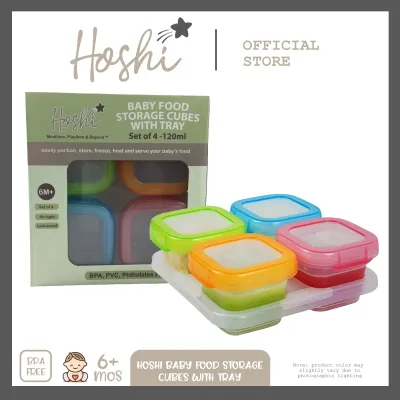
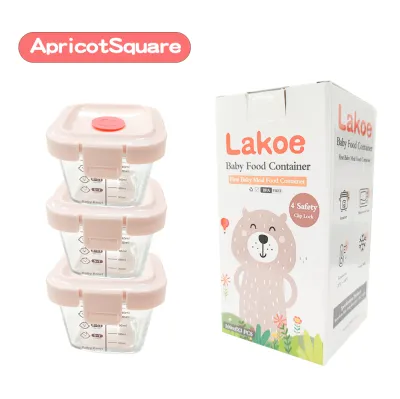
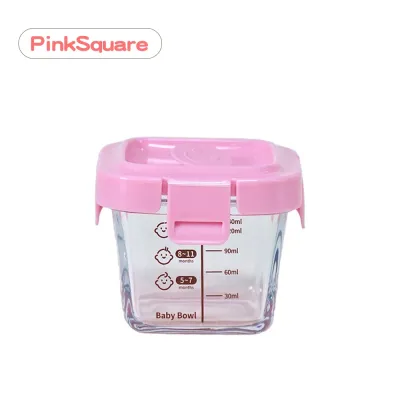
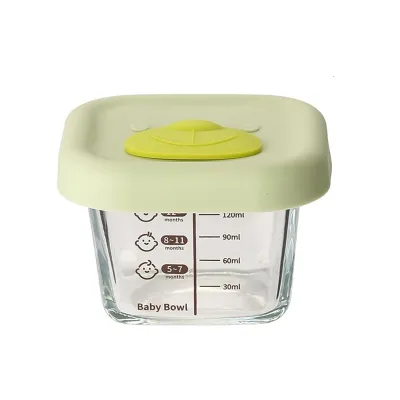
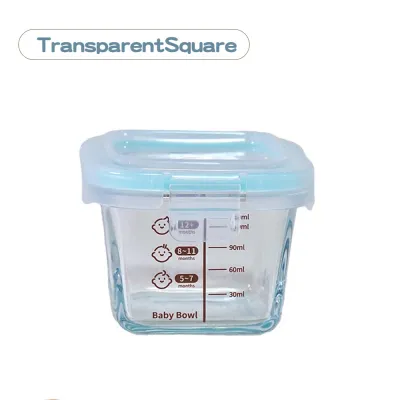
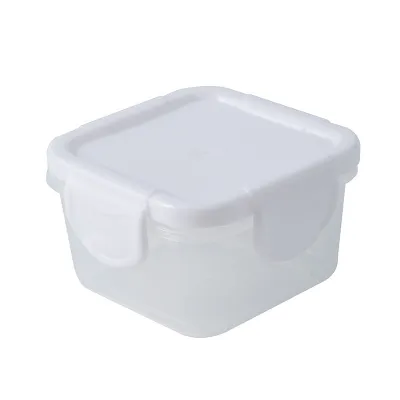
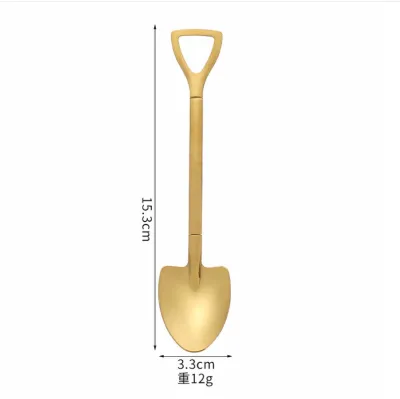
Prices are valid at publication and may change. Please refer to the product page for the latest price.
Finally, consider the physical layout of your refrigerator and freezer. Space is often at a premium, particularly when you are storing multiple days’ worth of different purees. Look for containers designed with stackability in mind, featuring recessed lids that allow units to sit securely on top of one another without slipping. Modular designs that fit neatly into a dedicated tray can prevent individual jars from tipping over and getting lost in the back of your freezer shelves.
Comparing Container Materials for Homemade Purees
The material of your baby food container directly influences how you heat, freeze, clean, and transport your homemade purees. Each material—glass, plastic, and silicone—presents distinct physical properties, durability profiles, and maintenance requirements. Understanding these differences allows you to select the material that best aligns with your daily kitchen workflow and feeding habits.

Glass Containers
Glass is highly favored for its exceptional chemical stability and longevity. High-quality glass containers are typically made from borosilicate glass, which offers superior thermal shock resistance. This means you can safely transition the container from the cold refrigerator to a warm bottle warmer or microwave without the risk of the glass cracking. Additionally, glass is completely non-porous, making it naturally resistant to food stains and lingering odors. Whether you are storing vibrant orange squash or highly aromatic purees, a quick wash restores glass to a pristine, odor-free state.
However, glass does have practical limitations, particularly regarding weight and fragility. Glass jars are significantly heavier than plastic or silicone alternatives, making them less convenient for packing in a diaper bag during family outings. There is also an inherent risk of breakage if a jar is dropped on hard kitchen tiles or concrete floors. If you choose glass, look for options that feature protective silicone sleeves to absorb impact, and always supervise feeding times to ensure a dropped jar does not create a safety hazard.
Plastic Containers
Plastic containers are exceptionally lightweight, highly durable, and virtually shatterproof, making them the go-to choice for on-the-go feeding and travel. They easily survive accidental drops from high chairs and pack neatly into insulated travel bags. When selecting plastic, it is crucial to verify that the product is made from high-quality, food-grade polypropylene (PP) or similar safe plastics that are free from phthalates and heavy metals.
Despite their convenience, plastic containers require careful monitoring. Over time, plastic is prone to scratching, especially if you use abrasive sponges or metal utensils. These micro-scratches can harbor bacteria and become difficult to sterilize thoroughly. Plastic is also highly susceptible to staining and absorbing odors from colorful purees like carrots or tomatoes. Furthermore, plastic has lower heat tolerance than glass or silicone; repeated exposure to high-heat sterilization or microwave heating can accelerate the degradation of the polymer, meaning you will need to replace plastic containers more frequently.
Silicone Containers
Food-grade silicone has emerged as a highly versatile material for baby food storage, combining the flexibility of rubber with the temperature stability of glass. One of the greatest advantages of silicone containers—particularly multi-compartment freezer trays with lids—is the ease of portion retrieval. Because silicone remains flexible even when frozen, you can effortlessly pop out individual frozen puree cubes to heat only what your baby needs for a single meal. Silicone is highly durable, drop-proof, and can withstand wide temperature ranges, making it safe for the freezer, microwave, oven, and sterilizer.
On the downside, silicone has a natural tendency to absorb oils and soapy scents from dishwashing detergents. To minimize this, it is often recommended to use fragrance-free, baby-safe dish soaps and to periodically bake the silicone in a standard oven at a low temperature (as specified by the manufacturer) to release trapped odors. Additionally, because silicone is flexible, carrying a filled, unfrozen tray to the freezer requires a steady hand or a rigid support tray underneath to prevent accidental spills.
Evaluating Lid Security and Freshness Preservation
A container is only as reliable as its cover. The lid’s primary job is to create an airtight barrier that prevents oxidation, seals out moisture, and protects your carefully prepared purees from freezer burn. When food is exposed to air in the freezer, moisture evaporates from the surface, leading to dry, discolored patches that degrade both the texture and nutritional quality of the puree.
There are three main types of lids available: snap-lock lids, screw-top lids, and flexible stretch lids. Snap-lock lids feature side latches that clamp down onto the container rim, creating a highly secure, mechanical seal. Screw-top lids twist onto threaded rims, which is excellent for liquid-heavy purees but requires careful alignment to prevent cross-threading. Flexible silicone lids stretch over the container opening, providing a snug fit but sometimes proving difficult to secure if the rim is wet or greasy.
To ensure a truly leak-proof seal, look for lids equipped with an integrated silicone gasket or inner sealing ring. This gasket fills the microscopic gaps between the lid and the container rim, preventing liquids from escaping and air from entering. However, in humid tropical environments, these silicone gaskets can easily trap moisture, creating a breeding ground for mold and mildew. When evaluating containers, choose designs where the silicone gasket is easily removable for deep cleaning and thorough drying. If a gasket becomes warped, stretched, or permanently stained with mold, it must be replaced immediately to maintain food safety.
Portion Sizes and Organization Strategies
As your baby embarks on their solid food journey, their intake will change rapidly. During the initial weaning stage (typically around six months of age, though you should always consult your pediatrician before starting), a baby may only consume 1 to 2 tablespoons (approximately 15 to 30 ml) of puree per feeding. Storing these tiny amounts in large containers leads to excessive air exposure and wasted space. For this early stage, small 2-ounce (60 ml) containers or multi-compartment silicone trays are ideal.
As your baby grows and their appetite increases, they will transition to larger portions, typically ranging from 4 to 8 ounces (120 to 240 ml) per meal. Investing in a modular storage system that includes both small and medium-sized containers allows you to scale your storage alongside your baby’s developmental milestones. Look for containers that feature clear, embossed measurement markings (in both ounces and milliliters) on the side. These markings allow you to track exactly how much food you are preparing and how much your baby is consuming.
Organization is key to managing a busy meal prep schedule. Because homemade purees do not contain artificial preservatives, they have a limited shelf life. Implement a clear labeling system using water-resistant labels or erasable markers directly on the lids to record the preparation date and the type of puree. Some advanced container lids feature built-in date-tracking dials that you can twist to mark the day of preparation. Practice the “first-in, first-out” method in your freezer, placing the oldest purees at the front to ensure they are consumed before their quality declines.
Building Your Shortlist for Online Shopping
When shopping on e-commerce platforms or local online marketplaces, the sheer volume of options can be overwhelming. To find high-quality, authentic baby food containers, refine your search terms. Instead of searching for generic “baby cups,” use specific phrases like “borosilicate glass baby food jars with airtight lids,” “BPA-free silicone freezer trays with covers,” or “leak-proof baby puree storage containers.” Use platform filters to narrow down results by material, capacity, and seller rating.
User reviews are an invaluable resource for assessing real-world performance, but you must read them critically. Look past simple five-star ratings and search for reviews that specifically mention long-term durability, lid leakage, and ease of cleaning. Pay attention to feedback regarding whether the lids warp after being run through a steam sterilizer or if the snap-locks break after a few months of use. Photos and videos uploaded by verified buyers can give you a realistic view of the container’s size and material thickness.
To protect your purchase, prioritize official brand stores or authorized distributors on e-commerce platforms. Authentic sellers are more likely to provide genuine food-grade certifications and reliable customer service. Always check the seller’s return and refund policies before finalizing your order. This ensures that if a glass jar arrives chipped or a silicone lid is missing its sealing ring, you can easily secure a replacement or refund without unnecessary hassle. Whether you are looking at budget-friendly plastic sets starting around ₱300 or premium borosilicate glass collections priced up to ₱1,500, verifying these details ensures you get the best value for your money.
Cleaning, Sterilizing, and Safety Checks
Maintaining strict hygiene standards is vital when preparing and storing food for infants, as their immune systems are still developing. Before using any new container for the first time, wash it thoroughly in warm, soapy water and sterilize it according to the manufacturer’s instructions. Depending on the material, sterilization methods may include boiling in water for 5 to 10 minutes, using an electric steam sterilizer, or placing the components in a UV sterilizer. Always verify which parts of the container are compatible with your chosen sterilization method; for example, some plastic lids or silicone gaskets may warp in high-heat steam and are better suited for warm soapy washes.
Regularly inspect your storage containers and lids for signs of wear and tear. Over time, physical degradation can compromise both food safety and physical safety. Check glass containers for hairline cracks, chips along the rim, or cloudiness that does not wash away. Inspect plastic containers for deep scratches, discoloration, or a sticky texture, which indicates the polymer is breaking down. For silicone items, look for micro-tears, thinning areas, or persistent odors that suggest the material has absorbed organic compounds.
If you detect any structural damage, discard the compromised component immediately. A cracked glass jar can shatter during heating or freezing, while damaged plastic or silicone can shed microscopic particles into your baby’s food. Pay special attention to the lids and sealing rings; if a gasket loses its elasticity or shows signs of black mold spots that cannot be scrubbed away, replace the gasket or the entire lid to prevent bacterial contamination of the purees.
Frequently Asked Questions (FAQ)
Can I freeze homemade purees directly in glass containers?
Yes, you can freeze homemade purees in glass containers, provided you use jars specifically labeled as freezer-safe, such as those made from tempered or borosilicate glass. When freezing liquids or purees, the water content expands as it turns to ice. To prevent the glass from cracking under this pressure, always leave at least a half-inch (about 1.5 cm) of headspace at the top of the jar. Avoid tightening the lid completely until the puree is fully frozen. When thawing, never subject the frozen glass to sudden extreme heat, such as placing a frozen jar directly into boiling water; instead, thaw it gradually in the refrigerator overnight or under cool running water.
How long can homemade purees stay fresh in airtight containers?
As a general food safety guideline, freshly prepared homemade purees can be stored in an airtight container in the refrigerator for up to 48 hours. For purees containing meat, poultry, fish, or eggs, it is safest to limit refrigeration to 24 hours. If you do not plan to use the puree within this timeframe, freeze it immediately. In a standard home freezer, purees maintain optimal quality and nutrient retention for up to 1 to 3 months. Before feeding your baby, always inspect the puree for visual signs of spoilage, such as separation, mold, or unusual discoloration, and perform a quick smell check to ensure it smells fresh and appetizing.

Community discussion
Share your experience or ask a question. Comments are reviewed before publication.