
Selecting the right baby food storage containers for outings in the Philippines requires balancing convenience, durability, and hygiene. Anko, a brand widely recognized for its practical and budget-friendly household items, offers various food storage solutions that can be adapted for travel. When preparing meals for a day out in a warm, humid climate, parents must evaluate how these containers perform under transit conditions, how easily they can be cleaned, and how to verify their safety standards. By focusing on specific design features like airtight seals, material composition, and portion sizes, you can ensure your baby’s meals remain fresh and safe while you are on the move.
Essential Features for On-the-Go Baby Food Containers
When traveling with baby food, the integrity of the container is your first line of defense against messy spills and spoiled meals. A reliable leak-proof mechanism is non-negotiable, especially when carrying liquid purees or soft foods in a packed diaper bag. Look for containers that feature secure locking lids, such as four-sided snap locks, which provide physical reinforcement against accidental openings. The presence of a high-quality silicone seal inside the lid is equally critical, as it creates an airtight barrier that keeps contents secure even when the container is jostled during transit.
Material safety is another paramount consideration when selecting storage items for your infant. Always verify that the containers are clearly labeled as BPA-free, ensuring that harmful chemicals will not leach into your baby’s food. Depending on your feeding routine, you should also check the temperature tolerance ranges specified by the manufacturer. If you plan to warm up meals while out or freeze portions in advance, the material must be rated to withstand these temperature extremes without warping or degrading.
Products mentioned in this guide
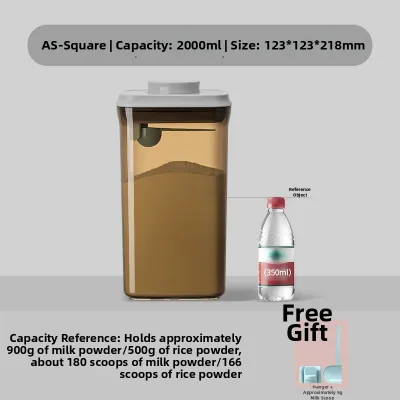
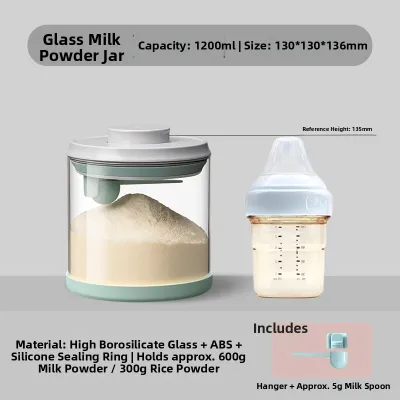
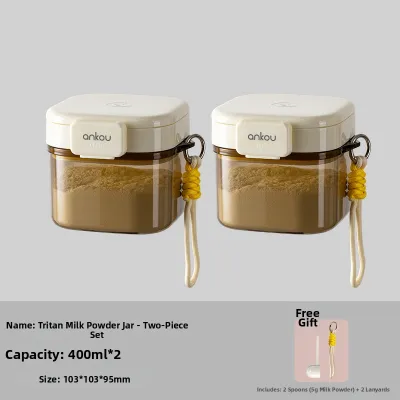
Prices are valid at publication and may change. Please refer to the product page for the latest price.
Portability factors heavily into how practical a container is for daily use. On-the-go feeding requires lightweight options that do not add unnecessary bulk to your travel gear. Stackable designs are highly beneficial, allowing you to organize multiple meals efficiently inside an insulated cooler bag. Opt for compact, rounded, or slim rectangular shapes that slide easily into side pockets or tight spaces, maximizing the storage capacity of your diaper bag without compromising on organization.
Matching Anko Storage Designs to Your Feeding Scenarios
Not all baby food containers are created equal, and matching the right design to your specific feeding scenario will make outings much smoother. The ideal container depends largely on the texture of the food you are bringing and how long you plan to be away from home.

For younger babies who are just starting solids, meals typically consist of smooth purees, mashed fruits, or semi-solid cereals. These foods require highly secure, airtight containment to prevent leaks. Conversely, older babies and toddlers who feed on finger foods, puffs, or dry biscuits need containers that focus on accessibility, portion control, and structural protection to keep snacks from being crushed.
Storing Purees, Liquids, and Semi-Solids
When packing purees, yogurts, or liquid-based baby meals, prioritizing airtight seals is essential. Before leaving the house, always inspect the silicone valves or gaskets inside the lids to ensure they are properly seated and free of debris. A minor misalignment or a trapped crumb can compromise the seal, leading to leaks that can ruin other items in your bag.
Portion-control sizing is another key feature to look for in puree storage. Using small, individual containers that hold a single serving—typically between 60ml and 120ml—helps minimize food waste. It also prevents the need to feed your baby directly from a larger container, which can introduce bacteria from their saliva into the remaining food, causing it to spoil quickly in the tropical heat.
Because purees and dairy-based baby foods are highly perishable, they must be kept at safe temperatures during transit. Choose containers that fit comfortably alongside cooling packs inside an insulated bag. Maintaining a cold environment is crucial for slowing down bacterial growth, ensuring that the food remains fresh and safe until it is time for your baby to eat.
Packing Finger Foods and Dry Snacks
For older babies who enjoy finger foods, the primary goal is keeping dry snacks fresh, intact, and easy to access. Rigid plastic or silicone containers are excellent for this purpose, as they protect delicate snacks like crackers, puffs, or soft fruit slices from being crushed under the weight of other items in your diaper bag.
When selecting snack containers, look for designs with easy-open lids that allow quick access during a busy outing. However, keep in mind that easy-open features also mean older babies might be able to open them independently. Active caregiver supervision is always necessary during snack times to prevent sudden spills and to ensure your child is eating safely without any choking hazards.
Some specialized snack containers feature flexible, slotted silicone lids that allow tiny hands to reach in and grab food while preventing the contents from spilling out if the cup is dropped or tipped over. If you are packing moist finger foods, such as steamed vegetable sticks, look for containers with ventilation or moisture-control features if specified by the manufacturer, which help maintain the desired texture and prevent the food from becoming soggy.
Safety Verification and Daily Care Guidelines
Ensuring the long-term safety and hygiene of your baby food containers requires diligent care and regular verification. Before using any Anko storage product, take the time to read the manufacturer labels and packaging carefully. Look for specific symbols indicating whether the item is safe for use in the microwave, freezer, or dishwasher. Never assume a container is safe for heat exposure unless it displays the corresponding international symbol, usually found on the base of the product.
Regular visual inspections are vital for maintaining a hygienic feeding routine. Over time, plastic containers can develop micro-scratches, cloudiness, or minor cracks, while silicone seals can experience micro-tears or lose their elasticity. These physical imperfections can harbor harmful bacteria that are difficult to wash away. If you notice any signs of wear, degradation, or persistent discoloration, it is time to replace the container or the affected seal.
Proper cleaning routines are especially important in the warm, humid climate of the Philippines, where mold and mildew can develop rapidly. After each use, disassemble all parts of the container, including removing the silicone sealing rings from the lids. Wash every component thoroughly with warm water and a mild, baby-safe dishwashing liquid. Allow all parts to air-dry completely in a well-ventilated area before reassembling and storing them. Storing containers while they are still damp can trap moisture, leading to mold growth and unpleasant odors.
Sourcing and Verifying Anko Products in the Philippines
Finding genuine Anko baby food storage products in the Philippines requires a careful approach, as the brand is primarily based overseas. Parents can navigate various online marketplaces and cross-border ecommerce platforms to locate these items. When shopping online, prioritize reputable sellers, official brand stores, or authorized distributors who have high ratings and positive customer feedback.
To avoid counterfeit products, always verify the authenticity of the items before making a purchase. Look closely at the product listings for detailed packaging photos, clear branding, and specific material safety certifications. Genuine Anko products typically feature clean, professional packaging with clear instructions and safety symbols. Reading customer reviews can also provide valuable insights into the quality and authenticity of the items received by other local buyers.
When ordering Anko products from overseas retailers, remember to factor in additional logistics. Consider the estimated shipping times, as cross-border delivery to the Philippines can take anywhere from a few days to several weeks. Be mindful of potential import fees and keep track of the total cost in Philippine Pesos (₱), ensuring that the final price remains practical compared to locally available alternatives. Planning your purchases in advance will help ensure you have the necessary storage gear ready before your scheduled family outings.
Frequently Asked Questions (FAQ)
Can Anko baby food containers be used in the microwave?
Whether an Anko baby food container can be used in the microwave depends entirely on its specific material composition and the manufacturer’s instructions. Always check the bottom of the container or the original packaging for the microwave-safe symbol before heating. If the container is rated for microwave use, ensure you remove the lid completely or open any integrated steam vents before heating. This prevents pressure from building up inside the container, which can cause hot food to splatter or lead to uneven heating that could burn your baby.
How do I prevent leaks when traveling with purees?
To prevent leaks when traveling with purees, start by ensuring that the silicone sealing ring inside the lid is clean, dry, and properly seated in its groove. Even a tiny piece of food debris or a slight twist in the silicone can break the airtight seal. Avoid overfilling the container; leave a small amount of headspace at the top to allow for expansion and to prevent food from squeezing out when you press the lid down. Finally, pack the containers upright inside a dedicated, secure compartment of your diaper bag or insulated cooler to minimize movement during transit.

Community discussion
Share your experience or ask a question. Comments are reviewed before publication.