
Finding the right waterproof mattress pad for your baby’s changing table is essential for maintaining a clean, hygienic, and comfortable nursery. In a tropical climate like the Philippines, where high humidity and warm temperatures are constant, selecting the correct pad involves more than just picking an appealing design. The ideal pad must fit your changing table perfectly to prevent slipping, feature a robust waterproof barrier that resists moisture and mold, and offer a gentle surface for your baby’s delicate skin. By focusing on precise measurements, material safety, and ease of maintenance, you can protect your nursery furniture while ensuring a safe diaper-changing environment.
Key Features to Evaluate in a Changing Table Pad
Before browsing online marketplaces, you must measure the exact length, width, and depth of your changing table’s top surface. A pad that is too large will overhang the edges, creating an unstable and highly dangerous surface for your infant. Conversely, a pad that is too small leaves gaps where tiny hands or feet can get pinched, and where liquids can easily seep through to ruin the wooden or laminate furniture underneath. Always look for a flush fit that sits securely within the safety barriers of your changing table.
The core of any changing pad is its waterproof barrier, which prevents liquids from soaking into the inner cushioning. When reading product labels, look for specific materials like Thermoplastic Polyurethane (TPU) or Polyethylene Vinyl Acetate (PEVA) rather than generic waterproof claims. TPU is highly regarded for being flexible, durable, and less prone to cracking over time, while PEVA offers a lightweight, wipeable alternative that is free from chlorine. Avoid materials that do not specify their chemical makeup, as they may contain phthalates or other undesirable compounds.
Products mentioned in this guide
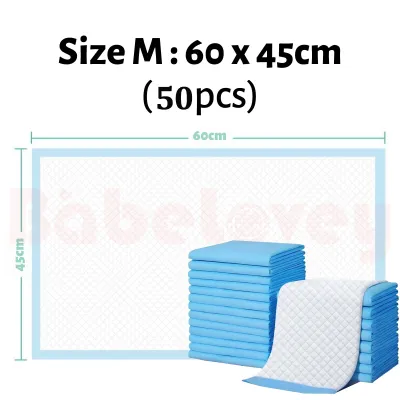
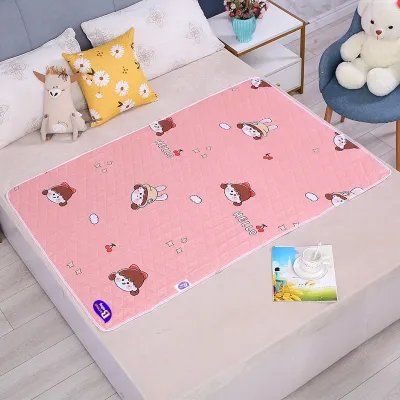
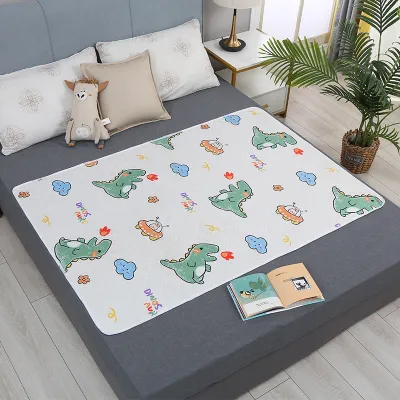
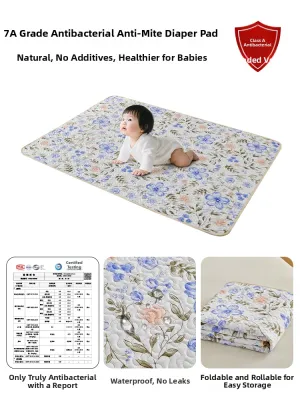
Prices are valid at publication and may change. Please refer to the product page for the latest price.
The top layer of the pad is what directly contacts your baby’s skin, making its texture and composition incredibly important. In warm, humid environments, a fully synthetic plastic top can cause your baby to sweat quickly, leading to discomfort and skin irritation during changes. Many parents prefer a hybrid design featuring a soft, breathable fabric top—such as organic cotton or bamboo rayon—backed by a hidden waterproof TPU layer. If you choose a fully wipeable vinyl or PEVA top for maximum convenience, consider using a removable, washable fabric cover to keep your baby comfortable.
Beyond waterproofing, the pad must provide adequate support for your baby’s head and body. Look for high-density foam cushioning that does not bottom out under your baby’s weight. A pad that is too soft or thin fails to protect the baby from the hard wooden surface of the changing table, while an overly thick pad might raise the baby too close to the top of the safety rails. Aim for a balanced thickness, typically between one to two inches, depending on the depth of your changing table’s frame.
Safety and Compliance Checks Before Buying
Infant safety is paramount, especially on elevated surfaces like changing tables. When shopping, prioritize products that explicitly state compliance with recognized infant safety standards, such as those set by international testing bodies or local consumer protection guidelines. These certifications verify that the materials used are free from harmful lead, heavy metals, and flame retardants, ensuring a non-toxic environment for your little one.

Physical safety features on the pad itself are critical for preventing falls and injuries. Look for contoured pads with raised edges on two or three sides, which help keep your baby centered and discourage rolling. Additionally, verify that the pad includes a safety strap with a secure buckle to hold your baby in place, as well as bottom straps or a non-slip backing to anchor the pad firmly to the changing table itself. Never leave your baby unattended on the changing table, even if all safety straps are securely fastened.
Before making a purchase, carefully review the manufacturer’s care instructions to ensure they align with your lifestyle. Some waterproof barriers can degrade rapidly if subjected to high-heat machine washing or harsh chemical detergents. If a pad requires delicate hand-washing or air-drying that takes days in humid weather, it may not be practical for daily use. Choose a pad with clear, straightforward care guidelines that allow you to maintain hygiene without compromising the integrity of the waterproof layer.
How to Build Your Shortlist of Suitable Pads
To build an efficient shortlist on e-commerce platforms, start by using highly specific search terms. Instead of searching for a generic baby waterproof matt pad, input the exact dimensions you measured earlier, such as “waterproof changing pad 50×70 cm” or “contoured changing pad 32 inch.” This immediately filters out incompatible sizes, saving you time and preventing the frustration of ordering a pad that does not fit your furniture.
Once you have a selection of correctly sized pads, dive deep into the user reviews to assess real-world performance. Look for feedback from other parents regarding how well the waterproof barrier holds up after multiple washes, whether the seams split easily, and if there is any persistent chemical odor upon unboxing. In humid climates, pay close attention to reviews mentioning mold resistance or how quickly the pad dries after being wiped down.
Even with careful measuring, physical products can sometimes vary slightly from their online descriptions. Always verify the seller’s return and exchange policy before finalizing your order. Ensure that you can easily return or swap the pad if it arrives with manufacturing defects, incorrect dimensions, or a warped shape that prevents it from lying flat on your changing table.
Finally, compare your shortlisted options by weighing their price in ₱ against their verified features. While it can be tempting to opt for the cheapest available option, investing a bit more in a pad with certified non-toxic materials, robust safety straps, and a durable TPU barrier is often more cost-effective in the long run. A high-quality pad will withstand hundreds of diaper changes and washes without peeling, saving you from having to purchase frequent replacements.
Maintenance and Care for Long-Lasting Waterproofing
To preserve the waterproof properties of your changing pad, you must strictly adhere to the manufacturer’s washing and drying instructions. High temperatures are the primary enemy of waterproof laminates like TPU and PEVA, as excessive heat can cause the layers to melt, crack, or delaminate from the fabric backing. Always wash the pad or its removable cover in cool or lukewarm water, and opt for air-drying in a shaded, well-ventilated area rather than using a high-heat clothes dryer.
For daily messes, immediate cleanup is key to preventing stains, odors, and bacterial growth. Wipe down the surface immediately after each diaper change using a damp cloth and a mild, baby-safe soap. Avoid using harsh bleach, alcohol-based sanitizers, or abrasive scrubbing pads, as these can strip away the protective waterproof coating and degrade the material over time. If you use a fabric cover over the pad, wash it regularly and wipe down the underlying pad to ensure no moisture has trapped underneath.
Establish a weekly routine to visually inspect the changing pad for any signs of wear and tear. Look closely at the seams, corners, and safety straps for fraying, cracking, or peeling of the waterproof layer. In the humid Philippine climate, check the underside of the pad regularly for any signs of mold or mildew buildup caused by trapped condensation. If you notice any structural damage, deep cracks, or persistent mold that cannot be cleaned, replace the pad immediately to ensure your baby’s continued safety and hygiene.
Frequently Asked Questions (FAQ)
Can I use a standard crib mattress pad on a changing table?
Using a standard crib mattress pad on a changing table is highly discouraged due to the significant difference in dimensions and design. Crib mattress pads are designed for much larger surfaces and lack the contoured edges, safety straps, and rigid structure required for secure changing table use. Attempting to fold or bunch up a larger crib pad to fit a changing table creates an uneven, unstable surface that increases the risk of your baby rolling or slipping off. Always use a pad specifically designed and sized for changing tables to ensure safety.
Are waterproof changing pads completely leak-proof?
While waterproof changing pads are designed to prevent liquids from soaking through to the furniture, they are not always completely leak-proof at the edges or seams. Liquid can still seep through stitched seams, zippers, or unraised borders if it is not wiped up promptly. To prevent liquid from running off the sides and damaging your changing table, look for pads with heat-sealed seams rather than stitched ones, and choose models with raised, contoured edges that help contain spills within the center of the pad.

Community discussion
Share your experience or ask a question. Comments are reviewed before publication.