
Choosing the right diaper bag is one of the most practical decisions a parent can make, especially when navigating unpredictable weather, sudden tropical downpours, and the inevitable spills that come with caring for an infant. A high-quality waterproof mom bag with smart internal organization does more than just hold baby gear; it acts as a mobile, weatherproof command center that keeps clean clothes dry, soiled items isolated, and feeding essentials at the perfect temperature. When shopping for the ideal bag, you must look beyond aesthetic appeal and evaluate specific material compositions, seam construction, pocket layouts, and ergonomic features that ensure long-term durability and daily convenience.
In tropical climates where high humidity and sudden rainstorms are common, a bag’s ability to repel external moisture while managing internal spills is crucial. A well-organized bag saves valuable time during stressful moments, such as when you need to find a pacifier or a fresh wipe quickly while holding a crying baby. By focusing on verified waterproof capabilities and a highly functional compartment layout, you can invest in a bag that supports your daily routine from infancy through the toddler years.
Verify True Waterproof Performance and Construction
When browsing online marketplaces or physical baby boutiques, you will frequently encounter terms like “waterproof,” “water-resistant,” and “water-repellent.” Understanding the technical differences between these labels is essential to avoid purchasing a bag that fails during a heavy downpour. Water-resistant bags are typically made of fabrics treated with a light durable water repellent coating, which allows light rain or splashes to bead up and roll off the surface temporarily. However, under prolonged exposure or heavy rain, moisture will eventually penetrate the fabric fibers and soak the contents inside.
Products mentioned in this guide
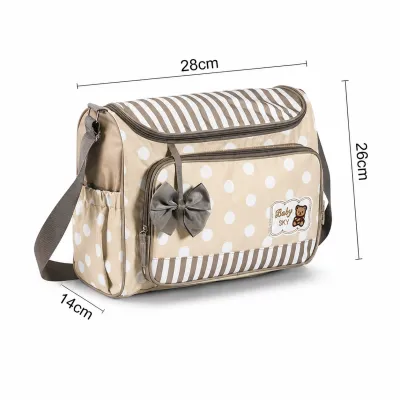
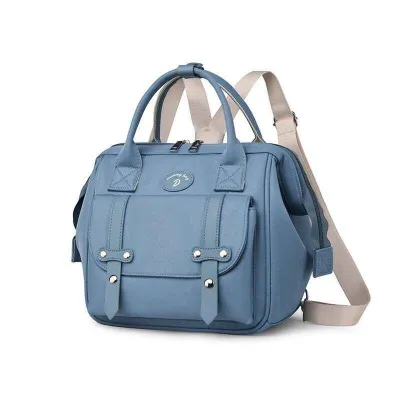
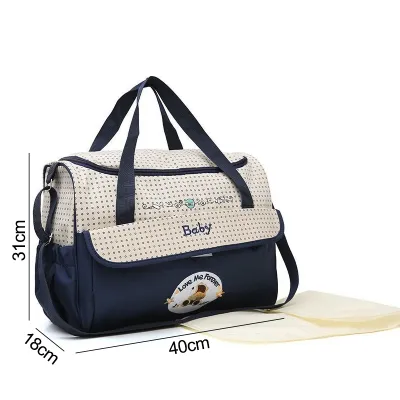
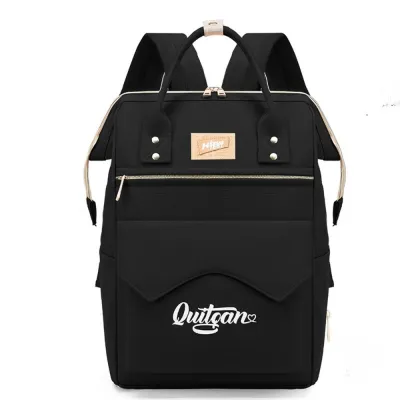
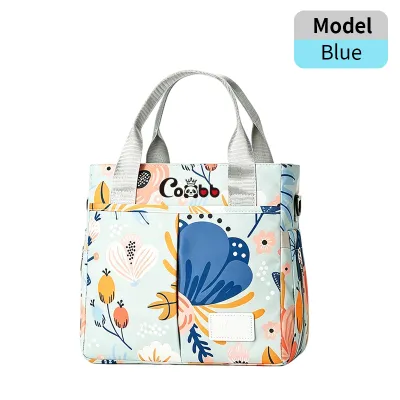
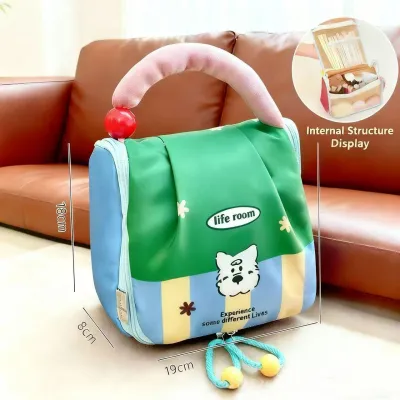
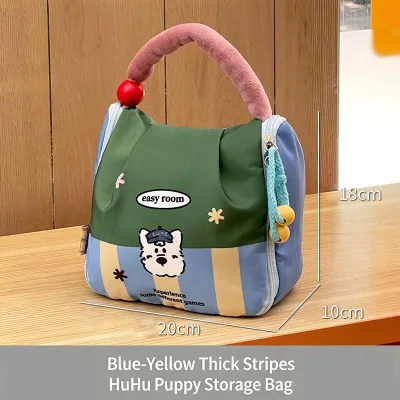
Prices are valid at publication and may change. Please refer to the product page for the latest price.
True waterproof performance requires specialized base materials and advanced construction techniques. Look for bags constructed from high-density fabrics such as polyurethane coated polyester, thermoplastic polyurethane laminates, or heavy-duty Oxford nylon with an internal waterproof backing. These materials create an impermeable barrier that prevents water molecules from passing through the fabric. When evaluating a product, check the manufacturer’s specifications to confirm whether the waterproof barrier is a surface treatment that may wear off over time or an inherent property of the laminated material.
Even the most waterproof fabric will fail if the bag’s seams and closures are poorly constructed. Standard sewing needles create thousands of tiny punctures along every seam line, which act as entry points for moisture during a storm. High-quality waterproof bags feature heat-sealed, taped, or welded seams that cover these needle holes and block water from seeping through. Additionally, inspect the zippers closely; standard zippers allow water to pass easily between the teeth. Look for bags equipped with rubberized, water-resistant zippers or protective fabric flaps that fold over the zipper track to shield it from direct rain.
It is also important to recognize the practical limits of any waterproof claim. While a premium bag can withstand a sudden tropical storm or a spilled bottle of water, very few diaper bags are designed for complete submersion. Unless a bag is specifically rated as fully submersible, dropping it into a pool or leaving it sitting in a deep puddle will likely result in water entering through the main openings. Always consult the manufacturer’s detailed specifications and care guidelines to understand the exact limits of the bag’s water resistance.
Evaluate Internal Organization for Daily Efficiency
The true value of a mom bag lies in its internal architecture, which must accommodate a wide variety of baby essentials while keeping them clean, hygienic, and easy to locate. A primary feature to look for is a dedicated wet and dry separation zone. This compartment is typically lined with a fully waterproof, non-toxic material like PEVA or TPU, allowing you to store damp burp cloths, soiled onesies, or used cloth diapers without transferring moisture or odors to the dry items in the main compartment. This separation is vital for maintaining hygiene when you are away from home for extended periods.

Insulated bottle pockets are another critical component of a well-organized bag. These pockets are lined with thermal insulation materials designed to keep breast milk, formula, or warm water at a stable temperature for several hours. When evaluating these pockets, check their size and depth to ensure they can accommodate your preferred brand of baby bottles, including wide-neck or extra-tall varieties. Keep in mind that insulation performance is highly dependent on ambient temperatures, so it is wise to verify the manufacturer’s guidelines regarding temperature retention limits, especially in hot and humid climates.
The interior lining of the entire bag should be designed for effortless maintenance. Spilled milk, leaky food pouches, and crushed snacks are inevitable parts of traveling with a baby. Look for bags with light-colored, wipe-clean interior linings that make it easy to spot small items at the bottom of the bag while allowing you to sanitize the interior quickly with a damp cloth or baby wipe. Dark linings can turn the inside of your bag into a dark cavern, making it difficult to find small items like pacifiers or nail clippers in low-light situations.
A balanced pocket layout should offer a mix of large, open spaces and secure, structured compartments. The main compartment needs to be spacious enough to hold bulky items such as a changing mat, a spare blanket, extra outfits, and a diaper clutch. Surrounding this central space, there should be a variety of elasticized slip pockets to keep diapers and wipes upright, alongside secure zippered pockets for your personal valuables, such as your wallet, keys, smartphone, and pediatric health records. This prevents your personal items from getting lost beneath a mountain of baby gear.
Finally, pay close attention to the exterior pocket configuration, as these pockets provide quick access to high-frequency items without requiring you to open the main compartment. Look for a dedicated, side-access wipe pocket that allows you to pull out individual wipes directly through a zippered slot. Quick-reach exterior pockets are also ideal for storing pacifiers, hand sanitizer, small toys, and snacks. Having these items immediately accessible can prevent minor meltdowns when you are on the go and need to soothe your baby instantly.
Assess Comfort, Durability, and Everyday Usability
A fully loaded diaper bag can easily weigh several kilograms, making carrying comfort and ergonomic design top priorities for parents. If you prefer a backpack style, look for wide, contoured shoulder straps with thick, breathable mesh padding to distribute weight evenly across your shoulders and back while minimizing sweat buildup in warm weather. For tote or crossbody styles, ensure the strap is adjustable and features a removable shoulder pad. Many modern bags offer convertible carrying options, allowing you to switch between backpack, tote, and crossbody configurations depending on your daily activities.
Integrated stroller straps or clips are highly convenient features that allow you to hang the bag securely from your stroller’s handlebar, relieving your shoulders during long walks. However, always exercise caution and refer to your stroller’s safety manual to ensure that hanging a loaded bag does not make the stroller tip backward. When the bag is worn on your body, proper weight distribution is key; the bag should sit snugly against your back or hip without sagging or pulling you backward, which can cause muscle strain over time.
The structural integrity of the bag’s base is another crucial factor that affects both usability and durability. A bag with a soft, unsupported bottom will sag when loaded, causing the internal compartments to collapse inward and making it difficult to find items. Look for bags with a reinforced, rigid base plate that helps the bag maintain its shape and stand upright on flat surfaces. Some bags feature small metal or rubber feet on the bottom panel, which protect the fabric from getting dirty or wet when placed on public restroom floors, park benches, or outdoor pavements.
Hardware quality directly impacts the lifespan of your diaper bag. Inspect the buckles, clasps, and zipper pulls to ensure they are robust and operate smoothly. Metal hardware is generally more durable than plastic, which can become brittle and crack over time, especially when exposed to heat and humidity. Before purchasing, verify the manufacturer’s care label to understand the cleaning requirements. Some high-performance waterproof fabrics can be damaged by harsh chemical cleaners, so confirming that the bag can be easily maintained with mild soap and water is essential for long-term usability.
Build Your Shortlist and Compare Final Candidates
To find the perfect waterproof mom bag, start by creating a personalized checklist of your family’s specific needs. Consider your baby’s current developmental stage, your feeding method, and your typical daily routine. For instance, if you exclusively formula-feed, you may require a bag with multiple large, insulated bottle pockets and extra space for formula dispensers. If you are frequently outdoors or enjoy traveling, prioritizing a highly durable, backpack-style bag with superior waterproof ratings and integrated stroller clips will be more beneficial than a compact fashion tote.
Once you have identified your must-have features, create a comparison matrix of your top candidate bags. Evaluate each option based on its empty weight, total storage capacity, the specific type of waterproof construction used, and the overall pocket layout. A bag that is heavy even when empty will quickly become uncomfortable once packed with diapers, wipes, bottles, and clothes. Comparing these objective specifications side-by-side will help you identify which bag offers the best balance of storage capacity, weather protection, and carrying comfort.
Before making your final purchase, take the time to review the manufacturer’s warranty terms and return policies. A reputable brand should offer a clear warranty that covers manufacturing defects, such as broken zippers, split seams, or premature failure of the waterproof lining. Additionally, look for verified user reviews on online marketplaces, paying close attention to feedback regarding how the bag holds up after months of daily use and exposure to wet weather. Real-world feedback can provide valuable insights into the long-term durability of the zippers and the true effectiveness of the waterproof seals.
Frequently Asked Questions (FAQ)
Can I wash a waterproof mom bag in a washing machine?
You should always consult the manufacturer’s care label before attempting to wash your diaper bag. In most cases, machine washing is not recommended for waterproof bags because the agitation, spinning, and laundry detergents can degrade the waterproof coatings, delaminate heat-sealed seams, and damage internal structural supports. Additionally, placing a waterproof bag in a mechanical clothes dryer can melt the waterproof membranes or warp the zippers. For routine maintenance, spot-clean the exterior and interior with a damp cloth and mild, baby-safe soap, then allow the bag to air-dry completely in a well-ventilated area away from direct, intense sunlight.
Do waterproof diaper bags come with changing mats?
The inclusion of a changing mat varies significantly depending on the brand and specific model of the bag. Many manufacturers include a matching, foldable changing mat as a standard accessory, but you should always verify the product listing details to confirm what is included in your purchase. When evaluating an included changing mat, look for a wipeable, waterproof surface that can be easily sanitized after each use, along with adequate padding to keep your baby comfortable on hard surfaces. If your chosen bag does not include a changing mat, you can easily purchase a standalone, compact waterproof changing pad that fits neatly into one of the bag’s internal slip pockets.

Community discussion
Share your experience or ask a question. Comments are reviewed before publication.