
Transitioning your baby from breast or bottle feeding to a independent water cup is a significant milestone in their developmental journey. This phase is about much more than simply keeping your little one hydrated; it represents a fundamental shift in how they use their mouth, tongue, and jaw. Introducing a cup during the weaning process helps your baby transition from a primitive sucking reflex to a mature sipping action, which is essential for healthy oral motor development.
Choosing the right water cup for kids during this transitional period can prevent mealtime frustration and encourage self-feeding confidence. When a baby is given a cup that matches their current physical capabilities, they are far more likely to embrace drinking water as a positive, independent activity. Conversely, an unsuitable cup can lead to frequent spills, choking hazards, or a complete refusal to drink. To make an informed choice, caregivers must evaluate several key design features, including spout styles, handle ergonomics, material safety, and cleaning requirements.
Spout and Flow Types: Matching Your Baby's Drinking Skills
The style of the spout determines how much effort your baby must exert to get liquid and how they position their tongue and lips. Soft silicone spouts are often the gentlest starting point because they feel familiar to babies accustomed to bottle nipples or breastfeeding. These spouts require a similar biting or sucking motion, making them an easy first step, though they do not fully teach the oral mechanics of sipping from a rim.
Products mentioned in this guide
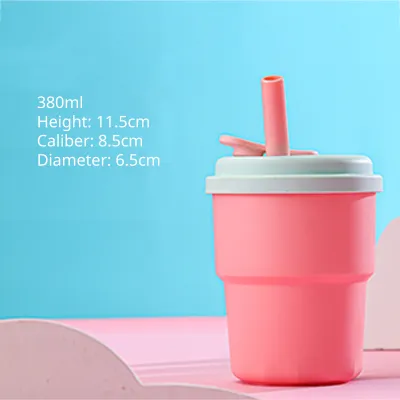
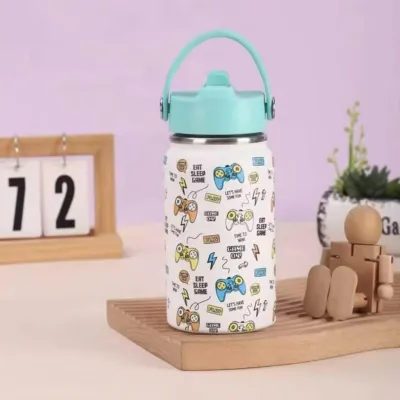

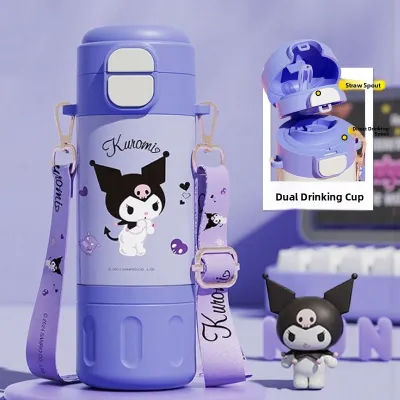
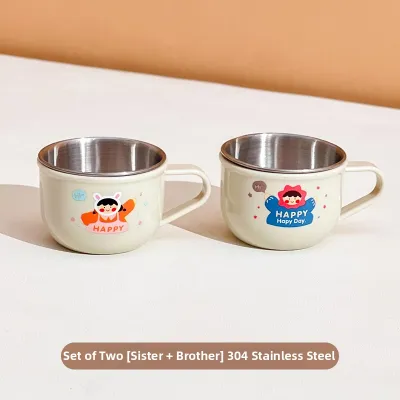
![[🇵🇭 Stock&COD] Sanrio Water Cup Kuromi 350ML Leakproof Large Capacity Water Bottle with Straw and Sling Gift for Kids girl boy](https://img.lazcdn.com/g/p/eb17c88be00311482d4098ebcf58ba2c.jpg_400x400q80.jpg_.webp)
Prices are valid at publication and may change. Please refer to the product page for the latest price.
As your baby’s coordination improves, you can introduce straw cups or 360-degree rim cups. Speech and language therapists frequently recommend straw cups because they encourage the tongue to retract and the lips to purse, which strengthens the muscles used for speech. Meanwhile, 360-degree cups allow babies to drink from any side of the rim without spilling, mimicking an open cup while keeping the flow controlled.
Flow rate is another critical factor to consider when evaluating different cup designs. If the flow is too fast, your baby may gag, choke, or become overwhelmed by the volume of water entering their mouth. If the flow is too slow, they may grow tired and lose interest before getting enough hydration. Look for cups that offer adjustable flow rates or those specifically labeled for your baby’s age bracket.
Valve mechanisms play a major role in regulating this flow. Spill-proof valves are highly convenient for parents because they prevent messy cleanups when the cup is dropped or thrown. However, some spill-proof designs require a very strong sucking force, which can reinforce bottle-drinking habits rather than teaching true sipping. Free-flow cups, which have no valve, allow water to trickle out easily but require constant caregiver supervision to manage the inevitable spills.
Watch your baby for signs that they are ready to transition to a more advanced cup style. If they are constantly chewing on a soft spout, successfully swallowing thicker purees, or trying to grab your own open drinking glass, it is likely time to move from a basic starter cup to a straw or open-cup design.
Handle Designs and Grip Ergonomics
A weaning baby is still developing their fine motor skills, hand-eye coordination, and grip strength. The design of a cup’s handles can make the difference between a baby who easily lifts the cup to their mouth and one who drops it in frustration. Dual handles are generally the best option for beginners because they allow for a symmetrical, two-handed grip that helps stabilize the cup as it travels to the mouth.

As your baby grows more confident, you can transition to single-handle cups or handle-free, contoured designs. Handle-free cups often feature an ergonomic, hourglass shape that fits naturally into a toddler’s grasp, helping them prepare for standard adult glassware. When evaluating these options, pay close attention to the thickness and angle of the handles to ensure they accommodate small hands and limited wrist mobility.
Texture and slip-resistance are particularly important during messy weaning meals. In the warm, tropical climate of the Philippines, babies often have sweaty hands, and mealtimes frequently involve oily purees or sticky finger foods. Look for cups with rubberized, textured, or ribbed grip zones on the handles or the body of the cup to ensure it does not slip out of your baby’s grasp.
Observe how your baby naturally holds objects before choosing a cup design. If they still use a primitive palmar grasp—using their whole hand to clutch items—wide, easy-to-loop dual handles are ideal. If they are starting to use their fingers more precisely, a slimmer, contoured cup body without handles may provide the right level of developmental challenge.
Material Safety and Durability Checks
When shopping for a water cup for kids, verifying the safety and durability of the materials is a top priority. Do not rely solely on generic marketing claims like “eco-friendly” or “child-safe.” Instead, read the product packaging, user manuals, and manufacturer specifications to confirm the exact composition of the cup.
Look for high-quality, food-grade materials such as medical-grade silicone, premium stainless steel, or high-grade, impact-resistant plastics. Silicone is excellent for spouts and straw tips because it is soft on sensitive, teething gums. Stainless steel is highly durable, naturally hygienic, and excellent for keeping water cool during hot afternoons, though it can make the cup heavier. If choosing plastic, verify that the manufacturer explicitly states the product is free from bisphenols (such as BPA and BPS) and phthalates.
Durability is essential because weaning cups are subjected to constant wear and tear. Your baby will inevitably drop, throw, and kick the cup from their high chair onto hard kitchen floors. Inspect the cup’s construction to ensure it can withstand high impacts without cracking, chipping, or releasing small parts that could become choking hazards. Additionally, ensure the spout material is tough enough to resist tearing when chewed on by sharp baby teeth.
Always check the manufacturer’s guidelines regarding temperature limits for the cup’s components. Some materials can withstand the high heat of boiling water, steam sterilizers, or heavy-duty dishwasher cycles, while others may warp, degrade, or release unwanted chemicals when exposed to extreme heat. Knowing these limits beforehand ensures you can sanitize the cup safely without damaging it.
Capacity, Weight, and Cleaning Convenience
Balancing your baby’s hydration needs with their physical strength is key when selecting a cup size. While a larger cup requires fewer refills, a full, heavy cup can be difficult for a small baby to lift and control. For babies just beginning their weaning journey, a capacity of 120ml to 150ml is usually sufficient, keeping the overall weight manageable when filled with water.
Cleaning convenience is a crucial factor that directly impacts your baby’s health. In humid environments, mold, mildew, and bacteria can multiply rapidly in damp, hard-to-reach areas. Before purchasing, disassemble the cup completely to check for hidden crevices, deep valve channels, or complex straw assemblies where milk or juice residue could become trapped.
Refer to the product manual to verify the recommended cleaning protocols. Some cups are fully dishwasher-safe, while others require hand-washing with specialized straw brushes. If you rely on a steam or UV sterilizer, make sure all parts of the cup—especially the silicone valves and plastic lids—are explicitly rated as compatible with your specific sterilization method.
Prioritize cups that feature simple, fully detachable parts. Being able to easily remove the silicone seals, valves, and straws ensures you can scrub every surface thoroughly and allow them to air-dry completely. If a cup has permanent, non-removable parts that block your view of the interior, it is best to avoid it to prevent long-term hygiene issues.
Building Your Shortlist: A Pre-Purchase Checklist
Before making a final purchase on an online marketplace or at a local baby boutique, use a structured checklist to compare your options. First, cross-reference your baby’s age and current developmental milestones with the manufacturer’s recommended age range printed on the box. While these age ratings are general guidelines, they provide a helpful starting point for assessing developmental suitability.
Next, research user feedback on ecommerce platforms, paying close attention to practical, long-term performance. Filter reviews specifically for recurring complaints regarding leaks, structural breakage after drops, or difficulties with cleaning and assembly. A cup that looks beautiful but leaks constantly in your diaper bag will quickly become a source of daily frustration.
Always check the retailer’s return and exchange policies before buying. Babies can be highly particular about the texture of a spout or the flow of a straw, and they may reject a highly rated cup immediately. Knowing you can return or exchange an unused cup provides peace of mind if your little one refuses to cooperate.
Finally, verify the availability of replacement parts from the manufacturer or authorized retailers. Silicone spouts, straws, and sealing rings will wear out, get lost, or sustain damage from chewing over time. Choosing a brand that sells separate replacement packs saves you from having to purchase an entirely new cup every time a single component needs to be replaced.
Frequently Asked Questions (FAQ)
When should I introduce a water cup during weaning?
Most pediatric guidelines suggest introducing small sips of water from a cup alongside solid foods around six months of age. Look for physical signs of readiness, such as your baby sitting up unassisted in a high chair, showing good head control, and demonstrating curiosity when watching you drink from a cup. Always consult your pediatrician for personalized advice tailored to your baby’s specific growth and developmental progress.
Can I use the same cup for milk and water?
While you can technically use the same cup for both liquids, maintaining separate cups is highly recommended for hygiene and behavioral reasons. Milk residue contains fats and proteins that require immediate, rigorous scrubbing with hot, soapy water to prevent bacterial growth, whereas water cups are simpler to maintain daily. Additionally, using distinct cup colors or designs helps your baby visually associate a specific cup with milk time and another with water time, aiding their cognitive development.

Community discussion
Share your experience or ask a question. Comments are reviewed before publication.