
Selecting the right sterilization method is a cornerstone of maintaining a hygienic feeding routine for your infant. While traditional steam sterilizers have served families for generations, modern UV sterilizers offer a waterless, low-heat alternative that accommodates a much wider variety of baby gear. However, navigating the market requires a clear understanding of technical specifications, as a poorly designed unit can result in incomplete sterilization or damaged accessories.
To find a reliable UV sterilizer for your nursery, you must evaluate several critical features: the type and placement of the UV-C light source, the reflective properties of the inner chamber, the efficiency of the drying cycle, and built-in safety mechanisms. In a tropical climate like the Philippines, where high humidity levels can encourage rapid bacterial and mold growth on damp surfaces, these features become even more vital. This guide provides a practical framework to help you analyze these specifications and choose a unit that fits your daily routine.
Understanding UV Sterilization for Baby Feeding Gear
UV-C sterilization utilizes short-wavelength ultraviolet light to disrupt the DNA and RNA of microorganisms, preventing them from reproducing and rendering them harmless. Unlike steam sterilization, which relies on high-temperature moisture to kill pathogens, UV-C is a dry, chemical-free process. This fundamental difference makes ultraviolet light highly versatile, as it does not expose sensitive items to the warping effects of boiling water or intense steam.
Products mentioned in this guide
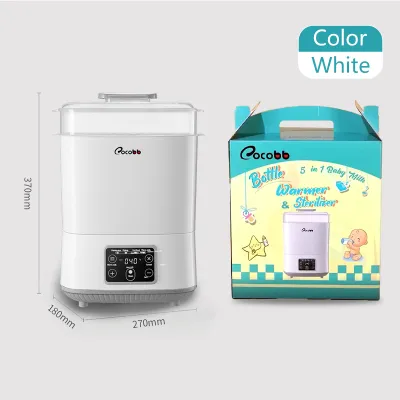
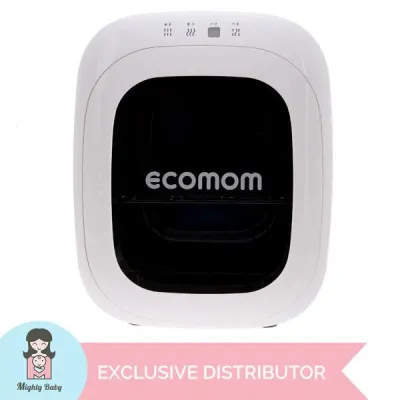
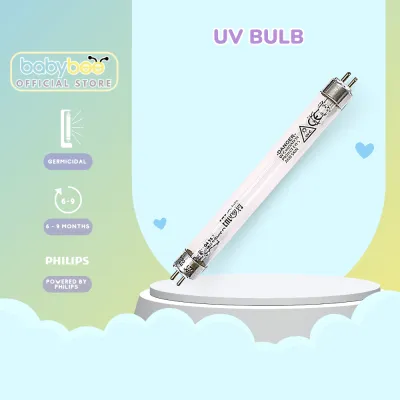
Prices are valid at publication and may change. Please refer to the product page for the latest price.
For parents managing a mix of feeding accessories, UV sterilization is particularly advantageous for heat-sensitive items. Breast pump diaphragms, silicone valves, plastic teethers, and even electronic toys can often be safely sanitized in a UV cabinet, whereas steam might cause them to degrade or lose their shape. By eliminating the need for water, you also bypass the common issue of mineral scale buildup that frequently plagues traditional steam units.
However, the effectiveness of this technology relies entirely on direct light exposure. UV-C light can only sanitize surfaces that it directly illuminates; any area cast in a shadow will not be fully sterilized. This physical limitation is why the internal design, light distribution, and loading habits are so critical to the overall success of the appliance.
Furthermore, because direct exposure to UV-C radiation is harmful to human skin and eyes, the appliance must be engineered to contain the light completely. A high-quality sterilizer must feature robust shielding and safety switches that prevent any accidental exposure during operation. Understanding these basic principles helps clarify why specific technical features, rather than aesthetic designs, should dictate your purchasing decision.
Core Features to Evaluate When Shopping
When shopping for a UV sterilizer, it is easy to get distracted by sleek touchscreens, modern color palettes, or smart home connectivity. While these aesthetic and convenience features are pleasant, they do not contribute to the core job of keeping your baby’s feeding gear hygienic. Instead, your evaluation should focus on the structural and technical specifications that dictate performance.

The primary pillars of a high-performing UV sterilizer include its chamber capacity, the engineering of its light source, and its operational modes. By analyzing these three areas, you can separate high-quality appliances from those that rely on marketing hype.
Chamber Capacity and Rack Design
The physical size of the sterilizer’s interior chamber determines how many items you can sanitize in a single cycle. Before purchasing, estimate your daily volume of bottles, nipples, pacifiers, and breast pump parts. If you are exclusively pumping or feeding a newborn who eats every two hours, a small, portable unit will quickly become a bottleneck, forcing you to run multiple consecutive cycles throughout the day.
To prevent overcrowding, look for a unit with a generous interior volume and highly flexible rack configurations. Overcrowding is a major safety concern in UV sterilizers because tightly packed items create shadows, blocking the UV-C light from reaching crucial surfaces like the inside of bottle nipples or the deep corners of breast pump flanges. Removable or adjustable stainless steel shelves allow you to customize the space, making room for taller bottles or larger developmental toys as your baby grows.
The material lining the interior walls of the chamber is just as important as the physical space. Because UV-C light travels in straight lines, the interior must be constructed from highly reflective materials to bounce the light into every shadow and crevice. Medical-grade stainless steel, particularly with a mirrored or diamond-embossed pattern, is the industry standard for maximizing light reflection. Avoid units with plain plastic interiors, as plastic absorbs UV light rather than reflecting it, significantly reducing the sterilization coverage.
UV-C Light Source and Coverage
The heart of any UV sterilizer is its light source, which must emit light within the germicidal UV-C spectrum, typically around 254 nanometers. When reviewing product specifications, verify that the manufacturer explicitly states the wavelength of the light source. If a product only mentions “UV light” without specifying the UV-C range, it may not possess the necessary germicidal power to sanitize baby gear effectively.
Modern sterilizers generally use one of two light technologies: traditional mercury UV tubes or solid-state UV-C LED beads. Mercury tubes are often more affordable upfront but come with several drawbacks, including a shorter operational lifespan (usually requiring replacement every six to twelve months) and a gradual decline in UV output over time. Additionally, mercury tubes present a safety hazard if they accidentally break inside the chamber, requiring careful cleanup to avoid toxic exposure.
In contrast, UV-C LED technology offers significant advantages in terms of durability, safety, and efficiency. LEDs are mercury-free, do not require a warm-up period, and typically last for tens of thousands of hours, often eliminating the need for bulb replacements over the lifespan of the appliance. While LED-based sterilizers may carry a higher initial purchase price, their low maintenance requirements and consistent light output often make them a more practical long-term investment.
Regardless of the light source type, the physical placement of the lights determines the thoroughness of the sterilization. A single light source located only at the top of the chamber will struggle to sanitize the bottom of tall bottles. Look for units that feature multi-directional light arrays—such as light sources on both the top and bottom, or reflective rotating platforms—to ensure comprehensive, 360-degree coverage.
Drying, Sterilizing, and Storage Modes
While sterilization is the primary goal, a high-quality drying function is equally essential for maintaining hygiene. In the warm, humid climate of the Philippines, leaving freshly washed bottles wet inside a closed container creates an ideal breeding ground for mold and bacteria. A dedicated drying cycle ensures that items are completely dry before they are stored or used, eliminating the moisture that pathogens need to survive.
When evaluating the drying mechanism, check if the unit uses a PTC (Positive Temperature Coefficient) heater or a low-temperature warm air system. The drying temperature should be carefully regulated, ideally staying below 60 degrees Celsius, to protect sensitive silicone nipples and specialized plastics from heat damage. High-heat drying can cause silicone to become sticky or brittle, shortening the lifespan of your feeding accessories.
Another highly convenient feature to look for is an automatic storage or “keep clean” mode. This function allows the sterilizer to act as a sterile storage cabinet for your baby gear. Once the initial sterilizing and drying cycle is complete, the unit will periodically run brief UV-C and ventilation cycles (for example, every two to three hours) to maintain a sterile environment inside the closed chamber for up to several days.
Finally, ensure the unit is equipped with a high-quality air filtration system, such as a HEPA filter, to clean the air drawn into the chamber during the drying cycle. Without proper filtration, the fan would simply blow airborne dust, pet dander, and allergens directly onto your freshly sanitized baby bottles. Check how easy it is to access, clean, or replace these air filters, as they must be maintained regularly to keep the drying function hygienic.
Material Compatibility and Safety Considerations
Before placing any item into a UV sterilizer, you must verify its material compatibility. While UV-C light is highly effective, prolonged exposure can accelerate the degradation of certain materials. Glass and medical-grade silicone are highly resistant to UV degradation and can withstand repeated cycles without issue. However, plastics require closer attention.
High-quality plastics commonly used in premium baby bottles, such as PPSU (polyphenylsulfone) and PES (polyethersulfone), are highly durable and generally tolerate UV sterilization well, though they may experience minor cosmetic yellowing over time. Standard PP (polypropylene) bottles, which are very common and affordable, are more susceptible to UV degradation. Over time, repeated UV exposure can cause PP plastic to become brittle, cloudy, or prone to cracking, meaning you will need to replace these bottles more frequently.
To ensure safety, always check the original manufacturer labels on your baby bottles, pacifiers, and breast pump parts for explicit UV compatibility. If a manufacturer explicitly warns against UV exposure, do not use the sterilizer for those specific items. Instead, rely on alternative sanitizing methods recommended by the manufacturer to prevent material failure.
On the appliance itself, physical safety features are paramount to protect your household. The sterilizer must feature an automatic shut-off sensor that instantly turns off the UV-C lights the moment the door is opened, preventing accidental eye or skin exposure to the radiation. A secure child lock is also highly recommended to prevent curious toddlers from interrupting a cycle or opening the door while the unit is operating.
Building Your Shortlist: Matching Features to Your Routine
To build a practical shortlist of UV sterilizers, start by aligning the appliance’s features with your family’s specific daily routine and living space. If you have limited kitchen counter space, measure the footprint of the units you are considering, keeping in mind that you also need clearance to open the door fully. Families who exclusively breastfeed may only need a compact unit for pacifiers and occasional bottles, while those who formula-feed or pump exclusively will benefit greatly from a high-capacity model.
Next, establish a realistic budget in Philippine Pesos (₱). In the local market, entry-level UV sterilizers can start around ₱4,000, while premium, high-capacity models with advanced LED arrays and smart storage modes can exceed ₱15,000. When comparing prices, look beyond the initial purchase cost; factor in the long-term expenses, such as the cost of replacement HEPA filters or UV-C bulbs, and verify the availability of these replacement parts in local retail channels.
Warranty terms and local after-sales support are critical considerations for an appliance you will rely on multiple times a day. Look for brands that offer at least a one-year warranty and have established service centers or responsive customer support within the Philippines. A long warranty period often reflects the manufacturer’s confidence in the durability of their light sources and electronic components.
Before making your final purchase, take the time to verify the manufacturer’s product claims. You can often download the official user manual from the brand’s website to review the exact operating instructions, power consumption, and safety warnings. Additionally, look for certified testing labels from independent safety organizations, and read verified buyer feedback on reputable online marketplaces to see how the unit performs in real-world, humid household conditions.
Frequently Asked Questions (FAQ)
Do UV sterilizers damage baby bottles over time?
Yes, prolonged exposure to UV-C light can cause gradual material degradation in certain types of baby bottles and accessories. While glass and high-grade silicone are highly resistant, plastics like polypropylene (PP) are more vulnerable to UV radiation. Over time, this exposure can break down the chemical bonds in the plastic, leading to cosmetic yellowing, a cloudy appearance, or structural brittleness.
To ensure your baby’s safety, regularly inspect all feeding gear for physical signs of degradation. If you notice that a plastic bottle has become brittle, developed fine cracks, or turned excessively yellow, it should be replaced immediately. Similarly, silicone nipples should be checked for stickiness, tears, or a loss of elasticity, which are clear indicators that the material has reached the end of its safe lifespan.
If you are using accessories that are not rated for UV exposure, or if you notice rapid degradation, it is best to switch back to traditional steam sterilization or boiling for those specific items. Always consult the bottle manufacturer’s care instructions to determine the safest sanitizing method for each component of your feeding setup.
How often should I clean the UV sterilizer itself?
To maintain optimal performance, you should clean the interior of your UV sterilizer at least once a week. Start by unplugging the unit and allowing it to cool completely. Wipe down the inner reflective stainless steel walls with a soft, damp microfiber cloth to remove any dust, fingerprints, or water spots, as these can block or scatter the UV-C light and reduce its effectiveness. Avoid using abrasive scrubbers or harsh chemical cleaners, which can scratch the mirrored surface.
If your sterilizer features a drying function, it will likely collect residual water in a bottom tray or along the base. This water collection area must be emptied, wiped dry, and cleaned regularly—ideally every daily or every few days—to prevent the buildup of mineral scale and mold. In humid climates, neglecting this step can quickly lead to unpleasant odors and compromise the hygienic environment inside the chamber.
Finally, keep track of the usage hours for your UV-C light source. If your unit uses traditional mercury tubes, plan to replace them according to the manufacturer’s recommended schedule, even if they still appear to light up, as their germicidal output declines over time. For LED-based units, regularly check the indicator lights or error codes on the control panel to ensure all LED beads are functioning correctly.

Community discussion
Share your experience or ask a question. Comments are reviewed before publication.