
Choosing a travel nursing pillow requires finding a balance between compact convenience and reliable ergonomic support. When you are away from home, feeding your baby in transit—whether in a cramped airplane seat, a busy shopping mall, or during a long road trip—can quickly lead to physical strain if you do not have the right support. A great travel nursing pillow should compress easily into your luggage, clean up quickly after unexpected spills, and keep your baby securely positioned at the correct height. By focusing on portability, material safety, and ease of maintenance, you can maintain a comfortable feeding routine wherever your journey takes you.
In tropical climates like the Philippines, where heat and humidity are constant factors, your choice of materials becomes even more critical. A pillow that traps heat can make feeding sessions uncomfortable for both you and your baby, leading to fussiness and sweat buildup. Therefore, evaluating how a pillow performs under warm conditions is just as important as checking its packed dimensions. Understanding these key features allows you to make an informed decision that supports your baby’s feeding posture while keeping your travel load light and manageable.
Evaluate Portability and Packing Convenience
When traveling, every square inch of luggage space is valuable, making portability the first major hurdle for any baby gear. Standard nursing pillows are notoriously bulky, often requiring their own dedicated bag or taking up half a suitcase. A dedicated travel nursing pillow solves this issue by utilizing highly compressible materials or smart folding designs. Some models fold in half and secure with a strap, while others can be rolled tightly into a compact cylinder that fits neatly inside a standard diaper bag.
Products mentioned in this guide
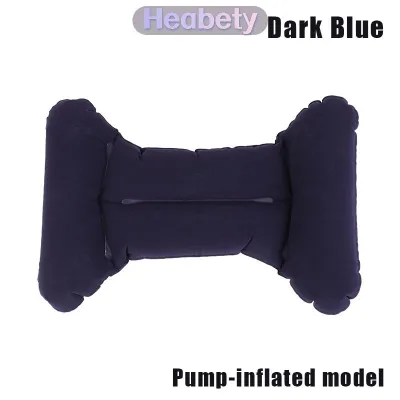
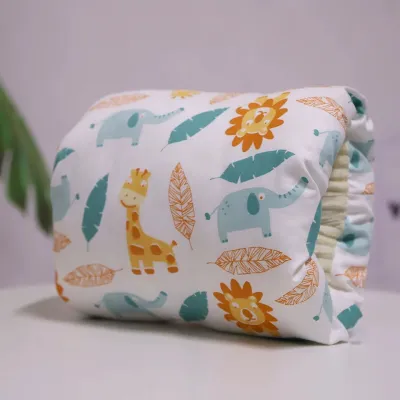
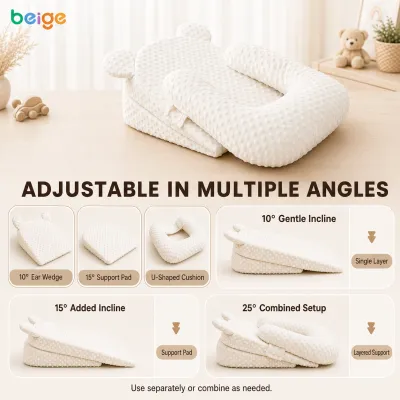
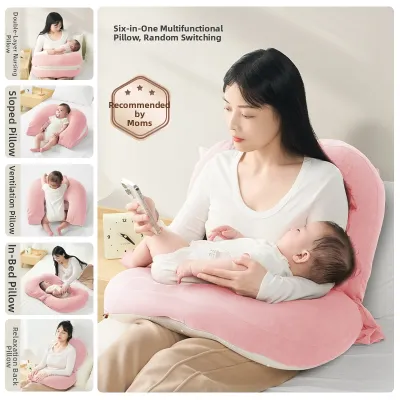
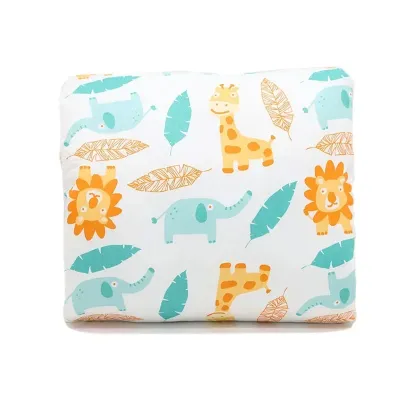
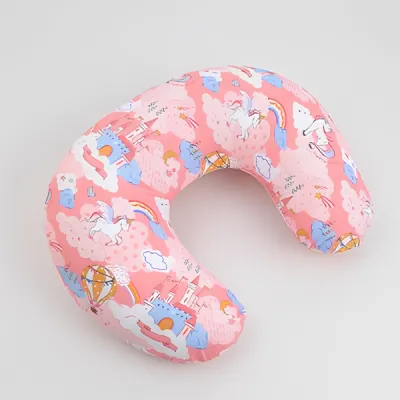
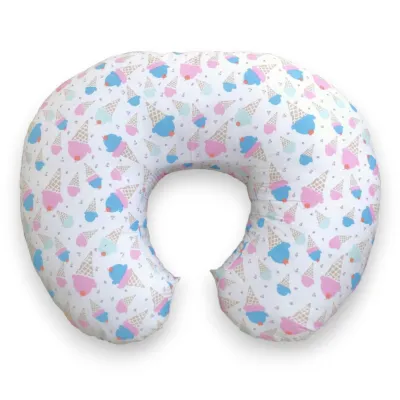
Prices are valid at publication and may change. Please refer to the product page for the latest price.
Beyond simple compression, look for integrated carrying features that make transit less stressful. Pillows equipped with built-in handles, dedicated travel cases, or external attachment clips allow you to secure the pillow directly to your stroller handlebar or suitcase handle. This keeps your hands free to manage travel documents, carry your baby, or navigate busy airport terminals and transit hubs. A travel bag that protects the pillow from dirt and germs during transit is an invaluable accessory, ensuring the feeding surface remains clean until it is needed.
However, extreme portability should not come at the expense of structural integrity. A pillow that is too soft or compresses completely under your baby’s weight will fail to provide the necessary elevation, forcing you to hunch forward anyway. When evaluating a pillow’s packed size, verify how quickly and fully it recovers its shape once unpacked. The ideal travel pillow strikes a careful balance: it should pack down to a fraction of its size but quickly expand into a firm, supportive platform that holds its shape throughout the entire feeding session.
Ensure Proper Ergonomic Support and Safety
The primary function of any nursing pillow is to bring your baby up to the level of your breast, reducing the strain on your back, neck, and shoulders. To achieve this on the go, you must carefully evaluate the pillow’s filling material. High-density memory foam offers excellent contouring and firm support, though it tends to be heavier and less compressible. Microbead fillings provide highly adaptable positioning as the beads shift to cradle the baby, but they may lose firmness over time if the casing stretches. High-density polyester fiberfill offers a lightweight, classic cushion feel, but you must check that it is packed densely enough to prevent sagging.

Ergonomic contours are another critical design element to consider. Look for a pillow with a slightly angled or contoured surface that naturally guides your baby into a secure, comfortable feeding position. This elevation helps prevent common feeding issues like acid reflux by keeping the baby’s head slightly raised above their stomach. Without proper contouring, you may find yourself constantly adjusting your posture or using your arms to prop up the pillow, defeating its ergonomic purpose.
Safety during feeding also relies on preventing your baby from rolling or sliding off the pillow’s surface. Look for designs that feature a non-slip bottom texture or a secure waist strap to keep the pillow flush against your body. The top surface should be wide and flat enough to support your baby’s entire torso securely. Always supervise your baby closely during use, and ensure the pillow’s design does not allow the baby’s face to sink into soft material, which could pose a breathing hazard.
Prioritize Hygiene and Easy Cleaning on the Go
Feeding on the go is inevitably messy, making hygiene a top priority when selecting travel gear. Spilled milk, spit-up, and outdoor dirt can quickly turn a clean pillow into a breeding ground for bacteria, especially in warm, humid environments. To prevent this, prioritize travel nursing pillows that feature a fully removable, machine-washable outer cover. Check that the cover uses a durable, high-quality zipper that is hidden or recessed beneath a fabric flap to prevent it from scratching your baby’s delicate skin.
The fabric of the outer cover should be carefully selected for both comfort and climate compatibility. In warm and humid conditions, breathable, hypoallergenic fabrics like organic cotton, bamboo-derived rayon, or lightweight performance meshes are ideal. These materials allow air to circulate, keeping your baby cool and preventing sweat rash during long feeding sessions. Hypoallergenic fabrics also minimize the risk of skin irritation, which is particularly important when your baby’s skin is already sensitized by travel, heat, or dry airplane air.
For added protection, look for pillows that include a water-resistant or wipeable inner liner beneath the outer cover. This barrier prevents liquid spills from soaking directly into the core filling material, which can be incredibly difficult to clean and dry while traveling. If a spill occurs, you can simply zip off the outer cover for washing and wipe down the inner liner with a damp cloth or baby wipe. This dual-layer protection ensures the pillow remains sanitary and odor-free throughout your entire trip.
Look for Versatility and Travel-Friendly Extras
A versatile travel nursing pillow provides excellent value by serving multiple purposes during your journey. For expectant mothers, a slightly longer or flexible travel pillow can double as a supportive lumbar cushion during long flights or road trips, or even as a compact sleep aid to support a growing belly in hotel beds. Once your baby arrives, some pillows are designed to transition into supervised lounging supports or tummy time props, though you must always supervise your baby during these activities and never use them for unsupervised sleep.
Adjustable waist straps and secure buckles are highly practical extras that enhance usability in tight spaces. When feeding in a cramped airplane seat, a bus, or a car, a strap keeps the pillow firmly anchored to your waist, preventing it from shifting as you move. This secure fit allows you to maintain a hands-free hold on the pillow itself, giving you more freedom to adjust your baby’s latch or tend to other tasks. Look for straps that are easy to adjust with one hand and feature quick-release buckles for safety.
Finally, consider the aesthetic and physical profile of the pillow. A discreet, low-profile design can make public feeding sessions feel more private and comfortable, allowing you to feed your baby confidently in parks, restaurants, or shopping centers. Some travel pillows are designed to look like stylish shoulder bags or compact cushions when packed, blending seamlessly with your personal style. This subtle design helps you maintain a sense of normalcy and comfort while managing your baby’s feeding schedule in public spaces.
Create Your Final Selection Checklist
To choose the perfect travel nursing pillow, you should match the pillow’s design to your primary travel habits. If you frequently travel by air, an ultra-compact, inflatable option that packs down to the size of a pocketbook may be your best choice. For family road trips where luggage space is slightly more flexible, a firmer, compressible memory foam or fiberfill pillow will provide superior, long-lasting support. Assess your typical travel scenarios to determine whether packing volume or maximum physical support is your top priority.
When browsing online marketplaces or local baby boutiques, create a personalized checklist that separates your non-negotiable safety features from optional aesthetic extras. Your non-negotiables should always include a firm, supportive core, a secure attachment mechanism, and a removable, washable cover made from breathable fabric. Nice-to-have features might include specific color patterns, integrated toy loops, or matching travel pouches. This structured approach keeps you focused on what truly matters for your baby’s comfort and safety.
Before finalizing your purchase, set a realistic budget range—typically between ₱500 and ₱2,500 depending on the materials and brand features—and carefully verify the retailer’s policies. Check the estimated shipping times to ensure the pillow arrives well before your scheduled departure date. Additionally, review the return policy and warranty details so you can test the pillow’s fit and firmness at home, ensuring it meets your expectations before you embark on your next family adventure.
Frequently Asked Questions (FAQ)
Can I use a regular travel neck pillow for nursing?
While a standard travel neck pillow might seem like a convenient, pre-existing alternative, it is not designed to support infant feeding safely. Neck pillows generally lack the flat, stable surface area required to keep a baby from rolling or sliding during a feed. They also typically do not provide the correct height elevation, which can force you to hunch forward and strain your back. Furthermore, standard neck pillows rarely feature the breathable, hypoallergenic, and easily washable fabrics necessary to protect your baby’s sensitive skin from irritation and spills.
Are inflatable nursing pillows a good option for travel?
Inflatable nursing pillows are excellent for air travel and tight packing situations because they deflate to an extremely small, lightweight size. They allow you to adjust the firmness easily by adding or releasing air to suit your comfort level. However, they do have trade-offs, such as the potential for air leaks along the seams over time and the manual effort required to inflate them during transit. If you choose an inflatable model, look for one with a thick, durable air bladder and a soft, removable fabric cover to ensure both longevity and comfort.

Community discussion
Share your experience or ask a question. Comments are reviewed before publication.