
Selecting a nursing pillow for breastfeeding involves balancing ergonomic comfort, material safety, and daily practicality. The ideal pillow should feature a firm filling that keeps your baby at breast height without sagging, a shape that aligns with your body type, and a highly breathable, machine-washable cover. In the warm and humid climate of the Philippines, selecting materials that prevent heat retention is equally crucial for the comfort of both mother and infant. By focusing on these core elements, you can prevent physical strain while establishing a secure, comfortable latch.
Why Proper Support Matters: Choosing a Nursing Pillow for Breastfeeding
Breastfeeding is a rewarding journey, but the physical demands of feeding a newborn multiple times a day can quickly take a toll on a caregiver’s body. Without proper support, mothers often find themselves leaning forward, hunching their shoulders, and straining their neck, back, and arms to keep the baby positioned correctly. This repetitive strain can lead to chronic muscle fatigue and tension, making feeding sessions uncomfortable and physically exhausting.
The primary purpose of a dedicated nursing pillow is to elevate your baby to the level of your breast. By bridging this physical gap, the pillow allows you to maintain a neutral, upright spine and relaxed shoulders. Instead of using your arm strength to support the baby’s weight for thirty minutes or more, the pillow bears the load, letting you focus entirely on your baby’s positioning and comfort.
Products mentioned in this guide

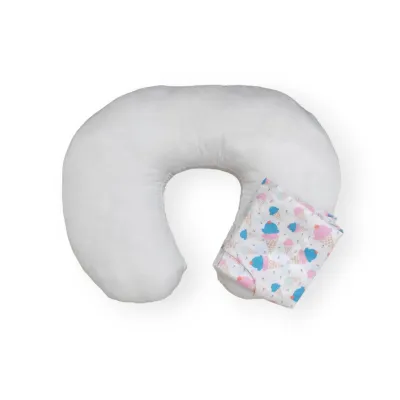
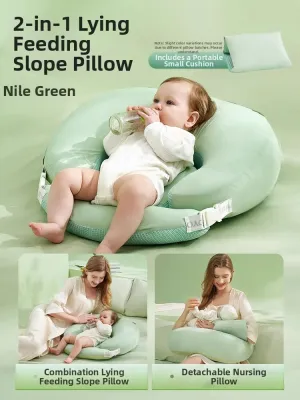
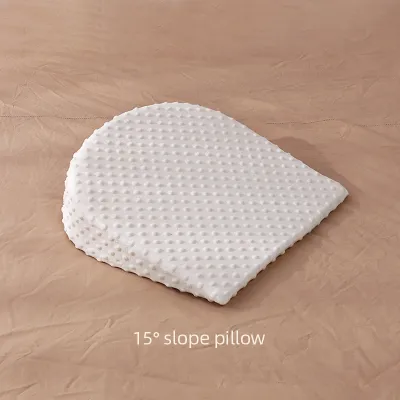
Prices are valid at publication and may change. Please refer to the product page for the latest price.
While a nursing pillow is not strictly mandatory to feed your baby, it serves as an invaluable tool during the early months of life. Achieving a proper latch requires stability and precise positioning, which can be difficult to maintain with tired arms. A supportive pillow reduces muscle tension, stabilizes the infant’s body, and helps establish a deep, painless latch by keeping the baby’s head and neck properly aligned.
Core Shapes and Designs: Matching the Pillow to Your Feeding Style
Nursing pillows come in several distinct shapes, each designed to accommodate different body types, feeding positions, and lifestyles. Understanding how these designs function will help you choose one that matches your daily routine.

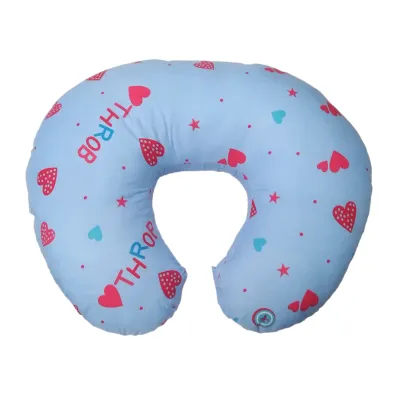
- C-Shaped or Crescent Pillows: The C-shaped or crescent design is the most common style available. These pillows slide around your waist, providing a supportive platform directly in front of your body. They are highly effective for classic cradle and cross-cradle holds, keeping your baby close and securely positioned on your lap. However, because they do not wrap completely around your body, they may slide forward during use and often require manual repositioning if you prefer side-lying or football holds.
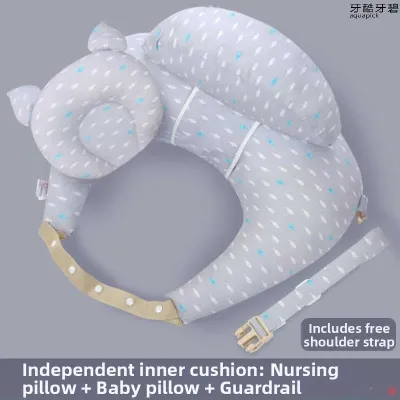
- U-Shaped or Full-Wrap Pillows: For caregivers seeking more comprehensive support, U-shaped or full-wrap pillows offer a 360-degree design. These pillows wrap entirely around your torso, often securing with a buckle or strap. This design provides excellent lower back support and prevents the pillow from shifting or slipping off your lap when you move. The main trade-off is their physical size; they tend to be bulkier to store and can feel restrictive if you have a larger waist or are recovering from certain types of delivery.
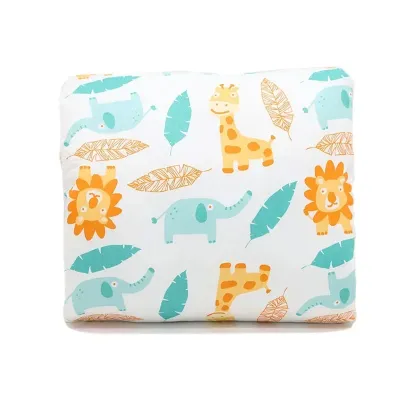
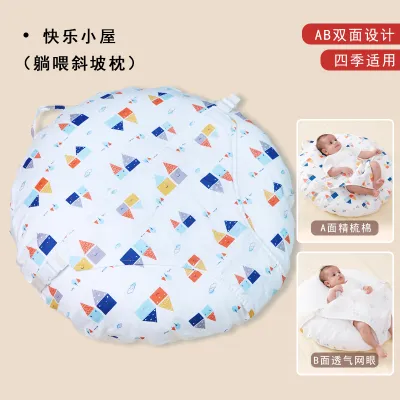
- Wedge or Flat Pillows: Wedge pillows are compact, angled cushions designed for targeted elevation rather than full-body support. They are highly versatile, allowing you to prop up a specific side of the baby's head or body to assist with reflux or to support an older infant who has gained better head control. Because they are smaller, they are easy to pack but do not offer the hands-free arm support of larger wrap-around models.
- Twin or Multi-Baby Pillows: If you are feeding twins, standard nursing pillows are generally too small to support both babies simultaneously. Twin nursing pillows feature an extended, dual-sided design with a flatter, wider surface area. This structured platform allows you to position both babies in a double-football hold, enabling tandem feeding while keeping your hands free to adjust latches or offer comfort.
When deciding on a shape, take a moment to consider your primary feeding positions and long-term goals. If you plan to transition between breastfeeding and bottle-feeding, or if multiple family members of different body sizes will use the pillow, a flexible C-shaped pillow or an adjustable strap-on model is often the most practical choice.
Material and Filling Features: Balancing Firmness, Comfort, and Climate
The internal filling and external fabric of a nursing pillow directly impact its longevity, safety, and comfort. Because your baby’s skin will be in close contact with the pillow, these material specifications deserve careful evaluation.
- Firmness and Fill Type: A nursing pillow must be firm enough to support your baby's weight without sinking. Polyurethane foam or molded foam cores offer excellent structural integrity, holding their shape over months of heavy use. In contrast, polyester fiberfill or bead fillings are softer and more cushion-like, but they tend to compress and sag over time, which can compromise your baby's latch and airway alignment. A firm surface ensures your baby remains at the correct height throughout the entire feeding session.
- Cover Fabrics for Tropical Climates: In the tropical climate of the Philippines, heat and humidity are constant considerations. Synthetic fabrics like polyester can trap heat, causing both you and your baby to sweat, which can lead to skin irritation or general discomfort during long feeds. Look for covers made from breathable, natural fibers such as 100% cotton, organic cotton, or bamboo blends. These materials naturally wick moisture away and allow air to circulate, keeping skin-to-skin contact comfortable even on warm afternoons.
- Hypoallergenic and Non-Toxic Labels: Because infants have sensitive skin and developing respiratory systems, verifying the safety of the materials is essential. Look for recognized safety labels such as OEKO-TEX Standard 100 or CertiPUR-US on the product packaging, which indicate that the materials have been tested for harmful substances. Always verify these claims by checking the manufacturer's official physical tag sewn onto the pillow, rather than relying solely on online marketing descriptions.
- Removable and Washable Covers: Spills, spit-ups, and diaper blowouts are inevitable parts of the early parenting journey. A nursing pillow without a removable cover will quickly become unhygienic. Ensure the pillow you choose features a durable, zip-off cover that is fully machine-washable. Having a spare cover on hand is highly recommended so you can continue using the pillow while one cover is in the wash.
In the Philippines, nursing pillows range from budget-friendly local options starting around ₱500 to premium imported brands that can exceed ₱3,000. Investing in a high-quality, durable cover is often worth the initial cost to ensure the pillow remains clean and usable for the long term.
Size, Fit, and Adjustability: Accommodating Your Body and Lifestyle
The physical dimensions of a nursing pillow must align with your body shape and lifestyle to provide safe, effective support. A pillow that fits one caregiver perfectly may be entirely unsuitable for another.
- Caregiver Body Type Compatibility: Before purchasing, check the inner circumference and thickness of the pillow. The cushion should fit snugly against your torso without leaving wide gaps. If the pillow is too loose or slides away, dangerous gaps can form where the baby could roll, slip, or sink down, creating a safety hazard. Many manufacturers specify the waist sizes their pillows can accommodate, which is a helpful reference point.
- Portability and Storage: Consider where you will be nursing most frequently. If you primarily feed your baby in a dedicated nursery chair, a large, structured foam pillow is ideal. However, if you travel often, visit family, or have limited living space, look for travel-sized, foldable, or inflatable nursing pillows. These compact options can be packed into a diaper bag or suitcase, ensuring you have ergonomic support wherever you go.
- Adjustable Straps or Ties: Many modern nursing pillows feature adjustable waist straps or silent-release buckles. These straps secure the pillow tightly to your body, preventing it from shifting when you move or adjust your posture. This feature is particularly beneficial for caregivers recovering from a C-section, as the strap can be adjusted to position the pillow higher up on the torso, keeping direct pressure off the healing incision site.
Safety Boundaries and Cleaning: What to Verify Before and After Purchase
While a nursing pillow is an excellent comfort aid, it must be used with strict adherence to safety guidelines to protect your infant from harm.
- Safe Sleep Warnings: Nursing pillows are designed exclusively for awake, supervised feeding and active propping. They are never safe for infant sleep. Pediatric health organizations worldwide warn that placing a sleeping baby on a nursing pillow, or placing the pillow inside a crib, bassinet, or playpen, poses a severe risk of positional asphyxiation or suffocation. If your baby falls asleep during or after a feed, immediately transfer them to a flat, firm sleep surface, such as a crib or cot, and place them on their back. Never leave a baby unattended on or near a nursing pillow.
- Checking for Recalls and Compliance: Before finalizing your purchase, verify that the product complies with local consumer safety standards. Take a moment to search the manufacturer's official website or local consumer protection databases to ensure the specific model has not been subject to any active safety recalls. This step is especially important if you are purchasing an imported brand or buying a secondhand pillow.
- Cleaning Protocols in Humid Environments: The high humidity levels in the Philippines make proper cleaning and drying essential to prevent the growth of mold, mildew, and bacteria. Always follow the manufacturer's specific care label instructions for both the outer cover and the inner cushion core. While the cover is typically machine-washable, the inner core usually requires spot-cleaning with mild soap and water. Ensure the pillow is completely dry before putting the cover back on; air-drying in a well-ventilated space or under direct sunlight can help eliminate residual moisture.
How to Test and Position Your Nursing Pillow for Optimal Latch
Once you have selected a nursing pillow, learning how to position it correctly will ensure you achieve a comfortable, pain-free latch.
- The 'Gap Test': To perform the gap test, sit in your preferred nursing chair and secure the pillow around your waist. Observe the space between the inner curve of the pillow and your abdomen. There should be no visible gaps. If a gap exists, the baby can slip downward, forcing you to hunch forward to support them. If necessary, adjust the waist strap or place a small rolled towel behind your lower back to push your body forward into the cushion.
- Positioning the Baby: Place your baby on their side on top of the pillow, facing your body. The ideal alignment is 'tummy to tummy,' where the baby's abdomen rests directly against yours. Ensure the baby's nose is aligned with your nipple, and their head is slightly elevated to facilitate easy swallowing and reduce the risk of acid reflux. When viewed from the side, your baby's ear, shoulder, and hip should form a straight, unbroken line.
- When to Stop or Adjust: A nursing pillow should alleviate physical discomfort, not cause it. If you experience persistent back, neck, or shoulder pain, or if your baby constantly slips off the edge, your current setup needs adjustment. You can try placing a regular folded blanket under the nursing pillow to raise its height, or try a different chair. If you continue to experience nipple pain or latching difficulties, stop relying solely on the pillow and consult a certified lactation specialist or healthcare professional for personalized guidance.
Frequently Asked Questions (FAQ)
Can I use a regular bed pillow instead of a nursing pillow?
While you can use a standard bed pillow in a pinch, it generally lacks the firm, structured support needed for consistent breastfeeding. Bed pillows are typically too soft, causing the baby to sink, which forces you to hunch forward. They also lack waist straps or a wrap-around shape, meaning they will slide away easily, requiring constant manual adjustments during a feed.
How long will my baby need a nursing pillow?
Most families find a nursing pillow most useful during the first 4 to 6 months of the baby’s life, when the infant lacks independent head and neck control. Once your baby can sit up independently and has stronger core muscles, you may find you no longer need the pillow for feeding. At this stage, many parents repurpose the cushion for supported sitting or supervised play, following the manufacturer’s developmental and age guidelines.
Are nursing pillows safe for tummy time?
Some firm, C-shaped nursing pillows can be used to prop up a baby’s chest during tummy time once they have achieved basic neck control. However, you must strictly follow the manufacturer’s age, weight, and developmental guidelines printed on the product packaging. Tummy time on a pillow must always be closely supervised by an awake adult, and the baby must never be left unattended even for a moment.
Community discussion
Share your experience or ask a question. Comments are reviewed before publication.