
Feeding your baby while traveling requires careful preparation, especially when managing formula. A reliable travel milk powder container must prevent moisture from ruining the powder, keep portions organized, and fit easily into a diaper bag. In a tropical climate where high humidity can quickly turn dry powder into sticky clumps, choosing the right container is essential for maintaining hygiene and convenience on the go.
To make an informed decision, you need to evaluate specific design elements such as seal integrity, portioning mechanisms, and material safety. A well-designed container simplifies feeding in transit, allowing you to prepare a bottle quickly and safely without spilling precious formula. By focusing on practical features and verifying manufacturer specifications, you can find a storage solution that fits your travel routine and keeps your baby’s milk safe and fresh.
Core Features to Evaluate in a Travel Milk Powder Container
Portion control mechanisms are the foundation of any travel-friendly formula container. These designs generally fall into two categories: individual pre-measured compartments or single bulk storage spaces. Individual compartments allow you to measure out exact formula amounts at home, eliminating the need to carry a scoop or measure powder while in a moving vehicle, crowded airport, or busy mall. This pre-portioning minimizes the risk of spilling and reduces exposure to airborne contaminants. Conversely, bulk storage containers hold a larger volume of powder in a single space, requiring you to scoop and level each portion on the spot. While bulk containers offer flexibility if your baby’s feed sizes vary, they demand a stable surface and careful handling to maintain scooping accuracy during transit.
Products mentioned in this guide
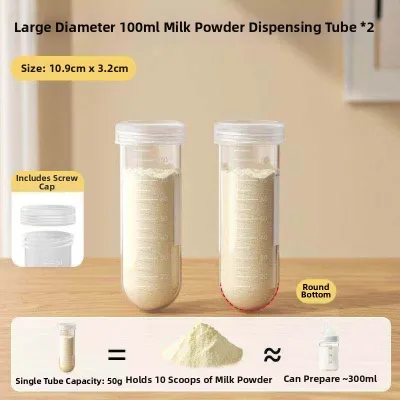
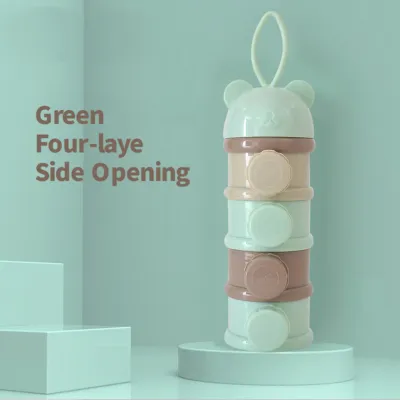
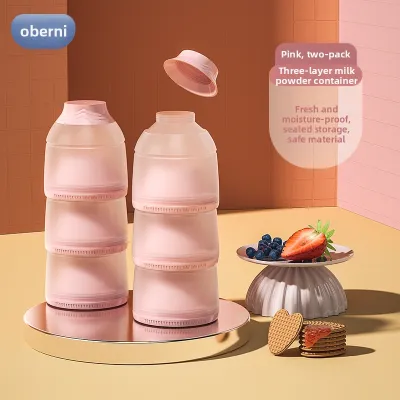
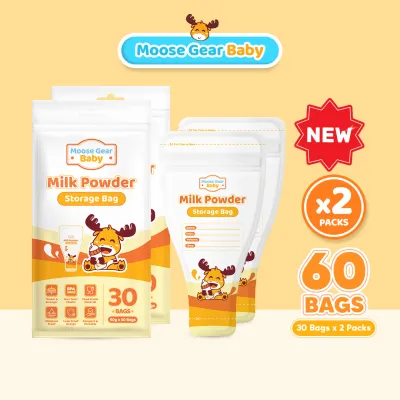
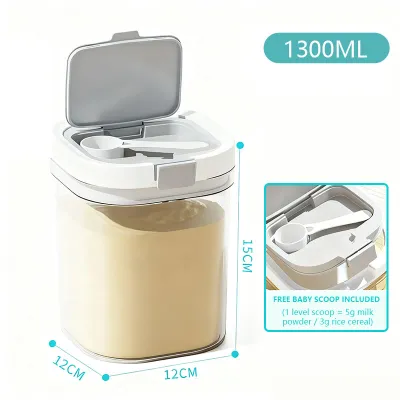
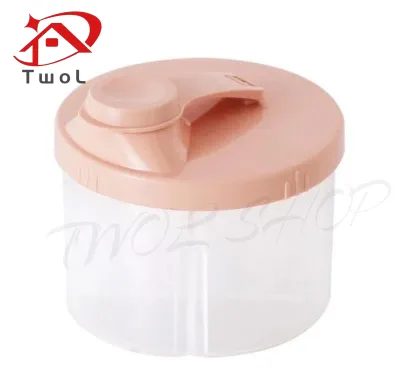
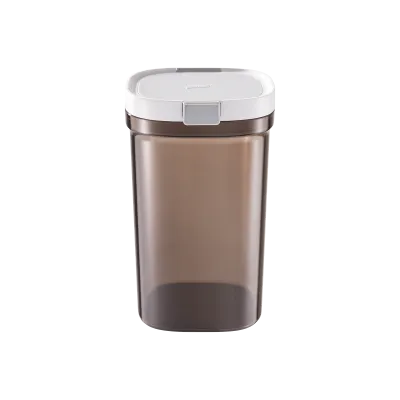
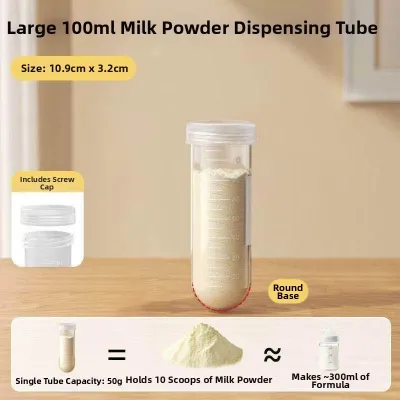
Prices are valid at publication and may change. Please refer to the product page for the latest price.
Seal quality is another critical factor, particularly when traveling in warm, humid environments. A weak seal allows moisture to seep into the container, causing the milk powder to clump, lose its free-flowing consistency, and potentially spoil. When evaluating containers, look for clear indicators of seal quality, such as thick silicone rings embedded in the lid or robust snap-lock latches that secure the cover on all sides. Threaded screw-on lids also provide a highly reliable mechanical seal when properly aligned. To verify airtight claims, check the manufacturer’s product specifications or user manuals for mentions of hermetic seals or leak-proof testing. Avoid relying solely on marketing terms; instead, look for physical design details like double-sealed rims or reinforced locking clips.
Size and capacity trade-offs require a careful balance between your diaper bag’s available space and the number of feeds your baby requires during a trip. A container that is too large takes up valuable space that could otherwise hold diapers, wipes, or a change of clothes. However, a container that is too small might leave you without enough formula during unexpected travel delays. To determine the right size, calculate the average number of feeds your baby consumes during your typical outing duration, then select a container that accommodates that volume with a small safety margin. Compact, modular designs that allow you to attach or detach compartments based on the length of your trip offer excellent flexibility.
Material considerations directly impact both food safety and the long-term durability of the container. Because these containers hold food for developing infants, verifying the safety of the plastic is paramount. Look for product labels that explicitly state the materials used, such as food-grade polypropylene (PP) or Tritan plastic. These materials are widely utilized for baby products due to their durability and resistance to high temperatures. Ensure the product documentation confirms the container is free from bisphenol A (BPA) and other potentially harmful chemical additives. Additionally, the material must be sturdy enough to withstand accidental drops from strollers or changing tables without cracking or spilling its contents.
Matching Container Designs to Your Travel Routine
Stackable portion towers consist of multiple individual compartments that screw into one another vertically, capped with a single dispensing lid at the top. This design is highly practical for short day trips, routine errands, or visits to relatives. Because each level holds a single pre-measured serving, you simply move the dispensing funnel to the active compartment and pour the powder directly into your baby’s bottle. This vertical alignment makes the tower highly space-efficient, fitting easily into the side bottle pockets of most diaper bags. It is an excellent choice for caregivers who prioritize quick, mess-free dispensing without the need to carry a separate scoop.

Single-compartment wide-mouth boxes are designed to store a larger volume of milk powder in bulk, resembling a miniature version of the original formula tin. These boxes typically feature a wide opening that allows easy access for scooping, a built-in leveler to ensure accurate measurements, and a dedicated hanger or compartment to keep the scoop separate from the powder. This design is ideal for longer trips, weekend getaways, or overnight stays where you need to prepare multiple feeds and have access to a flat, stable surface. The wide-mouth design makes refilling the container simple, though it does require you to measure out each portion manually during feeding times.
Dispenser-style containers feature a single round body divided internally into three or four fixed compartments, covered by a rotating lid with a single pour spout. To use this style, you rotate the lid until the spout aligns perfectly with the compartment you wish to empty. While this design offers a compact shape and eliminates the need to carry multiple separate lids, it introduces mechanical complexity. If the rotating lid does not fit tightly, powder can migrate between compartments, leading to inaccurate portioning. When choosing this style, verify that the internal dividers fit flush against the lid to prevent cross-contamination of pre-measured portions.
To select the right form factor, match the container design to your specific travel itinerary. For brief outings lasting only a few hours, a compact stackable tower or a small rotating dispenser is usually sufficient and highly convenient. For extended road trips, flights, or vacations lasting several days, a single-compartment wide-mouth box provides the bulk storage capacity you need, allowing you to refill smaller dispensers as needed. Assessing your typical travel duration and feeding frequency ensures you select a container that minimizes hassle and keeps your feeding routine seamless.
Hygiene, Safety, and Pre-Purchase Checks
Verifying material safety claims is a non-negotiable step before purchasing any infant feeding accessory. Do not rely on product names or generic descriptions on online marketplaces; instead, look for official manufacturer documentation, product packaging, or certified store pages. Verify that the container complies with recognized food-contact safety standards. Look for clear labels indicating food-grade certification and chemical-free construction. Always verify the recommended age range, portion sizes, and specific method of use from the manufacturer’s documentation to ensure the container aligns with your baby’s current feeding stage and weight requirements.
Cleaning accessibility is vital for preventing the growth of harmful bacteria. Milk powder is rich in nutrients, and any residue left in hard-to-reach crevices, threads, or corners can quickly become a breeding ground for microbes. Before buying, evaluate how easily the container can be completely disassembled. Look for designs with removable silicone gaskets, wide openings, and minimal sharp internal angles. Check the manufacturer’s care instructions to verify whether the container is compatible with your preferred cleaning method, whether that involves steam sterilization, boiling water, or top-rack dishwasher cleaning. If a container cannot withstand high-temperature sterilization, it may not be suitable for newborn feeding.
Identifying potential physical failure points can save you from messy spills and ruined formula during a trip. Examine the construction of the hinges, latches, and seals. Thin plastic hinges that rely on the bending of the material are highly susceptible to fatigue and cracking over time, especially with frequent opening and closing. Look for reinforced mechanical hinges with metal pins or robust snap-locks that distribute pressure evenly. Additionally, inspect the silicone gaskets; they should fit snugly into their designated grooves without slipping out easily, as a loose gasket can easily be lost during washing, rendering the container no longer airtight.
If a product description or packaging lacks clear safety, material, or care specifications, stop and consult the manufacturer or an authorized distributor before making a purchase. Do not risk using a container of unknown origin or material composition for your baby’s food. Furthermore, always supervise the use of these containers and keep them out of reach of infants to prevent choking hazards from small parts like detachable caps or silicone rings. If you observe any signs of cracking, discoloration, warping, or persistent odor, stop using the container immediately and replace it to ensure continued safety.
Final Selection Checklist and Comparison Matrix
To help you compare different options and organize your pre-purchase evaluation, use the following comparison matrix template to map out the key features of your shortlisted containers:
| Container Type | Seal Mechanism | Compartment Count | Primary Material | Cleaning Method | Best Suited For |
|---|---|---|---|---|---|
| Stackable Tower | Threaded Screw-on | 3 to 5 (Modular) | Polypropylene (PP) | Hand wash / Sterilizer | Short day trips, quick dispensing |
| Wide-Mouth Box | Snap-lock with Gasket | 1 (Bulk storage) | Tritan / PP | Dishwasher / Sterilizer | Multi-day travel, bulk storage |
| Rotating Dispenser | Friction-fit / Rotate | 3 to 4 (Fixed) | Polypropylene (PP) | Hand wash | Compact diaper bags, quick errands |
When finalizing your selection, watch out for critical dealbreakers that could compromise the container’s utility. A major dealbreaker is the lack of available replacement parts, particularly silicone gaskets, which can easily be lost during cleaning. Another concern is unclear material origins or the absence of explicit food-grade labeling. Ensure the locking latches require a deliberate action to open; loose latches can easily catch on other items inside your diaper bag, causing the container to pop open and spill powder everywhere.
Aligning your choice with your budget is simple when you focus on functional value rather than unnecessary aesthetic features. Basic stackable towers and rotating dispensers are widely available and highly affordable, often priced under ₱200, making them excellent options for occasional travel. Premium containers, ranging from ₱500 to ₱1,000, typically offer advanced features such as high-durability Tritan plastic, double-walled airtight seals, and integrated scoop levelers. Assess your travel frequency to determine if investing in a premium, highly durable model is justified for your daily routine.
Finally, perform a verification check tailored to the specific demands of traveling in tropical climates like the Philippines. High humidity and elevated temperatures mean that containers stored in diaper bags, cars, or strollers are exposed to moisture-rich air. Ensure the container you choose has a robust, verified airtight seal to block out humidity and protect the powder from clumping. If you plan to travel frequently in warm conditions, prioritizing a container with a thick silicone gasket and secure locking latches will help maintain the quality and safety of your baby’s formula.
Frequently Asked Questions (FAQ)
Can I use a regular food storage box for milk powder while traveling?
While a standard food storage box can physically hold milk powder, it is generally not recommended as a primary solution for travel feeding. Regular food containers often lack the specialized features required for infant formula, such as pre-measured portion compartments, narrow dispensing spouts, and dedicated scoop storage. Without a dispensing spout, pouring powder into a narrow baby bottle opening while on the go is highly prone to spills and contamination. Furthermore, generic containers may not feature the high-grade, airtight silicone seals necessary to block out moisture in humid environments. For occasional emergency use, a small, thoroughly sterilized food-grade container with a reliable snap-on lid may suffice, but a dedicated travel milk powder container is far more practical and hygienic for regular travel.
How do I prevent milk powder from clumping inside the container during humid trips?
To prevent milk powder from clumping during humid trips, you must strictly control moisture exposure. Always ensure that the container, your hands, and the measuring scoop are completely dry before filling the container; even a single drop of water can cause significant clumping and spoilage. Keep the container closed at all times, opening it only briefly to dispense the powder. Store the container in a cool, dry part of your diaper bag, away from direct sunlight, hot vehicles, or damp items like wet wipes. If you are traveling in highly humid areas, choosing a container with a verified airtight silicone seal is essential. If clumping does occur or if you notice an unusual odor or color change, stop using the powder immediately and consult a healthcare professional if you have concerns about your baby’s feeding safety.

Community discussion
Share your experience or ask a question. Comments are reviewed before publication.