
Traveling with an infant or toddler requires balancing mobility with a massive inventory of diapers, bottles, changes of clothes, and soothing toys. A standard backpack often falls short because it lacks the specialized organization needed to handle wet spills, temperature-sensitive milk, and rapid-fire diaper changes on the go. Finding the right travel bag for baby essentials means looking beyond aesthetics to evaluate structural durability, ergonomic support, and intuitive compartment layouts.
In tropical climates like the Philippines, where high humidity and sudden afternoon downpours are common, your choice of material and carrying style directly impacts your comfort and peace of mind during transit. A well-designed travel bag acts as a mobile nursery station, allowing you to locate critical items in seconds without unpacking the entire bag. By focusing on key features and understanding how to verify them against your specific travel habits, you can select a bag that simplifies your journeys rather than adding to your travel stress.
Core Features for Organization and Accessibility
When you are navigating a crowded airport terminal or a busy local mall, speed is everything. The internal layout of your travel bag determines how quickly you can respond to a blowout diaper or a hungry baby. A bag with a single large compartment quickly becomes a chaotic mess, forcing you to rummage through layers of clothing to find a single pacifier. Look for bags that offer dedicated, specialized compartments designed for specific baby gear.
Products mentioned in this guide
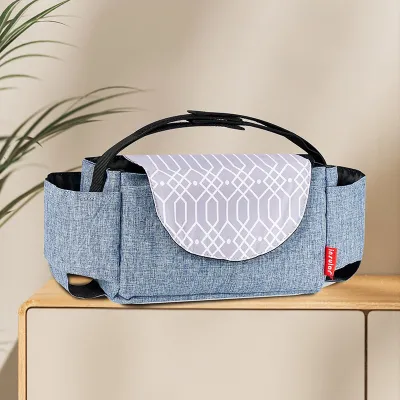
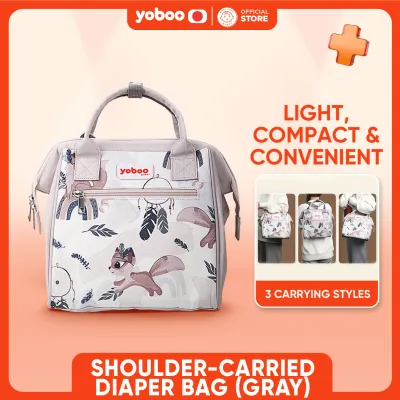
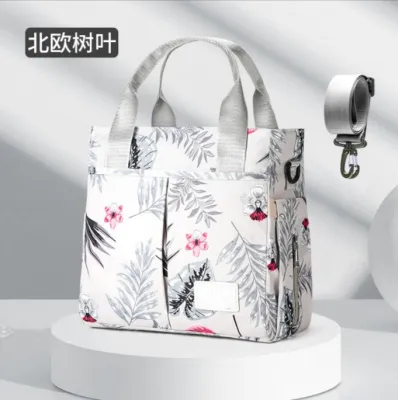
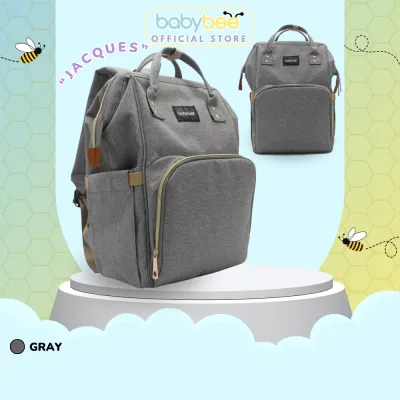
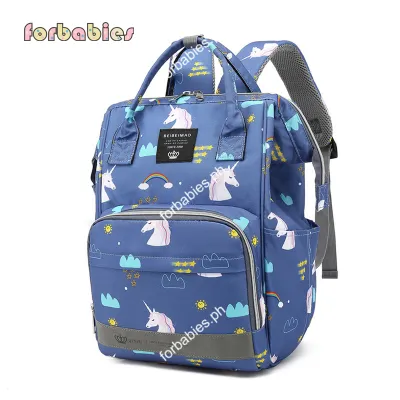
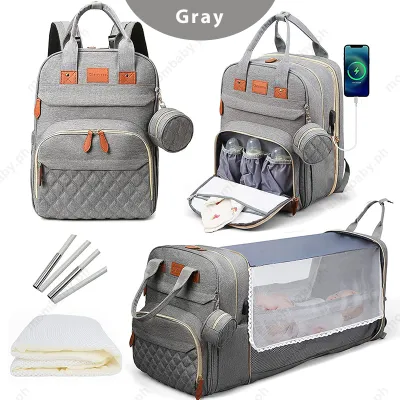
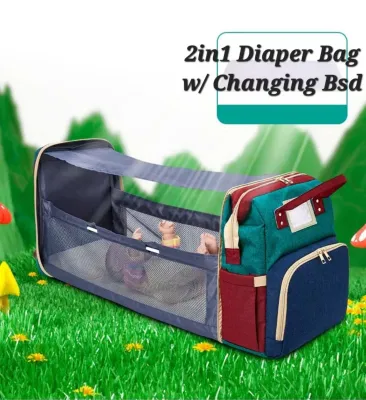
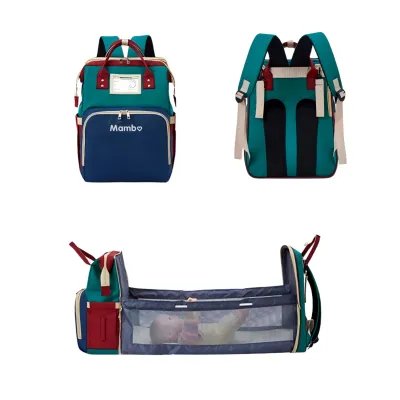
Prices are valid at publication and may change. Please refer to the product page for the latest price.
Insulated bottle pockets are a prime example of essential travel organization. These pockets use thermal linings to help maintain the temperature of breast milk, warm water, or formula during transit. Before purchasing, verify the physical dimensions of these pockets against your preferred bottle brands. Some insulated pockets are designed narrow for standard bottles and will not easily accommodate wide-neck options, silicone bottles, or larger insulated flasks. Checking these limits beforehand prevents the frustration of carrying bottles in the main compartment where they are prone to tipping over.
Another critical feature is a dedicated quick-access slot for baby wipes and diapers. Many travel bags feature a side pocket with a zippered slit or magnetic flap, allowing you to pull out a single wipe with one hand while holding your baby with the other. Ensure this pocket is adjustable or large enough to fit standard travel-sized wipe packs. Having diapers stored in an adjacent, easily reachable sleeve ensures that you do not have to dig deep into the bag during an emergency change in a cramped airplane restroom.
Hygiene is paramount when traveling, which makes separate compartments for caregiver items and baby gear a necessity. Storing your keys, wallet, smartphone, and hand sanitizer in the same compartment as clean baby clothes or teething toys increases the risk of cross-contamination. Look for a bag that features a dedicated “parent pocket” on the front or top. This keeps your personal essentials secure, clean, and entirely separate from your baby’s feeding and changing supplies.
Finally, pay close attention to how the main compartment opens. Bags with a wide-opening doctor-bag frame or a full clamshell zipper that opens flat are highly superior for travel. These designs allow you to perform a quick visual inventory of your supplies before you leave your hotel or car. You can see exactly how many diapers, change of clothes, and formula portions you have left without having to pull everything out, keeping your packing neat and organized throughout the trip.
Comfort and Ergonomics for Caregivers
Carrying several kilograms of baby gear for hours can quickly lead to shoulder, neck, and back strain. The carrying style you choose should match your physical comfort preferences and your primary modes of travel. Backpack-style travel bags are generally the most popular for long transits because they distribute weight evenly across both shoulders, leaving your hands completely free to push a stroller, carry your baby, or handle travel documents.

Tote bags and crossbody styles offer quick access to items while the bag is still on your body, making them convenient for short trips or car travel. However, they place the entire load on one shoulder, which can cause discomfort during extended walking. Some versatile bags offer convertible straps, allowing you to switch from a backpack to a tote or crossbody depending on the situation. If you choose a convertible model, inspect the attachment points to ensure the hardware is sturdy and easy to adjust on the fly.
For extended wear, especially in warm and humid conditions, evaluate the padding and breathability of the straps and back panel. Look for wide, S-shaped shoulder straps with thick, high-density foam padding that will not dig into your shoulders under a heavy load. A back panel lined with breathable air-mesh fabric promotes airflow, reducing sweat buildup and chafing as you walk. Adjustable chest or sternum straps are also highly beneficial, as they help pull the bag closer to your center of gravity, reducing lower back strain.
Stroller compatibility is another major convenience feature for travel. Many bags come with integrated stroller straps or detachable clips that allow you to hang the bag directly from the stroller handlebar. While this relieves your shoulders, you must always consult your stroller’s user manual regarding weight limits and stability warnings. Hanging a heavily loaded bag from the handlebar of a lightweight umbrella stroller can cause the stroller to tip backward when you lift your baby out, creating a safety hazard.
Before finalizing your choice, check the manufacturer’s specifications for the empty weight of the bag and its recommended maximum load capacity. A bag that is heavy before you even pack it will quickly become exhausting to carry. Ideally, an empty travel bag should weigh less than 1.2 kilograms. High-quality manufacturers will often state the maximum weight their straps and seams can safely support, helping you avoid overloading the bag and compromising its structural integrity.
Durability, Materials, and Easy Cleaning
Travel exposes your baby bag to harsh conditions, from dusty roads and dirty airport floors to spilled milk, crushed snacks, and sudden rain showers. The materials used in the bag’s construction must be tough enough to withstand this wear while remaining easy to clean. Look for exterior fabrics with high-density weaves, such as 600D or 1000D polyester, or heavy-duty nylon. These materials offer excellent tear resistance and are naturally durable.
Water resistance is a non-negotiable feature for travel. An exterior fabric treated with a water-resistant coating (such as polyurethane or Teflon) ensures that a sudden downpour will not soak through to your clean diapers and dry clothes. Equally important is the interior lining. Look for wipeable, waterproof materials like PEVA or TPU. If a bottle leaks or a food pouch gets crushed inside the bag, you should be able to clean the mess quickly with a damp cloth or baby wipe, preventing permanent stains and unpleasant odors.
Inspect the hardware and construction details closely before buying. Zippers are often the first component to fail on a travel bag under pressure. Look for thick, self-repairing nylon coil zippers or heavy-duty metal zippers from reputable manufacturers. Double-stitching or reinforced bar-tack stitching at high-stress areas—such as where the shoulder straps and stroller clips attach to the bag body—is a strong indicator of long-term durability. Additionally, molded plastic or metal base feet on the bottom of the bag are highly useful, as they keep the fabric raised off dirty or wet surfaces when you set the bag down.
Before purchasing, always check the care labels and manufacturer instructions for cleaning. Some bags feature removable, machine-washable interior linings or entire sections that can be tossed into the washing machine. Others are strictly spot-clean only. Knowing these restrictions beforehand helps you maintain the bag properly without accidentally damaging the water-resistant coatings or structural padding during washing.
While heavy-duty fabrics and metal hardware add durability, they also add weight. Your goal should be to find a balance between robust construction and a manageable empty weight. Avoid bags with excessive decorative metal hardware or overly thick, rigid frames if you plan to carry the bag on your back for long periods. A streamlined, functional design made from high-quality, lightweight synthetic fabrics often provides the best balance of durability and comfort.
Safety and Travel-Specific Add-ons
Standard diaper bags are designed for daily errands, but travel-specific bags often include specialized features that enhance safety and convenience in transit hubs. One of the most common and useful add-ons is a portable changing pad. When traveling, you cannot always guarantee access to clean, well-equipped changing tables. A high-quality, cushioned changing pad that folds compactly into its own pocket allows you to create a hygienic changing surface anywhere. Verify that the included pad is sufficiently padded, completely wipeable, and large enough to accommodate your baby’s current length.
For airport travel, a luggage sleeve (also known as a trolley sleeve or pass-through panel) is an invaluable feature. This is a wide fabric band on the back of the diaper bag that allows you to slide it securely over the telescoping handle of your rolling suitcase. This keeps the bag securely balanced on top of your luggage, completely relieving your back and shoulders as you navigate long airport corridors. It also prevents the bag from slipping off and falling onto dirty airport floors.
Security is another major concern when traveling through crowded train stations, bus terminals, or tourist spots. Look for bags that feature hidden anti-theft pockets. These are typically zippered compartments located on the back panel of the bag, resting directly against your body when worn. This placement makes it virtually impossible for pickpockets to access the pocket without your knowledge, making it the perfect place to store high-value items like passports, boarding passes, cash, and smartphones.
Some modern travel bags come equipped with tech-focused accessories, such as built-in USB charging ports or dedicated power bank pockets. While convenient, you must verify that these features meet basic safety standards and do not compromise the bag’s structural integrity. Ensure that any wiring is fully insulated and that the power bank pocket is positioned away from insulated bottle pockets or areas where liquids are stored to prevent water damage or short circuits.
How to Build Your Shortlist Based on Travel Needs
To find the perfect travel bag, you must match its capacity and features to your typical travel patterns. A family that primarily takes short weekend road trips will have very different requirements than a family preparing for a long-haul international flight. Start by mapping out your trip durations and primary modes of transport to determine the ideal bag capacity and style.
For quick day trips or car travel, a compact bag with a capacity of 15 to 20 liters is usually sufficient. These bags are lightweight, easy to stow under a car seat, and hold just enough supplies for a few hours away from home. For long-haul flights or weekend getaways, you will likely need a larger bag with a capacity of 25 to 35 liters. This size allows you to pack extra diapers, multiple changes of clothes, formula, toys, and your own travel essentials, ensuring you are prepared for unexpected travel delays.
Use a simple decision matrix to separate your absolute must-have features from nice-to-have extras. This helps you stay focused on functionality and avoid overpaying for aesthetic details or accessories you will not use. If you are on a budget, prioritizing core features like water-resistant fabric, comfortable straps, and insulated pockets will yield a highly functional bag without the premium price tag. In the local market, reliable travel bags can range from budget-friendly options around ₱1,500 to premium, feature-rich models exceeding ₱5,000.
When shopping on online marketplaces or at local baby boutiques, always verify the return policies, warranty terms, and product authenticity. Purchasing from official brand stores or authorized retailers ensures that you receive a genuine product backed by a manufacturer’s warranty. This is particularly important for travel bags, as a broken zipper or torn strap during a trip can be highly disruptive. A reliable warranty gives you recourse if the bag experiences premature wear.
To help you visualize your options, refer to the priority matrix below to see how different travel scenarios dictate your bag requirements:
| Travel Type | Required Capacity | Optimal Carrying Style | Essential Compartments & Features |
|---|---|---|---|
| Day Trip | Compact (15–20L) | Tote or Lightweight Backpack | Quick-access wipes pocket, parent pocket, 1–2 insulated bottle sleeves |
| Long-Haul Flight | Large (25–35L) | Ergonomic Backpack | Luggage sleeve, anti-theft pocket, multiple insulated pockets, clamshell opening |
| Road Trip | Medium to Large (20–30L) | Convertible Backpack/Tote | Easy-to-clean waterproof lining, large main compartment, stroller attachment straps |
Frequently Asked Questions (FAQ)
Can I use a regular backpack instead of a dedicated travel diaper bag?
Yes, you can use a regular backpack, but you will sacrifice specialized functionality. Standard backpacks typically lack insulated pockets to keep milk or water at the right temperature, and they rarely feature waterproof, wipeable interior linings to handle spills. They also lack dedicated quick-access slots for wipes and diapers, meaning you will spend more time searching through a single deep compartment. Dedicated travel diaper bags are specifically engineered to distribute weight comfortably while keeping baby-specific hygiene and feeding essentials organized and instantly accessible.
How do I clean a travel bag for baby after a long trip?
Always consult the manufacturer’s care label before cleaning your bag. For spot-cleaning, wipe the interior and exterior surfaces with a damp cloth and mild, baby-safe soap, then wipe again with clean water to remove residue. If the manufacturer states the bag or its removable liners are machine-washable, use a gentle cycle with cold water and a mild detergent, placing the bag inside a mesh laundry bag to protect the hardware. Never tumble dry the bag, as high heat can damage water-resistant coatings and melt synthetic fibers; instead, open all compartments and hang the bag to air-dry completely in a well-ventilated area away from direct sunlight.

Community discussion
Share your experience or ask a question. Comments are reviewed before publication.