
Selecting the right toy organizer shelf for a nursery in the Philippines requires balancing accessibility, space optimization, and safety. In a tropical climate characterized by high humidity and seasonal dust, the choice of storage furniture impacts not only room organization but also the indoor air quality and physical safety of your growing child. A well-chosen shelf serves as more than just a holding place for playthings; it acts as a foundational tool for early development, encouraging independence while keeping the nursery orderly. By evaluating structural stability, material durability, and child-friendly design, parents can establish a secure and functional environment that adapts to their baby’s changing needs. As your infant transitions into a curious toddler, their interaction with the nursery environment intensifies, making the choice of storage a key factor in their daily learning and physical safety.
Essential Safety and Stability Checks for Nursery Shelves
Physical safety is the primary consideration when introducing any furniture into a baby’s nursery. Because infants and toddlers naturally use shelves to pull themselves up or climb, tip-over prevention is a critical requirement. When selecting a toy organizer, verify that the package includes a certified anti-tip kit. In the Philippines, residential walls are commonly constructed from concrete hollow blocks or drywall, each requiring specific anchoring hardware. Standard plastic wall plugs may not provide sufficient grip in concrete walls, so sourcing heavy-duty masonry anchors is often necessary to secure the shelf firmly to the wall structure. Before drilling, always check for hidden electrical conduits or water pipes, which are common in local concrete walls.
Weight distribution plays an equally vital role in maintaining the center of gravity of the storage unit. Always place heavier items, such as large wooden blocks or heavy books, on the lowest shelves or in the bottom bins. This practice lowers the overall center of gravity, significantly reducing the risk of the unit tipping forward if a child pulls on the upper tiers. Additionally, check the manufacturer’s specified weight capacity limits for each shelf level to avoid structural bowing or sudden collapse under heavy loads. Regularly inspect the shelves for any signs of sagging or joint separation, which can indicate that the weight limit has been exceeded.
Products mentioned in this guide
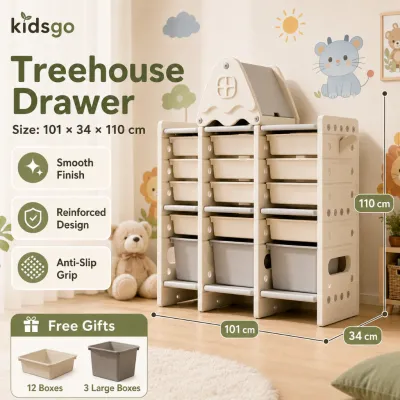
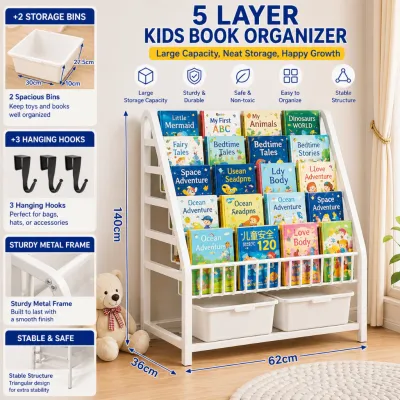
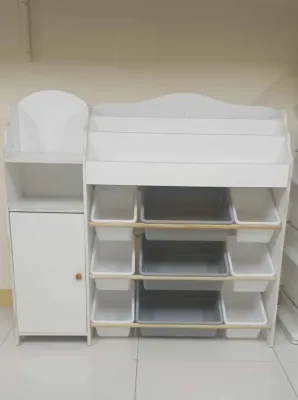
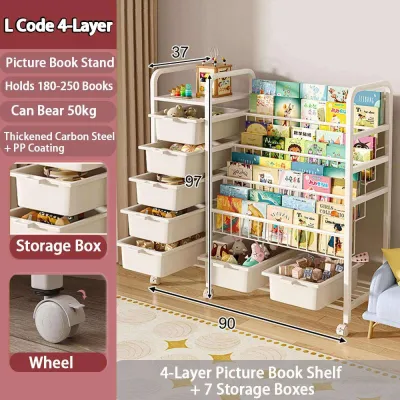
Prices are valid at publication and may change. Please refer to the product page for the latest price.
Examine the physical construction of the shelf for potential injury hazards before finalizing your purchase. Look for rounded corners and smooth edge finishing to prevent cuts and bruises during active play. Inspect the unit for small detachable parts, such as plastic screw covers, decorative caps, or poorly secured dowels, which can easily become choking hazards for curious babies. Furthermore, verify that the surface coatings, paints, or varnishes used on the shelf are certified non-toxic, lead-free, and low in volatile organic compounds (VOCs) to maintain healthy indoor air quality in a closed nursery. Avoid any units that feature glass doors or sharp metal brackets, as these present high-risk hazards in a child’s environment.
Matching Shelf Types to Your Nursery Space and Toy Collection
The structural design of your toy organizer should align with both the physical layout of your nursery and the specific types of toys your child owns. Open cubby shelves and bin organizers represent two distinct approaches to storage, each offering unique advantages. Open cubbies are highly effective for displaying books, larger toys, and structured play sets, allowing children to see their options clearly. This visual clarity supports cognitive development by helping babies make deliberate choices about what they want to play with. However, open cubbies require more effort to keep visually organized and can accumulate dust quickly during dry, windy seasons, requiring regular maintenance.

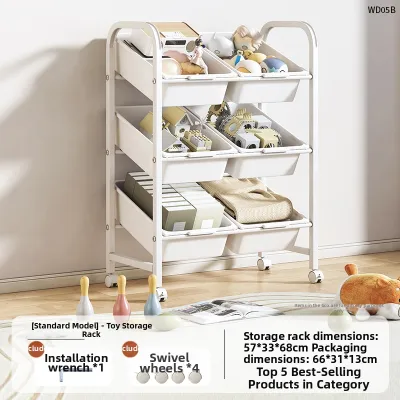
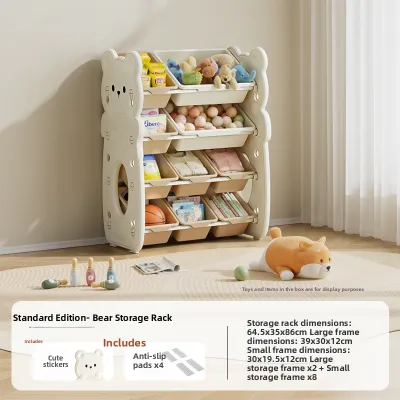
In contrast, bin organizers utilizing angled, removable plastic or fabric containers are excellent for sorting smaller, loose items like building blocks, rattles, and toy cars. These bins allow toddlers to easily retrieve and return items independently, fostering early cleanup habits. The primary trade-off is that deep bins can make it difficult for young children to locate specific toys at the bottom, occasionally leading to them dumping the entire contents onto the floor. To mitigate this, choose shallow bins that keep items visible and easily accessible without the need for excessive rummaging.
For compact nurseries, such as those in urban condominiums or townhouses where floor space is limited, bookshelf-toy combinations are highly efficient. These units combine vertical book slots on the upper levels with open storage or bins on the lower levels, maximizing the utility of a single footprint. When floor space is at a premium, utilizing vertical wall space safely with securely anchored combination units helps keep the play area open and uncluttered. This setup also allows parents to keep delicate books on the higher shelves while keeping durable toys within the child’s reach.
As your child grows, their storage needs will inevitably evolve from holding soft plushies and rattles to accommodating board games, art supplies, and schoolbooks. Choosing modular designs or shelves with adjustable heights provides the flexibility needed to adapt to these changing requirements. Adjustable shelving allows you to reconfigure the spacing as toy sizes change, extending the usable lifespan of the furniture well into the school-age years. Investing in a system that can grow with your child reduces the need for frequent furniture replacements, offering better long-term value.
Evaluating Materials and Durability for Long-Term Use
The choice of material directly influences the durability, maintenance, and safety of a nursery shelf, especially under tropical environmental conditions. Solid wood, such as rubberwood, mahogany, or pine, offers exceptional structural strength and longevity. While solid wood furniture represents a higher initial investment, its robust construction resists warping and can withstand years of heavy use. However, in highly humid regions, untreated or poorly sealed solid wood can absorb moisture, potentially leading to mold growth or wood rot if not properly maintained. Ensure any solid wood shelf is treated with a child-safe, water-resistant sealant to protect it from humidity.
Engineered wood, including medium-density fiberboard (MDF) and particleboard, is a popular and budget-friendly alternative widely available on online marketplaces. While engineered wood provides a smooth finish and modern aesthetic, it is highly susceptible to moisture damage. In the humid climate of the Philippines, unsealed edges on MDF shelves can absorb atmospheric moisture, causing the material to swell, weaken, and crumble over time. If opting for engineered wood, ensure all edges are fully sealed with water-resistant laminates or edge banding to protect the core from humidity, and avoid placing these units in areas prone to dampness.
Plastic toy organizers are lightweight, highly affordable, and completely impervious to moisture and mold, making them exceptionally easy to clean and sanitize. They are an excellent choice for storing bath toys or items prone to spills. However, plastic shelves generally have lower weight capacities and may bow or crack under heavy loads over time. When evaluating plastic options, look for thick, high-density polyethylene (HDPE) or polypropylene (PP) structures that offer better rigidity and are free from harmful chemicals like BPA and phthalates.
Regardless of the base material, the surface coating must be durable enough to withstand frequent cleaning. Nursery furniture requires regular wiping with damp cloths to remove dust, sticky fingerprints, and spills. Ensure the finish is scratch-resistant and does not peel or flake easily, as loose paint chips pose an ingestion hazard. Always check product labels and manufacturer specifications for material certifications, such as formaldehyde emission standards (E1 or CARB Phase 2 compliance) and sustainable wood sourcing claims, to ensure the product meets safety benchmarks.
Designing a Child-Friendly Organization System
An effective toy organizer does more than just store items; it serves as an educational tool that encourages independence and order. Implementing a clear, visual organization system helps toddlers understand where items belong, making cleanup a predictable part of their daily routine. For younger children who cannot yet read, color-coded bins or picture labels attached to the front of storage containers are highly effective. A simple drawing or photo of a building block or a stuffed animal helps the child identify the correct bin immediately, reducing frustration and building confidence.
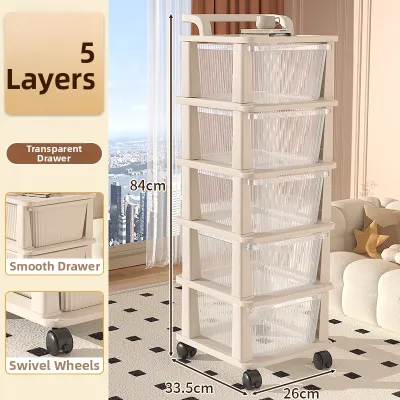
Ergonomics are crucial when designing a system that a child can use independently. The height of the active storage shelves should match the child’s reaching capacity, allowing them to retrieve and put away toys without adult assistance. Pull-out mechanisms, such as lightweight fabric drawers or plastic bins with integrated handles, should be smooth and easy for small hands to operate. Avoid heavy wooden drawers or complex latching systems that could pinch fingers or frustrate a toddler trying to access their toys. Ensuring that bins are lightweight also prevents injury if a child accidentally pulls a bin completely out of the shelf.
Integrating a toy rotation strategy is an excellent way to manage visual clutter and maintain a child’s interest in their playthings. Instead of keeping every toy accessible at once, display a curated selection on the lower, easily reachable shelves. Store the remaining toys in closed storage boxes or on higher shelves out of the child’s direct line of sight. Every few weeks, swap the active toys with those in storage to renew your child’s interest and prevent sensory overload caused by an overcrowded play space. This practice not only keeps play engaging but also makes daily cleanup much faster and less overwhelming for both parent and child.
Building Your Shortlist: What to Verify Before Buying
Before finalizing your purchase on any e-commerce platform or at a local furniture store, compile a checklist of critical specifications to verify. First, confirm the exact dimensions of the shelf, including its length, width, and height, and map these measurements out in your nursery. Ensure there is adequate clearance around the shelf so it does not obstruct doorways, walkways, or crib access, maintaining a safe flow of movement throughout the room. Don’t forget to account for baseboards, which can prevent a shelf from sitting completely flush against the wall unless the unit has a baseboard cutout.
Second, verify the assembly requirements and the tools needed to construct the unit. Many flat-pack organizers require basic tools like screwdrivers or hex keys, which may or may not be included in the packaging. Most importantly, confirm that the product description explicitly states the inclusion of wall-anchoring hardware. If the manufacturer does not provide an anti-tip kit, plan to purchase a compatible, heavy-duty wall strap separately before assembling the unit. Checking customer reviews for feedback on assembly difficulty can also help you prepare for the setup process.
Finally, compare price points in Philippine Pesos (₱) across different materials to find a balance between your budget and the expected lifespan of the furniture. While budget-friendly plastic or basic engineered wood units offer immediate cost savings, high-quality solid wood or reinforced modular systems may provide better long-term value. Additionally, carefully review the return policies and warranty terms offered by the seller or online marketplace, ensuring you are protected against shipping damage, missing hardware, or manufacturing defects. This is especially important for bulky furniture items, where return shipping can be costly and complicated.
Frequently Asked Questions (FAQ)
How high should a toy shelf be for a toddler?
For toddlers aged one to three years, the recommended maximum height for independent reaching and retrieval is between 60 to 90 centimeters. Shelves within this height range allow toddlers to safely see, select, and return toys without stretching or climbing, which minimizes the risk of falls. Any storage tiers above 90 centimeters should be reserved for decorative items, books read exclusively with adult supervision, or toys kept out of reach for rotation. Always supervise young children when they are playing near shelves, even if the unit is securely anchored to the wall.
Are fabric storage bins better than plastic ones for nurseries?
Fabric storage bins and plastic bins each have distinct advantages depending on your nursery’s environment and the types of toys stored. Fabric bins are lightweight, soft, and eliminate the risk of pinched fingers, making them highly suitable for storing plush toys, blankets, and soft baby items. However, in the humid climate of the Philippines, fabric can absorb moisture and dust, making it susceptible to mold and difficult to sanitize without thorough washing. Plastic bins, on the other hand, are highly durable, moisture-resistant, and easy to wipe down, making them ideal for hard toys like building blocks or plastic figures.

Community discussion
Share your experience or ask a question. Comments are reviewed before publication.