
Choosing the right toothbrush for your toddler is a vital step in establishing a lifetime of healthy oral hygiene. To keep your child’s developing teeth and sensitive gums safe, you should look for a toothbrush featuring extra-soft bristles, a compact and rounded brush head, an ergonomic non-slip handle, and built-in safety features like a choke guard. In a tropical climate like the Philippines, where high humidity can accelerate bacterial growth on wet surfaces, selecting a brush that is easy to clean and dry is equally important. By focusing on these key specifications, you can transform a potentially fussy brushing routine into a comfortable, safe, and positive daily habit.
While the market offers a dizzying array of colorful designs and cartoon characters, the most critical factors are always structural safety and developmental fit. A toddler’s mouth is small, their enamel is thin, and their gums are highly sensitive to pressure. A brush that is too large or has stiff bristles can cause physical discomfort, leading to a resistance to brushing that can persist for years. Understanding how to evaluate these physical features ensures you select a tool that protects your child’s oral health while supporting their growing independence.
Assessing Your Toddler's Oral Development Stage
Your toddler’s oral cavity changes rapidly between the ages of one and three. During this period, primary teeth continue to erupt, often causing localized gum swelling, tenderness, and sensitivity. Observing the number of erupted teeth and the condition of your child’s gums is the first step in determining the type of toothbrush they need. For instance, a toddler who only has front incisors requires a different brush head volume than a toddler whose primary molars have begun to emerge, creating deeper crevices that are harder to reach.
Products mentioned in this guide
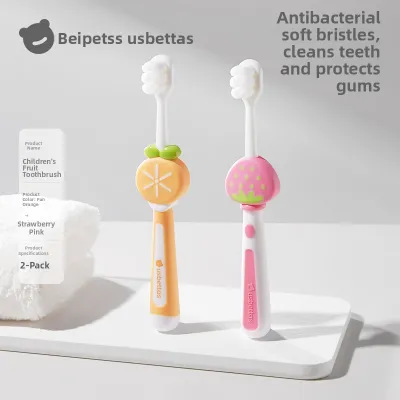
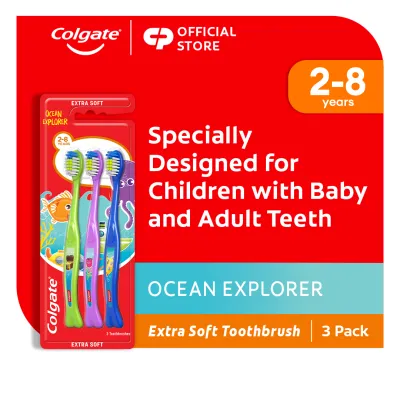
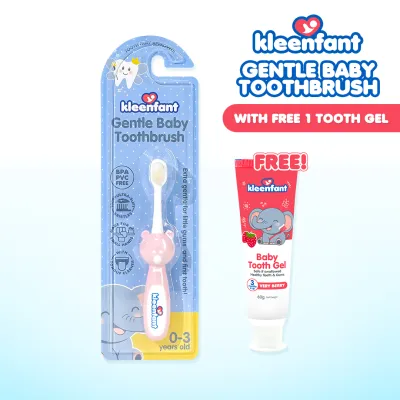
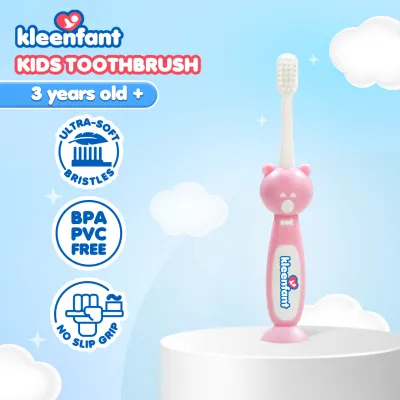
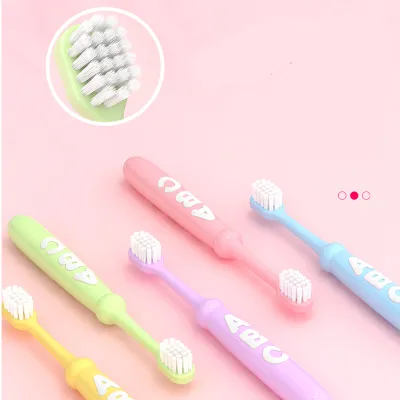
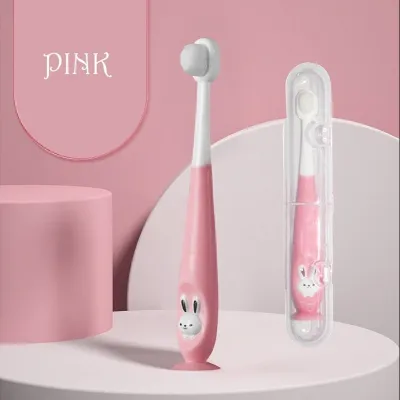
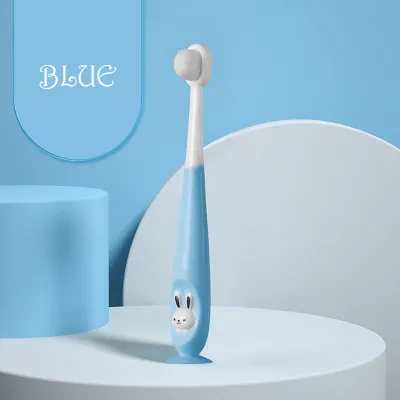
Prices are valid at publication and may change. Please refer to the product page for the latest price.
When shopping for a toothbrush, always check the manufacturer’s age grading on the product packaging. These age recommendations are not arbitrary; they correspond to standardized mouth sizes and developmental milestones. A brush labeled for ages 1 to 2 typically features a much smaller head and a thicker handle than one designed for ages 3 to 5. Matching the brush to these guidelines ensures that the physical dimensions of the tool align with your child’s anatomical development.
Additionally, you must consider your child’s current chewing and biting habits. Toddlers frequently bite down on toothbrush heads during cleaning, which can damage the bristles or cause them to shed. If your toddler is in an active biting phase, look for brushes designed to withstand this pressure, or consider starting with a soft silicone training brush before transitioning to nylon bristles. Observing these milestones allows you to choose a brush that is both durable and gentle on tender tissues.
Evaluating Bristle Softness and Head Size
Bristle texture is perhaps the most critical factor in preventing gum irritation and protecting delicate primary tooth enamel. You should exclusively look for labels that specify “extra soft” or “soft” bristles. Stiff, medium, or hard bristles can easily scratch the thin enamel of toddler teeth and cause painful micro-tears in the gum tissue. If a brush does not explicitly state the bristle softness on the packaging, it is best to avoid it in favor of a verified soft option.

Beyond softness, the shape of the bristle tips plays a significant role in oral safety. High-quality toddler toothbrushes feature rounded or polished bristle tips, which glide smoothly over the teeth and gums. Flat-cut or jagged bristles can be abrasive, leading to discomfort that might make your toddler dread brushing time. While you cannot easily see these rounded tips with the naked eye, choosing reputable brands that highlight “end-rounded bristles” on their packaging is a reliable way to verify this feature.
The size of the brush head must also be carefully matched to your toddler’s mouth. A brush head that is too large will not fit into the tight spaces between the cheeks and the back teeth, leaving the newly erupted molars vulnerable to plaque buildup. Ideally, the brush head should be small enough to clean only one or two teeth at a time. A compact, oval, or teardrop-shaped head with a rubberized border is highly recommended, as it cushions the impact if your toddler accidentally bumps the brush against their gums or cheeks.
Checking Handle Design for Toddler Grip and Parental Control
At this developmental stage, brushing is a collaborative effort. While toddlers want to mimic adults and brush independently, they lack the fine motor skills to clean their teeth effectively. Therefore, a toddler toothbrush handle must accommodate two distinct grips: the child’s clumsy grasp and the parent’s guiding hand. Look for a chunky, ergonomic handle with a non-slip rubberized grip that fits comfortably into a toddler’s small fist, helping them build confidence as they practice holding the brush.
At the same time, the handle should be long enough or shaped in a way that allows you to easily take control when it is time to do the actual cleaning. Some specialized toddler brushes feature extended necks or dual-handle designs, giving parents a dedicated space to hold and guide the brush simultaneously. This dual-control feature is incredibly helpful for ensuring that all tooth surfaces are thoroughly cleaned without wrestling the brush away from an eager toddler.
Safety must also be integrated into the handle’s length and shape. A handle that is too thin or too long can pose a hazard if the child slips or pushes the brush too far into their mouth. A wide, flat, or circular handle base serves a dual purpose: it prevents the brush from rolling around when placed on a flat surface, and it naturally limits how far the brush can be inserted into the mouth. This structural design provides an extra layer of safety during active brushing sessions.
Verifying Safety Features and Material Standards
Safety features are paramount when selecting any product that goes into a toddler’s mouth. One of the most effective safety elements to look for is a physical choke guard or safety ring. This is a wide, circular shield that attaches to the neck of the toothbrush, acting as a barrier that prevents the brush from being pushed too deep into the throat. Whether built into the handle design or provided as a removable attachment, a choke guard offers peace of mind, especially during moments when your toddler insists on holding the brush themselves.
Material composition is another critical area that requires strict verification. Always inspect the packaging to confirm that the toothbrush is made from non-toxic, BPA-free, and phthalate-free materials. Because toddlers naturally chew on their brushes, the plastics, rubbers, and silicones used must be completely safe for ingestion. Look for food-grade silicone or high-quality, medical-grade plastics that do not leach harmful chemicals when exposed to saliva and warm water.
Finally, pay close attention to how the bristles are anchored to the brush head. In cheaply manufactured brushes, bristles can easily pull loose, presenting a serious choking hazard if swallowed. High-quality toddler toothbrushes use secure stapling or advanced molding techniques to lock the bristles firmly in place. Before purchasing, or before each use, give the bristles a gentle tug to ensure they are securely anchored and do not shed easily.
Step-by-Step Selection and Inspection Checklist
To make the buying process straightforward, whether you are shopping at a local baby boutique or browsing online marketplaces, follow this systematic checklist to evaluate your options:
- Read the Age Grading: Start by filtering your choices to match your child's exact age bracket (e.g., 12–24 months or 2–3 years) to ensure the basic dimensions are appropriate.
- Verify Material Safety: Look for explicit labels indicating "BPA-free," "phthalate-free," and "non-toxic materials" on the packaging.
- Confirm Bristle Softness: Ensure the packaging clearly states "extra soft" or "soft" bristles. Avoid any product that lacks this designation.
- Check for a Safety Shield: Look for brushes that include a built-in or removable choke guard to prevent over-insertion.
- Inspect the Build Quality (In-Store): If buying in person, run your finger over the plastic seams of the handle and head. They should be perfectly smooth, with no sharp edges or rough plastic molding leftovers that could scratch your child's mouth.
- Examine Bristle Density: Look for a dense, even distribution of bristles. Sparse or uneven bristles may wear out quickly and clean less effectively.
- Read Online Reviews and Manuals (Online): If purchasing online, zoom in on product photos, read the manufacturer's detailed specifications, and check user reviews to see if other parents report issues with bristle shedding or handle durability.
By systematically running through these checks, you can confidently select a toothbrush that is safe, durable, and perfectly suited to your toddler’s needs.
Establishing a Replacement and Hygiene Routine
Once you have selected the perfect toothbrush, maintaining its hygiene is essential for your toddler’s health. Toddlers are notoriously hard on toothbrushes; they often chew on the head, which causes the bristles to fray, splay, and lose their cleaning effectiveness much faster than an adult’s brush. Perform a quick visual inspection of the brush head every week. If you notice the bristles are spreading outward, pointing in different directions, or looking worn, it is time to replace the brush immediately, regardless of how long you have owned it.
Even if the brush looks physically intact, manufacturers generally recommend replacing a toddler’s toothbrush every three months. This regular rotation is crucial because bacteria and microscopic food particles can accumulate deep within the bristle base over time. If your child has recently recovered from an illness, such as a cold, flu, or throat infection, it is highly recommended to discard the old toothbrush immediately and start fresh to prevent reinfection.
In the warm and highly humid climate of the Philippines, proper storage is critical to prevent the growth of mold and mildew on the brush. After each use, rinse the toothbrush thoroughly under running water to remove all traces of toothpaste and food debris. Shake off excess water vigorously, and store the brush upright in an open-air holder. Avoid using closed plastic caps or storing the wet brush inside a dark cabinet, as these enclosed, damp environments create the perfect breeding ground for bacteria. Allowing the brush to air-dry completely in a well-ventilated area is the best way to keep it clean and safe for the next use.
Frequently Asked Questions (FAQ)
Can I use a regular children's toothbrush for my toddler?
No, you should avoid using a toothbrush designed for older children (typically ages 5 and up) for a toddler. Older children’s toothbrushes have significantly larger brush heads and longer, firmer bristles that can easily bruise a toddler’s delicate gums and scratch their thin tooth enamel. Additionally, the handles on older children’s brushes are designed for more advanced motor skills, making them too thin and difficult for a toddler to grip safely, while lacking the safety guards necessary to prevent choking.
Should I choose an electric or manual toothbrush for my toddler?
For most toddlers, a manual toothbrush is the preferred starting point because it allows them to get used to the sensation of brushing without the added distraction of noise and vibration. However, if your toddler is highly resistant to brushing, a gentle, battery-operated electric toothbrush designed specifically for toddlers can sometimes make the process more engaging. If you choose an electric model, ensure it is age-graded for toddlers, features a very gentle vibration setting, and is always used under strict parental supervision to prevent accidental injury.
How do I know if the toothbrush is too big for my toddler's mouth?
You can tell a toothbrush is too big if your toddler consistently gags, struggles to close their lips around the brush head, or shows signs of discomfort when you try to clean their back teeth. Another clear sign is if you cannot easily maneuver the brush head into the space between their back molars and the inside of their cheeks. If brushing causes your child to wince or pull away even with gentle pressure, the brush head may be too bulky, and you should switch to a smaller, more compact size.

Community discussion
Share your experience or ask a question. Comments are reviewed before publication.