
Choosing the right toothbrush for a two-year-old involves balancing safety, comfort, and developmental readiness. At this age, toddlers are transitioning from passive oral care to active participation, making the physical specifications of their toothbrush critical. The features that matter most are extra-soft bristles to protect delicate gums, a compact brush head sized for tiny mouths, and an ergonomic handle designed for shared control between parent and child. In a warm, humid climate like the Philippines, material hygiene and quick-drying designs also play a vital role in preventing bacterial growth on oral care tools. Selecting the correct tool ensures that early brushing sessions are comfortable, effective, and free from unnecessary irritation.
Understanding Your 2-Year-Old's Oral and Motor Needs
At two years old, a toddler’s mouth is undergoing rapid changes as primary teeth continue to emerge. This stage marks a significant transition from infant gum massagers, silicone finger brushes, or damp washcloths to standalone toothbrushes with actual bristles. The primary goal shifts from simply soothing teething discomfort to actively removing plaque and food debris from newly erupted molars. Because these early teeth have relatively thin enamel, they require gentle but thorough cleaning to prevent early childhood caries.
Physically, a two-year-old is still developing basic fine motor skills and hand-eye coordination. Their grip is primarily a palmar grasp, meaning they use their entire fist to hold objects rather than their fingers. They lack the wrist flexibility and control required to navigate the complex angles of their own mouth. While they may show a strong desire for independence and want to hold the brush themselves, their movements are often erratic and lack the precision needed to clean hard-to-reach surfaces.
Products mentioned in this guide
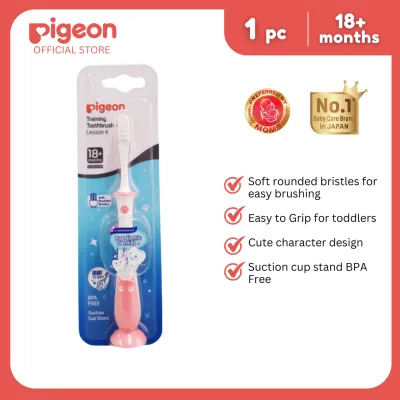
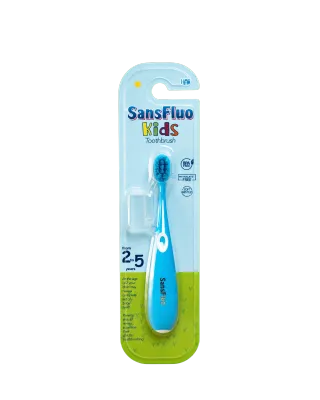
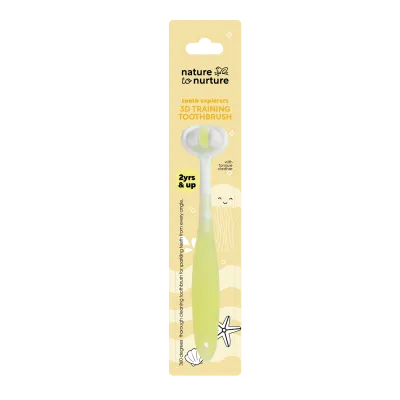
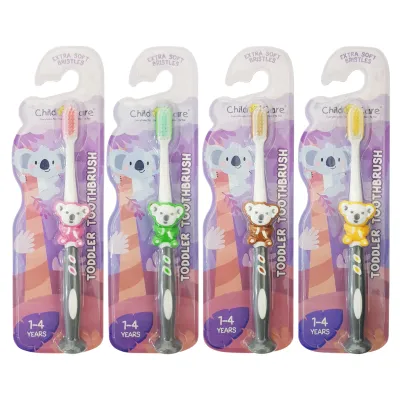
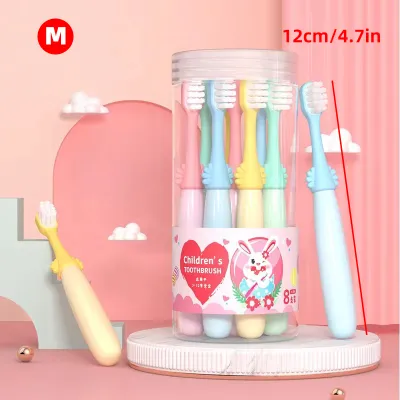
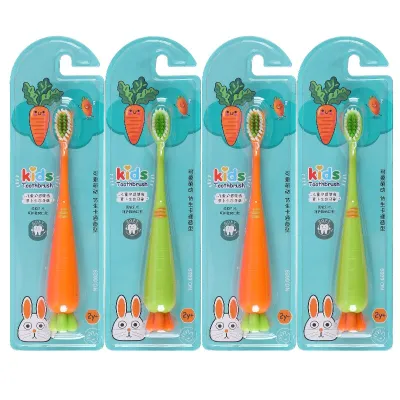
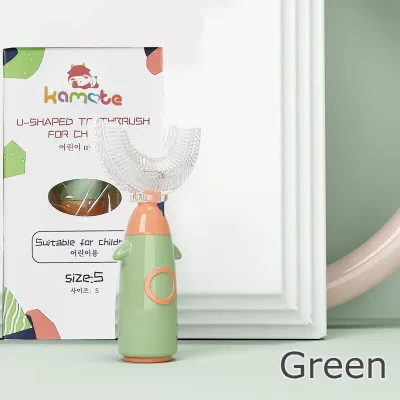
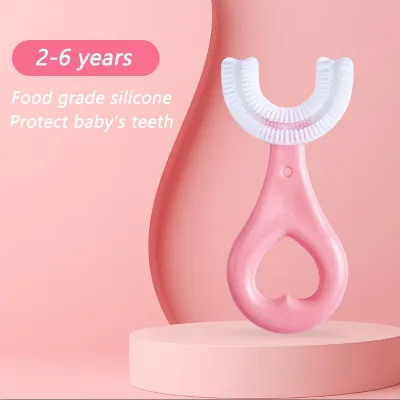
Prices are valid at publication and may change. Please refer to the product page for the latest price.
Consequently, caregiver supervision and active assistance are absolutely essential during every brushing session. A toddler cannot thoroughly clean their own teeth at this developmental stage. The toothbrush you select must accommodate this dual reality: it must be easy and safe for a learning toddler to hold, yet highly functional for a parent who must step in to complete the brushing process. Understanding this balance helps you look past flashy cartoon designs and focus on the structural features that support both learning and effective cleaning.
How to Check Bristle Softness and Head Size
The brush head is the most critical component of a toddler’s toothbrush, as it directly contacts the sensitive oral tissues. When evaluating bristles, always look for packaging explicitly labeled “extra soft” or “ultra soft.” Avoid any brush labeled “medium” or “hard,” as these can easily scratch a toddler’s delicate gums and wear down their thin tooth enamel. To verify the softness before use, you can perform a simple physical test by gently pressing and rubbing the bristles against the highly sensitive skin on the inside of your wrist or the back of your hand. The bristles should bend easily without poking, scratching, or leaving red marks.

In addition to softness, pay close attention to the tips of the bristles. High-quality toddler toothbrushes feature end-rounded or tapered bristles rather than flat-cut nylon. Flat-cut bristles can have sharp, jagged microscopic edges from the manufacturing process, which can cause micro-abrasions on the gums. Rounded tips glide smoothly over the gum line, ensuring a comfortable experience that does not make the child fear brushing.
The size of the brush head must be carefully matched to the small dimensions of a two-year-old’s mouth. A brush head that is too large will cause gagging, make it impossible to reach the back molars, and potentially bruise the inside of the cheeks. As a general rule, the brush head should be small enough to cover only one and a half to two tiny teeth at a time. Look for a compact, oval, or teardrop-shaped head with a rubberized or padded back to cushion accidental bumps against the gums and teeth during sudden movements.
How to Evaluate Handle Design for Shared Brushing
Because brushing a toddler’s teeth is a collaborative effort, the handle design must serve two distinct users. For the toddler, the handle needs to be chunky, wide, and easy to grasp with a full fist. Look for handles featuring textured rubber grips, raised ridges, or ergonomic contours that prevent the brush from slipping out of wet, soapy hands. A secure grip builds the child’s confidence as they practice holding the brush and mimicking your movements.
For the parent, the handle must allow you to comfortably guide the brushing motion. Some specialized toddler brushes feature dual-grip handles, which have a larger loop or an extended section designed specifically for an adult’s hand to hold simultaneously. Alternatively, look for an elongated or slightly angled neck that gives you a clear line of sight into the back of your child’s mouth without your hand blocking the view. This structural design helps you maintain a gentle, controlled pressure while reaching the tricky rear molars.
Safety must also guide your handle evaluation. Avoid toothbrushes with excessively long, thin, or rigid handles that resemble adult brushes, as well as those with heavy decorative elements. If a toddler loses their balance or trips while holding a long, rigid brush, it poses a severe risk of throat or mouth injury. Opt for lightweight, flexible handles with rounded ends, and ensure the child remains seated or standing still under your direct supervision throughout the entire brushing routine.
How to Verify Safety Labels and Material Specifications
Before purchasing any toddler toothbrush, carefully inspect the packaging for essential safety certifications and material disclosures. Because toddlers frequently chew on their toothbrushes, the materials must be completely non-toxic and free from harmful chemicals. Look for clear labels indicating the product is BPA-free, phthalate-free, and PVC-free. These chemical stabilizers are common in cheap plastics but can pose health risks when chewed on regularly.
Always check the specific age grading on the packaging rather than relying on a generic “kids” label. A brush labeled for “Ages 5+” or “Youth” will have a head that is far too large and bristles that are too stiff for a two-year-old. Look for products explicitly marked for “Ages 2-4,” “Toddler,” or “First Teeth.” These age-specific classifications ensure the brush has been scaled to the anatomical dimensions and safety requirements of a younger child.
Additionally, inspect the physical construction of the brush to ensure there are no small, detachable parts that could become choking hazards. Some novelty brushes feature snap-on caps, decorative charms, or poorly secured battery compartments that can easily break off. The brush head should be a single, solid molded piece with the bristles securely anchored into the head. Give the bristles a firm tug before the first use to verify that they do not shed or pull out easily, which could lead to accidental inhalation or swallowing.
How to Introduce the Toothbrush and Supervise Brushing
Introducing a new toothbrush to a two-year-old requires patience and a structured approach to make the routine enjoyable. To ensure safety and maximum visibility, position your child securely before you begin. A highly effective method is the lap-to-lap position, where two caregivers sit facing each other, or a single caregiver sits on the floor with the child’s head resting gently in their lap. Alternatively, have your child stand on a sturdy step stool in front of the bathroom mirror, standing behind them so you can look down into their mouth while guiding their hand.
When applying toothpaste, strictly follow pediatric guidelines for a two-year-old. Use only a tiny smear of fluoride toothpaste, roughly the size of a single grain of rice. This minimal amount ensures that even if the toddler swallows the toothpaste instead of spitting it out, the intake remains well within safe limits. Avoid using a large, pea-sized dollop, which is only recommended for children over three who have mastered the ability to spit reliably.
Establish a clear “parent finishes the job” routine from the very beginning. Allow your toddler to take the lead first, letting them chew, brush, and explore the brush in their mouth to foster independence. Once they have finished their turn, gently take over to brush all surfaces systematically—the outer, inner, and chewing surfaces of every tooth. Keep the mood light by singing a short song or playing a two-minute timer to establish a consistent, positive habit.
How to Maintain and Know When to Replace the Brush
Proper maintenance of a toddler’s toothbrush is essential for oral hygiene and preventing the spread of bacteria. After every brushing session, rinse the toothbrush thoroughly under warm running water to remove all traces of toothpaste, food debris, and saliva. Shake off the excess water vigorously. In the tropical, high-humidity climate of the Philippines, storing the brush correctly is vital; always store it upright in an open cup or holder where air can circulate freely around the brush head. Avoid using closed plastic caps or travel cases for daily storage, as the trapped moisture creates an ideal breeding ground for mold and bacteria.
Regularly perform visual inspections of the toothbrush to determine when it needs to be replaced. Look closely at the bristles: if they appear frayed, splayed, bent outward, or discolored, the brush has lost its cleaning efficiency and must be discarded immediately. Splayed bristles cannot clean plaque effectively and can scrape the gums. Even if the brush looks perfectly fine, plan to replace it every three months as a standard hygienic practice.
Furthermore, always replace the toothbrush immediately after your child recovers from an illness, such as a cold, flu, or throat infection. Pathogens can linger within the dense bristle clusters, potentially causing reinfection or spreading germs to other family members if stored closely together. Keeping a spare, unopened toddler toothbrush in your cabinet ensures you can make a quick swap whenever necessary without disrupting their daily oral care routine.
Frequently Asked Questions (FAQ)
Can a 2-year-old use an electric toothbrush?
Yes, a two-year-old can use an electric toothbrush, provided it is specifically designed for toddlers and used under strict parental supervision. When shopping, verify that the packaging explicitly states it is suitable for ages two and up, as these models feature much gentler vibrations and smaller brush heads than adult versions. Some toddlers enjoy the tickling sensation and the novelty of a vibrating brush, which can make brushing sessions more cooperative. However, other children may be frightened by the noise or vibration; if your child resists, do not force it, and stick to a manual brush. Parents must still hold and guide the electric brush to ensure all tooth surfaces are cleaned.
Should the toothbrush have a tongue cleaner on the back?
A built-in tongue cleaner made of soft silicone ridges on the back of the brush head can be a useful feature, but it is not strictly necessary for a two-year-old. If your toddler tolerates it, a gentle swipe over the tongue can help remove bacteria and freshen breath. However, many two-year-olds have a highly sensitive gag reflex, and rubbing the back of the brush head against their tongue may cause discomfort or resistance to brushing altogether. If your child dislikes the texture or gags easily, skip the tongue cleaner entirely and focus solely on cleaning their teeth with the soft bristles.

Community discussion
Share your experience or ask a question. Comments are reviewed before publication.