
Selecting a toddler toothbrush requires matching physical specifications to your child’s developing teeth and small mouth. The most critical features to prioritize are a compact, rounded brush head, extra-soft bristles, and an ergonomic handle that allows both parent and child to maintain a secure grip. In warm, humid environments like the Philippines, ensuring the brush is easy to clean and dry is also essential for maintaining daily hygiene.
By focusing on a few key design elements and safety labels, you can make brushing a comfortable, safe, and effective part of your child’s daily routine. Understanding what to look for on the packaging and how to inspect the physical product will help you select a brush that protects sensitive gums while thoroughly cleaning hard-to-reach areas.
Brush Head Size and Shape for Small Mouths
The size and shape of the brush head determine how easily you can navigate your child’s mouth. A toddler’s oral cavity is small, and their jaw is still developing. If a brush head is too large, it will be difficult to maneuver around the back teeth, and it may cause discomfort or trigger a sensitive gag reflex.
Products mentioned in this guide
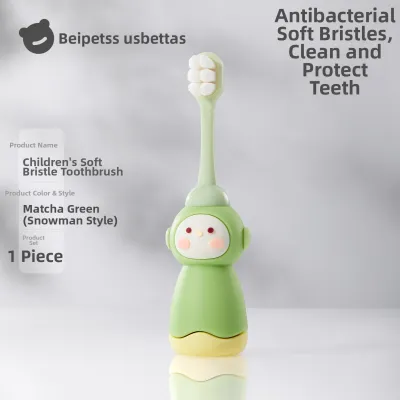
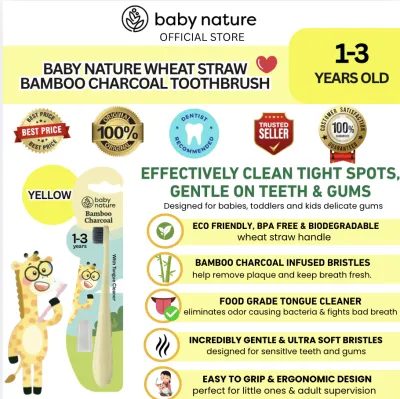
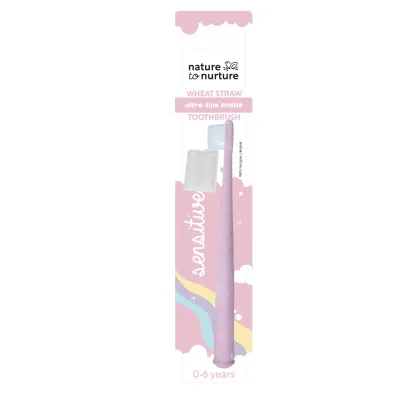
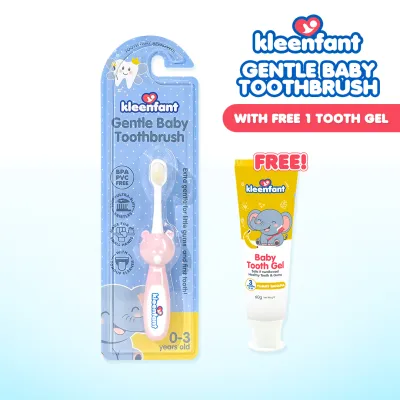
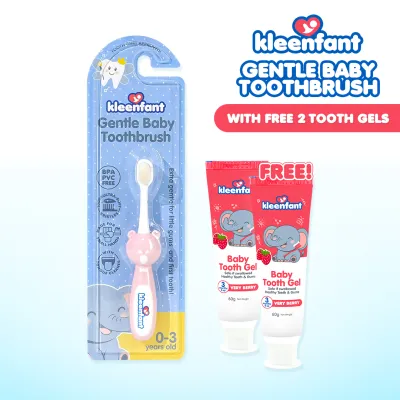
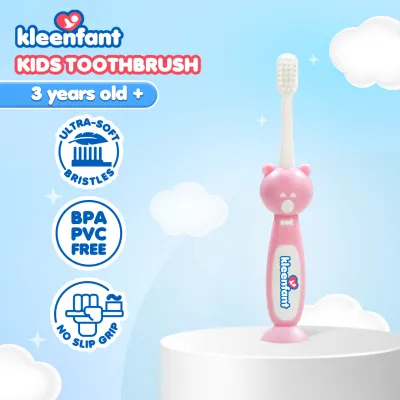
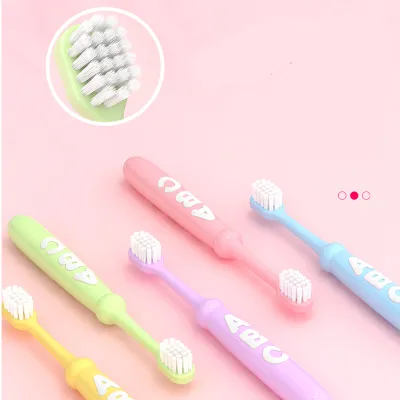

Prices are valid at publication and may change. Please refer to the product page for the latest price.
When browsing options at local baby stores or online marketplaces, always check the manufacturer’s age recommendations on the packaging. These guidelines are designed to match the average oral dimensions of children at specific developmental stages. For toddlers, look for brushes explicitly labeled for ages one to three years.
In addition to age labels, look for a compact, rounded head shape. Oval or tapered heads are generally easier to guide along the inside of the teeth and around the back molars. Before using a new brush, you can perform a quick visual check by holding the brush head near your toddler’s fingernails; the bristle area should be small enough to clean just one or two teeth at a time.
Bristle Softness and Gum Protection
Toddler gums are highly sensitive, especially during teething periods when new molars are erupting. Additionally, primary tooth enamel is thinner and more delicate than adult enamel. Using the wrong bristle texture can cause irritation, leading to resistance during brushing sessions and potential damage to the gum tissue.

Always verify that the packaging is clearly labeled “extra soft” or “soft.” Avoid any products that do not specify bristle stiffness, as standard or medium bristles are too abrasive for early childhood oral care. Soft bristles effectively sweep away food particles and plaque without scratching the teeth or irritating the gumline.
To verify the quality before use, gently run your clean thumb across the bristle tips. The bristles should feel smooth, flexible, and rounded at the ends rather than sharp, stiff, or unevenly cut. High-quality nylon bristles are standard, but they must be checked regularly to ensure they remain gentle on your child’s mouth.
Handle Design for Grip and Control
At the toddler stage, brushing is a collaborative effort. While toddlers often want to practice brushing independently to build their motor skills, parents must perform the actual, thorough cleaning. The handle design must accommodate both of these needs to ensure safety and control.
Look for a thick, chunky handle with a non-slip, rubberized grip. These ergonomic designs are easier for small, developing hands to grasp, helping your toddler practice their hold. A secure grip prevents the brush from slipping out of their hands and causing accidental injury to the mouth or face.
For parents, a longer handle or a dual-grip design is highly beneficial. This allows you to comfortably hold the brush from behind or alongside your child to guide their movements and reach the back teeth effectively. Some toddler brushes also feature built-in protective rings or wide bases that act as choking guards, preventing the brush from being pushed too far into the throat during independent play.
Material Safety and Age Labels
Because toddlers naturally bite and chew on their toothbrushes, material safety is a paramount consideration. You must ensure that every part of the toothbrush is made from non-toxic, durable materials that can withstand daily wear and tear without breaking or releasing harmful chemicals.
Carefully read the product packaging to verify “BPA-free” and “phthalate-free” claims. These labels indicate that the plastics and rubbers used in the handle and head do not contain common chemical additives. Checking for reputable manufacturing standards on the label provides an extra layer of reassurance.
Inspect the physical construction of the toothbrush before purchasing or using it. Avoid brushes with small, detachable decorative parts, glued-on ornaments, or weak joints between the head and the handle. Toddlers have surprisingly strong bites, and weak plastic joints or peeling rubber grips can quickly become choking hazards if they snap off during brushing.
When to Replace and Maintain the Toothbrush
Maintaining a toddler toothbrush is just as important as choosing the right one. In warm, tropical climates, high humidity levels can cause moisture to linger on bristles, creating an environment where bacteria and mold can accumulate if the brush is not stored correctly.
Inspect the bristles weekly for visible signs of wear. If you notice splaying, fraying, or bent bristles, the brush will no longer clean effectively and should be replaced immediately. Bent bristles can also scrape the gums. Even if the brush looks clean, general guidelines suggest replacing it every three months, or sooner if your child has recently recovered from an illness.
After each use, rinse the toothbrush thoroughly under running water to remove all remaining toothpaste and food debris. Shake off excess water and store the brush upright in an open cup or holder. Avoid using closed travel caps or storing the brush in damp, unventilated cabinets, as open-air drying is crucial for keeping the bristles hygienic.
Frequently Asked Questions (FAQ)
Can I use a regular baby toothbrush for a toddler?
Infant toothbrushes, such as silicone finger brushes or very small starter brushes, are designed primarily for cleaning front teeth and soothing tender gums during early teething. As your child grows and erupts their back molars, these infant brushes become too small to cover the larger surface areas of the teeth. Transitioning to a dedicated toddler toothbrush ensures the bristles are long and dense enough to clean all tooth surfaces effectively.
Should I choose a manual or electric toothbrush for my toddler?
Both manual and electric toothbrushes can clean a toddler’s teeth effectively when used with the correct technique and active parental supervision. Electric toothbrushes can make the routine more engaging for toddlers who resist brushing, but they are not a requirement for good oral hygiene. If you choose an electric model, always check the manufacturer’s minimum age rating on the packaging and supervise your child closely to prevent them from chewing on the vibrating brush head.

Community discussion
Share your experience or ask a question. Comments are reviewed before publication.