
Selecting the right toothbrush for your toddler requires focusing on three core physical features: extra-soft bristles to protect delicate gums, a small and rounded brush head that fits comfortably in a compact oral cavity, and an ergonomic, non-slip handle designed for both tiny hands and parental guidance. As your child transitions from infancy to toddlerhood, their oral care needs shift dramatically. Choosing a brush tailored specifically to this developmental stage ensures effective plaque removal while preventing micro-abrasions on emerging enamel.
Establishing a positive oral hygiene routine early in life sets the foundation for long-term dental health. However, navigating the wide array of children’s dental products can be overwhelming for parents. By understanding the specific design elements that make a toothbrush safe and easy to use, you can confidently select a product that supports your child’s developing independence while ensuring their teeth are thoroughly cleaned.
Why Toddler Toothbrushes Differ from Infant and Adult Brushes
The transition from infancy to toddlerhood is marked by rapid dental development. During infancy, oral care primarily focuses on soothing sore gums and cleaning the first few erupting incisors, often using a soft silicone finger brush or a damp cloth. As your child reaches toddlerhood, typically between twelve and thirty-six months, primary molars begin to emerge. These back teeth feature deep grooves and fissures that easily trap food particles and plaque, requiring a more robust cleaning tool than a simple silicone textured surface.
Products mentioned in this guide
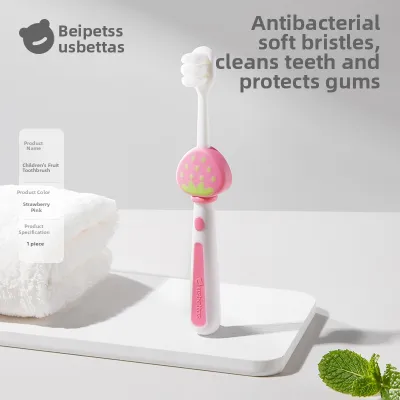
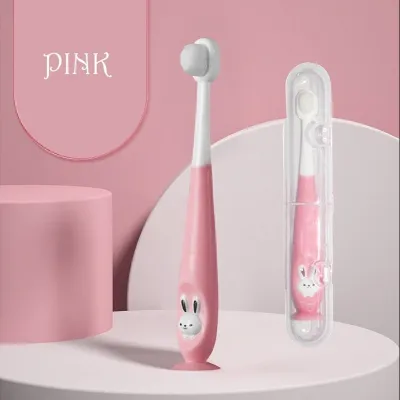
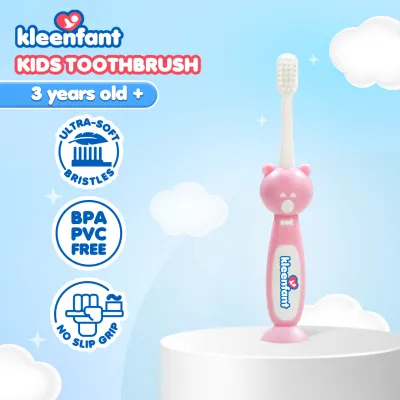
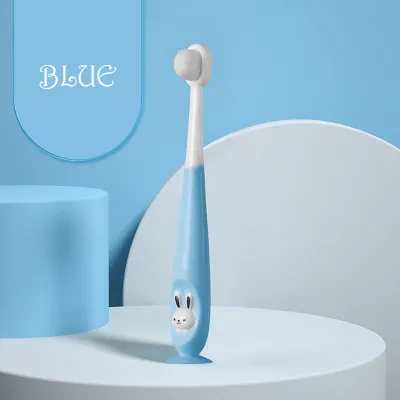
Prices are valid at publication and may change. Please refer to the product page for the latest price.
A toddler’s oral cavity is significantly smaller and more delicate than an adult’s, meaning that adult toothbrushes are entirely unsuitable. Using a brush with a head that is too large can cause gagging, discomfort, and accidental bruising of the inner cheeks or soft palate. Furthermore, adult bristles are often too stiff and densely packed for a toddler’s thin tooth enamel and highly vascularized gums. Using an inappropriate brush can lead to gum recession, pain, and a subsequent resistance to brushing altogether.
This developmental stage also marks the beginning of guided independence. Toddlers are eager to mimic adult behaviors and want to hold the brush themselves, yet they lack the fine motor skills and hand-eye coordination required to clean their teeth effectively. A toddler-specific toothbrush is engineered to bridge this gap. It features a design that allows the child to practice gripping and brushing, while still providing the necessary access and control for a parent to perform the actual, thorough cleaning afterward.
Essential Design Features to Evaluate
When evaluating toothbrushes for your toddler, it is helpful to break down your assessment into three critical physical dimensions: bristle texture, head geometry, and handle ergonomics. Each of these elements plays a distinct role in ensuring the brushing experience is both safe and effective. A deficiency in any of these areas can compromise plaque removal or cause physical discomfort, leading to a challenging routine for both parent and child.

These three dimensions must work in harmony to accommodate the unique anatomy of a toddler’s mouth. The bristles must clean without causing irritation, the head must navigate tight spaces without poking, and the handle must allow for a secure grip by two very different hand sizes. Prioritizing these features during your selection process will help you filter out poorly designed products and focus on those that truly support your child’s oral health.
Bristle Softness, Texture, and Density
The bristles are the only part of the toothbrush that should make direct contact with your toddler’s teeth and gums, making their quality paramount. Always verify that the packaging explicitly states “extra-soft” or “soft.” Toddler enamel is much thinner than adult enamel, making it highly susceptible to wear from abrasive materials. Extra-soft nylon bristles are designed to bend easily, allowing them to sweep away plaque and food debris without scratching the enamel or irritating the delicate gingival margins.
In addition to softness, pay close attention to bristle density and arrangement. High-quality toddler brushes feature densely packed, evenly distributed bristle tufts with rounded ends. This rounded-end technology is crucial; it ensures that the tip of each individual bristle is smooth and polished rather than sharp or jagged. Poorly manufactured brushes often have unevenly cut bristles that can cause micro-abrasions on the gums, leading to soreness and an increased risk of localized irritation.
To evaluate bristle quality before use, run a clean thumb across the brush head to feel the texture and flexibility. The bristles should feel velvety and resilient, springing back into place immediately without feeling stiff or prickly. If the bristles feel rigid, or if you notice any loose fibers that could easily detach during brushing, discard the brush. Loose bristles pose a choking hazard and indicate poor manufacturing quality.
Head Size and Shape for Small Mouths
The geometry of the brush head determines how easily you can navigate the tight spaces of your toddler’s mouth. The ideal brush head should be compact, measuring approximately one and a half to two centimeters in length, or roughly the width of two of your toddler’s lower incisors. A head of this size can comfortably reach the outer, inner, and chewing surfaces of the back molars without forcing the child to stretch their mouth uncomfortably wide.
Shape is equally important for preventing accidental injury. Look for brush heads with a rounded or tapered silhouette. Avoid any designs with sharp corners or blocky edges, as these can easily scrape the sensitive inner lining of the cheeks or the gums if the child makes a sudden movement. Some toddler toothbrushes feature a soft, rubberized coating around the outer edge of the brush head, which provides an extra layer of cushioning against accidental impacts.
Finally, examine the neck of the toothbrush, which connects the head to the handle. The neck should be slender enough to fit comfortably between the toddler’s lips without stretching them, yet sturdy enough to withstand biting. Toddlers frequently bite down on the brush head during cleaning. A neck with slight flexibility can help absorb excess pressure, preventing the brush from snapping or causing sudden jolts to the teeth if the child bites down unexpectedly.
Handle Grip, Length, and Control
A toddler’s grip is fundamentally different from an adult’s. Toddlers use a palmar grasp, holding objects tightly in their fist rather than using their fingers for precise control. To accommodate this, a toddler toothbrush should feature a thick, chunky handle that fits comfortably within a small fist. Look for handles with textured, rubberized, or silicone grips that prevent slipping, even when wet with water and toothpaste.
The length of the handle must serve a dual purpose. While a short, stubby handle is easy for a toddler to hold, it can make it incredibly difficult for a parent to assist. Because toddlers cannot clean their own teeth effectively, parents must guide the brushing process. A slightly longer handle, or one specifically designed with a dual-grip zone, allows the parent to place their hand over the child’s hand or hold the end of the brush to control the brushing motion comfortably.
In humid tropical climates, handle materials require careful consideration to maintain hygiene. Rubberized and textured grips can easily trap moisture, saliva, and toothpaste residue, creating an ideal breeding ground for mold and bacteria. Choose handles with smooth transitions between the plastic and rubber elements, avoiding deep crevices where grime can accumulate. Ensure the handle is easy to wash, rinse, and wipe dry after every use.
Manual vs. Electric Toothbrushes for Toddlers
Deciding between a manual and an electric toothbrush for your toddler depends largely on your child’s sensory preferences, developmental readiness, and cooperation. Manual toothbrushes are the traditional choice and offer several distinct advantages. They are lightweight, silent, and give the parent complete control over the speed, pressure, and angle of the brushing motion. This makes manual brushes highly predictable and less intimidating for young children who may be sensitive to new sensations.
Electric toothbrushes, on the other hand, can introduce an element of novelty that encourages cooperative brushing. The gentle vibrations of a toddler-specific electric brush can help loosen plaque with minimal manual scrubbing, which is beneficial if your child has a short attention span. However, the sensory experience of an electric brush is not suitable for every toddler. The humming sound and the vibrating sensation against the teeth and gums can be overwhelming or frightening for some children, leading to resistance.
From a developmental standpoint, using an electric brush requires a different set of skills. A toddler must learn to hold the vibrating brush head still against each tooth surface rather than scrubbing vigorously, which can be a difficult concept for a young child to grasp. Additionally, if a toddler has a habit of biting down hard on the brush, the mechanical movement of an electric head against clenched teeth can cause discomfort or minor dental trauma. Caregiver supervision is absolutely mandatory to ensure the child does not chew on the moving parts.
Cost and maintenance are also practical factors to weigh. Manual toothbrushes are inexpensive and easy to replace regularly. Electric toothbrushes require a higher initial investment, ongoing battery replacements or charging, and a steady supply of compatible replacement heads, which may not always be readily available on local e-commerce platforms. If you choose an electric model, ensure it is specifically rated for toddlers, features a waterproof battery compartment, and has an easily accessible power switch that your child can operate under your guidance.
Safety Checks and Red Flags to Avoid
Safety should always be your primary concern when selecting any product for your child. Before purchasing a toddler toothbrush, perform a thorough visual and physical inspection to identify potential hazards. Avoid any brushes that feature detachable decorative elements, small plastic toys embedded in the handle, or loose parts. These components can easily break off if the child drops or chews on the brush, presenting a severe choking hazard.
Material safety is another critical area that requires verification. Because the toothbrush goes directly into your child’s mouth, you must ensure that all materials are non-toxic and free from harmful chemicals. Carefully read the product packaging to verify that the brush is free from Bisphenol A (BPA), phthalates, and heavy metals. Look for clear labeling indicating compliance with recognized consumer product safety standards, and avoid unbranded or extremely cheap products that lack detailed material specifications.
Examine the physical construction of the brush for manufacturing defects. Run your fingers along the plastic handle and the back of the brush head to check for sharp mold lines, rough edges, or poorly finished seams. These imperfections can easily scratch your toddler’s delicate lips, gums, or inner cheeks, causing painful sores that make future brushing sessions difficult. The entire surface of the brush should feel smooth and comfortable to the touch.
Finally, establish clear criteria for when to discard a toothbrush immediately. Beyond the standard replacement schedule, a brush must be thrown away if you notice any signs of physical degradation. This includes splayed or missing bristles, cracks in the plastic handle, peeling rubber grips, or persistent discoloration that suggests mold growth. Using a damaged brush compromises cleaning efficiency and introduces unnecessary safety risks to your child’s oral care routine.
How to Build Your Shortlist and Verify Product Claims
To make a confident purchase, start by building a shortlist of two or three candidate toothbrushes based on your toddler’s specific age and developmental stage. Do not rely solely on generic marketing terms like “baby brush” or “kids brush” printed on the front of the packaging. Instead, turn the package over and read the detailed manufacturer specifications, looking for precise age recommendations, such as “12-36 months” or “Stage 2,” which align with your child’s current dental development.
Cross-reference the manufacturer’s claims with general pediatric dental guidelines. For example, if a brand claims its brush is suitable for toddlers but the head dimensions appear excessively large or the bristles feel stiff to your touch, trust your physical assessment over the marketing copy. It is also wise to check the return and replacement policies of the retailer or online marketplace, especially when purchasing electric models, to ensure you are covered in the event of a manufacturing defect.
When shopping on e-commerce platforms, take the time to read user reviews, focusing specifically on feedback from parents with children of the same age. Look for recurring comments regarding bristle durability, handle breakage, or child rejection. If multiple reviews mention that the bristles shed easily or that the rubber grip peels off after a few weeks of use, remove that product from your shortlist. A reliable product should maintain its structural integrity under normal daily use.
Once you have narrowed down your options, involve your toddler in the final selection process by letting them choose between two pre-approved colors or patterns. This simple step gives your child a sense of ownership and control, which can significantly increase their willingness to participate in the daily brushing routine. Keep your final comparison checklist focused on safety, comfort, and ease of cleaning to ensure a successful purchase.
Frequently Asked Questions (FAQ)
How often should I replace my toddler's toothbrush?
A toddler’s toothbrush should generally be replaced every three months to maintain proper hygiene and cleaning effectiveness. However, because toddlers often chew on the bristles, you may need to replace the brush much sooner. Inspect the brush weekly; if the bristles appear splayed, frayed, flattened, or discolored, they can no longer clean teeth effectively and may irritate the gums, meaning it is time for a new one. Additionally, always replace the toothbrush immediately after your child recovers from an illness, such as a cold, flu, or throat infection, to prevent the reintroduction of bacteria or viruses.
Can a toddler safely use an infant finger brush or silicone brush?
While silicone finger brushes and textured teething rings are excellent for soothing sore gums and cleaning the first few front teeth during infancy, they are not suitable for toddlers with erupted molars. Silicone bristles are too thick and flexible to penetrate the deep grooves of back teeth, meaning they cannot effectively remove plaque and food debris from these areas. Transition your child to a traditional toothbrush with extra-soft nylon bristles as soon as their first molars begin to emerge, typically around their first birthday, to ensure thorough cleaning.
Do toddler toothbrushes need a protective cover or case?
Using an enclosed plastic cover or travel case for daily storage is not recommended, especially in humid tropical environments. Enclosed covers trap moisture and saliva on the wet bristles, creating a dark, damp environment that promotes the rapid growth of bacteria, mold, and mildew. Instead, rinse the toothbrush thoroughly after each use, shake off excess water, and store it upright in an open cup or holder to air-dry in a well-ventilated area away from the toilet. Save protective covers strictly for travel, ensuring the brush is completely dry before placing it in the case, and clean the case regularly.

Community discussion
Share your experience or ask a question. Comments are reviewed before publication.