
Selecting a toddler sleeping bed as part of a nursery furniture set requires balancing aesthetic appeal with strict safety standards, material durability, and spatial compatibility. While buying a coordinated furniture bundle offers a cohesive look and can streamline your shopping experience, the bed itself must be evaluated as an independent, high-performance safety item. A toddler sleeping bed serves as the transition point from a highly secure crib to an open sleeping environment, making it essential to scrutinize its specific dimensions, structural integrity, and material composition. By focusing on how the bed integrates with other pieces in the set—such as dressers, changing tables, and wardrobes—you can create a secure, functional, and visually harmonious room that supports your child’s developmental milestones.
Why the Furniture Set Context Matters for Your Toddler Sleeping Bed
Purchasing nursery furniture as a coordinated set is a popular strategy for parents seeking a unified design theme. Bundled sets typically include a crib or toddler sleeping bed, a chest of drawers, and sometimes a changing table or wardrobe, all sharing matching wood tones, finishes, and hardware. This cohesion eliminates the stress of mixing and matching disparate pieces from different manufacturers, ensuring a polished look from day one. Additionally, evaluating your budget in Philippine Pesos (₱) often reveals that purchasing a complete bundle offers a lower per-piece cost compared to buying each item individually, making it an attractive option for growing families planning their household expenses.
However, this convenience comes with distinct trade-offs that require careful consideration. The primary challenge of a bundled set is the lack of flexibility; you are bound to the specific dimensions, styles, and configurations pre-selected by the manufacturer. If the dresser in the set is exceptionally deep or the wardrobe is unusually tall, you must accommodate these dimensions regardless of your room’s layout. Furthermore, if one piece in the set fails to meet your quality or safety expectations, you may find yourself compromising on that item just to preserve the matching aesthetic of the room.
Products mentioned in this guide
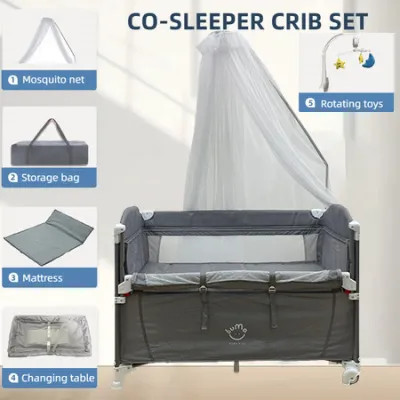
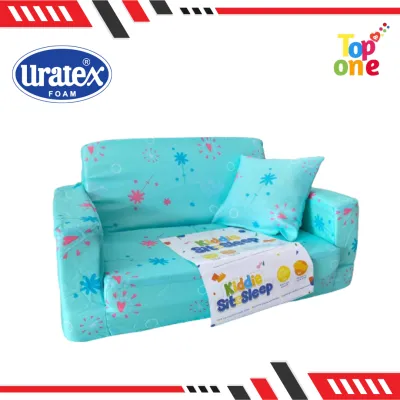
Prices are valid at publication and may change. Please refer to the product page for the latest price.
Space constraints are particularly relevant when dealing with bundled furniture. Standard nursery sets are often designed for spacious rooms, but typical residential layouts in the Philippines may feature more compact bedrooms or shared spaces. A bulky matching set can quickly overwhelm a smaller room, leaving little space for play, nursing chairs, or safe pathways. Before committing to a bundle, it is vital to assess whether the individual footprint of the toddler sleeping bed and its companion pieces will restrict your layout options or compromise the room’s overall flow and functionality.
Critical Safety Checks for Toddler Beds
Safety is the paramount consideration when transitioning your child to a toddler sleeping bed. Because toddlers are naturally active and may roll or climb during sleep, the bed’s physical design must prevent accidental falls and injuries. Guardrails are the first line of defense; you must verify that the bed features sturdy, secure guardrails on both sides, or at least on the open side if the bed is positioned against a wall. These rails should extend far enough along the length of the bed to prevent a sleeping child from rolling out, and they must be tall enough to contain a shifting toddler. Check the structural stability of these rails by applying firm pressure to ensure they do not wobble, bend, or detach under weight.

Entrapment hazards pose a severe risk to young children and must be meticulously checked. Inspect the gaps between the individual slats of the guardrails, as well as the spaces between the mattress, the headboard, the footboard, and the side rails. These gaps must be narrow enough to prevent a child’s head, limbs, or torso from becoming wedged. As a general rule, verify the manufacturer’s specifications to ensure all spacing complies with standard safety guidelines, and physically test the mattress fit to confirm there are no significant voids along the edges where a child could slip.
Weight limits and physical construction details are equally critical. Every toddler sleeping bed has a maximum weight capacity specified by the manufacturer, which you must verify in the product manual before use. Exceeding this limit can compromise the bed’s structural integrity, leading to sudden collapse. Additionally, run your hands along every surface of the bed frame to check for smooth, rounded edges. There should be no sharp corners, exposed screws, protruding bolts, or rough wood splinters that could scratch or injure a child.
Finally, always check the product labels, packaging, and instruction manuals for official safety certifications and warnings. Look for indicators of compliance with recognized safety standards, which verify that the product has undergone rigorous testing for structural stability and chemical safety. Because safety standards and product recalls can change over time, parents must actively verify the current recall status of any furniture set they plan to purchase. If you observe any structural instability, loose joints, or damaged components during assembly, stop using the bed immediately and consult the manufacturer or a qualified professional.
Material and Durability Considerations
The materials used to construct your nursery furniture set directly impact its longevity, safety, and performance, especially in tropical climates. Solid wood, such as rubberwood, mahogany, or pine, is highly regarded for its exceptional strength, natural weight, and structural durability. Solid wood frames can withstand years of active use and are less prone to joint loosening over time. In contrast, engineered woods like medium-density fiberboard (MDF) or particleboard are common in budget-friendly sets. While engineered wood can offer a smooth finish and uniform appearance, it is highly sensitive to moisture. In high-humidity environments typical of the Philippines, unsealed or poorly sealed engineered wood can absorb atmospheric moisture, leading to swelling, warping, and a compromise in structural integrity. Metal frames offer excellent stability and are impervious to humidity, but they must be checked for smooth welds and non-toxic coatings.
Chemical safety is another critical aspect of material selection. Toddlers frequently explore their environment with their mouths, particularly during teething phases when they may chew on bed rails or headboards. It is essential to verify that all paints, stains, varnishes, and finishes used on the furniture set are certified non-toxic, lead-free, and low in volatile organic compounds (VOCs). High-VOC finishes can off-gas harmful chemicals into the indoor air, potentially irritating a child’s sensitive respiratory system. Look for manufacturer documentation or product labels that explicitly state the finishes are safe for children’s furniture.
Durability also extends to how easily the furniture can be cleaned and maintained. Toddler beds are subjected to frequent spills, diaper leaks, and general wear and tear. Surfaces should be finished with a durable, water-resistant coating that can be wiped clean with a damp cloth without degrading the finish. Avoid furniture with highly textured or porous surfaces that can trap dirt, moisture, and allergens. Inspect the joints and hardware of the bed frame; high-quality sets utilize metal-on-metal connections rather than simple wood screws, which can strip the wood and loosen after repeated assembly or active use.
Compatibility and Space Planning in the Nursery
Before purchasing a nursery furniture set, you must carefully plan the layout of the room to ensure all pieces fit harmoniously and safely. Begin by measuring the exact dimensions of the nursery, noting the locations of doors, windows, built-in closets, electrical outlets, and air conditioning units. Create a floor plan to visualize how the toddler sleeping bed, dresser, and any other matching pieces will be arranged. Overcrowding a room not only limits play space but also creates safety hazards by restricting movement and blocking clear pathways.
Clearance around the toddler sleeping bed is vital for daily function and safety. Ensure there is ample space on at least one side of the bed for you to comfortably sit, kneel, or stand while assisting your child, changing bedding, or responding to nighttime awakenings. There must also be a clear, unobstructed path from the bed to the door to facilitate safe, rapid egress during emergencies. Avoid placing the bed directly beneath air conditioning vents, which can cause drafts, or next to windows where outdoor noise and temperature fluctuations can disrupt sleep.
Coordinating the bed’s placement with other heavy furniture pieces in the set is crucial for preventing tipping accidents. Toddlers are natural climbers, and a chest of drawers or a wardrobe can easily tip over if a child attempts to climb the drawers. To mitigate this risk, always position heavy furniture away from the bed so your child cannot use the bed as a launching pad to reach high shelves. Most importantly, every heavy furniture piece in the nursery must be securely anchored to the wall using anti-tip brackets or straps. Verify that the furniture set includes these safety anchors, or purchase high-quality, compatible anchoring hardware separately, and install them strictly according to the manufacturer’s instructions.
Transitioning from Crib to Toddler Bed: What to Verify
The transition from a crib to a toddler sleeping bed is a significant milestone that requires careful physical preparation of the sleeping environment. If your nursery set features a convertible crib that transforms into a toddler bed, you must verify that you have all the necessary conversion components. Many convertible sets require a separate toddler guardrail or conversion kit that may not be included in the initial purchase. Verify this detail early so you are not left without the required parts when your child is ready to transition.
Mattress compatibility is a key safety factor during this transition. If you plan to reuse the mattress from your child’s crib, you must confirm that its dimensions align perfectly with the toddler bed frame. A mattress that is too small will leave dangerous gaps along the sides, creating entrapment hazards, while a mattress that is too large will bunch up, creating an uneven, unsafe sleeping surface. The bed’s height from the floor is another critical dimension; a low-profile bed frame allows your toddler to climb in and out independently and safely, while minimizing the impact of any accidental falls during the night.
Room safety must be elevated to a higher standard once your child is no longer confined to a crib. An open toddler sleeping bed means your child has free access to the entire bedroom at night or during naps. You must thoroughly childproof the room: secure all electrical outlets with safety covers, secure loose cords from window blinds or curtains out of reach, and remove any small objects that could pose choking hazards. Ensure that all doors to adjacent high-risk areas, such as bathrooms, kitchens, or stairways, are securely closed or blocked with safety gates to prevent unsupervised wandering.
Building Your Evaluation Checklist Before Purchase
To make an informed decision when shopping for a nursery furniture set, it is highly beneficial to use a structured evaluation checklist. This systematic approach ensures you do not overlook critical safety, material, or spatial details amidst the excitement of designing your child’s room. When browsing online marketplaces or visiting physical showrooms, use the following step-by-step verification flow to assess your options:
First, read the detailed product descriptions and technical specifications for every piece in the set. Verify the exact dimensions of the toddler sleeping bed, dresser, and wardrobe, and cross-reference them with your nursery floor plan measurements. Confirm the maximum weight limits and recommended age ranges specified by the manufacturer for the bed.
Second, inspect the physical build quality of the furniture. If shopping in a physical store, test the stability of the bed frame by shaking it gently; it should feel solid and free of wobble. Check the drawer glides on the matching dresser to ensure they operate smoothly and feature safety stops to prevent drawers from being pulled completely out. Examine the finishes for any signs of peeling, uneven coating, or rough patches.
Third, prepare a list of essential questions to ask the retailer or manufacturer before finalizing your purchase. Inquire about the warranty coverage, return policies, and the availability of replacement parts or conversion kits. Ask if the set includes wall-anchoring hardware for heavy pieces, and clarify whether professional assembly is offered or if detailed, clear instruction manuals are provided.
Finally, cross-reference user reviews on independent platforms to gather real-world insights. Look for feedback from other parents regarding the ease of assembly, the durability of the finishes over time, and how well the furniture stands up to daily toddler use. Pay close attention to any recurring complaints about structural weaknesses, missing hardware, or customer service issues, as these can save you from costly and frustrating mistakes.
Frequently Asked Questions (FAQ)
Can I use a standard crib mattress for a toddler sleeping bed?
Yes, most toddler sleeping beds and convertible cribs are specifically designed to accommodate a standard crib mattress. However, you must always verify the exact dimensions specified by both the bed manufacturer and the mattress manufacturer to ensure a perfect, snug fit. A safe mattress must fit tightly within the bed frame with no significant gaps along the sides or ends; if you can fit more than two fingers between the mattress and the frame, the gap is too wide and poses an entrapment risk. Additionally, ensure the mattress remains firm and flat to provide proper support for your growing child’s developing spine.
At what age should a child transition to a toddler bed?
There is no single, universal age for transitioning a child to a toddler sleeping bed, as developmental readiness varies significantly from child to child. Most children make the transition when they show physical signs of outgrowing their crib, such as reaching a height where the crib rails no longer provide adequate containment, or actively attempting to climb out of the crib. If your child’s chest is level with the top rail of the crib when standing, or if they have reached the manufacturer’s height or weight limits for the crib, it is time to transition to prevent dangerous falls. Before making the move, ensure the entire bedroom is thoroughly childproofed, as your child will now have unsupervised access to the room.
Are convertible nursery furniture sets worth the investment?
Convertible nursery furniture sets can be a highly cost-effective and practical investment, provided you plan for their long-term use. These sets offer excellent longevity because the central piece can transition from a secure crib to a toddler sleeping bed, and sometimes even to a daybed or full-sized bed as your child grows. This adaptability can save you from purchasing entirely new bed frames at each developmental stage. However, to maximize this investment, you must verify whether the required conversion kits and hardware are included in the initial purchase or must be bought separately. Additionally, ensure that the set’s aesthetic style, material durability, and structural integrity are robust enough to withstand years of continuous use and changing room decors.

Community discussion
Share your experience or ask a question. Comments are reviewed before publication.