
Transitioning to solid foods is an exciting milestone, but it often comes with a fair share of mealtime chaos, from overturned dishes to scattered purees. To make this transition smoother, choosing the right plate set for toddler self-feeding is essential. The ideal plate set does more than just hold food; it acts as a developmental tool that encourages independent eating while keeping spills to a minimum. When evaluating your options, you must focus on key features such as base stability, compartment design, material safety, and physical dimensions that match your child’s current motor skills. By prioritizing these functional elements, you can find a set that fits your daily routine and supports your toddler’s growing confidence at the table.
Assessing Your Toddler's Current Feeding Stage
Every child develops at their own pace, meaning their readiness for a specialized plate set depends on observable motor milestones rather than a strict age range. You can begin looking for a toddler plate when your child starts showing clear signs of self-feeding interest, such as grasping for spoons, reaching for food on your plate, or successfully bringing finger foods to their mouth.
Early beginners who are still mastering their grip and hand-eye coordination typically benefit from plates with high containment walls and robust suction bases to prevent accidental tips. On the other hand, older or more advanced toddlers who have developed a refined pincer grasp and better spatial awareness may transition easily to standard divided plates or weighted non-slip options.
Products mentioned in this guide
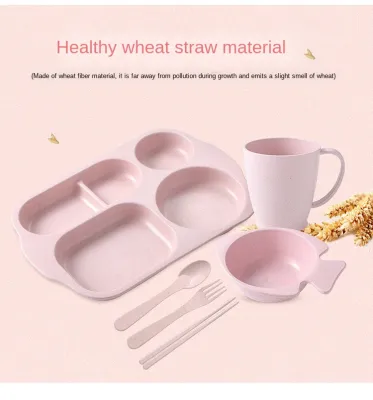
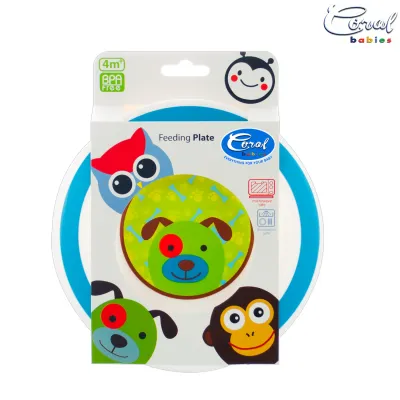
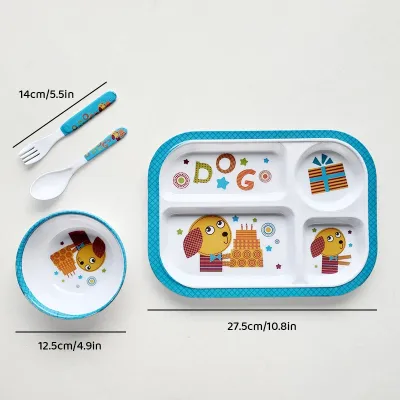
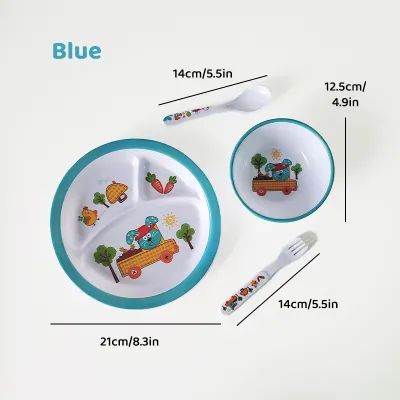
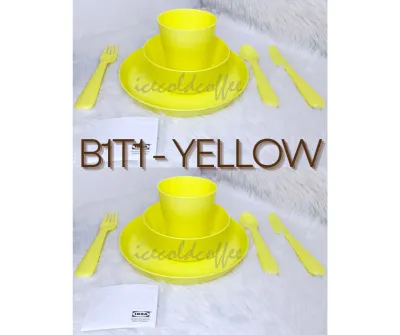
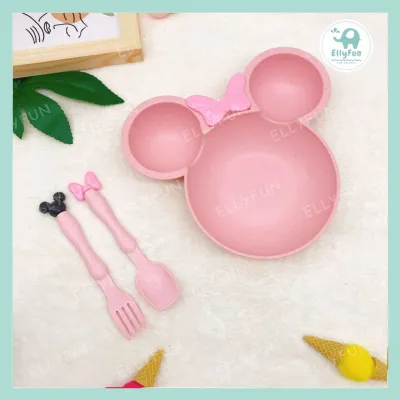
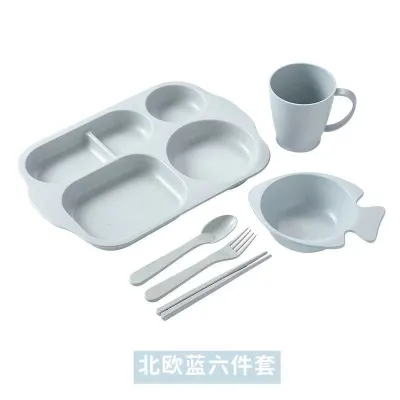
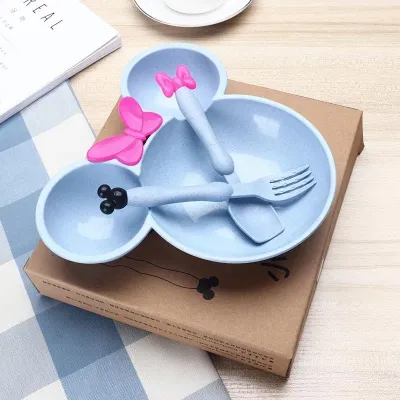
Prices are valid at publication and may change. Please refer to the product page for the latest price.
Observing how your child interacts with food daily will help you select features that match their actual physical capabilities. This developmental approach ensures the plate serves as a helpful tool rather than a source of frustration during their learning journey.
Comparing Base Designs for Stability and Spill Prevention
One of the primary challenges of toddler mealtimes is keeping the plate firmly on the table. A plate that slides or flips easily can quickly turn a peaceful lunch into a major cleanup chore, disrupting the learning process for your child.

The stability of a plate set relies heavily on its base design and how that design interacts with the surface of your highchair tray or dining table. Smooth, non-porous surfaces like plastic or polished wood generally provide the best foundation for stability features, whereas textured or matte finishes can compromise grip. Before making a purchase, it is important to review the manufacturer’s instructions regarding how to activate and maintain these anti-slip features, as proper care is essential to keeping the base functioning as intended over months of daily use.
Suction Bases vs. Weighted Non-Slip Bases
Suction bases are highly effective for active toddlers who tend to lift, slide, or throw their dishes during meals. These bases work by creating an airtight seal between the bottom of the plate and a smooth, clean surface, requiring a firm downward press from an adult to lock them in place.
However, suction rings can lose their grip over time if the material degrades or if the surface has even slight textures. For older toddlers who have moved past the throwing phase but still push their dishes around, weighted non-slip bases are an excellent alternative.
These designs rely on gravity and a high-friction silicone or rubberized bottom to resist sliding. While they do not lock down like suction plates, they are much easier for parents to pick up and move, making them a practical choice for transitional feeding stages.
Evaluating Suction Strength and Release Mechanisms
When choosing a suction plate, you must look closely at how the suction is released. A secure suction base is only helpful if an adult can easily remove it when mealtime is over without causing a secondary spill.
Look for plates that feature a hidden release tab or a small pull-tab along the edge of the suction ring. This design allows you to break the airtight seal effortlessly with one finger while keeping the tab out of your toddler’s direct line of sight and reach.
Avoid plates that require excessive upward force to remove, as pulling too hard can cause the highchair tray to shake, potentially spilling remaining food or causing unnecessary strain. Additionally, always ensure both the suction ring and the tray surface are completely clean and dry before pressing the plate down, as tiny crumbs or moisture can prevent a secure seal.
Selecting Compartment Layouts and Plate Depth
The physical layout of a toddler plate plays a significant role in how your child interacts with their food. Divided plates are highly popular because they allow you to present different food groups clearly, which can be particularly helpful if your toddler is sensitive to different textures touching each other.
When evaluating compartment layouts, consider the depth and shape of the inner walls. High, curved inner walls are incredibly beneficial for toddlers learning to use utensils, as they provide a natural scoop edge that helps them load food onto their spoons without pushing it off the plate.
However, avoid overly complex or excessively deep compartments. These can make it difficult for small hands to reach the food and can turn cleaning dried-on purees into a tedious chore, especially during warm, humid days when food residue dries quickly.
Verifying Material Safety and Care Requirements
Ensuring the safety of the materials that come into contact with your child’s food is paramount. Rather than assuming a plate is safe based solely on its material name, always look for explicit manufacturer certifications and food-grade safety labels on the packaging.
Common materials like food-grade silicone, plastic, and natural bamboo each come with distinct care requirements that you must consider. For instance, high-quality silicone is highly durable, dishwasher-safe, and resistant to shattering, making it a highly practical option for busy households.
Natural materials like bamboo offer an appealing aesthetic but require strict hand-washing and immediate, thorough drying to prevent mold growth—a critical consideration in humid tropical climates. Always check the maximum temperature limits printed on the product packaging before placing any plate in the microwave, dishwasher, or sterilizer, as exceeding these limits can damage the material or compromise its structural integrity.
Finalizing Size, Weight, and Utensil Compatibility
Before finalizing your choice, you must ensure the physical dimensions of the plate set are compatible with your home setup. Start by measuring the usable flat surface area of your highchair tray, as many suction plates have wide bases that may not sit flat on smaller or curved trays.
The weight of the plate is another key factor; a plate that is too heavy can be difficult for a toddler to handle if they attempt to assist with cleanup, while an extremely lightweight plate may slide too easily if the anti-slip base is not engaged.
If you are purchasing a complete plate set for toddler use, check if it includes matching utensils. Ensure the spoon and fork handles are short, thick, and ergonomically designed to support your child’s current grip style, whether they are using a full-palm grasp or transitioning to an early pincer grasp.
Creating a Pre-Purchase Verification Checklist
To ensure you select a plate set that fits your lifestyle and your child’s developmental needs, it is helpful to run through a quick verification checklist before making your purchase. Whether you are looking at budget-friendly options around ₱300 or premium sets closer to ₱1,500, verifying these details first will save time and effort.
First, measure your highchair tray to confirm the plate’s footprint will fit securely on the flat surface. Second, inspect the tray’s texture to ensure it is smooth enough to support a suction base if you choose that design.
Third, verify that the product packaging explicitly states food-safe certifications and lists clear temperature limits for washing and heating. Fourth, assess whether the compartment layout and wall height align with your child’s current utensil skills.
Finally, check the retailer’s or manufacturer’s return policy so you can easily exchange the set if the suction mechanism does not perform as expected on your specific home surfaces.
Frequently Asked Questions (FAQ)
Why does my suction plate keep popping off the highchair tray?
Suction failure is usually caused by surface texture or cleanliness issues. Even a microscopic layer of dust, grease, or moisture on the highchair tray can prevent an airtight seal from forming. Additionally, if your tray has a textured, matte, or slightly curved surface, air will slowly seep under the suction ring, causing the plate to pop off. To troubleshoot, thoroughly clean and dry both the tray and the suction base before pressing down firmly from the center of the plate to expel all trapped air. Over time, silicone suction rings can also warp or collect soap residue from washing, which may require a deep clean or replacement.
Are divided plates necessary for all toddlers?
Divided plates are not strictly necessary for every child, but they serve as an excellent transitional tool. They are particularly helpful for toddlers who prefer their foods kept separate or for parents who appreciate visual guidance for portioning different food groups. However, some toddlers do perfectly well with open plates or simple bowls. Observe your child’s eating habits; if they enjoy mixing their foods or do not mind different textures touching, a standard open plate may work just fine. Ultimately, the choice should be guided by your child’s unique preferences rather than current feeding trends.

Community discussion
Share your experience or ask a question. Comments are reviewed before publication.