
Choosing the right toddler plate and spoon set is one of the most practical steps you can take when preparing for your baby’s transition to solid foods. In the Philippines, this milestone often involves introducing local staples like warm lugaw, mashed kalabasa (squash), or pureed sayote. Having the appropriate tableware not only helps contain the inevitable mess but also supports your baby’s developmental journey toward self-feeding. Because the market is filled with various designs, materials, and price points, making an informed choice requires understanding what features truly support a child’s physical development and household convenience.
Evaluating these products goes beyond aesthetics. A well-designed feeding set must withstand daily sterilization, resist the humid tropical climate, and remain securely anchored to your baby’s high chair. By focusing on material safety, ergonomic design, and practical usability, you can select a set that ensures a positive, safe, and hygienic dining experience for your little one.
Essential Features for First Solid Food Feedings
When your baby first transitions to solid foods, their motor skills are still developing. The physical design of their tableware plays a crucial role in how quickly and safely they learn to navigate meals. Selecting features tailored to their developmental stage can significantly reduce frustration for both caregiver and child.
Products mentioned in this guide
![[COD]Premium 100% Food Grade Silicone BPA Free Baby to Toddler 5PCS Silicone Suction Plate with Spoon Fork bowl bib](https://img.lazcdn.com/g/p/b74e64c7ffc6988a14f9f9386c060b5e.jpg_400x400q80.jpg_.webp)
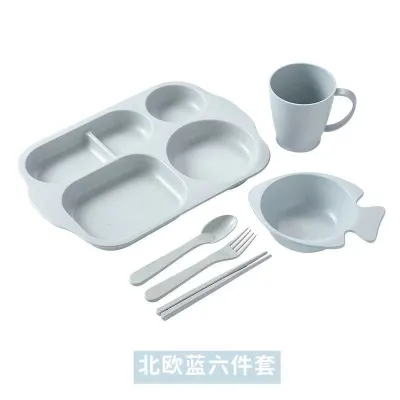
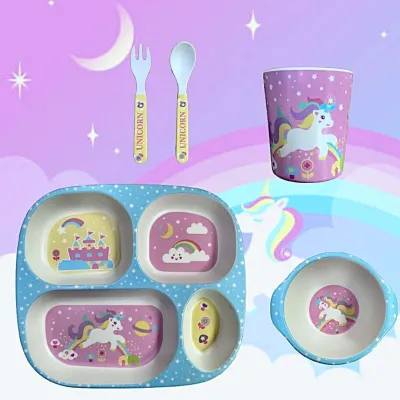
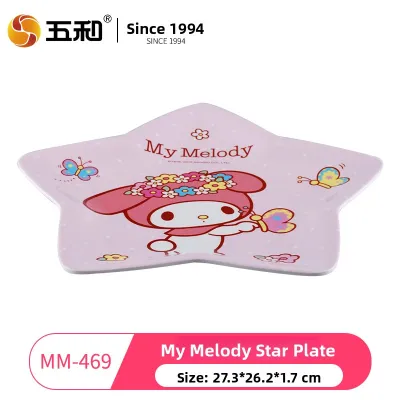
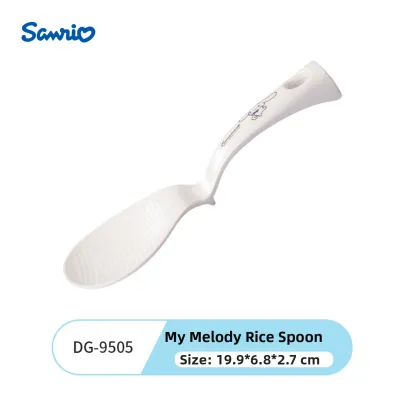
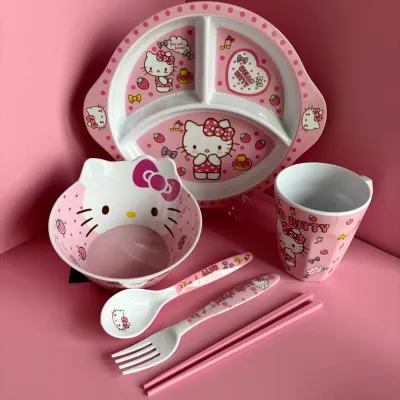
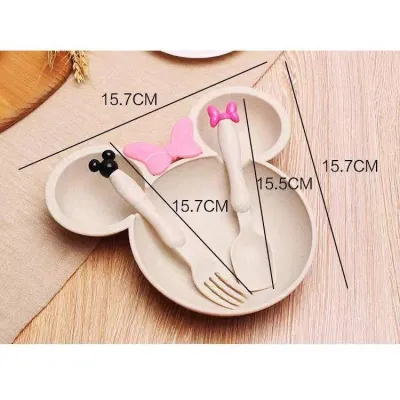
Prices are valid at publication and may change. Please refer to the product page for the latest price.
Suction Bases
A reliable suction base is your primary defense against flying plates and spilled meals. To verify the effectiveness of a suction plate, look for a wide, integrated silicone suction pad at the bottom rather than a small, separate suction cup. The base must create a complete vacuum seal against the surface. In the Philippines, where high humidity can leave a microscopic layer of moisture on surfaces, it is essential to wipe both the high-chair tray and the suction pad completely dry before pressing them together. Keep in mind that suction bases require a smooth, flat, non-porous surface to work; they will not adhere well to textured plastic, matte wood, or tiled surfaces.
Spoon Design
An infant’s gums are highly sensitive, especially if they are teething. Spoons designed for first solids should feature soft, flexible tips made of food-grade silicone or rounded, smooth plastics to prevent oral injury. The bowl of the spoon must be shallow and narrow. A deep spoon bowl makes it difficult for a baby to clear the food using their upper lip, leading to frustration and messy feeding. Additionally, some spoons feature textured patterns on the back of the bowl, which provide soothing sensory feedback to teething gums.
Plate Layout
Divided plates are highly beneficial during the early stages of solid food introduction. They allow you to serve different food groups separately, which helps your baby identify distinct tastes, colors, and textures. This separation is also helpful when tracking potential food allergies. Look for plates with high, vertical, or slightly curved inner walls. These steep walls act as a backstop, allowing your toddler to push food against the edge to scoop it onto their spoon or fingers, promoting independent feeding.
Handle Ergonomics
The shape of the spoon handle should match the feeding method. If you are primarily feeding your baby, a longer, ergonomically curved handle allows you to navigate the spoon comfortably from various angles. However, if your baby is practicing self-feeding, they will use a palmar grasp, clutching the handle with their entire fist. For this stage, choose short, thick, textured handles that are easy for tiny hands to control. Some self-feeding spoons also include a built-in choke guard, which prevents the baby from inserting the spoon too far into their mouth.
Comparing Common Materials for Toddler Tableware
Toddler tableware is available in several materials, each offering distinct advantages and requiring specific care routines. Understanding these material trade-offs helps you choose a set that aligns with your daily cleaning habits and durability expectations.

Food-Grade Silicone
Food-grade silicone, particularly platinum-cured silicone, is highly favored for baby tableware. It is incredibly durable, shatterproof, and flexible, making it easy to pack into a diaper bag for family gatherings or trips to the mall. Silicone has excellent heat tolerance, meaning it can safely go into steam sterilizers, UV sterilizers, and boiling water. However, silicone can sometimes absorb food oils and soapy odors, especially when washed with highly fragranced local dishwashing liquids. To prevent this, wash silicone items with unscented, baby-safe dish soap and occasionally bake them at a low temperature if permitted by the manufacturer’s instructions.
Stainless Steel
Stainless steel is exceptionally hygienic, durable, and naturally resistant to bacteria. Double-walled stainless steel plates offer excellent thermal insulation, keeping warm lugaw or chilled fruit purees at a safe, appetizing temperature throughout the meal. It does not retain odors, stains, or oils, making it very easy to clean. The primary trade-offs are weight and microwave compatibility. Stainless steel plates are heavier, which can cause injury if dropped on a toe, and they cannot be placed in a microwave to warm up leftovers.
Bamboo and Wood
Bamboo and wooden tableware offer a beautiful, natural aesthetic and are highly biodegradable. However, they require meticulous maintenance, particularly in the humid Philippine climate. High humidity can easily encourage mold and mildew growth if wooden items are not dried thoroughly. Bamboo plates are not dishwasher-safe and must never be left soaking in water. They require hand-washing immediately after use, thorough air-drying in a well-ventilated area, and regular application of food-safe coconut oil or mineral oil to prevent the wood from cracking or splintering.
Plastics
Plastic feeding sets are lightweight, highly affordable, and widely accessible. They are convenient for travel and come in a vast array of colorful designs. However, plastic is highly susceptible to scratching from metal cutlery or abrasive cleaning sponges. These micro-scratches can harbor bacteria and are difficult to sanitize completely. When opting for plastic, you must carefully inspect the packaging to ensure it is completely free of Bisphenol A (BPA), Bisphenol S (BPS), and phthalates, and be prepared to replace the items at the first sign of surface wear.
Safety Labels and Product Verification in the Philippines
Ensuring the safety of your baby’s tableware requires careful product verification, especially when shopping on online marketplaces or in local retail stores. Because babies frequently chew on their plates and spoons, verifying material safety is paramount.
First, look for recognized food-contact safety certifications printed clearly on the packaging. These include compliance marks from the US Food and Drug Administration (FDA) or the European LFGB standard. These certifications guarantee that the materials used do not leach harmful chemicals, heavy metals, or plasticizers into your baby’s food, even when exposed to high temperatures or acidic ingredients.
Second, always cross-reference the manufacturer’s age and developmental recommendations. A plate and spoon set designed for an older toddler may feature harder materials or larger spoon bowls that are unsuitable and potentially unsafe for a six-month-old infant who is just starting solids.
Third, exercise caution when browsing e-commerce platforms. Extremely cheap, unbranded feeding sets—often priced under ₱150 for a complete set—are common red flags. These products frequently lack detailed material specifications, safety labels, or manufacturer contact information. They may contain industrial-grade silicone fillers or low-quality plastics that degrade quickly under heat.
To ensure authenticity, purchase your feeding sets from official brand stores, authorized local distributors, or reputable department stores. Legitimate products will feature clear labeling, including the importer’s or distributor’s details, care instructions, and clear material listings.
Building Your Shortlist: Matching Sets to Your Feeding Style
To narrow down your options, consider how your family approaches mealtimes, cleaning, and travel. Matching the tableware to your specific lifestyle ensures that the set remains a practical tool rather than an unused chore.
If you are practicing Baby-Led Weaning (BLW), where your baby feeds themselves soft finger foods from the start, prioritize wide, flat suction plates with distinct divided sections. This layout allows you to present different foods clearly. If you are starting with traditional purees and caregiver-assisted feeding, a deep suction bowl and a set of long-handled, soft-tipped spoons will be far more functional.
Your daily cleaning routine should also dictate your choice. If your household relies on a dishwasher or a UV sterilizer, verify that every component of the set is explicitly rated as dishwasher-safe and UV-compatible. Some suction plates feature removable suction bases made of a different material that cannot tolerate high heat, requiring you to hand-wash those specific parts.
Portability is another key factor for busy families. If you frequently visit relatives, dine out, or send your child to daycare, look for compact sets that include travel lids for the plates and hygienic carrying cases for the spoons. This keeps dirty utensils contained and prevents clean tableware from gathering dust in your diaper bag.
Finally, balance your budget against long-term durability. While a premium silicone or insulated stainless steel set may require a higher upfront investment—often ranging from ₱800 to ₱1,800—its long lifespan means it can endure daily use for years and even be passed down to younger siblings. Cheap plastic sets may seem economical initially, but the cost of replacing them due to scratches or wear can add up over time.
Cleaning, Care, and When to Retire the Set
Proper maintenance is essential to keep your baby’s tableware hygienic and safe. Always adhere strictly to the manufacturer’s temperature limits for sterilization. While high-quality silicone can withstand boiling water and steam sterilization, exposing plastic, bamboo, or rubber components to excessive heat can cause warping, cracking, or chemical degradation.
Regularly inspect every piece of the feeding set before serving a meal. Examine silicone spoons for micro-tears or deep cuts, which can occur if a teething baby bites down hard on the soft material. These tears can harbor bacteria or break off entirely, presenting a serious choking hazard. Check the suction ring on plates to ensure it has not warped, as a compromised ring will fail to hold the plate securely, leading to spills.
For wooden and bamboo items, look closely for signs of warping, splitting, or a rough, dry texture. If the protective food-safe coating has worn off, the wood can absorb moisture and food particles, leading to mold growth. If you detect any splinters, deep cracks, or persistent mold spots, the item must be retired immediately.
Establish a clear rule for replacement: any item showing deep scratches, permanent sticky residue (which indicates silicone breakdown), structural cracks, or compromised suction should be discarded immediately. Keeping your baby’s tableware in pristine condition is a simple yet vital way to ensure every meal is safe and healthy.
Frequently Asked Questions (FAQ)
Can I use regular household spoons for a baby's first solids?
It is highly recommended to avoid using standard adult metal spoons for a baby’s first solid foods. Adult spoons are typically made of hard stainless steel with relatively sharp edges that can easily bruise a baby’s sensitive gums, lips, or palate. Furthermore, the bowl of a standard household spoon is too deep and wide for an infant’s small mouth, which can lead to overfeeding, choking, or triggering a strong gag reflex. Specialized baby spoons are designed with soft, shallow, and narrow bowls to ensure a safe, comfortable, and developmentally appropriate feeding experience.
How do I test if a suction plate actually works on my table?
To test a suction plate, first ensure that both the suction base and the tabletop surface are completely clean, dry, and free of dust, oil, or soapy residue. Press the plate firmly down from the center to force out all the trapped air, creating a vacuum seal. Try pulling the plate straight up; a functional suction base should resist vertical lifting. Next, try sliding the plate horizontally, as toddlers often try to push plates off their trays. Note that suction bases perform poorly on textured wood, matte finishes, or porous surfaces. If your table has a textured surface, you may need to use a smooth plastic high-chair tray or a polished glass placemat to achieve a secure hold.

Community discussion
Share your experience or ask a question. Comments are reviewed before publication.