
Choosing your baby’s first eating set is a major milestone as they transition from milk to solid foods. This phase requires specialized feeding gear designed to accommodate a toddler’s developing motor skills and delicate gums. A standard adult plate or ceramic bowl is heavy, breakable, and lacks the stability needed for a child learning to coordinate their hands.
When selecting a toddler food eating set, caregivers must evaluate three core pillars: material safety, suction stability, and ergonomic utensil design. The ideal set should support self-feeding while minimizing the inevitable messes that occur during early culinary exploration. Ultimately, the best choice depends on your child’s current developmental stage, their feeding style, and your household’s daily cleaning and sterilization routine.
Evaluating Material Safety and Durability
The safety of the materials that contact your child’s food is the most critical factor when choosing an eating set. Caregivers should carefully inspect product packaging, labels, and manufacturer documentation to verify the composition of every item. Look for food-grade silicone, high-quality stainless steel, or certified BPA-free and BPS-free plastics.
Products mentioned in this guide
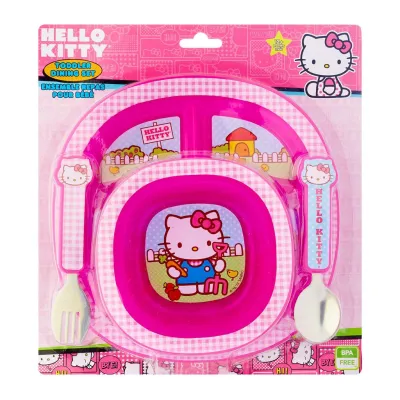
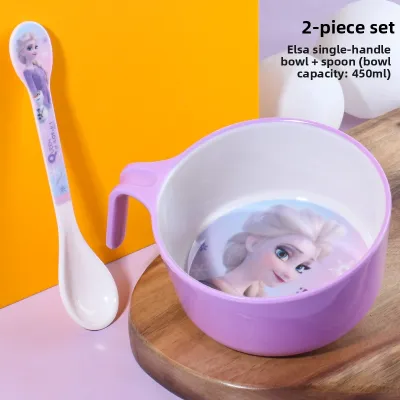
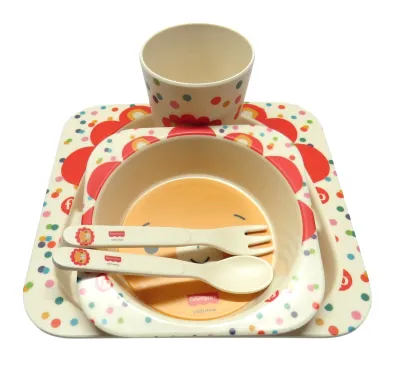
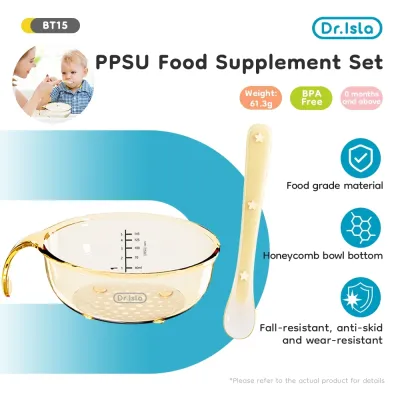
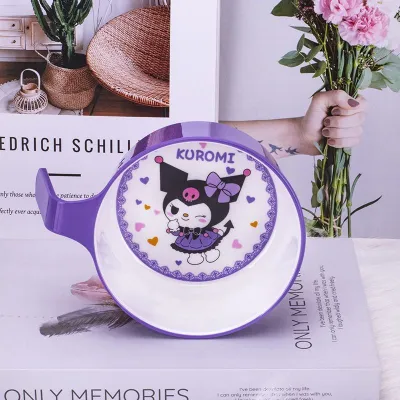
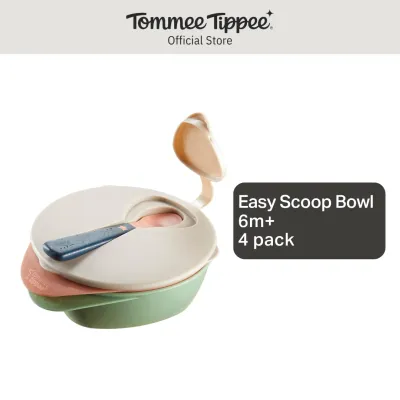
Prices are valid at publication and may change. Please refer to the product page for the latest price.
Food-grade silicone has become a popular choice because it is flexible, shatterproof, and gentle on developing teeth and gums. When evaluating silicone items, check the manufacturer’s specifications to ensure they do not contain cheap chemical fillers. A common informal check is the “pinch test”—pinching and twisting a flat section of the silicone. If white fillers show through the material, it may contain additives, whereas pure food-grade silicone typically retains its solid color throughout the twist.
Stainless steel is another highly durable option that resists odors, stains, and scratches. It is particularly useful in warm, humid environments where plastic can degrade more rapidly. However, stainless steel cannot be used in the microwave, so caregivers must decide if the convenience of quick reheating outweighs the durability of metal.
Plastics are lightweight and affordable, but they require close scrutiny. If you choose plastic, verify that the product is explicitly labeled as free from bisphenol A (BPA) and bisphenol S (BPS). Avoid older or unlabelled plastic sets, as they may release unwanted chemicals when exposed to heat.
Temperature tolerance is another vital safety specification to verify. Check the manufacturer’s guidelines to see if the set can withstand the high temperatures of steam sterilizers, boiling water, or UV sterilizing cabinets. Some plastics may warp or release fumes under extreme heat, while high-quality silicone can typically handle a wide temperature range.
Over time, all feeding gear experiences wear and tear. Caregivers must regularly inspect the eating set for observable signs of material degradation. Discoloration, persistent soapy or food odors that do not wash away, and deep scratches are clear indicators that the material is breaking down. Scratches in plastic or silicone can harbor bacteria and food particles, making them difficult to sanitize. When these signs appear, it is time to replace the affected items to maintain a hygienic feeding environment.
Bowl and Plate Design: Suction, Depth, and Portioning
A successful self-feeding session relies heavily on keeping the food on the table rather than on the floor. This is where suction bases play a pivotal role. Suction plates and bowls feature a rubberized or silicone base that adheres to flat surfaces, preventing the toddler from lifting, tipping, or throwing their meal.

When comparing suction mechanisms, look at the size and design of the suction pad. Full-base suction cups, which cover the entire bottom of the plate, generally offer stronger resistance than smaller, centralized suction rings. However, the effectiveness of any suction base depends heavily on the surface material of your dining table or high chair tray.
Before committing to a specific set, consider the surfaces in your home. Suction bases require a completely smooth, non-porous surface to create a vacuum seal. They work exceptionally well on glass, polished stone, and smooth plastic high chair trays. If you have a textured wooden table or a matte-finish surface, the suction may fail to hold. You can test this at home by applying a small amount of moisture to the suction base and pressing it onto your table to check the seal’s strength.
The physical shape of the bowls and plates also influences how easily a toddler can navigate their food. Look for bowls with deep, curved inner walls. A pronounced inward curve at the rim acts as a natural barrier, helping your child push food onto their spoon instead of over the edge of the bowl. Shallow bowls or plates with flat, vertical sides can frustrate beginners who are still mastering the scooping motion.
Another design choice is the division of the plate. Divided plates are excellent for introducing different food groups, such as separating rice, vegetables, and proteins. This layout is highly beneficial for toddlers who exhibit a developmental preference for keeping their foods separate. It also helps caregivers visualize portion sizes and ensure a balanced meal.
Conversely, open bowls are better suited for mixed meals, such as local stews, purees, or soft rice porridges like lugaw. Open bowls allow for easy mixing and are generally simpler to clean because they lack interior corners. Many families find it useful to have a combination of both divided plates and open bowls to accommodate different types of meals throughout the day.
Age-Appropriate Utensil Design for Self-Feeding
Introducing utensils is a gradual process that requires patience and the right tools. Standard adult forks and spoons are too long, sharp, and difficult for a toddler to control. Specialized toddler utensils are engineered to match the physical capabilities of a child’s developing hands and wrists.
When evaluating spoons and forks, pay close attention to the handle design. Toddlers initially use a palmar grasp, gripping objects with their entire fist rather than their fingers. Therefore, look for utensils with short, chunky, and rounded handles that fit comfortably inside a small palm.
Textured surfaces, such as raised silicone ridges or non-slip rubber grips, are highly beneficial. They prevent the utensil from slipping out of soapy or greasy hands during active feeding. Some advanced designs feature angled necks, which reduce the amount of wrist rotation required to bring the food from the plate to the mouth, making the learning curve less steep.
The business end of the utensil must prioritize safety and comfort. Spoons should have shallow bowls. A deep spoon bowl makes it difficult for a toddler to clear all the food with their lips, leading to frustration and messy faces. The edges of the spoon must be smooth and rounded to protect sensitive gums.
Forks for beginners should feature blunt, rounded tines. Avoid sharp metal tines that could puncture or scratch the inside of the mouth. Instead, look for durable plastic or firm silicone tines that are stiff enough to pierce soft foods like steamed vegetables or fruit slices, but soft enough to prevent injury if the child accidentally pokes their gums or cheeks.
Many modern toddler utensils include built-in choke guards. A choke guard is a wide collar or shield located between the handle and the head of the utensil. This barrier physically prevents the child from inserting the spoon or fork too deeply into their mouth, reducing the risk of gagging or choking. These guards are particularly useful during the early stages of self-feeding when the child is still exploring their oral boundaries. However, even with choke guards, active caregiver supervision is always mandatory during every meal.
Practicality, Cleaning, and Daily Use
While a toddler eating set must be functional for the child, it must also be practical for the caregiver. The ease of cleaning and maintaining the set directly impacts your daily routine, especially in warm, humid tropical climates where mold and bacteria can thrive quickly.
Before purchasing, create a checklist to verify how the set fits into your kitchen workflow. Read the product manuals to confirm compatibility with your appliances:
- Dishwasher Compatibility: Verify if the items can be placed on the top rack of a dishwasher, or if they require hand washing to prevent warping.
- Microwave Safety: Ensure the materials can safely withstand microwave heating without releasing chemicals or degrading.
- Sterilizer Suitability: Check if the set is compatible with steam, boiling water, or UV sterilizers, as some materials degrade under prolonged UV exposure.
- Temperature Limits: Note the maximum temperature the material can handle to avoid accidental melting.
The physical design of the eating set plays a major role in hygiene. Avoid items with complex, hard-to-reach crevices, hollow handles, or permanently attached multi-piece components. Water can easily become trapped in these tight spaces, creating a breeding ground for mold and mildew.
If the set features a removable suction ring, ensure it can be easily detached and washed separately. After washing, every component must be allowed to dry completely in a well-ventilated area before storage. In humid regions, storing damp silicone or plastic items in closed cabinets can lead to musty odors and mold growth.
Portability is another practical factor to consider. If your family frequently dines out, visits relatives, or travels, look for sets that include travel cases, snap-on lids, or foldable components. A plate with a secure lid allows you to pack snacks or pre-prepared meals easily, while a dedicated utensil case keeps dirty spoons and forks contained in your diaper bag after a meal.
Building Your Toddler Eating Set Shortlist
With numerous options available on online marketplaces and in specialty baby stores, narrowing down your choices requires a structured approach. Begin by listing your specific household constraints, such as your table surface type, your sterilization methods, and your budget.
When browsing online marketplaces, prioritize seller authenticity and product reviews. Look for official brand stores or authorized distributors to avoid counterfeit products that may not adhere to safety standards. Check the return policies and warranty terms so you can easily exchange the item if the suction base does not work on your home surfaces.
Cross-reference each shortlisted item against the essential features discussed:
- Verify Material Certifications: Confirm the product is certified food-grade and free from harmful substances.
- Assess Suction Compatibility: Match the suction base design with your high chair or dining table surface.
- Evaluate Utensil Ergonomics: Choose short, textured handles with safety features like blunt tines and choke guards.
- Review Cleaning Requirements: Ensure the set fits your sterilization and washing routine without creating mold risks.
It is easy to be swayed by aesthetic trends, such as minimalist pastel colors or elaborate wooden designs. While visual appeal is pleasant, your primary focus must always remain on your child’s current motor skills, safety requirements, and the practical hygiene of the set. A highly functional, easy-to-clean set will provide a much smoother transition to solid foods for both you and your toddler.
Frequently Asked Questions (FAQ)
When should I transition from a suction plate to a regular plate?
The transition away from suction plates depends on your child’s behavioral cues and motor development rather than a specific age. Look for signs such as reduced plate-throwing, improved utensil control, and an increased ability to focus on eating rather than playing with the tableware. When your toddler consistently leaves the plate in place throughout the meal, you can begin a gradual transition. Start by using non-suction plates during supervised, low-mess meals, such as dry snack times, to gauge their readiness before moving to regular plates for all meals.
Are silicone eating sets safe for microwave heating?
Many high-quality silicone eating sets are safe for microwave use, but you must always verify this by checking the manufacturer’s specific guidelines and looking for the official microwave-safe symbol on the product. Never assume all silicone items are microwave-safe. Some silicone plates and bowls contain embedded plastic cores for structural rigidity, metallic components, or unverified adhesives that can degrade, melt, or spark when microwaved. Always heat food in short intervals and stir thoroughly to eliminate hot spots before serving.
How do I remove stubborn food stains from silicone bowls?
Silicone is a porous material that can absorb pigments from bright foods like tomato sauce, carrots, or squash. Before attempting to clean stains, consult the product’s care instructions to avoid damaging the material. A safe, low-risk method is to create a paste using baking soda and water, apply it to the stained area, and let it sit for several hours before scrubbing gently with a non-abrasive sponge. Alternatively, placing the clean, wet bowl in direct sunlight for a few hours can help naturally fade stubborn stains. Always rinse the item thoroughly with clean water afterward to remove any residue.

Community discussion
Share your experience or ask a question. Comments are reviewed before publication.