
Transitioning your toddler from a baby bottle or breast to a straw cup is a significant developmental milestone. Unlike traditional sippy cups, which often encourage an immature sucking pattern, straw bottles promote active tongue retraction, lip sealing, and cheek strength. These oral motor skills are highly beneficial for speech development and healthy swallowing habits. However, finding the right straw bottle can be a challenge. The market is filled with various designs, materials, and features, making it difficult to determine which option is best suited for your child’s age and lifestyle. In tropical climates like the Philippines, where high humidity and warm temperatures can accelerate bacterial growth and affect liquid freshness, making an informed choice is even more critical. By focusing on material safety, leak-proof mechanisms, ergonomic design, and ease of cleaning, you can select a durable and safe bottle that supports your toddler’s independence.
Material Safety and Construction Standards
When selecting a straw bottle, the material of the bottle body and its components should be your primary consideration. Toddler bottles are subjected to frequent drops, tosses, and rigorous sterilization, meaning the material must be both durable and chemically safe.
Tritan is a popular co-polyester plastic known for its glass-like clarity, lightweight feel, and extreme impact resistance. It allows you to easily monitor your child’s fluid intake and does not retain odors or stains. For parents seeking even higher durability and heat resistance, Polyphenylsulfone (PPSU) is an excellent medical-grade alternative. PPSU has a natural honey-colored tint and can withstand repeated steam, boiling, or UV sterilization up to high temperatures without degrading or releasing harmful chemicals.
Products mentioned in this guide
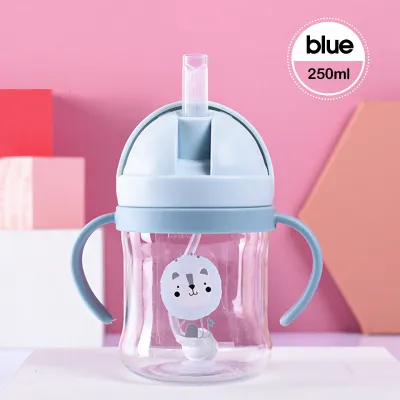
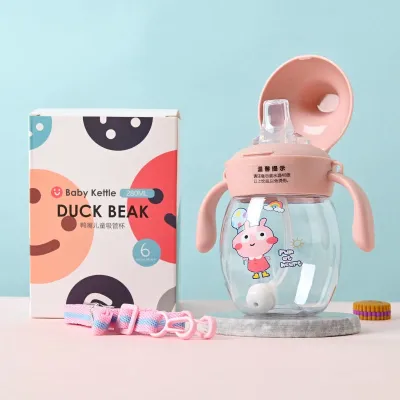
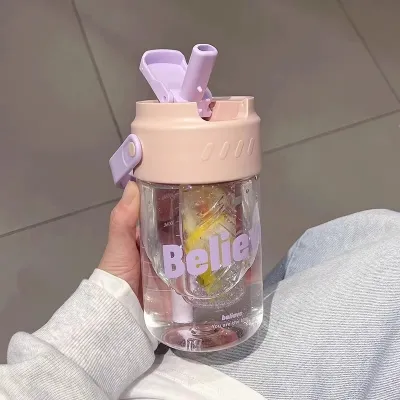
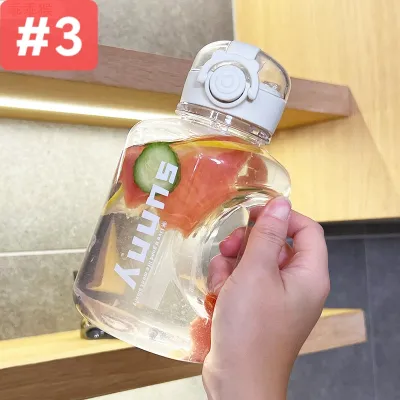
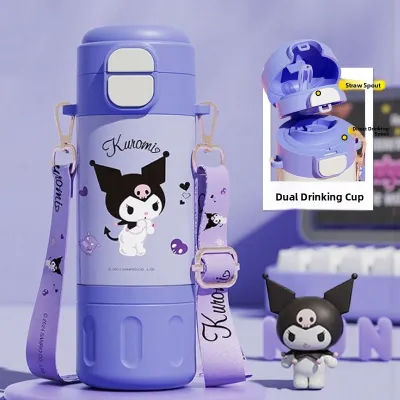
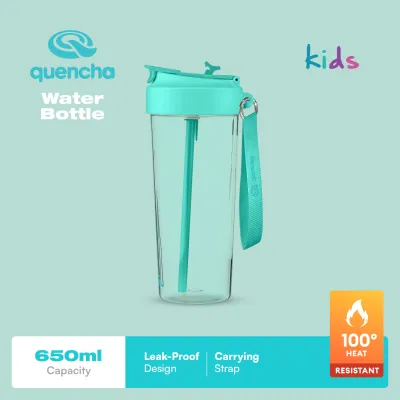
Prices are valid at publication and may change. Please refer to the product page for the latest price.
If you prefer to avoid plastics entirely, food-grade stainless steel (typically 304 or 316 grade) is a highly durable option. Stainless steel bottles are naturally shatterproof and offer excellent temperature retention, keeping water cool during hot afternoons. For the straw itself, look for high-quality, food-grade silicone, which is soft, flexible, and gentle on your toddler’s sensitive gums and developing teeth.
Regardless of the material you choose, always inspect the product packaging and manufacturer specifications for safety labels. Ensure the bottle, lid, and straw are explicitly labeled as free from Bisphenol A (BPA), Bisphenol S (BPS), and phthalates. These chemical compounds can mimic hormones and pose health risks to developing children. Additionally, verify the manufacturer’s guidelines regarding heat resistance. Some materials are safe for steam sterilizers and dishwashers, while others may warp or degrade under high temperatures. If you plan to warm liquids or sterilize the bottle frequently, checking these temperature limits beforehand is essential to prevent material degradation.
Straw Design and Leak-Proof Mechanisms
The design of the straw and the bottle’s leak-proof mechanism directly impact how easily your toddler can drink and how much cleanup you will face. Toddlers are naturally active and will inevitably drop, shake, or tip their bottles, making a reliable seal a necessity.

Straws generally fall into two categories: bite-valve straws and open-flow straws. Bite-valve straws require the toddler to apply gentle pressure with their teeth or lips to open the valve and release the liquid. This design is highly effective at preventing leaks, even when the bottle is held upside down or dropped. However, some younger toddlers who are just learning to use a straw may find the biting action frustrating. Open-flow straws, on the other hand, allow liquid to flow freely with simple suction. While easier for beginners, open-flow straws rely heavily on the bottle’s lid or a secondary cross-cut valve inside the straw to prevent spills when not in use.
Another valuable feature to look for is a weighted straw. These straws feature a small, food-grade weight at the bottom of the silicone tube that moves with the liquid. This allows your toddler to drink successfully from any angle, whether they are sitting upright, tilting the bottle back, or lying down.
To prevent messy spills, look for bottles equipped with secure, click-to-lock lids or slide covers that fold the silicone straw down when closed. This action mechanically seals the straw and keeps it clean when tucked into a diaper bag. Additionally, high-quality bottles often feature pressure-release vents. In warm or humid environments, air pressure can build up inside a sealed bottle, causing liquid to spray out of the straw as soon as the lid is opened. A built-in pressure-release valve equalizes this pressure, preventing unexpected messes.
Finally, pay close attention to how the straw assembly is constructed. Complex valve designs can easily trap moisture and liquid residue, creating a breeding ground for mold and bacteria. Opt for designs where the straw and valve components can be easily disassembled into simple, open pieces for thorough cleaning.
Capacity, Weight, and Ergonomics for Small Hands
A straw bottle must be physically manageable for your toddler to hold and use independently. If a bottle is too heavy, bulky, or difficult to grip, your child may reject it, hindering their hydration.
Toddler straw bottles typically range in capacity from 150ml to 350ml (approximately 5 to 12 ounces). When choosing a size, balance your child’s hydration needs with the physical weight of the bottle when filled. A 150ml bottle is lightweight and ideal for younger toddlers (around 12 to 18 months) who are still developing their grip strength. For older, more active toddlers, a 300ml or 350ml bottle is more practical for longer outings, though it will be significantly heavier when completely full.
Ergonomic features play a crucial role in helping small hands secure a firm grip. For toddlers transitioning from cups, dual handles are highly beneficial. Look for bottles with textured, non-slip handles that are easy to grasp. Some models offer removable handles, allowing you to transition the bottle into a sleek, handle-free cup as your child’s coordination improves. For older toddlers, a contoured bottle body or a textured silicone sleeve provides a secure grip without the bulk of handles.
Base stability is another practical consideration. A bottle with a wide, flared base or a non-slip silicone bumper boot is less likely to tip over when placed on a high chair tray or dining table.
When deciding between materials, consider the trade-offs between weight and temperature control. Lightweight plastic bottles (like Tritan or PPSU) are easy for toddlers to carry around and are highly portable for quick errands. However, they do not offer insulation. Double-walled, vacuum-insulated stainless steel bottles are heavier and can be tiring for very young children to hold for long periods, but they excel at keeping water cool for hours, which is a significant advantage during hot outdoor activities.
Ease of Cleaning and Long-Term Durability
A toddler straw bottle is an item you will clean daily, often multiple times. If a bottle is difficult to wash, it will quickly become a source of frustration and a potential hygiene hazard.
Before purchasing, check the manufacturer’s cleaning instructions. While many modern bottles are labeled as top-rack dishwasher safe, hand-washing is often recommended to extend the lifespan of the silicone seals and printed designs. Because straws have narrow, hard-to-reach interiors, they require specialized cleaning. Look for bottles that include a dedicated, thin wire straw brush, or purchase one separately. This brush is essential for clearing out milk, juice, or smoothie residue that regular sponges cannot reach.
Durability is equally important, as toddlers frequently drop their cups onto hard surfaces like tile or concrete. High-quality plastics like Tritan and PPSU, as well as stainless steel, are designed to withstand these impacts without cracking. However, the soft silicone components—such as the straw, bite valve, and sealing gaskets—are vulnerable to wear and tear, especially if your toddler has a habit of chewing on them.
To ensure the long-term usability of the bottle, verify whether the manufacturer sells replacement parts separately. Being able to purchase a pack of replacement straws or silicone gaskets is far more cost-effective and environmentally friendly than replacing the entire bottle when a straw becomes damaged or worn. Regularly inspect all silicone parts for signs of wear, deep bite marks, stretching, or persistent discoloration. If you notice any damage, replace the component immediately to maintain proper hygiene and prevent choking hazards.
Pre-Purchase Checklist and Where to Buy Safely
To simplify your decision-making process, use this quick checklist to evaluate potential straw bottles before making a purchase:
- Material Safety: Is the bottle body and straw certified BPA-free, BPS-free, and phthalate-free?
- Sterilization Compatibility: Does the material match your preferred cleaning method (e.g., steam, boiling, or UV sterilizer)?
- Leak Prevention: Does it feature a bite-valve, a cross-cut seal, or a secure click-lock lid to prevent spills?
- Ergonomics: Are there removable handles or a non-slip grip suitable for your child's current developmental stage?
- Cleaning Accessibility: Can the straw assembly be fully disassembled, and is a straw cleaning brush included?
- Replacement Availability: Are spare straws and gaskets easily purchasable from the manufacturer?
Always verify the manufacturer’s age, weight, and developmental recommendations printed on the packaging to ensure the bottle is appropriate for your child’s current skills.
When you are ready to buy, prioritize safety and authenticity. Purchase your toddler’s straw bottle from official brand flagship stores, authorized physical baby boutiques, or reputable online marketplaces. Avoid buying unbranded or exceptionally cheap bottles from unverified third-party sellers, as these products may not comply with food-grade safety standards and could contain harmful chemical additives or low-quality silicone that degrades quickly.
Frequently Asked Questions (FAQ)
When should I transition my baby from a sippy cup to a straw bottle?
Most pediatricians and pediatric dentists recommend introducing a straw cup or bottle around 9 to 12 months of age, as this is when babies develop the motor skills required to sip and swallow without tilting their heads back. Signs of readiness include the ability to sit upright independently, showing interest in your cups, and successfully grasping objects with both hands. Transitioning directly from a bottle or breast to a straw cup—skipping the traditional hard-spout sippy cup entirely—is often recommended to support optimal oral muscle development. If you have concerns about your child’s feeding milestones or oral motor skills, consult a pediatrician or a pediatric feeding specialist for personalized guidance.
Can I put hot liquids or warm milk in a toddler straw bottle?
It is generally not recommended to put hot liquids or warm milk in a sealed toddler straw bottle. When warm or hot liquid is poured into a sealed container, it warms the air inside, causing it to expand. This pressure buildup forces the liquid up through the straw, causing it to spray or leak unexpectedly when the lid is opened, which poses a significant burn risk to your child. Additionally, extreme heat can degrade silicone straws and damage the sealing gaskets over time. Always check the manufacturer’s maximum temperature limits for both the bottle body and the silicone components. If you need to serve warm milk, ensure it is only lukewarm, and always open the lid away from your child to release any built-up pressure first.

Community discussion
Share your experience or ask a question. Comments are reviewed before publication.