
Transitioning your baby to solid foods is a memorable milestone that requires the right tools, especially when preparing fresh, homemade purees. If you are using a baby food blender to whip up nutritious blends of local vegetables like squash, sweet potato, and spinach, you need serving and storage containers that can keep up with daily prep. Stainless steel bowls have emerged as a premier choice for parents due to their durability, resistance to staining, and hygienic properties. Unlike plastic, high-quality steel does not absorb strong food odors or leach chemicals when exposed to warm foods, making it an exceptionally safe vehicle for your little one’s meals. However, finding the best stainless steel bowl requires looking beyond generic product listings to evaluate material grades, functional designs, and sealing capabilities.
Material Grades and Safety Verification
When shopping for baby tableware, the metal’s composition is your primary safety consideration. Food-grade stainless steel is typically labeled as 304 or 18/8, which denotes the alloy’s composition of 18% chromium and 8% nickel. This specific ratio provides excellent resistance to corrosion and rust, which is particularly vital in warm, humid climates where moisture can quickly degrade inferior metals. Another premium option is 316 or 18/10 stainless steel, which includes molybdenum for even greater resistance to acids and salts, though 304 remains the standard for baby feeding products.
To verify these material claims, do not rely solely on the titles of listings on online marketplaces, as these can often be misleading or inaccurate. Instead, inspect the physical product for an embossed or laser-etched stamp on the bottom of the bowl, which should clearly state “SUS 304,” “18/8,” or “Food Grade.” If you are purchasing online, request to see the manufacturer’s material declaration or check the product’s official user manual for certified material specifications. Reputable brands will openly document their material testing and compliance with international food safety standards.
Products mentioned in this guide
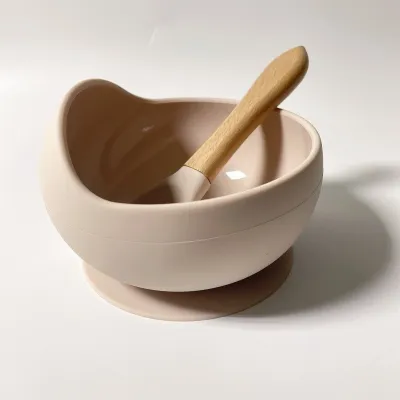
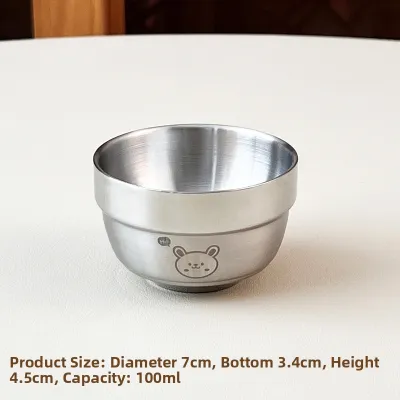
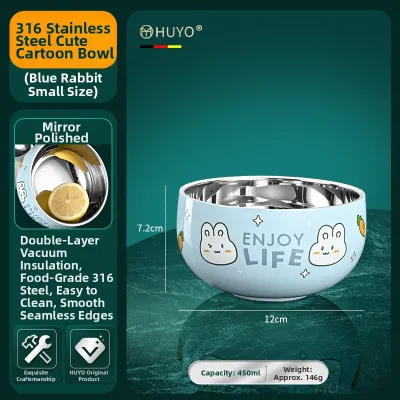
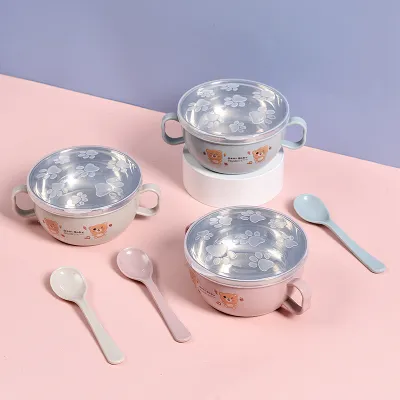
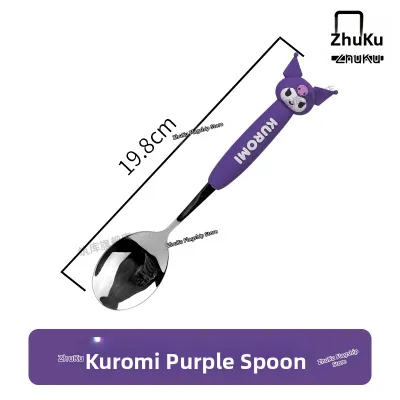
Prices are valid at publication and may change. Please refer to the product page for the latest price.
Be vigilant against common material red flags that indicate low-quality or unsafe metals. Avoid bowls that feel unusually lightweight or thin, as these are prone to denting and may contain cheap filler alloys that rust easily. Watch out for bowls with painted or coated interiors; any colored finishes should only be on the exterior of the bowl, away from direct food contact, to prevent chipping or peeling paint from mixing with your baby’s puree. If a bowl emits a distinct metallic odor even after a thorough wash, it is a strong sign of low-grade metal that is unsuitable for serving food to an infant.
Design Features for Purees and Food Blenders
The physical design of a baby bowl directly impacts how easily you can transfer, serve, and store purees. When pouring freshly blended purees from a baby food blender, a bowl with a wide opening and a gently curved interior wall is highly beneficial. This shape allows you to scrape out every last drop of nutrient-rich food with a silicone spatula, minimizing waste. The bowl should also have adequate depth—typically around 5 to 7 centimeters—to prevent splashing and spilling when you are mixing in breast milk, formula, or iron-fortified infant cereals.

Heat insulation is another critical feature to evaluate, especially when serving warm purees. Double-wall stainless steel construction creates an air barrier that keeps the food warm while keeping the outer surface cool to the touch, protecting both your hands and your baby’s sensitive skin. Alternatively, some bowls feature a removable exterior silicone sleeve that provides a comfortable grip and insulates against heat. When reviewing product descriptions, verify if the thermal claims specify how long the bowl can maintain food temperatures, and check user feedback to ensure the outer wall remains cool during actual use.
Because babies often eat in small increments, a reliable storage and sealing system is indispensable. Look for bowls that come with airtight, leak-proof lids made from food-grade silicone or BPA-free plastic. A secure seal is essential for refrigerating leftover purees safely, preventing the food from absorbing odors from other items in your refrigerator and keeping tropical humidity from compromising the puree’s freshness. If you plan to transport purees for outdoor trips or visits to family, test the lid’s seal by filling the bowl with water and turning it upside down to check for leaks before packing it in your diaper bag.
Stability is the final design pillar, particularly as your baby transitions from passive feeding to self-feeding. Stainless steel is naturally lightweight, which means an unsecured bowl can easily be swiped off a high chair tray by an enthusiastic infant. To prevent these messy cleanups, prioritize bowls equipped with strong suction bases or non-slip silicone rings at the bottom. The suction base should be wide and made of flexible, high-quality silicone that adheres firmly to flat, non-porous surfaces like plastic high chair trays or wooden dining tables.
Cleaning, Storage, and Daily Maintenance
Maintaining impeccable hygiene is paramount when preparing food for an infant whose immune system is still developing. Stainless steel is naturally non-porous, making it highly resistant to bacteria, but the design of the bowl itself can introduce hygiene blind spots. Pay close attention to the seams where different materials meet, such as the junction between a stainless steel inner bowl and a plastic outer shell, or the grooves where silicone suction bases and lid gaskets attach. These tight spaces can trap moisture and food residue, creating a breeding ground for mold and bacteria in humid environments.
To ensure a thorough clean, choose bowls that allow for complete disassembly, enabling you to remove silicone rings, suction bases, and outer sleeves for individual washing. Always consult the manufacturer’s instructions regarding dishwasher safety before running your baby’s bowls through a cycle. While the stainless steel portion is almost always dishwasher-safe, high-heat drying cycles can warp plastic lids, degrade silicone suction bases, or cause painted exterior coatings to peel over time. If handwashing, use a mild, baby-safe dish soap and a soft sponge; avoid abrasive scouring pads or steel wool, which can scratch the steel surface and create microscopic grooves where bacteria can hide.
Proper food safety practices must extend to how you store purees within these bowls. Freshly blended vegetable and fruit purees can generally be stored in an airtight stainless steel bowl in the refrigerator for up to 48 hours, while purees containing meat, fish, or poultry should be consumed within 24 hours. Never store a bowl of puree that your baby has already started eating directly from, as the enzymes and bacteria from their saliva can contaminate the remaining food; instead, portion out a small serving into a separate dish and keep the rest sealed in the refrigerator.
Building Your Shortlist: What to Verify Before Checkout
When you are ready to purchase, creating a structured filtering checklist will help you compare different options on online marketplaces and select the safest, most practical bowl. Start by confirming the material grade is explicitly stated as 304 or 18/8 stainless steel in the product specifications. Next, evaluate the capacity of the bowl; for early solid foods, a capacity of 200ml to 300ml is the ideal size, providing ample room for standard puree portions without taking up excessive space in your diaper bag or refrigerator. Ensure that all necessary accessories, such as airtight lids and suction bases, are included in the package rather than sold separately.
User reviews are an invaluable resource for uncovering the real-world performance of a baby bowl. Look for authentic feedback that specifically mentions how well the suction base adheres to different surfaces, as some suction rings only work on perfectly smooth glass or plastic. Pay attention to comments regarding the lid’s sealing performance over time, checking if other parents report leaks or loose fits after repeated washing. Additionally, search the reviews for any mentions of rust, metallic tastes, or discoloration, which are clear indicators of substandard metal quality.
As you balance price and value, consider your daily routine and budget. Basic, single-wall stainless steel bowls without lids or suction bases are highly affordable, often costing under ₱200, and are excellent if you only need simple serving dishes for immediate consumption. However, if you require a versatile solution for preparing, storing, and feeding on the go, investing in a multi-functional insulated bowl with an airtight lid and a suction base—typically ranging from ₱400 to ₱800—will offer significantly better long-term value and convenience.
Finally, establish strict stop-buying conditions to protect your baby’s health. Immediately remove a bowl from your shortlist if the seller cannot provide clear proof of food-grade material composition or if the product lacks basic safety certifications. Do not purchase any bowl that has frequent user reviews complaining of rust spots after the first few washes, persistent metallic odors, or lids that fail to seal properly. Your baby’s safety and your peace of mind are worth the extra time spent verifying these essential details.
Frequently Asked Questions (FAQ)
Can stainless steel bowls be used in the microwave to reheat baby purees?
No, stainless steel bowls should never be placed in a microwave oven. Metal reflects microwave radiation, which can cause electrical arcing, sparks, and potential damage to your appliance or even pose a fire hazard. To safely reheat your baby’s purees, transfer the desired portion to a microwave-safe glass or ceramic container first, heat it to the appropriate temperature, stir thoroughly to eliminate hot spots, and then transfer it back into the stainless steel bowl for serving. Alternatively, you can place the stainless steel bowl into a warm water bath on the counter to gently take the chill off refrigerated purees.
How do I remove stubborn stains or odors from stainless steel baby bowls?
While stainless steel is highly resistant to staining, highly pigmented foods like carrots or squash can sometimes leave a faint residue, and strong odors can occasionally linger. To clean these safely without damaging the metal, wash the bowl with a mild, baby-safe dish soap and a soft, non-abrasive sponge. For stubborn stains or persistent odors, create a paste using baking soda and a small amount of water, gently rub it over the affected areas with a soft cloth, and rinse thoroughly. Alternatively, you can soak the bowl in a mixture of warm water and a splash of white vinegar for 15 to 30 minutes, ensuring you follow any specific care guidelines provided by the manufacturer.
Is it safe to store baby purees in stainless steel bowls in the freezer?
Yes, food-grade stainless steel is highly durable and can safely withstand freezing temperatures without cracking or degrading. However, before placing a bowl in the freezer, you must verify that the accompanying lid is also rated for freezer use, as some plastics can become brittle and crack when frozen. Additionally, remember that purees contain a high percentage of water, which expands as it freezes; to prevent the lid from popping off or damaging the container, avoid filling the bowl to the brim and leave at least a one-centimeter gap of headspace at the top. Always adhere to the manufacturer’s specified temperature limits for both the bowl and its accessories.

Community discussion
Share your experience or ask a question. Comments are reviewed before publication.