
Selecting the right utensils is a critical step in your baby’s weaning journey. A well-designed spoon and fork set with a case for kids supports developing motor skills, ensures safety, and makes mealtime less messy. Because a baby’s grasping ability and oral coordination change rapidly, the ideal utensil features must align with their specific developmental stage. This guide breaks down the essential characteristics to evaluate and shows you how to match them to your baby’s evolving needs.
When choosing these tools, parents must look beyond attractive colors and focus on functional design. The right set should feature ergonomic handles that match your child’s current grip style, safe materials that protect sensitive gums, and a well-ventilated storage case. In tropical climates like the Philippines, where high humidity can encourage moisture retention, selecting a hygienic case is just as important as choosing the utensils themselves.
Identifying Your Baby's Weaning Stage and Utensil Readiness
Introducing solid foods is a progressive journey that typically spans three distinct phases. The first phase is the initial introduction, usually starting around six months, where the primary goal is tasting and swallowing smooth purees. During this stage, parents handle the utensils while the baby learns to clear food from the spoon. The second phase involves active self-feeding practice, where the baby begins to grasp the spoon and attempt to guide it to their mouth. This is followed by the third phase, independent toddler eating, where fine motor skills refine and the child transitions to handling a wider variety of food textures.
Products mentioned in this guide
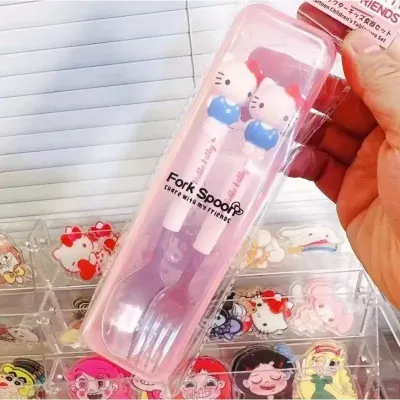
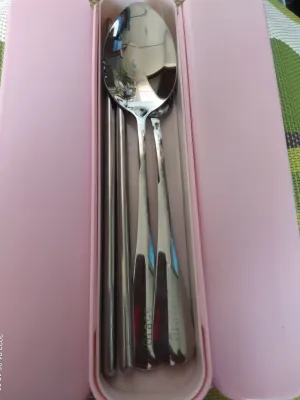
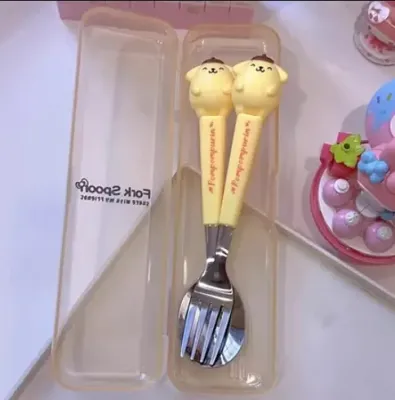
Prices are valid at publication and may change. Please refer to the product page for the latest price.
Using adult utensils or generic “grow-with-me” sets during these early phases can hinder motor skill development. Adult spoons are often too wide for a baby’s small mouth and too heavy for their weak grip, which can lead to frustration or accidental injury. Before purchasing any utensil set, observe your baby’s physical milestones. Look for signs of readiness, such as the ability to sit upright with minimal support, good head control, and the disappearance of the tongue-thrust reflex. Pay close attention to how your baby grasps objects; if they are using their entire fist to hold toys, they require a different handle shape than a toddler who has started using their thumb and index finger in a pincer grasp.
Evaluating Key Features of a Spoon and Fork Set for Kids
To find a set that supports your child’s development, you must evaluate several physical and functional attributes. Each feature plays a specific role in safety, comfort, and ease of use.

Checking Material Safety and Durability
Weaning utensils are commonly made from food-grade silicone, stainless steel, or BPA-free plastics. Food-grade silicone is highly flexible, gentle on tender gums, and does not conduct heat, making it suitable for early weaning. Stainless steel is highly durable and easy to sanitize, but it conducts temperature quickly and is best reserved for older toddlers who have developed better oral control.
When shopping on online marketplaces or in local baby boutiques, always verify safety claims by checking the product packaging. Look for clear labels indicating the absence of harmful chemicals like BPA, phthalates, and lead. Avoid relying solely on generic marketing terms; instead, look for manufacturer declarations of compliance with recognized food safety standards. The material should also resist deep bite marks, as scratches can harbor bacteria over time.
Evaluating Size, Shape, and Grip Design
The handle of the utensil must match your baby’s current grasping technique to prevent frustration during meals. Short, chunky handles are designed for the palmar grasp, allowing babies to hold the utensil securely in their fist. As your child’s fine motor skills progress, they will transition to longer, more slender handles that support a pincer or tripod grasp.
Textured surfaces, silicone sleeves, or ergonomic contours help prevent the utensil from slipping out of wet, soapy hands. Avoid handles that are excessively long or heavy, as they can throw off the baby’s balance. A poorly balanced spoon is more likely to poke the baby’s face or eyes when they attempt to bring food to their mouth.
Assessing Spoon Depth and Fork Tine Safety
The functional head of the spoon and fork must be sized appropriately for a child’s small mouth. A shallow, flat spoon bowl is ideal for beginners because it allows them to easily scrape food off with their upper lip. Deep spoon bowls can make it difficult for a baby to clear the food, leading to frustration and messy feeding sessions.
For the fork, look for short, blunt tines with rounded edges that can spear soft foods without puncturing sensitive gums. Some early training forks feature anti-choke guards or curved designs to prevent the child from inserting the utensil too far into their throat. Always physically inspect the edges of new utensils for any manufacturing burrs or sharp plastic seams before the first use.
Selecting a Hygienic and Portable Case Design
A spoon and fork set with a case for kids is highly practical for dining out, traveling, or sending to daycare. However, the case itself must be designed to maintain hygiene and prevent contamination. Look for a case with built-in ventilation holes to allow residual moisture to escape, which is particularly important in the humid climate of the Philippines. Trapped moisture in a sealed plastic container can quickly lead to mold growth and unpleasant odors.
The closure mechanism should be secure enough to stay closed inside a crowded diaper bag, yet simple enough for parents to open easily. Snap locks and sliding latches are common options that provide a reliable seal. Finally, ensure the case can be fully opened or disassembled for thorough cleaning. Avoid cases with deep, narrow crevices that are difficult to reach with a bottle brush or sponge.
Matching Utensil Features to Your Baby's Weaning Stages
As your baby grows, their feeding abilities will change, requiring you to transition to different utensil styles. Matching the features of the set to your baby’s current stage ensures a smoother learning curve.
Stage 1: Introducing Solids and Parent-Led Feeding
During the initial stage of weaning, which often begins around six months, the parent does most of the feeding. The primary goal is to introduce new flavors and textures while protecting the baby’s delicate oral cavity. For this stage, choose spoons with ultra-shallow, soft silicone heads that are gentle on sensitive, teething gums. The soft material prevents discomfort if the baby suddenly bites down on the spoon.
Look for longer, slender handles that allow you to comfortably reach the bottom of baby food jars or deep bowls. Forks are generally unnecessary during this parent-led phase, as the focus is entirely on smooth purees and soft mashes. Always check the manufacturer’s age recommendations on the packaging to ensure the spoon is sized correctly for an infant.
Stage 2: Developing Self-Feeding and Palmar Grasp
As your baby approaches their eighth or ninth month, they will likely show a strong desire to hold the spoon themselves. This stage is characterized by the palmar grasp, where the baby uses their entire fist to hold objects. Select utensils with short, thick, and highly textured handles that fit comfortably inside a small fist.
Spoons with a slight upward angle or a curved bowl can help the baby guide food into their mouth more successfully without spilling. This is also the appropriate time to introduce a practice fork with very blunt, short tines. The fork should be designed to help the baby practice the motion of spearing soft foods, like steamed sweet potato cubes, under close supervision.
Stage 3: Independent Eating and Pincer Grasp Transition
By the time your child reaches toddlerhood, their hand-eye coordination and fine motor skills will have improved significantly. They will begin transitioning from a fist grip to a refined pincer or tripod grasp, using their fingers to control the utensil. At this stage, you can transition to slightly longer handles and deeper spoon bowls that hold larger portions of food.
Food-grade stainless steel utensils with plastic or silicone handles are excellent for this phase, as they allow the child to cut through denser foods. Because toddlers frequently eat meals outside the home, a durable and secure travel case becomes indispensable. Investing ₱200 to ₱500 in a high-quality set with a sturdy case keeps dirty utensils contained after a meal at a restaurant or park, protecting the rest of your diaper bag from stains.
Maintaining Hygiene and Checking Utensil Safety
Keeping your baby’s weaning utensils clean and safe requires a consistent maintenance routine. Always refer to the manufacturer’s specific care instructions, as different materials have varying tolerances for heat and sanitizing methods. While some silicone and stainless steel utensils are dishwasher-safe, others may require hand washing with mild dish soap and warm water. Avoid using harsh abrasive sponges that can scratch plastic surfaces, creating microscopic grooves where bacteria can multiply.
Perform regular visual and tactile inspections of all utensils and their storage cases. Run your fingers along the edges of the spoon bowls and fork tines to check for rough spots, cracks, or peeling coatings. Establish clear conditions for when to retire and replace a utensil set. If silicone components become sticky, discolored, or develop deep bite marks, they should be discarded immediately. Similarly, plastic utensils with deep scratches or compromised structural integrity must be replaced to ensure your child’s safety. Always supervise your child during meals to ensure they use the utensils correctly and safely.
Frequently Asked Questions (FAQ)
When to Introduce a Fork During Weaning
A fork is typically introduced during the active self-feeding stage, usually around nine to twelve months, once the baby has mastered basic spoon-to-mouth coordination. Look for developmental signs, such as the ability to spear soft food pieces and release them into the mouth. Always start with toddler-specific forks featuring blunt, rounded tines to prevent accidental pokes to the gums or face, and ensure constant caregiver supervision during use.
Comparing Silicone and Stainless Steel Utensils
Silicone utensils are highly suitable for early weaning because they are soft, flexible, and gentle on sensitive gums. They also do not conduct heat, protecting your baby from accidental burns. Stainless steel utensils are better suited for older toddlers who have developed precise oral control, as they are highly durable, resist bite marks, and easily cut through solid food textures. Parents should verify their child’s developmental readiness before transitioning to metal.
Cleaning and Sterilizing Utensil Cases
Before sterilizing a utensil case, check the manufacturer’s guidelines to verify its heat tolerance. Many plastic cases cannot withstand the high temperatures of steam sterilizers or boiling water and may warp. Wash the case daily with warm, soapy water, and ensure all components are completely air-dried before closing the case to prevent mold growth in humid conditions.

Community discussion
Share your experience or ask a question. Comments are reviewed before publication.